
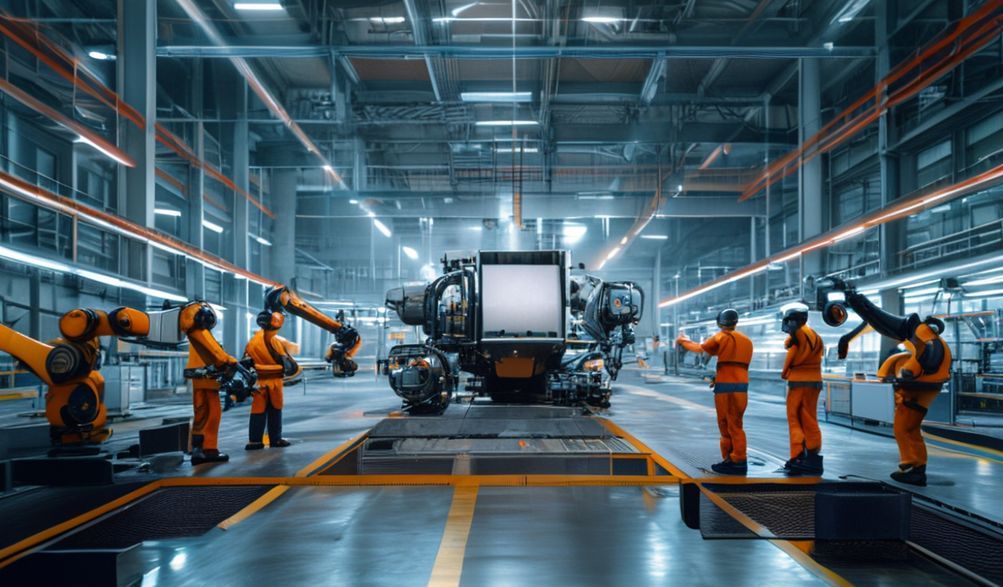
Jagorar Cikakkiyar Zaɓar Masana'antar Kera Kayan Kera na Katako na Kankare na China
Gabatarwa
Masana'antar ginin duniya tana gudana akan ingantacciyar aiki da araha. A tsakiyar ayyukan ababen more rayuwa marasa adadi, tun daga ci gaban gidaje zuwa shimfidar birane, akwai wani sauƙi, muhimmin sashi: tubalin siminti. Don cika wannan babbar buƙata yana buƙatar ingantaccen kayan aiki, abin dogaro, da araha. Tsawon shekaru da yawa, kasar Sin ta tabbatar da matsayinta a matsayin babbar masana'antar kera kayayyaki a duniya, kuma wannan gaskiya ne sosai ga kayan aikin yin tubalin siminti. Kewayon fadi naKamfanin na'urar yin tubalin siminti na kasar SinDuk da haka, na iya zama aiki mai wahala ga masu saye na ƙasashen waje.
Babban kalubale ba rashin zaɓi ba ne, amma yawan yawan abubuwan da ake da su. Ta yaya za ku bambanta sanannen masana’anta da kamfanin ciniki? Ta yaya za ku tabbatar da da’awar inganci da aiki daga dubban mil? Damuwa game da shingen sadarwa, rikitaccen tsari, da tallafin tallafin bayan sayayya na dogon lokaci sun zama ruwan dare kuma suna da inganci.
Wannan jagora an tsara ta don zama taswirar hanyar ku ta ƙarshe. Za mu wuce jerin masu kaya masu sauƙi kuma mu zurfafa cikin muhimman abubuwan da ke raba haɗin gwiwa mai nasara daga kuskure mai tsada. An gina shi akan fahimtar masana'antu da zurfin fahimtar fahimtar fasaha da kasuwanci na wannan sashe, wannan albarkatun zai ba ku ikon yin yanke shawara cikin ilimi da kwarin gwiwa. Bari mu fara da fahimtar dalilin da yasa China ke mamaye wannan kasuwa.
Me Yasa China Ke Zama Cibiyar Kera Kayan Gina Tubali a Duniya
China’s role as the epicenter for construction machinery manufacturing is no accident. It is the result of decades of strategic industrial development, creating an ecosystem that is exceptionally difficult to replicate elsewhere.
Girma da Ƙarfin Masana'antu
- Tsarin Samar da Kayayyaki: China boasts a fully integrated supply chain. Key components like high-grade steel plates, precision hydraulic systems, industrial PLCs (Programmable Logic Controllers), and electric motors are all produced domestically. This vertical integration within specialized industrial clusters (like those in Shandong, Fujian, and Guangdong provinces) reduces costs and streamlines production.
- Gungu na Masana'antu: These clusters create a competitive, synergistic environment where factories specialize in different machine types or components, driving innovation and efficiency. For a buyer, this means access to a factory with deep, focused expertise.
Ci Gaba da Fasaha da Kirkire-Kirkire
The narrative of Chinese manufacturing as purely low-cost is outdated. The industry has pivoted decisively towards high-tech, value-driven production.
- Smart Manufacturing: Modern Chinese block making machines feature advanced PLC control systems with touchscreen HMIs (Human-Machine Interfaces), allowing for precise control over vibration, pressure, and cycle times.
- Connectivity: Leading factories now incorporate IoT (Internet of Things) capabilities for remote monitoring and diagnostics, enabling predictive maintenance.
- Efficiency Focus: Innovation is also directed at energy savings through optimized hydraulic circuits and the development of machines that can effectively use alternative raw materials like fly ash, contributing to greener construction.
Cost-Effectiveness Without Compromising on Range
- Tattalin Arzikin Sikel: The sheer volume of production allows Chinese factories to achieve economies of scale that are passed on as competitive pricing, without necessarily sacrificing quality when you choose the right partner.
- Unmatched Product Range: Whether you need a small, manual egg-laying block machine for a startup or a fully automatic, robot-handled production line capable of thousands of blocks per hour, you will find a Kamfanin na'urar yin tubalin siminti na kasar Sin that specializes in it. This breadth of choice is unparalleled.
Key Factors When Evaluating a Chinese Factory
Selecting the right factory is a due diligence process. Look beyond the sales representative and assess the entity behind the product.
Factory Credentials and Certifications (Trust)
Verifying legitimacy is your first step. Essential credentials include:
- Business License: A legitimate factory will have an official business license registered with the Chinese Administration for Industry and Commerce (AIC). You can ask for a copy.
- Takaddun Shaida na Ƙasashen Duniya:
- ISO 9001: Indicates a certified quality management system.
- Alamar CE: For machines sold to Europe, this is a mandatory safety, health, and environmental protection certification. Note: A “CE” from a non-notified body holds less weight.
- SGS/Third-Party Inspection Reports: Independent verification of machine performance and specification compliance adds a significant layer of trust.
Production Capability and Quality Control (Expertise)
A factory tour (virtual or in-person) is invaluable. Assess:
- Workshop Organization: Look for cleanliness, orderly production flow, and proper material handling. Modern welding equipment (e.g., CNC cutting, robotic welding) is a good sign of structural quality.
- Hanyoyin Sarrafa Ingantacciyar Kayayyaki: Ask specific questions:
- “What are your standards for incoming raw materials (steel, cylinders)?”
- “What in-process checks are performed during assembly?”
- “Do you conduct a full performance test with concrete before disassembly for shipping? Can I see a video of this?”
Machine Technology and Customization Options (Expertise)
Understand the technical offerings.
- Nau'in Injina: Know your needs.
- Injin Tukin Tsayayyen Tubali: High-output machines for large-scale fixed plants.
- Mobile/Egg-laying Machines: Produce blocks directly on the ground, ideal for smaller sites.
- Layukan Cikakken Kansa: Include automatic mixers, conveyors, block stackers, and pallet feeders.
- Key Specifications to Compare:
- Samar da Kayayyaki: Always ask for practical output per 8-hour shift under standard conditions, not just theoretical maximums.
- Lokacin Zagayowar: The time to produce one mold of blocks.
- Matsi (Tona): Determines block density and strength.
- Yawan Amfani da Molds: Ability to produce different block types (hollow, solid, paver, curbstone).
- Keɓancewa: A competent factory can adapt machine designs for specific local materials (e.g., different aggregate sizes) or produce custom block molds to your drawings.
After-Sales Service and Support (Trust & Experience)
This is the most critical differentiator between a supplier and a long-term partner.
- Warranty: Typical warranties range from 1 to 2 years for key components. Understand exactly what is covered.
- Documentation: Ensure the provision of clear English manuals, electrical wiring diagrams, and hydraulic schematics.
- Horarwa: Will they provide on-site installation and training? If not, do they offer comprehensive video training modules?
- Kayan Gyara: Inquire about the availability of a spare parts list with prices and the standard lead time for ordering. A factory with a well-organized parts department is a major advantage.
The Supplier Selection Process: From Inquiry to Delivery
A structured approach minimizes risk and ensures clarity for both parties.
Effective Sourcing and Initial Vetting
- Platforms: Use B2B sites (Alibaba, Made-in-China) as discovery tools, not validation tools. Cross-reference findings with industry-specific directories or trade associations.
- The RFQ (Request for Quotation): Be detailed. Include desired block type, dimensions, output target, automation level, voltage requirements, and preferred Incoterms. A vague RFQ will lead to incomparable quotes.
Communication and Due Diligence
- Virtual Factory Audit: Insist on a live video call tour of the factory floor, not just a pre-recorded promotional video. This allows for real-time Q&A.
- Abokan Kasuwanci:Nemi bayanin tuntuɓar abokan ciniki 2-3 na bayaa yankin ku ko makamancin kasuwa. A reputable Kamfanin na'urar yin tubalin siminti na kasar Sin should be willing to provide this.
- Technical Dialogue: Gauge their expertise by asking detailed technical questions. Their ability to answer clearly (using diagrams or technical documents) is a strong positive indicator.
Navigating Logistics and Trade Terms
- Incoterms: Clearly agree on responsibilities.
- EXW (Daga Masana'anta): You handle everything from the factory gate.
- FOB (Kyauta akan Jirgi): A common choice. The factory delivers the machine to the port and loads it on your chosen vessel. You handle sea freight and destination costs.
- CIF (Farashi, Inshora, da Kaya): The factory arranges and pays for sea freight and insurance to your nearest port.
- Shipping & Customs: For heavy machinery, container or RORO (Roll-on/Roll-off) shipping is standard. Engage a reliable freight forwarder experienced in handling heavy equipment from China. They will guide you on necessary customs clearance documents in your country.
Common Pitfalls and How to Avoid Them
Forewarned is forearmed. Be vigilant for these common issues.
The “Too Good to Be True” Price Trap
An abnormally low price is a major red flag. It often indicates:
* The use of inferior components (non-brand hydraulics, low-grade PLCs).
* Thinner steel profiles in the machine frame.
* The seller may be a middleman adding no value.
* Solution: Request a detailed breakdown of component brands (e.g., Siemens PLC, Schneider electrics, Rexroth hydraulics). Compare quotes with similar specifications, not just the bottom line.
Misunderstanding Specifications and Output
- Pitfall: Confusing theoretical maximum speed with sustainable, real-world output accounting for material loading, block curing, and pallet changes.
- Solution: In your RFQ, specify you want the “practical, sustainable output per shift.” Ask for video evidence of a machine running a full cycle.
Overlooking the Total Cost of Ownership
The purchase price is just the beginning. Consider:
* Amfani da Makamashi: A machine with an inefficient hydraulic system will cost significantly more to run over its lifetime.
* Sassaka Abubuwan Sawa Understand the cost and lifespan of molds, mixer blades, and hydraulic seals.
* Serviceability: Is the machine designed for easy maintenance? Can local technicians easily access and understand the systems?
Tambayoyin da ake yawan yi (FAQ)
Q1: What is the typical lead time for a block making machine from China?
A: For a standard model, expect 30-45 days after deposit confirmation. For fully customized machines or large automatic lines, lead times can extend to 60-90 days. Always confirm this in your contract.
Q2: Can I visit the factory before placing an order, and is it recommended?
A: It is highly recommended. Reputable factories welcome serious buyers and will arrange comprehensive tours. If travel isn’t possible, a live, interactive video tour is a non-negotiable alternative to assess their operations.
Q3: How do I handle machine installation and commissioning?
A: You have several options: 1) The factory can send engineers (at an additional cost) for on-site installation and training. 2) Your local technicians can perform the installation under the factory’s remote guidance via video call. 3) Rely on detailed installation manuals and video guides provided by the factory.
Q4: What are the payment terms usually offered?
A: The most common and balanced terms are 30% deposit via T/T (Telegraphic Transfer) and 70% balance against copy of shipping documents before shipment. For very large orders, Letters of Credit (L/C) are also used. Be wary of suppliers demanding 100% upfront payment.
Q5: Are Chinese machines compatible with our local power standards and safety regulations?
A: Yes, professional factories are experienced in exporting globally. You must specify your required voltage and frequency (e.g., 415V/50Hz, 480V/60Hz). They should configure the motors, electrical cabinet, and control systems accordingly. For safety, ensure the machine includes necessary guards and emergency stops, and discuss any specific certification needs for your country.
Ƙarshe
Zaɓar daidaiKamfanin na'urar yin tubalin siminti na kasar Sin is a strategic investment that goes far beyond a simple transaction. It is about forging a partnership that will support your business for years to come. The journey requires thorough vetting, a focus on demonstrable quality control and robust after-sales service over the allure of the lowest price, and clear, continuous communication.
By using this guide as your checklist—from verifying certifications and conducting virtual audits to scrutinizing technical support—you transform a complex international procurement into a manageable, confident process. Remember, the goal is to find a partner that embodies E-E-A-T: a factory with proven Kwarewa in building durable machines, deep technical Ƙwarewa, Matsayin Iko in the industry, and above all, Aminci in every business interaction.
Ready to start your search? Use the insights in this guide to craft your detailed RFQ and begin conversations with factories that are transparent, communicative, and eager to prove their value as your long-term manufacturing partner.
<