
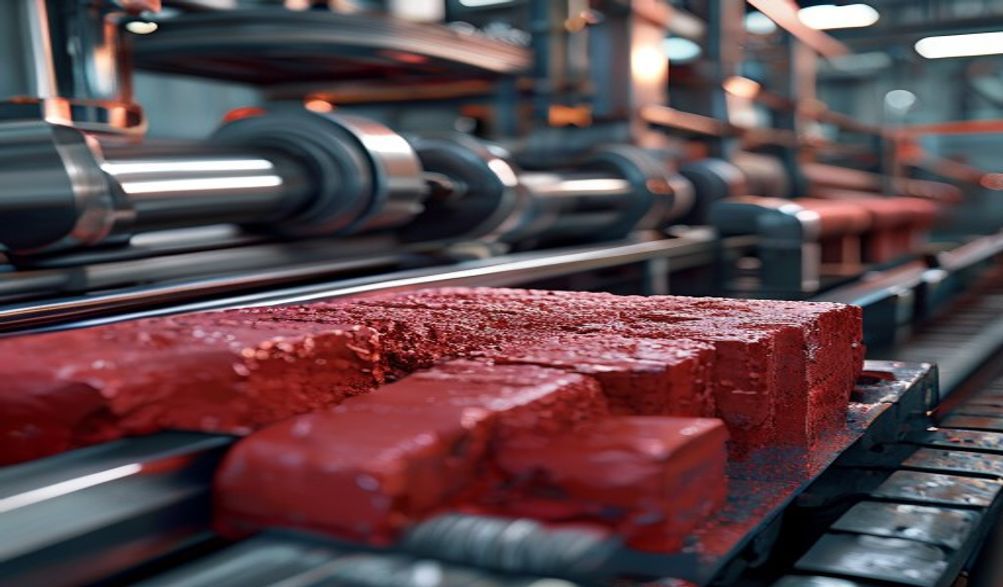
हाइड्रोलिक मिट्टी की ईंट बनाने की मशीन कैसे चुनें: 2026 विशेषज्ञ गाइड
परिचय
एक लाभदायक और टिकाऊ ईंट निर्माण व्यवसाय की नींव सिर्फ मिट्टी और श्रम नहीं है—यह आपके संचालन के केंद्र में स्थित मशीन है। सही हाइड्रोलिक मिट्टी की ईंट बनाने की मशीन का चयन एक निर्णायक कदम है जो सीधे आपके उत्पाद की गुणवत्ता, उत्पादन दक्षता और दीर्घकालिक लाभप्रदता को प्रभावित करता है। गलत चुनाव विनाशकारी डाउनटाइम, असंगत आउटपुट और बढ़ते रखरखाव खर्चों का कारण बन सकता है।
बिटुमिनस प्लांट इंजीनियरिंग और मशीनरी आपूर्ति में 15 वर्षों से अधिक के अनुभव के साथ, हमारी टीम ने दुनिया भर में सैकड़ों सफल इंस्टॉलेशन से महत्वपूर्ण सबक निकाले हैं। यह गाइड उस व्यावहारिक अनुभव, निर्माताओं से सीधे प्रतिक्रिया और गहन इंजीनियरिंग ज्ञान पर आधारित है। हमारा लक्ष्य केवल विनिर्देशों को सूचीबद्ध करना नहीं है, बल्कि आपके फैक्टरी फ्लोर पर सफलता निर्धारित करने वाले व्यावहारिक कारकों पर ध्यान केंद्रित करते हुए पूरी चयन प्रक्रिया को सरल बनाना है।
हम वादा करते हैं कि यह गाइड आपको एक आत्मविश्वासपूर्ण और सूचित निवेश करने का ढाँचा प्रदान करेगी। हमारी सलाह निष्पक्ष है और आपको सही प्रश्न पूछने में मदद करने के लिए डिज़ाइन की गई है, चाहे आप अंततः हमारी कंपनी से या किसी अन्य प्रतिष्ठित आपूर्तिकर्ता से खरीदारी करें। आइए, बुनियादी बिक्री ब्रोशर से आगे बढ़ें और अपनी सफलता की नींव बनाएं।
अपनी मुख्य उत्पादन आवश्यकताओं को समझना
किसी भी मशीन के ब्रोशर को देखने से पहले, आपको अपने अंदर झांकना होगा। सबसे आम गलती यह है कि एक आकर्षक कीमत या उच्च "सैद्धांतिक" उत्पादन के आधार पर मशीन खरीद ली जाती है, बिना उसे आपकी वास्तविक परिचालन वास्तविकता से जोड़े। यह खंड उन व्यावहारिक सवालों पर केंद्रित है जो आपकी वास्तविक आवश्यकताओं को परिभाषित करते हैं।
अपने दैनिक और वार्षिक आउटपुट लक्ष्यों का मूल्यांकन करना
क्षमता नियोजन महत्वाकांक्षा और स्थिरता के बीच संतुलन बनाने के बारे में है।
- यथार्थवादी आवश्यकताओं की गणना करेंसिर्फ "प्रति दिन ईंटें" के बारे में मत सोचिए। अपनी बाजार मांग और बिक्री अनुबंधों से शुरुआत करें। आपको प्रति 8 घंटे की शिफ्ट में कितनी ईंटें उत्पादित करनी हैं? प्रति माह? मौसमी मांग में उतार-चढ़ाव को शामिल करें।
- सैद्धांतिक बनाम व्यावहारिक परिणाम:एक आपूर्तिकर्ता दावा कर सकता है कि एक मशीन प्रति घंटे 4,000 ईंटें उत्पन्न करती है। वास्तव में, यह आंकड़ा आदर्श प्रयोगशाला स्थितियों में, उत्तम मिट्टी और बिना किसी रुकावट के प्राप्त किया जाता है।व्यावहारिक, टिकाऊ उत्पादन अक्सर सैद्धांतिक अधिकतम का 70-80% होता है।सांचे में बदलाव, रखरखाव के लिए ब्रेक, कच्चे माल की आपूर्ति का समय और ऑपरेटर की गति का ध्यान रखें।
अपनी ईंट उत्पाद श्रृंखला निर्धारित करना
आपका उत्पाद आपकी मशीन को परिभाषित करता है। आप जो निर्माण करने का इरादा रखते हैं, उसके बारे में विशिष्ट रहें।
- ईंट का प्रकार:您是在生产用于结构墙的实心砖吗?还是用于减轻重量和更好保温的空心砖或穿孔砖?或者用于景观设计的连锁铺路砖?每种类型都需要不同的模具设计,有时还需要不同的压力参数。
- आकार और आकार:क्या आप मानक आकारों (जैसे 230x110x75 मिमी) पर ही काम करेंगे या वास्तुशिल्प परियोजनाओं के लिए कस्टम आकार भी प्रदान करेंगे? कस्टम मोल्ड एक अतिरिक्त निवेश है और इसे बदलने में समय लगता है।
- गुणवत्ता पैरामीटरआपके बाजार के लिए आवश्यक संपीड़न शक्ति (जैसे, 10 MPa, 15 MPa) और घनत्व क्या है? यह महत्वपूर्ण है और सीधे मशीन के हाइड्रोलिक दबाव से जुड़ा है।
कच्चे माल का विश्लेषण: यह आपकी मिट्टी से शुरू होता है
यह मशीन आपकी मिट्टी को आकार देने का उपकरण है। यदि आप अपनी कच्ची सामग्री को नहीं समझते, तो आप सही उपकरण नहीं चुन सकते।
- अपनी मिट्टी का परीक्षण करें।पेशेवर प्रयोगशाला विश्लेषण पर कोई समझौता नहीं किया जा सकता। आपको इसके बारे में जानना आवश्यक है:
- प्लास्टिसिटी सूचकांक:यह निर्धारित करता है कि यह कितनी अच्छी तरह से आकार लेता है और उसे बनाए रखता है।
- Shrinkage Rate: Affects final brick dimensions and cracking risk.
- नमी की मात्रा: Ideal moisture for hydraulic pressing is typically between 8-12%.
- Abrasive Content: High sand or grit content accelerates mold and component wear.
- Clay Dictates Machine Choice: Stiff, low-plasticity clay requires a machine with higher tonnage to achieve proper density. Highly plastic clay may need less pressure but more careful de-airing. Always provide your clay sample to potential suppliers for testing.
Key Technical Specifications to Scrutinize
Now, with your needs defined, you can decode the technical specifications with a critical eye. This is where expertise separates a good investment from a costly mistake.
Hydraulic System: The Heart of the Machine
The hydraulic system is what defines a “hydraulic” brick machine. Its quality is paramount.
- दबाव (टन भार): This is the force applied to the clay. Higher tonnage (e.g., 150 tons, 300 tons) compacts the clay more, resulting in denser, stronger bricks with lower water absorption. Match the tonnage to your clay type and strength requirements.
- घटक गुणवत्ता: Ask about:
- Pump Type: A reliable, brand-name axial piston pump is preferable for constant, high-pressure operation.
- Valves: Precision solenoid valves ensure accurate and repeatable pressure cycles.
- Cylinders: Hard-chromed piston rods and quality seals prevent leaks and ensure longevity.
- Pressure Holding: The system must maintain stable pressure during the compaction cycle for uniform brick quality. Inconsistent pressure leads to soft spots and weak bricks.
Automation Level: Manual, Semi-Automatic, or Fully Automatic?
This choice is a fundamental trade-off between initial investment and long-term labor costs.
- मैनुअल मशीनें: Operator loads clay and removes each brick. Lowest cost, highest labor intensity, lowest output. Suitable for very small-scale or start-up operations.
- अर्ध-स्वचालित मशीनें: The machine automates the pressing and ejection cycle. Operators feed raw material and remove finished bricks. Offers a excellent balance of productivity and cost for small to medium-scale plants.
- पूरी तरह स्वचालित लाइनें: Include automated feeders, conveyor belts, pallet return systems, and brick stackers. Require minimal human intervention for the highest output. Justify the high upfront cost through significant labor savings and consistency in large-scale production.
- ROI Analysis: Calculate your local labor costs. How many workers does a semi-auto machine replace vs. a full-auto line? The payback period often makes automation the smarter long-term choice.
Mold and Die Considerations
Molds are the interface between your machine and your product. They are a recurring cost.
- सामग्री: Opt for molds made from high-chromium alloy hardened steel (e.g., D2, D3 steel). They cost 2-3x more than mild steel molds but last 10-20x longer, especially with abrasive clay.
- Changeover: How long does it take to change molds for a different product? Look for designs with quick-release clamping systems to minimize downtime.
- स्पेयर पार्ट्स: Inquire about the cost and lead time for additional mold sets. A reputable supplier should have the drawings and capability to produce new molds years down the line.
Power Requirements & Energy Efficiency
Don’t get surprised by electrical incompatibility or high running costs.
- मोटर शक्ति: Ensure the machine’s motor voltage (e.g., 380V/50Hz, 440V/60Hz) matches your plant’s power supply. Incorrect voltage can damage the system.
- दक्षता: Modern machines with variable frequency drives (VFDs) on hydraulic pumps can significantly reduce energy consumption by matching power output to the cycle demand, unlike constant-speed systems.
Beyond the Spec Sheet: Critical Evaluation Factors
The best spec sheet can hide a poorly built machine or an unreliable supplier. This is where due diligence makes all the difference.
Build Quality and Structural Integrity
A brick machine endures tremendous forces and constant vibration.
- फ्रेम निर्माण: The main frame should be made from heavy-duty steel plate (not light-gauge steel), with robust, continuous welding (not spotty, intermittent welds). Tap the frame—it should feel solid, not hollow.
- स्थिरता: The machine must not “walk” or vibrate excessively during operation. Look for a wide, solid base plate. Vibration damages the machine’s own components and the factory floor.
Supplier Reputation and After-Sales Support
You are not just buying a machine; you are entering a long-term partnership for support.
- Vetting the Manufacturer:
- How many years have they been in business?
- Can they provide a list of client references, preferably in your region?
- Are they willing to conduct a live video tour of their factory floor?
- The Crucial After-Sales Package:
- स्पेयर पार्ट्स: Is there a readily available parts catalog? What is the guaranteed supply period (e.g., 10 years)?
- तकनीकी सहायता Is there 24/7 remote support? Are there trained service engineers available for dispatch?
- Documentation: You must receive detailed electrical and hydraulic diagrams, parts manuals, and maintenance schedules in your language.
- Warranty: Read it carefully. Does it cover only parts, or also labor? What are the exclusions?
Total Cost of Ownership (TCO) Analysis
The purchase price is just the entry ticket.
- प्रारंभिक लागत: Machine price, shipping, import duties, installation.
- Running Costs: Energy consumption, routine maintenance (oil, filters, grease), labor.
- Lifetime Costs: Replacement parts (molds, seals, hydraulic hoses), potential upgrades, downtime costs.
A machine that is 20% cheaper upfront but uses 30% more energy and has expensive, hard-to-find parts will be far more costly over a 5-year period.
The Decision-Making Process: A Step-by-Step Checklist
Follow this actionable sequence to structure your procurement process.
Step 1: Internal Requirement Gathering
Document your answers from Section 1: output targets, brick types, clay analysis data. This is your “Request for Quotation” (RFQ) foundation.
Step 2: Shortlist Reputable Suppliers
Based on research, recommendations, and factory audits/virtual tours, narrow the field to 3-5 serious contenders with proven track records.
Step 3: Request Detailed Proposals & Conduct Factory Visits
Send your formal RFQ. Scrutinize the proposals. If possible, visit the shortlisted factories to see build quality and test a machine with your clay sample.
Step 4: Compare Offers on TCO, Not Just Price
Create a spreadsheet. Input all costs from Section 3.3 over a 5-year horizon. The cheapest offer rarely wins the TCO comparison.
Step 5: Final Verification: Ask for Customer References
Contact the supplier’s existing customers, especially those with similar clay and operations. Ask about machine performance, reliability, and quality of after-sales support.
अक्सर पूछे जाने वाले प्रश्न (एफएक्यू)
Q1: What is the average price range for a good hydraulic clay brick machine?
ए: Prices vary dramatically. A manual/small semi-automatic machine can start from 15,000 – 40,000 डॉलर. A robust semi-automatic system typically ranges from $50,000 – $120,000. A fully automatic production line can cost $150,000 to $500,000+, depending on capacity and complexity. Focus on value and Total Cost of Ownership, not just the initial price tag.
Q2: Can one machine produce multiple types and sizes of bricks?
ए: Yes, absolutely. This is a key advantage of hydraulic presses. By changing the mold set (the die and punches), you can produce different brick types and sizes. However, consider the cost of additional mold sets ($2,000 – $10,000 each) and the time required for changeover (30 minutes to a few hours), which affects production planning.
Q3: How important is after-sales service, and what should it include?
ए: It is critical—often more important than a slight price difference. A comprehensive service package should include: installation supervision and commissioning, thorough operator and maintenance training, a complete set of technical manuals, a clear spare parts catalog with pricing, and access to responsive technical support (via phone, email, remote desktop). Ensure there is a defined process for ordering and shipping spare parts.
Q4: What are the most common maintenance issues with these machines?
ए: The most frequent issues are:
* Hydraulic Seal Wear: Leading to oil leaks. Prevented by using quality oil and keeping it clean.
* Mold Wear and Cleaning: Abrasive clay wears down mold surfaces. Regular cleaning and polishing are essential.
* Electrical Component Issues: Sensors and relays can fail. A clean, dry electrical cabinet is vital.
* Neglected Lubrication: All moving parts (guide rods, bearings) require strict adherence to the lubrication schedule.
Q5: How do I know if a supplier’s claimed production capacity is accurate?
ए: Be skeptical of unverified claims. Ask for:
1. Video Evidence: Request a video of the machine running a full cycle, showing a clock and producing bricks continuously for at least 10 minutes.
2. Site Visit: Ask to visit an existing client’s plant to see the machine in operation.
3. Performance Guarantee: Insist on a clause in the sales contract that guarantees a minimum practical output (based on your provided clay sample) once installed at your site, with remedies if it is not met.
निष्कर्ष
Choosing the right hydraulic clay brick making machine is a strategic investment that hinges on a clear understanding of your own production needs, a meticulous evaluation of technical and support factors, and a disciplined analysis of the total cost of ownership. It is not a purchase to be rushed.
By following the framework in this guide, you shift the odds decisively in your favor. You move from being a passive buyer to an informed partner in the process. The right machine becomes a reliable asset that drives the quality, efficiency, and profitability of your business for years to come.
Ready to discuss your specific project with an expert? Contact our engineering team today for a personalized consultation and a quote based on your actual clay sample and production goals. We’re here to help you build your success, brick by brick.
About the Author: This guide was compiled by the engineering and advisory team at [Your Company Name], with over 15 years of specialization in clay brick manufacturing technology. Our experts have commissioned hundreds of plants across six continents, providing unbiased, experience-driven counsel to builders and entrepreneurs worldwide.
<