1. परिचय
डिस्ट्रीब्यूटर्स, वितरकों और खरीदारों के लिए, जो निर्माण उपकरण बाजार में काम कर रहे हैं, इंटरलॉकिंग ब्रिक मशीनों की बिक्री के लिए सोर्सिंग करना एक ऐसा निर्णय है जो तकनीकी प्रदर्शन, बाजार मांग और लाभप्रदता के बीच संतुलन बनाता है। सामान्य उपकरण खरीदारी के विपरीत, सही इंटरलॉकिंग ब्रिक मशीन का चयन करने के लिए उत्पाद क्षमताओं और अंतिम उपयोगकर्ता की जरूरतों दोनों की गहरी समझ आवश्यक है—चाहे वह छोटे पैमाने के ठेकेदारों, बड़ी ईंट निर्माण सुविधाओं, या बुनियादी ढांचा विकास परियोजनाओं को पूरा करना हो।
2. शरीर
2.1 इंटरलॉकिंग ब्रिक मशीनें खरीदते समय मुख्य विचारणीय बिंदु
इंटरलॉकिंग ब्रिक मशीनों की बिक्री के लिए स्रोत ढूंढने के लिए एक व्यवस्थित दृष्टिकोण की आवश्यकता होती है जो केवल कीमतों की तुलना से कहीं अधिक है। वितरकों और खरीदारों को यह सुनिश्चित करने के लिए कई कारकों का मूल्यांकन करना चाहिए कि मशीन तकनीकी मानकों को पूरा करती है, बाजार की जरूरतों के अनुरूप है और दीर्घकालिक मूल्य प्रदान करती है। नीचे सफल खरीद रणनीति को परिभाषित करने वाले महत्वपूर्ण विचार दिए गए हैं।
2.1.1 मशीन विनिर्देशों को बाजार की मांग के साथ संरेखित करना
सोर्सिंग का पहला चरण मशीन की क्षमताओं को आपके लक्षित बाजार की विशिष्ट आवश्यकताओं के साथ मिलाना है। एक मशीन जो एक क्षेत्र में अच्छा प्रदर्शन करती है, वह कच्चे माल, निर्माण मानकों या उत्पादन पैमाने में अंतर के कारण दूसरे क्षेत्र में विफल हो सकती है। प्राथमिकता देने वाले प्रमुख विनिर्देश कारकों में शामिल हैं:
- उत्पादन क्षमताअपने ग्राहकों की मात्रा आवश्यकताओं का आकलन करें। छोटे पैमाने के बाजार (जैसे ग्रामीण ठेकेदार, छोटी ईंट भट्टें) 500-2,000 ईंटें प्रति घंटा (बीपीएच) क्षमता वाली मशीनों की मांग करते हैं, जबकि बड़े पैमाने पर औद्योगिक ग्राहक या बुनियादी ढांचा परियोजनाओं को 5,000+ बीपीएच की आवश्यकता होती है। विभिन्न क्षमताओं की एक श्रृंखला प्रदान करने से वितरक विविध खंडों को पूरा कर सकते हैं, लेकिन कम मांग वाले बाजारों के लिए उच्च क्षमता वाली मशीनों में अधिक निवेश करने से इन्वेंटरी के ठहराव की स्थिति उत्पन्न हो सकती है।
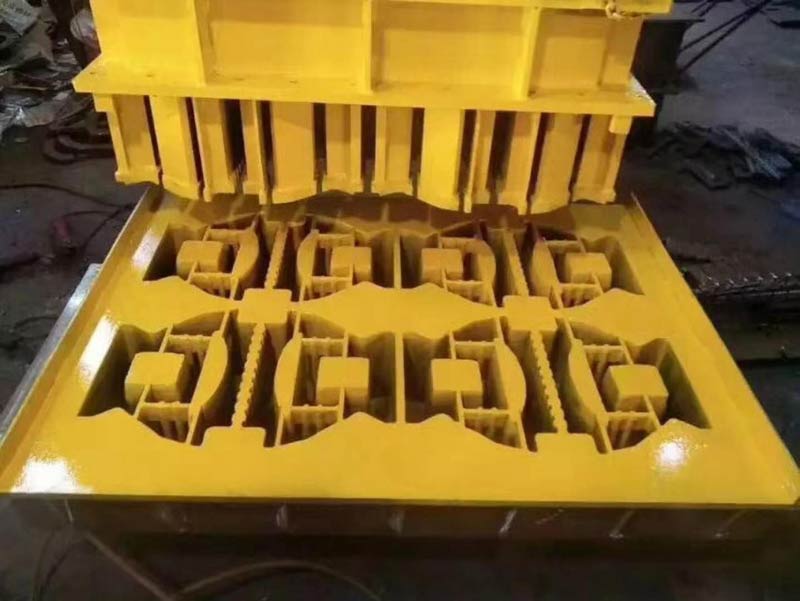
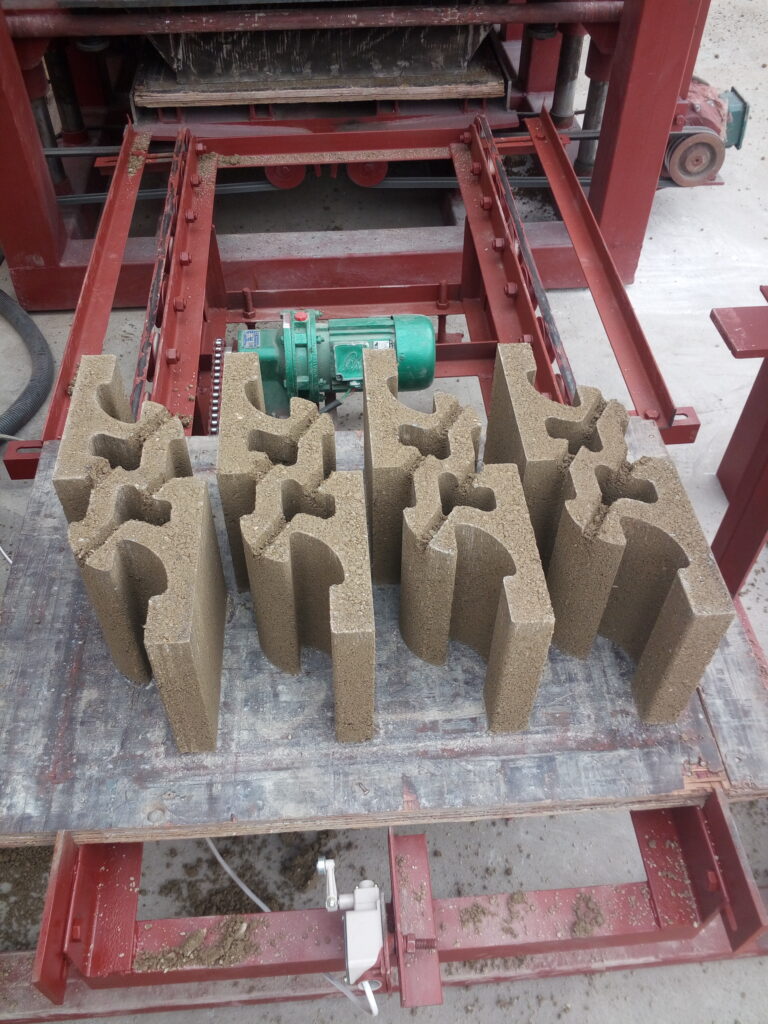
- ईंट प्रकार की बहुमुखी प्रतिभाबाजारों में पसंदीदा इंटरलॉकिंग ईंट डिजाइन अलग-अलग होते हैं—मूल आयताकार पेवर्स से लेकर जटिल पारगम्य या सजावटी ईंटों तक। मॉड्यूलर मोल्ड सिस्टम वाली मशीनें, जो आकारों, आकृतियों और इंटरलॉकिंग पैटर्न के बीच त्वरित परिवर्तन (15-30 मिनट) का समर्थन करती हैं, अधिक बाजार योग्य होती हैं। उदाहरण के लिए, एक ऐसी मशीन जो भार-वहन करने वाली दीवार ईंटें (200x100x60 मिमी) और लैंडस्केपिंग पेवर्स (250x250x80 मिमी) दोनों का उत्पादन कर सकती है, व्यापक ग्राहक आधार को आकर्षित करती है।
- कच्चा माल संगततास्थानीय कच्चे माल की उपलब्धता एक निर्णायक कारक है। क्षेत्रीय रूप से प्रचुर मात्रा में उपलब्ध सामग्रियों (जैसे, कोयला उत्पादक क्षेत्रों में फ्लाई ऐश, खदान वाले क्षेत्रों में कुचला हुआ पत्थर, या शहरी केंद्रों में पुनर्नवीनीकरण निर्माण कचरा) को संसाधित करने के लिए डिज़ाइन किए गए मशीनें अंतिम उपयोगकर्ता की लागत और पर्यावरणीय प्रभाव को कम करती हैं। सुनिश्चित करें कि मशीन की संघनन प्रणाली और साँचा डिज़ाइन स्थानीय इनपुट के कण आकार, नमी सामग्री और बंधन गुणों को संभाल सकते हैं।
- शक्ति स्रोत अनुकूलनशीलताविद्युत मशीनें विश्वसनीय ग्रिड पहुंच वाले बाजारों के लिए आदर्श हैं, जबकि डीजल-चालित मॉडल दूरदराज के इलाकों या बार-बार बिजली कटौती वाले क्षेत्रों के लिए उपयुक्त हैं। कुछ आधुनिक मशीनें दोहरी-शक्ति विकल्प प्रदान करती हैं, जो असंगत ऊर्जा बुनियादी ढांचे वाले बाजारों में अत्यधिक मूल्यवान लचीलापन प्रदान करती हैं। उभरती अर्थव्यवस्थाओं में काम करने वाले वितरकों के लिए, यह अनुकूलन एक प्रमुख अंतरकारक हो सकता है।
2.1.2 निर्माण गुणवत्ता और टिकाऊपन का मूल्यांकन
The longevity and reliability of a machine directly impact customer satisfaction and your reputation as a distributor. A poorly built machine leads to frequent breakdowns, costly repairs, and lost sales—making build quality a non-negotiable factor. When assessing durability:
- Component Materials: Inspect the frame (high-tensile steel is preferred), mold (tool steel or hardened cast iron), and compaction system (hydraulic cylinders with chrome plating, sealed bearings) for quality. Avoid machines with low-grade steel or plastic components in high-stress areas, as these are prone to deformation or wear.
- Manufacturing Standards: Ensure the machine complies with international quality standards (e.g., ISO 9001 for manufacturing, CE for safety, ASTM for performance). Certifications indicate that the machine has undergone rigorous testing for structural integrity, safety, and consistency.
- Wear Resistance: Key components like molds, compaction plates, and feeding system parts should be replaceable and designed for long life. Ask manufacturers for wear rate data—e.g., mold lifespan (ideally 80,000+ cycles for tool steel) or compaction plate replacement intervals. Machines with easily accessible wear parts reduce maintenance downtime for end-users.
- Vibration and Stress Testing: Reputable manufacturers subject machines to vibration testing (50-100 Hz) and stress analysis to ensure they can withstand continuous operation. Request test reports or customer references to verify performance in real-world conditions.
2.1.3 Assessing Operational Costs and ROI
For purchasers, the total cost of ownership (TCO) is more important than the initial purchase price. Distributors who can demonstrate a machine’s cost-saving potential will attract more customers. Key factors influencing TCO include:
- Energy Efficiency: Machines with IE3/IE4 motors, variable frequency drives (VFDs), or hydraulic systems with energy recovery technology reduce electricity or fuel consumption by 15-25%. Calculate operational energy costs based on local utility rates to show end-users how much they can save annually.
- Maintenance Requirements: Low-maintenance designs (e.g., self-lubricating components, sealed hydraulic systems, easy-to-clean molds) reduce labor and part replacement costs. Ask manufacturers for a maintenance schedule and estimated annual maintenance expenses—ideally, these should be less than 5% of the machine’s purchase price.
- Labor Costs: Automated or semi-automated machines reduce the number of operators needed. For example, a fully automated machine can be run by 1-2 operators, compared to 3-4 for manual models. In markets with high labor costs (e.g., Europe, North America), this is a major selling point; in labor-abundant regions, it still appeals to customers seeking efficiency.
- ROI Calculation: Help purchasers estimate return on investment by providing a simple formula: ROI = (Annual Savings – Annual Maintenance Costs) / Purchase Price. Most quality machines offer an ROI of 6-18 months, depending on production volume and brick selling price. Distributors should create customized ROI projections for different customer segments to highlight value.
2.1.4 Verifying After-Sales Support and Warranty Terms
After-sales support is a critical factor for purchasers, as downtime due to lack of service can cripple their business. When sourcing machines for sale, ensure the manufacturer or supplier offers comprehensive support:
- Warranty Coverage: A standard warranty should cover 12-24 months for mechanical components and 6-12 months for wear parts (molds, filters). Extended warranties (up to 3 years) can be offered as a value-added service to attract customers.
- Technical Support: 24/7 technical support via phone, email, or video call is essential for resolving operational issues quickly. Some suppliers offer on-site troubleshooting or training for end-users, which is particularly valuable for customers with limited technical expertise.
- Spare Parts Availability: Spare parts (molds, seals, hydraulic oil, filters) should be readily available locally or with a lead time of less than 2 weeks. Delayed spare parts deliveries increase downtime and frustration—distributors may choose to stock critical parts themselves to provide faster service.
- Training Programs: Manufacturers should offer operator and maintenance training, either in-person or via online modules. Well-trained operators maximize machine efficiency and reduce wear, leading to higher customer satisfaction and repeat business.
2.2 Market Positioning and Sales Strategies for Distributors
Once you’ve sourced high-quality interlocking brick machines, the next step is to position them effectively in the market and implement sales strategies that resonate with your target audience. Successful distribution requires understanding customer pain points, highlighting unique value propositions, and leveraging regional market dynamics.
2.2.1 Identifying Target Customer Segments
Interlocking brick machines cater to a diverse range of customers, each with distinct needs and priorities. Distributors should segment their market to tailor messaging and product offerings:
- Small-Scale Contractors/Entrepreneurs: These customers prioritize affordability, portability, and ease of use. They typically operate small workshops or on-site production for residential projects. Position compact, low-cost machines (500-2,000 bph) with simple controls and minimal maintenance requirements. Emphasize quick ROI (6-12 months) and low initial investment.
- Medium-Scale Brick Manufacturers: These customers need machines with 2,000-5,000 bph capacity, versatility in brick types, and energy efficiency. They often supply to commercial projects or local retailers. Highlight modular mold systems, automated features (e.g., feeding, stacking), and cost savings on energy and labor.
- Large-Scale Industrial/Infrastructure Clients: These customers require high-capacity machines (5,000+ bph), advanced automation (PLC controls, IoT integration), and compliance with strict quality standards. They supply to highways, airports, or large housing developments. Emphasize production consistency, durability, and scalability (e.g., ability to add modules for higher output).
- Government/NGO Projects: These customers focus on sustainability, affordability, and local job creation. They often fund low-cost housing, rural infrastructure, or disaster relief projects. Position machines that use recycled materials, are portable, and require minimal training. Highlight compliance with green building standards (e.g., LEED, BREEAM) and social impact (job creation for local communities).
2.2.2 Highlighting Unique Selling Propositions (USPs)
In a crowded market, distributors must differentiate their machines by emphasizing unique features that solve customer problems. Common USPs include:
- Sustainability Features: Machines that use recycled materials, reduce energy consumption, or produce eco-friendly bricks appeal to environmentally conscious customers and government projects. Promote carbon footprint reductions (e.g., 50-70% less CO2 than fired bricks) and waste recycling capabilities.
- Portability and On-Site Production: Compact, lightweight machines (1,000-2,000 kg) that can be transported via pickup truck enable on-site brick production, reducing transportation costs for end-users. This is particularly valuable for remote projects or regions with poor road infrastructure.
- Smart Technology Integration: IoT-enabled machines with remote monitoring, predictive maintenance alerts, or AI-optimized production parameters appeal to tech-savvy customers and large-scale operations. Highlight features like real-time production tracking, energy usage analytics, and automated fault detection.
- Low Entry Barriers: For small-scale entrepreneurs, machines with flexible financing options (installment plans, leasing) or low initial investment (under $10,000 for basic models) reduce the barrier to entry. Distributors can partner with financial institutions to offer financing, expanding their customer base.
2.2.3 Leveraging Regional Market Dynamics
Market demand for interlocking brick machines varies by region, driven by factors like construction activity, economic growth, raw material availability, and regulatory policies. Distributors must adapt their offerings and strategies to local conditions:
- Emerging Markets (Asia-Pacific, Africa, Latin America): These regions have high demand for affordable, portable machines due to rapid urbanization, infrastructure development, and housing shortages. Focus on diesel-powered or dual-power models, compatibility with local raw materials, and low maintenance requirements. Partner with local contractors or government agencies to secure large orders for housing or road projects.
- Developed Markets (Europe, North America, Australia): These markets prioritize sustainability, automation, and quality. Offer energy-efficient, IoT-enabled machines that produce high-strength, permeable, or decorative bricks. Emphasize compliance with strict environmental regulations (e.g., EU Green Deal, US EPA standards) and green building certifications.
- Regulatory Considerations: Familiarize yourself with local regulations, such as safety standards (e.g., OSHA in the US, CE in Europe), environmental laws (e.g., waste recycling mandates), and import tariffs. Machines that comply with local regulations avoid delays in customs clearance and legal issues for end-users.
- Cultural and Economic Factors: In price-sensitive markets, compete on cost and value; in quality-focused markets, emphasize durability and advanced features. For example, in India or Nigeria, affordability and raw material flexibility are key; in Germany or Canada, sustainability and automation drive purchasing decisions.
2.3 Navigating the Procurement Process: From Supplier Selection to Delivery
The procurement process for interlocking brick machines involves multiple steps, from identifying reliable suppliers to ensuring timely delivery and installation. Distributors and purchasers must navigate each stage carefully to avoid costly mistakes.
2.3.1 Selecting Reliable Suppliers
Choosing the right supplier is critical to securing high-quality machines and reliable support. When evaluating suppliers:
- Manufacturing Experience: Prioritize suppliers with 5+ years of experience in producing interlocking brick machines. Experienced manufacturers have refined their designs, addressed common issues, and built a network for spare parts and support.
- Production Capacity and Lead Times: Ensure the supplier can meet your order volume and delivery timeline. Lead times should be 4-8 weeks for standard machines and 8-12 weeks for customized models. Avoid suppliers with excessively long lead times (over 16 weeks), as this can lead to lost sales.
- Quality Control Processes: Ask suppliers about their quality control (QC) procedures—e.g., incoming material inspections, in-process testing, and final assembly checks. Reputable suppliers will provide QC reports or allow factory visits to verify production standards.
- Customer References: Request references from customers in your target market or region. Speak to distributors or purchasers who have used the supplier’s machines to learn about performance, support, and reliability. Online reviews and industry forums can also provide valuable insights.
- Customization Capabilities: If you need machines tailored to specific market needs (e.g., custom molds, power sources, or capacity), ensure the supplier offers customization services. Ask for examples of past custom projects and verify their ability to meet technical requirements.
2.3.2 Negotiating Favorable Terms
Effective negotiation can reduce costs, improve support, and mitigate risks. Key terms to negotiate include:
- Pricing: Volume discounts are common—suppliers may offer 5-10% off for orders of 5+ machines, 10-15% for 10+ machines. Negotiate based on your projected order volume and long-term partnership potential. Avoid sacrificing quality for lower prices, as this can harm your reputation.
- Payment Terms: Standard payment terms are 30% advance, 50% upon production completion, and 20% upon delivery/installation. Negotiate for flexible terms (e.g., 20% advance, 60% upon shipment, 20% upon acceptance) to reduce upfront risk. For large orders, request a letter of credit (LC) to protect both parties.
- Warranty and Support: Negotiate extended warranties (e.g., 2 years for mechanical components) and additional support services (e.g., free on-site training, discounted spare parts for the first year). Ensure warranty terms are clearly defined—what is covered, how claims are processed, and response times.
- Customization Costs: If you require customizations, negotiate a fixed price for design and production. Avoid open-ended contracts that can lead to cost overruns.
2.3.3 Managing Logistics and Installation
Timely delivery and proper installation are critical to customer satisfaction. Distributors should:
- Logistics Planning: Coordinate with freight forwarders to ensure safe and cost-effective shipping. For international orders, choose between sea freight (cost-effective for large machines) or air freight (faster for urgent orders). Factor in shipping costs, customs duties, and insurance (typically 2-3% of the machine value) when pricing your products.
- Customs Clearance: Ensure all documentation is complete and accurate—commercial invoice, packing list, certificate of origin, and compliance certificates (CE, ISO). Work with a customs broker to navigate import regulations and avoid delays.
- Installation and Commissioning: Arrange for on-site installation and commissioning by the supplier’s technicians or trained local personnel. Installation should include machine assembly, calibration, test runs, and operator training. Ensure the supplier provides a detailed installation manual and certifies that the machine meets performance specifications (e.g., production capacity, brick strength) before handover.
- Post-Delivery Support: Follow up with customers within 1-2 weeks of installation to address any issues. Provide contact information for technical support and spare parts ordering. Proactive support builds trust and encourages repeat business.
2.4 Trends Shaping the Interlocking Brick Machine Market for Sale
The interlocking brick machine market is evolving rapidly, driven by technological advancements, sustainability goals, and changing construction trends. Distributors and purchasers who stay ahead of these trends can capitalize on new opportunities and avoid obsolete inventory.
2.4.1 Rising Demand for Sustainable and Eco-Friendly Machines
Sustainability is no longer a niche trend—it’s a mainstream requirement. Customers are increasingly seeking machines that reduce environmental impact, and governments are implementing policies to promote green construction. Key trends include:
- Recycled Material Integration: Machines designed to process high volumes of recycled materials (e.g., crushed concrete, plastic waste, agricultural byproducts) are in high demand. These machines help end-users reduce raw material costs and comply with waste reduction regulations.
- Energy-Efficient Designs: Machines with solar-powered auxiliary systems (e.g., control panels, lighting), energy recovery hydraulic systems, or low-emission diesel engines appeal to eco-conscious customers. Some manufacturers are developing battery-powered portable machines for zero-emission operation.
- Green Certifications: Machines that produce bricks meeting green building standards (e.g., LEED, BREEAM) are preferred for government and commercial projects. Distributors should highlight these certifications to attract high-value customers.
2.4.2 Automation and Smart Technology Adoption
Automation is transforming the construction equipment industry, and interlocking brick machines are no exception. Smart features improve efficiency, reduce labor costs, and enhance operational visibility:
- Full Automation: Machines with robotic feeding, stacking, and quality control systems are gaining traction in large-scale operations. These machines can run 24/7 with minimal human intervention, increasing production efficiency by 30-40%.
- IoT and Remote Monitoring: IoT-enabled machines allow end-users to monitor production, track maintenance needs, and adjust parameters remotely via smartphones or computers. Predictive maintenance alerts reduce downtime by identifying issues before they cause breakdowns.
- AI Optimization: Advanced machines use artificial intelligence to optimize production parameters (e.g., compaction pressure, feeding volume) based on raw material quality. This improves brick consistency and reduces waste by 8-12%.
2.4.3 Growth in Portable and Small-Scale Machines
The demand for portable, small-scale interlocking brick machines is growing, driven by:
- Rural and Remote Construction: In regions with poor infrastructure, on-site production reduces transportation costs for bricks. Portable machines (1,000-2,000 kg) can be transported to remote sites, making them ideal for rural housing or disaster relief projects.
- Entrepreneurial Opportunities: Small-scale machines (under $10,000) enable individuals to start their own brick-making businesses, creating demand in emerging economies. Distributors can target this segment with affordable, easy-to-operate machines and financing options.
- Urban Infill Projects: In dense urban areas, small-scale on-site production minimizes disruption from material transportation. Compact machines with low noise and dust emissions are preferred for urban construction.
2.4.4 Increased Focus on Customization and Niche Markets
As the market matures, customers are seeking specialized machines to meet unique needs. Key niche trends include:
- Decorative and Aesthetic Bricks: Machines with custom mold designs for decorative bricks (e.g., textured surfaces, unique shapes, colored pavers) are in demand for landscaping and high-end residential projects.
- Permeable Bricks: With increasing focus on stormwater management, machines that produce permeable interlocking bricks (for driveways, sidewalks, and parking lots) are growing in popularity. These bricks reduce runoff and comply with environmental regulations.
- High-Strength Bricks: For infrastructure projects (e.g., highways, bridges, industrial floors), machines that produce high-strength bricks (15-20 MPa) are essential. Distributors serving the infrastructure sector should prioritize machines with high compaction pressure (80-100 MPa) and durable molds.
3. Conclusion
Sourcing and selling interlocking brick machines for sale is a strategic endeavor that requires a deep understanding of technical specifications, market dynamics, and customer needs. For distributors, distributors, and purchasers, success lies in aligning machine capabilities with market demand, prioritizing quality and reliability, and leveraging trends like sustainability and automation. By carefully evaluating suppliers, negotiating favorable terms, and adapting to regional market conditions, you can position yourself for long-term growth in the global construction equipment sector.
A well-chosen interlocking brick machine is more than a product—it’s a solution that helps end-users reduce costs, improve efficiency, and meet sustainability goals. Distributors who focus on value, support, and market relevance will build loyal customer bases and gain a competitive edge. Purchasers who prioritize quality, operational costs, and ROI will make investments that drive profitability and business expansion.
As the construction industry continues to evolve, the demand for high-quality, innovative interlocking brick machines will remain strong. By staying informed about market trends, technical advancements, and customer needs, you can navigate the procurement process with confidence and capitalize on the opportunities presented by this dynamic market.
4. FAQ
4.1 What is the average price range for interlocking brick machines for sale?
Prices vary based on capacity, features, and customization. Small-scale portable machines (500-2,000 bph) range from $5,000 to $15,000; medium-scale machines (2,000-5,000 bph) cost $15,000 to $40,000; large-scale industrial machines (5,000+ bph) range from $40,000 to $150,000+. Customized machines (e.g., special molds, automation, or power sources) may cost 10-30% more. Volume discounts can reduce per-unit costs by 5-15% for orders of 5+ machines.
4.2 How long does it take to receive an order after placing it?
Lead times depend on the supplier, machine type, and customization. Standard machines (no customizations) have lead times of 4-8 weeks; customized machines (e.g., custom molds, power sources) take 8-12 weeks. Shipping time adds 2-6 weeks for international orders (sea freight) or 3-7 days for air freight. For urgent orders, some suppliers offer expedited production (2-4 weeks) for a 10-20% premium.
4.3 What type of training is provided with the machine?
Most suppliers offer operator and maintenance training, either on-site or via online modules. On-site training (typically 1-2 days) includes machine assembly, operation, calibration, basic troubleshooting, and maintenance. Online training (videos, manuals, webinars) is available for remote customers. Some suppliers offer advanced training for automated or IoT-enabled machines, covering software operation and data analysis.
4.4 Can I get custom molds for specific brick designs?
Yes, most suppliers offer custom mold design and production. Custom molds are available for unique sizes, shapes, interlocking patterns, or decorative features (e.g., textures, logos). The cost of custom molds ranges from $500 to $3,000 per set, depending on complexity and material (tool steel vs. cast iron). Lead times for custom molds are 2-4 weeks, and they are typically compatible with the supplier’s modular mold systems.
4.5 What is the typical warranty for interlocking brick machines?
Standard warranties cover 12-24 months for mechanical components (frame, motor, hydraulic system) and 6-12 months for wear parts (molds, filters, seals). Extended warranties (up to 3 years) can be purchased for an additional 5-10% of the machine price. Warranty coverage includes parts replacement and technical support; it does not cover damage from misuse, improper maintenance, or natural disasters.
4.6 How do I ensure the machine complies with local regulations?
Before purchasing, verify that the machine meets local safety (e.g., CE, OSHA), environmental (e.g., EPA, EU EMC), and quality (e.g., ISO, ASTM) standards. Ask the supplier for compliance certificates and test reports. Work with a local customs broker or regulatory consultant to ensure the machine meets import requirements (e.g., voltage, emissions, labeling). In some regions, you may need to obtain local certification (e.g., BIS in India, SONCAP in Nigeria) before selling the machine.
4.7 What spare parts should I stock as a distributor?
Stock critical spare parts with high wear rates to minimize customer downtime. Essential parts include: molds (1-2 extra sets), compaction plates, hydraulic seals and hoses, filters (air, oil, fuel), bearings, and electrical components (motors, switches). For every 5-10 machines sold, stock 1 set of common spare parts. Consult the supplier’s maintenance manual for recommended spare parts and replacement intervals.
4.8 How can I market interlocking brick machines effectively to my target audience?
Tailor your marketing strategy to your target segment:
- Small-Scale Entrepreneurs: Use social media (Facebook, WhatsApp) and local trade shows to promote affordability, ease of use, and quick ROI. Offer financing options and free demos.
- Medium-Scale Manufacturers: Attend industry exhibitions (e.g., Bauma, CONEXPO) and publish case studies highlighting efficiency and cost savings. Partner with local construction associations for referrals.
- Large-Scale Clients: Create technical brochures and whitepapers emphasizing automation, sustainability, and compliance. Offer factory visits and customized ROI projections.
- Government/NGO Projects: Highlight sustainability, job creation, and affordability. Bid on government tenders and partner with NGOs working on housing or infrastructure projects.