वर्तमान विनिर्माण परिदृश्य और क्षेत्रीय विविधताएँ
भारत की ईंट उत्पादन क्षेत्र एक द्वैत संरचना प्रदर्शित करता है, जिसमें पारंपरिक असंगठित क्षेत्र और एक उभरता हुआ संगठित खंड शामिल है। असंगठित क्षेत्र, जहाँ छोटे पैमाने के मौसमी निर्माता हाथ से या अर्ध-स्वचालित मशीनों और क्लैंप भट्टों का उपयोग करते हैं, अभी भी उत्पादन का एक महत्वपूर्ण हिस्सा है, विशेष रूप से ग्रामीण और अर्ध-शहरी क्षेत्रों में। हालाँकि, बढ़ते पर्यावरणीय नियम, श्रमिकों की कमी और गुणवत्ता जागरूकता समेकन और मशीनीकरण को बढ़ावा दे रहे हैं। संगठित क्षेत्र, जो पूर्ण स्वचालित मशीनों और आधुनिक सुरंग भट्टों का उपयोग करता है, कॉर्पोरेट बिल्डरों, बुनियादी ढाँचा परियोजनाओं और निर्यात-उन्मुख निर्माण की गुणवत्ता और मात्रा की माँगों को पूरा करने के लिए तेजी से विस्तार कर रहा है। क्षेत्रीय विविधताएँ स्पष्ट हैं: पंजाब और हरियाणा जैसे उत्तरी राज्य ताप विद्युत संयंत्रों की निकटता के कारण फ्लाई ऐश ईंट मशीनरी के उच्च अपनाव को दर्शाते हैं; दक्षिणी राज्य उच्च स्वचालन अपनाव के साथ मजबूत गुणवत्ता फोकस प्रदर्शित करते हैं; पूर्वी क्षेत्र मजबूत पारंपरिक प्रथाओं को बनाए रखते हैं लेकिन धीरे-धीरे आधुनिकीकरण का अनुभव कर रहे हैं। इन भौगोलिक बारीकियों को समझना प्रभावी बाजार विभाजन और संसाधन आवंटन के लिए महत्वपूर्ण है।
प्रमुख बाजार चालक और विकास संकेतक
भारत भर में ईंट बनाने की मशीनरी के लिए मांग पैटर्न को कई शक्तिशाली ताकतें नया रूप दे रही हैं:
- अवसंरचना विकास गति:स्मार्ट सिटीज मिशन, सबके लिए आवास और बड़े राजमार्ग निर्माण परियोजनाओं सहित सरकारी पहलें मानकीकृत, उच्च गुणवत्ता वाली ईंटों की निरंतर मांग पैदा कर रही हैं। इन परियोजनाओं के लिए सुसंगत सामग्री गुणवत्ता और विश्वसनीय आपूर्ति मात्रा की आवश्यकता होती है, जिसकी गारंटी केवल मशीनीकृत उत्पादन इकाइयाँ ही दे सकती हैं। इससे उन्नत ईंट मशीनरी के लिए स्वाभाविक बाजार बन रहे हैं।
- पर्यावरणीय नियम और अनुपालन दबाव:सख्त पर्यावरणीय मानदंडों का कार्यान्वयन, विशेष रूप से पारंपरिक भट्टों से होने वाले वायु प्रदूषण और मिट्टी की ईंटों के लिए मिट्टी के निष्कर्षण को नियंत्रित करने वाले नियम, मूल रूप से उद्योग को बदल रहे हैं। यह नियामक दबाव फ्लाई ऐश ईंट तकनीक की ओर बदलाव को तेज कर रहा है और उत्सर्जन मानकों का पालन करने वाली स्वच्छ, अधिक कुशल उत्पादन तकनीकों में निवेश को प्रोत्साहित कर रहा है।
- शहरीकरण और रियल एस्टेट विकास:तेजी से शहरी विस्तार और संगठित रियल एस्टेट विकास निर्माण सामग्री की उच्च गुणवत्ता की मांग को बढ़ा रहे हैं। निर्माणकर्ता तेज निर्माण समय और बेहतर परिष्करण गुणवत्ता चाहते हैं, इसलिए वे मशीन से बनी, आयामी रूप से सटीक ईंटों का तेजी से उपयोग कर रहे हैं, जिससे उन्हें बनाने वाले उपकरणों की मांग भी बढ़ रही है।
- श्रम उपलब्धता और लागत अर्थशास्त्र:पारंपरिक ईंट उत्पादन के लिए शारीरिक श्रम की घटती उपलब्धता, और बढ़ती मजदूरी दरों के साथ, यंत्रीकृत समाधान आर्थिक रूप से तेजी से व्यवहार्य होते जा रहे हैं। स्वचालन के लिए व्यावसायिक मामला हर साल मजबूत होता जा रहा है, क्योंकि श्रम लागत बढ़ रही है और घरेलू विनिर्माण के माध्यम से मशीनों की कीमतें सस्ती होती जा रही हैं।
प्रौद्योगिकी स्पेक्ट्रम और उत्पाद पोर्टफोलियो रणनीति
मशीनरी श्रेणियाँ और अनुप्रयोग संरेखण
भारतीय बाजार ईंट निर्माण तकनीकों की एक विविध श्रृंखला का समर्थन करता है, जिनमें से प्रत्येक अलग-अलग ग्राहक वर्गों और उत्पादन आवश्यकताओं की पूर्ति करता है।
- मैनुअल और सेमी-ऑटोमैटिक प्रेस:ये एंट्री-लेवल मशीनें, जिनमें अंडे देने वाली और टेबल वाइब्रेटर शामिल हैं, सीमित पूंजी वाले सूक्ष्म उद्यमों और ग्रामीण उद्यमियों के लिए प्रासंगिक बनी हुई हैं। हालांकि ये कम उत्पादन (प्रतिदिन 500-2,000 ईंटें) प्रदान करती हैं और महत्वपूर्ण शारीरिक श्रम की मांग करती हैं, फिर भी ये मशीनीकृत उत्पादन में एक सुलभ प्रवेश बिंदु प्रदान करती हैं। इन इकाइयों की सफल वितरण के लिए पिरामिड के निचले स्तर के ग्राहकों तक पहुंचने के लिए व्यापक डीलर नेटवर्क और वित्तीय सहायता की आवश्यकता होती है।
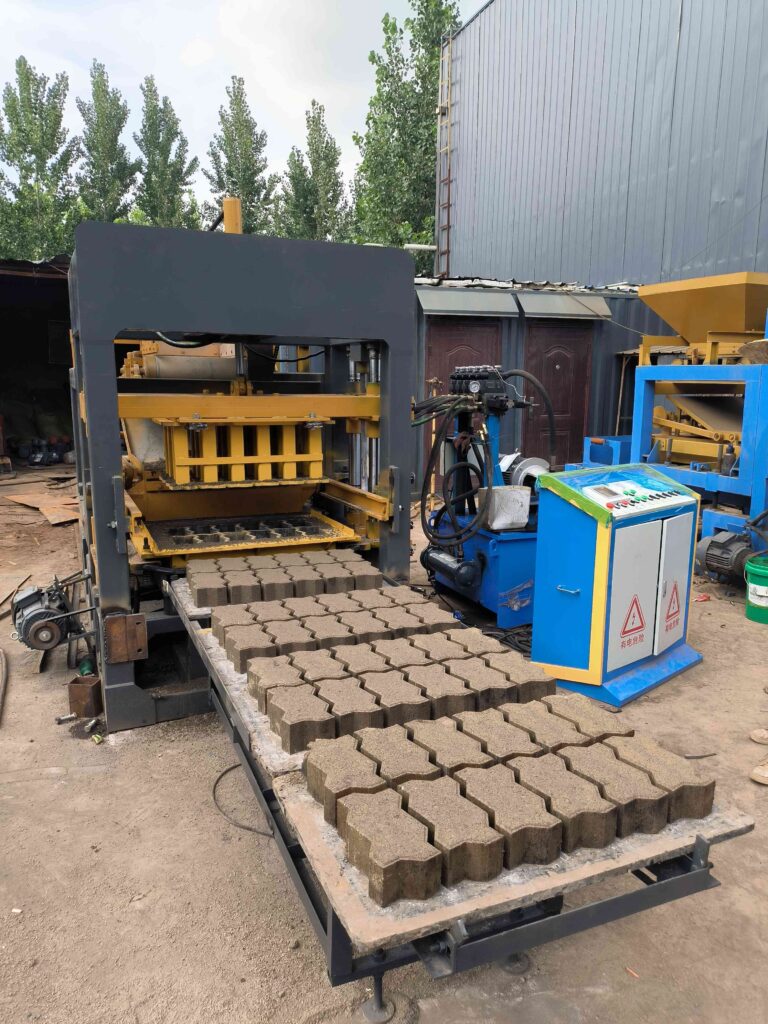
- पूर्ण स्वचयल स्थिर मशीनें:यह श्रेणी मध्यम बाजार के विस्तार को लक्षित करने वाले मशीनरी आपूर्तिकर्ताओं के लिए विकास इंजन का प्रतिनिधित्व करती है। ये प्रणालियाँ सामग्री हैंडलिंग, मिश्रण और स्वचालित प्रेसिंग को एकीकृत करती हैं, जिनकी उत्पादन क्षमता 8 घंटे की शिफ्ट में 6,000 से 20,000 ईंटों के बीच होती है। ये आम तौर पर स्थापित ईंट निर्माताओं, जो अपने संचालन का विस्तार कर रहे हैं, और नए उद्यमियों, जिनके पास मजबूत पूंजी समर्थन है, की सेवा करती हैं। मूल्य प्रस्ताव श्रम में कमी, गुणवत्ता की स्थिरता और विश्वसनीय बड़े पैमाने पर उत्पादन पर केंद्रित है।
- मोबाइल उत्पादन संयंत्र और उच्च क्षमता वाली प्रणालियाँ:बड़े पैमाने के औद्योगिक ग्राहकों और बुनियादी ढांचा ठेकेदारों के लिए, मोबाइल ईंट निर्माण संयंत्र जो प्रमुख परियोजना स्थलों पर तैनात किए जा सकते हैं, महत्वपूर्ण लॉजिस्टिक लाभ प्रदान करते हैं। इसी तरह, स्वचालित हैंडलिंग, क्यूरिंग और पैलेटाइजिंग सिस्टम से लैस पूरी तरह से एकीकृत स्थिर संयंत्र, राष्ट्रीय निर्माण कंपनियों और निर्यात बाजारों को आपूर्ति करने वाले निर्माताओं की सेवा करते हैं। इन उच्च-स्तरीय समाधानों के लिए परिष्कृत तकनीकी सहायता और बड़े निवेश सीमा की आवश्यकता होती है।
उभरती प्रौद्योगिकी रुझान और बाजार के अंतराल
भारत में ईंट मशीनरी का तकनीकी विकास वैश्विक प्रवृत्तियों और स्थानीय अनुकूलन दोनों को दर्शाता है:
- कच्चे माल की लचीलापन और अनुकूलन:सफल उपकरण डिजाइन पारंपरिक मिट्टी से परे, फ्लाई ऐश, निर्माण मलबे और औद्योगिक उप-उत्पादों सहित विविध कच्चे माल के इनपुट को तेजी से समायोजित कर रहे हैं। ऐसी मशीनें जो न्यूनतम समायोजन डाउनटाइम के साथ परिवर्तनशील सामग्री संरचनाओं को संसाधित कर सकती हैं, संसाधन-सीमित वातावरण में प्रतिस्पर्धात्मक लाभ रखती हैं।
- ऊर्जा दक्षता और संकर शक्ति विकल्प: With electricity costs and reliability varying significantly across regions, machinery incorporating energy-saving features like variable frequency drives and optional hybrid power systems (grid power with generator backup) address critical customer pain points.
- Digital Integration and Remote Monitoring: While still emergent, features enabling production data tracking, remote diagnostics, and predictive maintenance are beginning to differentiate premium equipment offerings, particularly for corporate customers with multiple production facilities.
- After-Sales Service Innovation: Given India’s geographic spread and infrastructure challenges, suppliers who develop innovative service delivery models—including mobile service vans, regional spare parts hubs, and augmented reality-assisted remote support—can establish significant competitive barriers.
Strategic Market Entry and Expansion Framework
Distribution Channel Development and Management
Building effective routes to market is arguably the most critical success factor for machinery suppliers in India:
- Dealer Network Development: A phased approach to distributor recruitment—starting with regional leaders in high-potential states before expanding to secondary markets—allows for focused support and relationship building. Selection criteria should emphasize technical capability, financial strength, and market reputation over mere geographical coverage.
- Hybrid Sales Approaches: Combining direct sales for large corporate accounts and infrastructure projects with dealer networks for serving small and medium enterprises provides market breadth while maintaining focus on high-value opportunities. This requires clear account demarcation and lead management protocols to prevent channel conflict.
- Financing Partnerships and Purchase Facilitation: Given the capital-intensive nature of brick machinery, developing relationships with financial institutions for equipment financing significantly enhances market penetration. Suppliers who can facilitate credit access through tie-ups with banks and non-banking financial companies gain distinct advantage, particularly when serving first-time entrepreneurs.
Competitive Positioning and Value Proposition Development
Success in India’s crowded machinery market requires clear differentiation beyond price:
- Product Localization and Application Engineering: Equipment designed specifically for Indian operating conditions—accounting for material variations, power supply fluctuations, and operator skill levels—outperforms globally standardized products. Features like dust protection, voltage stabilization, and simplified maintenance access provide tangible value.
- Total Cost of Ownership Emphasis: Shifting customer conversations from initial purchase price to lifetime operating costs—factoring in energy consumption, wear part longevity, maintenance requirements, and production yield—helps justify premium positions for higher-quality equipment.
- Training and Knowledge Services: Offering comprehensive operator training, production optimization consulting, and business management guidance creates stickier customer relationships and reduces failure rates that damage brand reputation.
- Sustainability Alignment: Positioning equipment as enabling compliance with environmental regulations, resource conservation through use of industrial by-products, and improved working conditions resonates with both regulatory trends and evolving corporate responsibility expectations.
निष्कर्ष
The Indian brick making machinery market presents a complex but exceptionally rewarding opportunity for suppliers who approach it with strategic patience, cultural understanding, and long-term commitment. The ongoing transition from informal to organized production, coupled with massive infrastructure investment and regulatory transformation, creates ideal conditions for growth. Success requires a balanced portfolio addressing multiple customer segments, from first-time entrepreneurs to industrial-scale producers. More importantly, it demands business models that combine equipment supply with comprehensive support ecosystems encompassing financing, training, and operational guidance. Suppliers who can master these dimensions while maintaining flexibility to adapt to India’s diverse regional markets will be positioned to capture significant value as the industry continues its modernization journey. The time for strategic investment and focused market development is now, as the foundations for the next decade of industry leadership are being laid.
अक्सर पूछे जाने वाले प्रश्न (एफएक्यू)
Q1: What are the key regulatory compliance requirements for brick machinery in India?
ए: Compliance requirements vary by state but generally include pollution control board certifications for emissions, Bureau of Indian Standards (BIS) certification for machine safety and performance, and adherence to specific regulations governing fly ash utilization. For bricks themselves, BIS quality standards apply, particularly for supplies to government projects. Environmental compliance related to air and water pollution is increasingly enforced across states.
Q2: How does the financing landscape for brick machinery purchases operate in India?
ए: Multiple financing options exist, including traditional bank loans (often requiring substantial collateral), specialized equipment financing from NBFCs (typically with faster processing but higher interest rates), and manufacturer-backed financing programs. Government schemes like Credit Linked Capital Subsidy Scheme for technology upgradation may also be accessible. Financing tenure typically ranges from 3-5 years with 20-30% margin money requirements.
Q3: What is the typical production capacity range for brick machinery across different price segments?
ए: Entry-level manual machines (₹1-3 lakhs) produce 500-2,000 bricks per day; semi-automatic models (₹3-8 lakhs) yield 2,000-6,000 bricks daily; fully automatic stationary machines (₹8-25 lakhs) generate 6,000-20,000 bricks per shift; and high-capacity plants (₹25 lakhs+) can exceed 30,000 bricks daily. Actual output varies based on product type, raw materials, and operational efficiency.
Q4: What after-sales service expectations do Indian customers typically have?
ए: Indian brick manufacturers expect responsive service with typical response time expectations of 24-48 hours, availability of critical spare parts within their region, comprehensive operator training in local languages, and troubleshooting support via phone/WhatsApp. Service contracts with guaranteed response times are increasingly common for premium equipment segments. The ability to provide quick, effective technical support significantly influences purchase decisions and brand reputation.
Q5: How significant is the fly ash brick segment compared to traditional clay brick production?
ए: The fly ash brick segment is growing at approximately 15-20% annually compared to 3-5% for traditional clay bricks, driven by environmental regulations favoring utilization of industrial waste, lower production costs, and superior technical properties like consistent dimensions and higher compressive strength. While clay bricks still dominate volume terms, fly ash technology represents the growth frontier and increasingly attracts entrepreneurial investment and regulatory support.