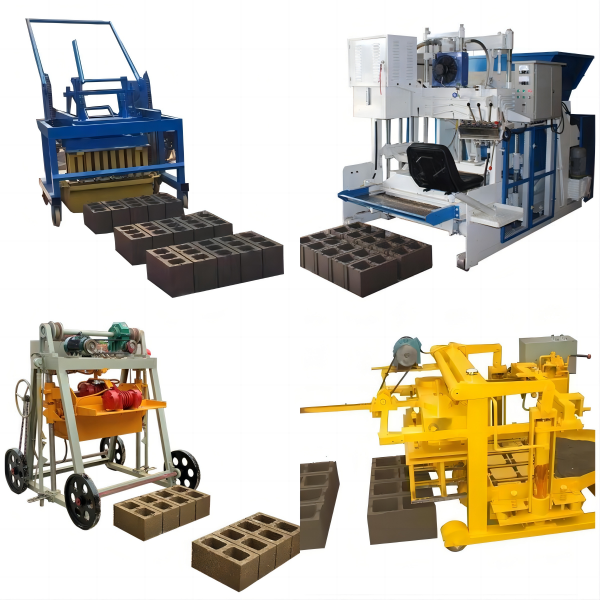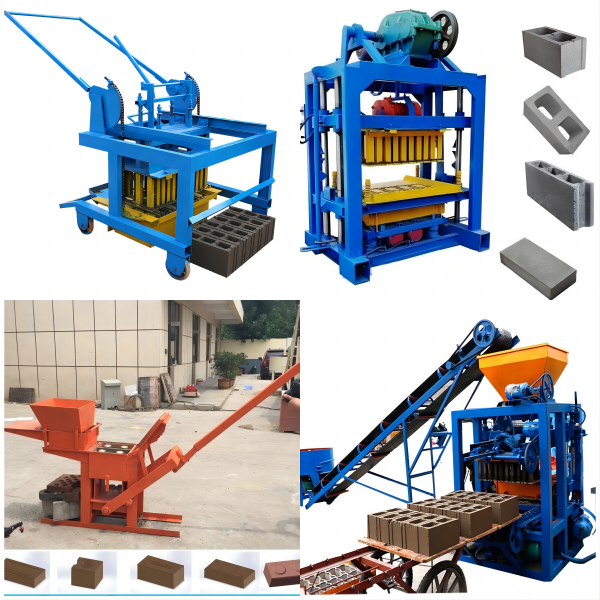
छोटी ईंट बनाने वाली मशीनों की व्यापक मार्गदर्शिका
1. उत्पाद श्रेणी और उसके मूल तंत्रों को समझना
छोटी ईंट बनाने की मशीनें कॉम्पैक्ट, अक्सर मोबाइल या अर्ध-स्थिर इकाइयाँ होती हैं, जो ठोस, खोखली और इंटरलॉकिंग ईंटों के साथ-साथ अन्य कंक्रीट-आधारित उत्पादों के निर्माण के लिए डिज़ाइन की गई हैं। अपने बड़े पैमाने पर पूरी तरह से स्वचालित औद्योगिक समकक्षों के विपरीत, ये मशीनें उत्पादन की गुणवत्ता से समझौता किए बिना लचीलापन, सामर्थ्य और संचालन में आसानी को प्राथमिकता देती हैं।
1.1. प्राथमिक परिचालन सिद्धांत:
अधिकांश छोटे पैमाने की मशीनें तीन मूलभूत सिद्धांतों में से किसी एक पर काम करती हैं:
- कंपन और संपीड़न:यह सबसे आम तंत्र है। सीमेंट, रेत और एग्रीगेट का मिश्रण एक साँचे में डाला जाता है। उच्च-आवृत्ति वाला कंपन, जो अक्सर यांत्रिक या हाइड्रोलिक दबाव के साथ जुड़ा होता है, मिश्रण को संकुचित करता है, हवा के जेबों को हटाता है और एक सघन, मजबूत अंतिम उत्पाद सुनिश्चित करता है। दबाव का स्तर सीधे ईंट की संपीड़न शक्ति से संबंधित होता है।
- एक्सट्रूज़न In this process, the semi-dry concrete mix is forced through a die to create a continuous column of material, which is then wire-cut to the desired brick size. This method is less common in very small machines but is efficient for producing solid bricks.
- हाइड्रोलिक प्रेसिंग: Utilizing hydraulic power, these machines apply immense, controlled pressure to the raw materials within a mold. This method produces very high-strength, precision bricks and is known for its consistency and lower noise levels during operation.
2. A Detailed Typology of Available Machines
To effectively cater to different market segments, it is crucial to understand the various types of machines available.
2.1. By Operation Mode:
- मैन्युअल ईंट बनाने की मशीनें: These are the most basic and economical entry points. They require significant human labor for mixing, feeding, and operating the lever or mechanism that compacts the bricks. They are suitable for very small-scale projects, community initiatives, or markets with extremely low labor costs. Their primary advantage is their low initial investment.
- अर्ध-स्वचालित ईंट निर्माण मशीनें: This category strikes an optimal balance between cost and productivity. These machines typically feature an electric motor to drive the vibration and compaction process. While operators are still needed to feed raw materials and remove finished products, the core forming process is mechanized. This significantly increases output and improves consistency, making it the most popular category for SMEs.
- Fully Automatic Small Brick Making Machines: At the higher end of the “small” spectrum, these units integrate a mixer, conveyor, and block-making system into a single, coordinated production line. They require minimal human intervention, primarily for monitoring and raw material loading. They offer the highest output and quality control in their class and are ideal for entrepreneurs aiming for a substantial production business.
2.2. By Production Output:
- Entry-Level Models (100-500 bricks per 8-hour shift): Ideal for individual homeowners, very small contractors, or pilot projects.
- Mid-Range Models (500-2,000 bricks per 8-hour shift): This is the sweet spot for most small businesses and construction companies serving local housing projects.
- High-Capacity Small Models (2,000-5,000+ bricks per 8-hour shift): These are robust machines suitable for established block yards and businesses supplying multiple construction sites.
3. The Compelling Value Proposition: Why This Market is Booming
The business case for distributing small brick making machines is built on powerful economic and practical drivers that resonate with end-users.
3.1. Economic Advantages for the End-User:
- Low Capital Investment: Compared to large industrial plants, the initial cost of a small brick making machine is accessible, opening the door for a wider range of entrepreneurs.
- Reduced Production Costs: On-site production eliminates transportation costs, which can constitute a major portion of brick expenses. Users can also source local raw materials, further reducing input costs.
- High Return on Investment (ROI): Due to the low operational cost and consistent demand for building materials, a well-managed brick production unit can often recoup its initial investment within a surprisingly short timeframe, sometimes as little as 6 to 12 months.
- रोज़गार सृजन: Each machine facilitates the creation of several direct and indirect jobs, from operators to transporters and sales personnel, a factor that can be leveraged in marketing.
3.2. Operational and Logistical Flexibility:
- ऑन-साइट उत्पादन: Bricks can be made exactly where they are needed, minimizing handling, breakage, and logistical complexities.
- अनुकूलन क्षमता: End-users can produce bricks in various sizes, shapes, colors, and even strengths to meet specific project requirements or architectural designs, a level of customization unavailable with mass-produced bricks.
- Utilization of Local Materials: Many machines are designed to work with locally available soil, sand, and even certain industrial by-products like fly ash, promoting sustainable practices and further cutting costs.
3.3. Contributing to Sustainable Development:
- Reduced Carbon Footprint: Localized production drastically cuts down on the fuel emissions associated with long-distance transportation of bricks.
- Potential for Eco-Friendly Products: Many entrepreneurs use these machines to produce compressed stabilized earth blocks (CSEBs) or fly ash bricks, which have a lower cement content and are considered more environmentally friendly than traditional fired clay bricks.
4. Critical Technical Specifications for Informed Procurement
When selecting machines to add to your inventory, a deep understanding of technical specifications is non-negotiable.
4.1. Core Performance Metrics:
- साइकिल टाइम: The time taken to produce one brick or one mold of bricks. A shorter cycle time means higher overall productivity.
- Brick Output per Hour/Day: This is the ultimate measure of a machine’s capacity and must be verified under realistic operating conditions.
- Pressure Capacity (for hydraulic models): Measured in kN or MPa, this indicates the compacting force and is a direct determinant of the final brick’s strength.
- Vibration Frequency and Amplitude: The effectiveness of the vibration system is critical for achieving proper compaction and a smooth finish.
4.2. Power Requirements and Machine Build:
- Motor Power (kW): Determines electricity consumption and the machine’s power. Options may include single-phase or three-phase motors to suit different regional electrical infrastructures.
- Construction Quality: The frame should be made of high-strength steel. The mold, a consumable part, should be manufactured from hardened, high-grade steel to ensure longevity and consistent product dimensions.
- स्वचालन का स्तर: Decide on the mix of manual, semi-automatic, and fully automatic models to offer based on your target market’s technical expertise and investment capacity.
5. Strategic Marketing and After-Sales Support: Keys to Success for Distributors
Selling the machine is only the first step; selling a successful business outcome for your client is what builds a lasting reputation.
5.1. Identifying and Targeting Key Customer Segments:
- Small and Medium Construction Companies: They benefit from producing their own materials for projects.
- Aspiring Entrepreneurs: Individuals seeking to start a brick-making business.
- Agricultural Co-operatives: For producing paving slabs for dairy farms or building storage structures.
- Government and NGO Projects: For affordable housing, sanitation, and community development initiatives.
5.2. The Non-Negotiable Importance of After-Sales Service:
- Availability of Spare Parts: Stocking critical spares like molds, vibration motors, and hydraulic seals is essential. Long lead times for parts can severely damage your brand’s credibility.
- Technical Training: Offer comprehensive training for the end-user’s operators on machine use, maintenance, and basic troubleshooting.
- On-Ground Support: Having a network of technicians who can provide installation and repair services is a significant competitive advantage.
Conclusion: Positioning Your Business at the Forefront of a Building Revolution
The small brick making machine is far more than a piece of industrial equipment; it is an engine of local economic development, a tool for sustainable construction, and a gateway to entrepreneurship. For distributors and procurement agents, this product category offers a high-growth, high-value opportunity with a tangible social impact. The market dynamics of urbanization, infrastructure needs, and the drive for cost efficiency are powerful tailwinds that show no sign of abating.
Success in this field requires a strategic approach: a deep technical understanding of the product range, a clear analysis of customer segments, and an unwavering commitment to robust after-sales support. By building a portfolio of reliable, efficient machines and coupling it with exceptional service, your business can become a cornerstone supplier in this vibrant and essential industry, helping to build the future, one brick at a time.
Frequently Asked Questions (FAQ)
Q1: What is the typical range of raw materials that can be used with these machines?
These machines are highly versatile. They can process a standard concrete mix (cement, sand, and aggregate), soil (for stabilized earth blocks), and industrial by-products like fly ash or slag. The specific mix design and required cement ratio will depend on the desired strength of the final product and local material availability.
Q2: How strong are the bricks produced by small-scale machines?
The compressive strength can vary significantly based on the machine type, pressure applied, and raw material mix. Bricks from a good quality hydraulic or vibratory machine can easily achieve strengths between 7 MPa and 15 MPa, which is more than sufficient for one-to-two-story residential construction and most paving applications. Higher strengths are achievable with optimized mixes and higher-pressure machines.
Q3: What kind of space and foundation is required to operate one of these machines?
A semi-automatic machine typically requires a covered area of about 100 to 200 square meters for the machine itself, raw material storage, and a curing area. The machine should be installed on a level, solid concrete floor to ensure stability during the vibration process. Fully automatic lines require more space to accommodate conveyors and ancillary equipment.
Q4: What is the lead time for a customer to become proficient in operating the machine?
For a semi-automatic machine, a basic operator can be trained to achieve competent production within a few days to a week. Mastering mix designs for different products and performing basic maintenance may take a few weeks of hands-on experience. Comprehensive training from the distributor is crucial to accelerate this learning curve.
Q5: Are there significant differences in the operational costs between manual, semi-automatic, and automatic models?
Yes. Manual machines have the lowest upfront cost but the highest ongoing labor cost per brick. Semi-automatic machines have a higher initial investment but a much lower labor cost and higher, more consistent output. Fully automatic machines have the highest capital cost but the lowest per-unit labor cost and the highest overall efficiency. The choice depends on the client’s production volume and budget.
Q6: How critical is the after-sales support, and what should we look for in a supplier?
After-sales support is arguably the most critical factor for long-term success. When evaluating a supplier, prioritize those who offer comprehensive technical documentation, readily available spare parts (especially molds and wear parts), and a clear channel for technical support, whether remotely or through local service technicians. A supplier’s commitment to after-sales service is a direct reflection of their product’s quality and their reliability as a business partner.