
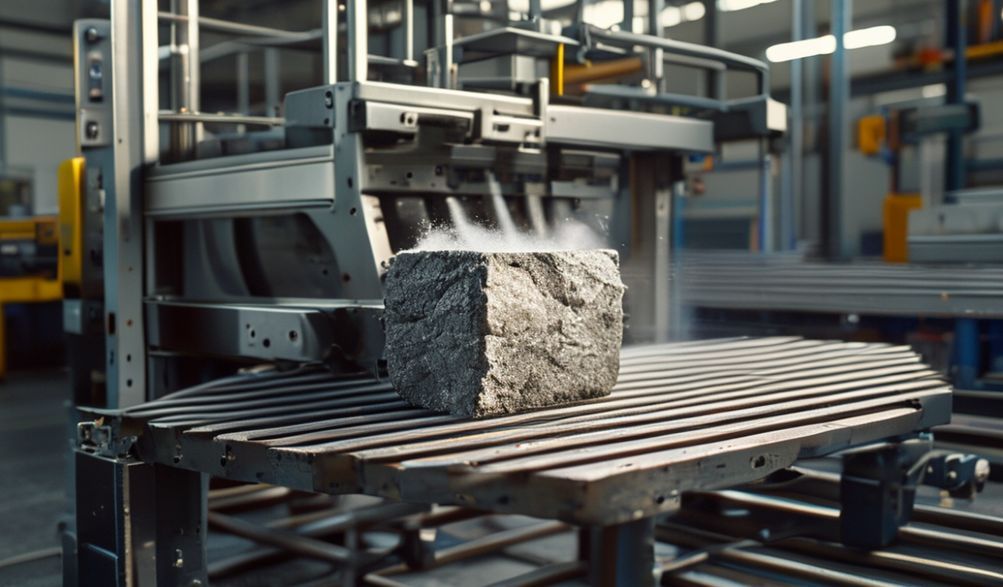
The Ultimate Guide to Block and Brick Making Machines: Types, Costs, and How to Choose
Did you know the global construction block market is in a sustained phase of growth, driven by urbanization and infrastructure development worldwide? Whether you’re a construction entrepreneur looking to vertically integrate, a civil engineer specifying equipment, or managing a large-scale development project, selecting the right block and brick machine is a critical capital decision. This choice directly dictates your productivity, product quality, operational costs, and ultimately, your profitability. This comprehensive guide is designed to cut through the industry jargon and complexity. We’ll leverage decades of collective field experience to dissect everything—from fundamental operating principles and machine typologies to a realistic cost analysis and a step-by-step selection framework. Our goal is to empower you to make an informed, confident, and profitable investment.
Understanding Block and Brick Making Machines: Core Principles
Before comparing models and prices, it’s essential to understand what these machines do and how they achieve it. This foundational knowledge is key to asking the right questions and evaluating options effectively.
What is a Block/Brick Machine? Defining the Technology
At its core, a block or brick making machine is a device that automates and standardizes the production of construction units. It takes raw, often loose materials and transforms them into dense, high-strength, uniformly shaped blocks or bricks through a process of compaction and, often, vibration. This mechanization replaces inconsistent and labor-intensive manual molding, ensuring each unit meets precise dimensional and strength specifications crucial for modern construction.
Eleman Kle ak Jan Yo Fonksyone
While designs vary, most machines share these fundamental components that work in a synchronized cycle:
- Mixer & Hopper: The process starts here. Raw materials (like concrete mix) are blended with water in a mixer and then fed into a hopper, which acts as the holding and feeding chamber for the machine.
- Mold or Dies: This is the heart of product definition. The mold is a precision steel box that gives the block its shape—hollow, solid, interlocking, etc. The quality of the mold determines the precision and finish of the final product.
- Sistèm Konpaksyon: This is the “muscle” of the machine. It applies pressure to the material in the mold. Systems differ:
- Vibrasyon: Common in concrete block machines. High-frequency vibration consolidates the material, removing air pockets.
- Presyon Idwolik: Uses hydraulic rams to apply immense, controlled pressure, often used for high-density products.
- Pwès Mekanik: Uses a lever or flywheel system to apply pressure, common in simpler manual machines.
- Sistèm Kontwòl: Ranges from simple levers on manual machines to sophisticated Programmable Logic Controllers (PLCs) on automatic lines. It governs the sequence and timing of the compaction, molding, and ejection cycles.
- Pallet & Conveyor System: Once formed, the green (uncured) block is ejected onto a pallet. In automated systems, conveyors then transport these pallets to a curing area (like a rack or chamber).
The Basic Workflow: Material is fed from the hopper into the mold → The compaction system (vibration/hydraulic pressure) is activated → The formed block is ejected onto a pallet → The pallet is moved away, and the cycle repeats.
Premye Matyè Premyè Yo Itilize
The machine you need is heavily influenced by the material you plan to use:
- Konkrè: The most common material, using a mix of cement, sand (fine aggregate), and gravel or crushed stone (coarse aggregate). This versatility makes concrete block machines the most widespread type.
- Tè For traditional fired bricks. Clay brick machines typically involve extrusion or pressing of wet clay, followed by a drying and kiln-firing process, which is a separate operation.
- Sann volkanik: An eco-friendly by-product of coal combustion. Fly ash can be mixed with lime, gypsum, and water (in a process called autoclaving) or blended with concrete to create high-strength, lightweight blocks. Machines designed for fly ash often account for its different binding properties.
Types of Block and Brick Making Machines: A Detailed Breakdown
The market offers a spectrum of machines. Choosing the right category is your first major decision point.
By Operation Method: Manual, Semi-Automatic, and Fully Automatic
-
Machin Manyèl:
- Apèsi: Operated entirely by human labor—lever-pulling for compaction and manual mold handling.
- Sòti: Very low (e.g., 200-500 blocks per 8-hour shift).
- Avantaj: Lowest upfront cost, simple to understand and repair, no power requirement for some models.
- Desavantaj: High labor intensity, inconsistent output quality, physically demanding.
- Pi Bon Pou: Micro-enterprises, very small DIY projects, or markets with extremely low labor costs and capital.
-
Machin Semi-Otomatik:
- Apèsi: The “sweet spot.” Key processes like compaction and vibration are powered (electric or diesel), but tasks like feeding raw material, moving pallets, or stacking blocks require operator involvement.
- Sòti: Medium (e.g., 1,000 – 5,000 blocks per 8-hour shift).
- Avantaj: Excellent balance of affordability and productivity, easier to achieve consistent quality than manual, more flexible than full automation.
- Desavantaj: Still requires a small crew, output is limited by human-paced steps.
- Pi Bon Pou: Small to medium-sized enterprises (SMEs), growing block yards, and contractors undertaking specific projects. In our experience, this is the most common and successful entry point for serious businesses.
-
Machin Otomatik Konplè:
- Apèsi: Complete production lines with automated material batching, mixing, molding, curing, and sometimes stacking. Operated via PLC controls with minimal human supervision.
- Sòti: High to very high (e.g., 8,000 – 30,000+ blocks per 8-hour shift).
- Avantaj: Maximum output and consistency, lowest labor cost per block, high efficiency.
- Desavantaj: Very high capital investment, complex maintenance, requires stable power supply and significant space.
- Pi Bon Pou: Large-scale block manufacturing plants, major construction companies producing for their own developments, and high-volume commercial suppliers.
By Production Output: Stationary vs. Mobile Machines
- Plant Estasyonè: These are fixed installations, typically the semi- and fully-automatic lines. They are designed for maximum output in a dedicated factory or yard. They require a significant foundation and are not meant to be moved regularly.
- Machin Mobil: Mounted on a trailer or truck bed, these bring production directly to the construction site. They are almost always semi-automatic. The primary advantage is the massive reduction in transport costs for the finished blocks, making them ideal for large, remote housing projects, road construction camps, or disaster relief housing.
By End Product: Specialized Machines
While many machines are versatile with mold changes, some are optimized for specific products:
- Machin pou Fè Blòk Vid: Designed to produce blocks with cavities. These cavities reduce weight, improve insulation (thermal and acoustic), and make the blocks easier to handle and lay.
- Paving Block/Interlock Brick Machines: These produce high-density, precise units for driveways, walkways, and patios. They often use strong hydraulic pressure or combined vibration and pressure to achieve the required wear resistance.
- Machin pou brik solid: For producing dense, high-compressive strength solid bricks or blocks, often used for heavy-load bearing applications.
- Special Shape Machines: These can produce custom architectural elements like vent blocks, corner blocks, or decorative landscaping units. They may involve unique mold designs and handling systems.
Critical Factors for Choosing the Right Machine
This is where your research meets real-world application. Use this framework to evaluate your options.
Assessing Your Production Needs and Scale
Start by asking yourself these key questions, a process we guide all our clients through:
* What is my realistic daily or weekly production target in number of blocks?
* Is this for a specific project with a defined end date, or for ongoing commercial sales?
* What is the primary block type and size I need to produce? Will I need to switch molds frequently?
* What is my available workforce and their skill level?
* What is my total available budget, including purchase, shipping, installation, and working capital?
Machine Specifications You Must Compare
Don’t just look at the price tag. Scrutinize these technical specs:
- Pressure & Cycle Time: Higher hydraulic pressure (measured in tons or MPa) generally means denser, stronger blocks. Cycle time (seconds per block) directly determines your maximum output. A machine with a 15-second cycle is fundamentally different from one with a 30-second cycle.
- Egzijans Pouvwa: Is it electric (3-phase or single-phase?) or diesel-powered? Electric is cleaner and cheaper to run if grid power is reliable. Diesel offers independence for sites without power but has higher fuel costs and maintenance.
- Mold Versatility & Changeover: How easy is it to change molds? Quick-change systems (using hydraulic clamps vs. multiple bolts) minimize downtime when switching product types, which is crucial for business flexibility.
Quality, Durability, and Brand Reputation
The “sticker price” can be deceptive. Evaluate build quality:
* Steel Grade & Fabrication: Look for robust frames made from structural steel (not light gauge). Welds should be clean, even, and continuous. Poor welding is a major red flag for future cracking.
* Component Branding: Reputable manufacturers use known-brand components for critical parts like hydraulic pumps, valves, motors, and PLCs. This ensures reliability and, crucially, the availability of spare parts.
* Dokimantasyon Teknik: A trustworthy supplier provides clear operation manuals, parts lists, and circuit diagrams. The absence of these documents is a significant warning sign.
Total Cost of Ownership: Beyond the Sticker Price
The purchase price is just the entry fee. The real cost includes:
* Shipping & Installation: Costs can be substantial, especially for heavy machines or exports.
* Foundation & Utilities: You may need a concrete pad and electrical/diesel supply infrastructure.
* Operating Costs: Energy consumption, routine maintenance supplies (grease, filters), and labor.
* The “After-Sales” Factor: This is critical. What is the warranty period? Is there local technical support or must you fly in an engineer? How available and affordable are spare parts? A slightly cheaper machine with no support network can become a very expensive paperweight.
The Business Case: ROI, Applications, and Market Potential
Profitability Analysis and Return on Investment (ROI)
A simplified ROI model helps ground your decision. Let’s consider a semi-automatic machine:
* Machine Cost: $25,000
* Daily Output: 2,000 blocks (1 shift)
* Selling Price per Block: $0.50
* Material Cost per Block: $0.20
* Gross Profit per Block: $0.30
* Daily Gross Profit: 2,000 * $0.30 = $600
* Fixed Daily Costs (Labor, Power, etc.): Estimate $150
* Daily Net Profit: $450
Break-Even Point (in days): $25,000 / $450 ≈ 56 production days. This is a simplified model, but it illustrates the powerful economics behind owning production capacity.
Key Applications in Construction and Beyond
Your machine’s output feeds into numerous sectors:
* Kay pou Abite: The core market for hollow and solid blocks.
* Bati Komèsyal ak Endistriyèl: Often requiring specific strength grades.
* Infrastructure: Retaining walls, boundary walls, and sound barriers.
* Landscaping & Hardscaping: Paving blocks, interlocking bricks, and garden edging.
* Eco-Friendly Construction: Using fly ash or recycled aggregates to produce green building materials.
Navigating Suppliers and Getting Quotes
When engaging suppliers:
* Request a Detailed Specification Sheet, not just a brochure.
* Ask for Video of the actual machine model in operation.
* Demand a List of Local References you can contact.
* Get a Formal Quotation that includes EXW/FOB/CIF pricing, delivery time, warranty terms, and a list of included and excluded items (e.g., are molds included?).
* Drapo Wouj: Vague answers, pressure to pay upfront via non-secure methods, inability to provide technical documents, or prices that seem too good to be true.
Operational Best Practices and Maintenance
Your machine is a productivity asset. Protect it.
Essential Safety Protocols for Operators
- Always wear appropriate Personal Protective Equipment (PPE): safety glasses, steel-toe boots, and gloves.
- Never bypass machine guards or safety interlocks.
- Ensure the machine is completely powered down and hydraulic pressure is released before performing any cleaning or maintenance.
- Establish clear lock-out/tag-out procedures.
Routine Maintenance Checklist
- Daily: Clean excess material from the mold, frame, and conveyor. Check hydraulic oil levels and for leaks. Lubricate all moving points as per the manual.
- Weekly: Inspect mold for wear or damage. Check and tighten all bolts and nuts (vibration loosens them). Inspect hoses and electrical connections.
- Monthly: Change hydraulic oil and filters as specified. Conduct a thorough inspection of wear parts like seals and liners.
Troubleshooting Common Issues
- Poor Block Strength: Usually incorrect mix design (too much water, not enough cement) or insufficient compaction pressure/vibration time.
- Surface Cracks: Can be caused by too dry a mix, excessive vibration, or improper curing (drying too quickly).
- Machine Jamming: Often due to oversized aggregate in the mix, an overfilled mold, or a foreign object in the chamber. Always de-energize the machine before attempting to clear a jam.
FAQ Section
Q: What is the average cost of a block making machine?
A: There is no single “average.” Prices range from $1,000 – $5,000 for a basic manual machine, $10,000 – $60,000 for a semi-automatic workhorse, and can soar to $100,000 – $500,000+ for a fully automatic production line. Your budget must align with your output goals.
Q: Can one machine produce different types of blocks and bricks?
A: Absolutely. This is a key feature. By changing the mold/dies, a single machine can produce hollow blocks, solid blocks, paving bricks, etc. Prioritize machines that allow for relatively quick and simple mold changeovers to maximize your business flexibility.
Q: What is the typical lifespan of a quality block machine?
A: With diligent maintenance and proper operation, a well-built machine from a reputable manufacturer can have a productive lifespan of 10 to 20 years. Critical components like hydraulic cylinders or motors may need refurbishment or replacement during this time, but the core frame should last.
Q: How much space is required to install and operate a machine?
A: Space needs vary dramatically. A small manual machine might need a 10’x10′ area. A semi-automatic system, including space for raw material storage, production, and a 7-14 day curing area for blocks, can easily require 5,000 to 20,000 square feet or more for efficient operation.
Q: Are there eco-friendly options for block production?
A: Yes, and it’s a growing trend. Many machines can utilize sann volan (a industrial by-product) as a primary or partial raw material. Others are designed to work with crushed recycled concrete or other aggregates. This not only reduces environmental impact but can also lower material costs.
Konklizyon
Selecting the ideal block and brick making machine is a strategic decision that blends technical understanding with business acumen. It hinges on a clear assessment of your production scale, a meticulous comparison of specifications and build quality, and a partnership with a credible, supportive supplier. This guide has provided the expert framework and practical insights necessary to navigate that complex landscape. Remember, the goal is not just to buy a machine, but to invest in a reliable engine for growth. By prioritizing durability over mere price, calculating the true total cost of ownership, and committing to rigorous safety and maintenance protocols, your block making machine will serve as a cornerstone of productivity and profitability for the long term. Ready to move forward? Your next step is to crystallize your specific requirements from the insights here and begin detailed consultations with a shortlist of proven, trustworthy manufacturers.
<