
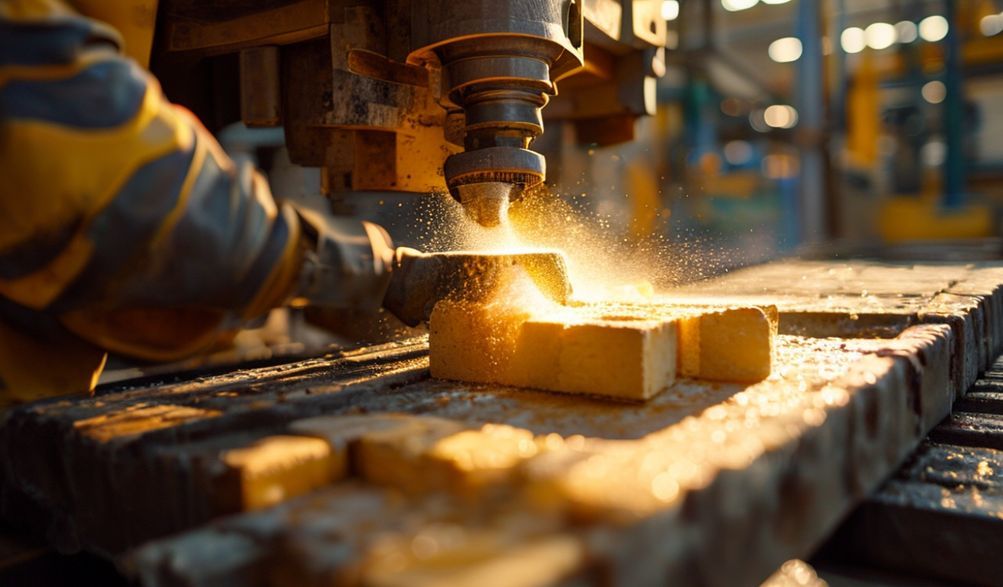
Gid Definitif Ou sou Machin pou Fè Blòk ki Vann nan Nijerya | Limyè sou Faktori FUDA
Entwodiksyon
Nigeria’s skyline is a testament to ambition. From sprawling residential estates in Lagos and Abuja to critical infrastructure projects across the nation, the construction industry is in a relentless boom. At the very foundation of this growth—quite literally—lies the humble building block. The demand for high-quality, affordable, and consistent blocks has never been greater.
Yet, for builders, contractors, and aspiring entrepreneurs, the path to reliable block supply is fraught with challenges. Many grapple with inconsistent block quality from manual labor, leading to structural concerns. Others face crippling production costs and project delays due to unreliable or inefficient equipment. The dream of contributing to Nigeria’s built environment can be stalled by the very tools meant to enable it.
The definitive solution lies in mechanization: investing in a quality block making machine. This single decision can transform productivity, quality, and profitability. However, with numerous brands and models on the market, choosing the right partner is paramount. Your investment must be protected by machinery built for Nigerian conditions and backed by steadfast support.
This comprehensive guide is designed to be your trusted resource. We will demystify the types of block making machines, analyze the Nigerian market’s specific needs, and place a detailed spotlight on one of the most recognized names in the industry: the Faktori blòk FUDA. Our goal is to equip you with the knowledge to make an informed, confident purchase decision for a block making machine for sale in Nigeria.
Konprann Machin pou Fè Blòk: Kalite ak Aplikasyon yo
Before investing, it’s crucial to understand the technology landscape. Block making machines are categorized by their level of automation, each suited to different scales of operation and investment capacities.
Machin pou Fè Blòk Manyèl
Sa yo se pwen antre nan pwodiksyon blòk, ki fonksyonne nèt ale sou enèji imen.
- Ideal Pou:Pwojè trè ti echèl, itilizasyon pèsonèl, oswa antrepriz kòmanse ak kapital minim.
- Avantaj:
- Pri ki pi ba anvan.
- Pa bezwen elektrisite oswa gaz.
- Fasil pou itilize ak kenbe.
- Desavantaj:
- Trè entansif nan travay ak dousman.
- Pwodiksyon ki pi ba (tipikman 200 a 500 blòk pa jou).
- Inconsistent block density and strength compared to powered machines.
Machin Semi-Otomatik pou Fè Blòk
This category offers the best balance for growing businesses. The machine provides the compaction power (via vibration and/or hydraulic pressure), while an operator feeds materials and removes finished blocks.
- Ideal Pou: Small to medium-sized block-producing businesses, construction companies supplying their own projects.
- Avantaj:
- Pwodiksyon pi wo anpil pase machin manyèl (1,000 – 3,000 blòk pa jou).
- Excellent balance of cost, efficiency, and output.
- Pwodui blòk solid, inifòm ak bon presizyon dimansyonèl.
- Desavantaj:
- Mande yon sous kouran (elektrisite oswa dyezèl).
- Higher initial investment than manual models.
Machin Konplètman Otomatik pou Fè Blòk
These are the powerhouses of block production. They automate the entire process—feeding, mixing, compacting, curing, and stacking—often controlled by programmable logic controllers (PLC).
- Ideal Pou: Large-scale commercial block yards, industrial projects, and major suppliers aiming for maximum market share.
- Avantaj:
- Very high output (5,000 to 20,000+ blocks per day).
- Exceptional consistency and quality with minimal human intervention.
- Drastically reduced direct labor costs.
- Desavantaj:
- Envestisman kapital wo.
- Requires reliable three-phase power and more space.
- Complex maintenance requiring specialized knowledge.
Espesifikasyon Kle Machin pou Konsidere
Beyond automation, pay close attention to these core specs:
- Kapasite Pwodiksyon: Don’t just look at “blocks per hour.” Consider a realistic 8-hour day and your growth plans.
- Kalite Blòk: Ensure the machine can produce the blocks in demand: Blòk vid (for walls), Interlocking Paving Stones (for estates and roads), Blòk solidakBò wout.
- Sous Pouvwa: Choose based on your location’s power reliability. Options include Electric, DieselouHybrid (Diesel/Electric) models.
- Sistèm Pweson: Hydraulic systems offer high pressure for very dense blocks, while vibration systems are common and effective.
Why the Nigerian Market Relies on Quality Block Making Machinery
The demand for quality machinery isn’t accidental; it’s driven by powerful economic and social forces unique to Nigeria.
Meeting Nigeria’s Construction and Housing Demand
Nigeria faces a massive housing deficit, estimated in the tens of millions of units. Concurrently, federal and state governments are embarking on major infrastructure projects. This creates an immense, sustained demand for building materials. Local block production is no longer just a convenience; it’s an economic imperative that reduces import dependence, creates jobs, and speeds up development.
Avantaj sou Metòd Manyèl
The shift from manual labor to machinery is a shift from uncertainty to reliability.
- Superior Quality: Machines produce blocks with higher compressive strength, uniform dimensions, and better density, leading to safer, longer-lasting structures.
- Efikasite Pri: While the initial outlay is higher, the per-block cost plummets due to speed and efficiency, offering a faster return on investment.
- Speed & Scalability: Projects are completed faster, and businesses can scale up production to meet larger contracts without a proportional increase in labor headaches.
Empowering Local Entrepreneurs
A block making machine is more than a tool; it’s a business-in-a-box. It empowers SMEs, fosters entrepreneurship, and creates direct and indirect employment. For the venture to be sustainable, the machinery must be durable, repairable, and supported locally—this is where choosing the right brand becomes critical.
Spotlight on FUDA Block Making Factory: An In-Depth Look
In the crowded marketplace for block making machines in Nigeria, the FUDA name has established significant prominence. Let’s examine what they offer.
Ki moun FUDA ye? Pwofil Konpayi ak Eritaj
FUDA has built a strong reputation as a major supplier and manufacturer of construction machinery within the Nigerian market. They are known for providing a range of machinery tailored to the region’s needs, from concrete mixers and block machines to more heavy-duty equipment. Their longevity and visibility in the market signal an understanding of local operational challenges and a commitment to maintaining a supply chain for their equipment.
Range of FUDA Block Making Machines for Sale
FUDA typically offers a spectrum of machines to cater to different market segments, which often includes:
- Pwès Manyèl: For entry-level users.
- Semi-Automatic Egg-Layer Machines: A popular choice for their simplicity and good output. These machines produce blocks in one place before being moved to cure.
- Static Semi-Automatic Machines: Higher-output machines that produce blocks on a stationary pallet.
- Plante Blòk Otomatik Konplè: For industrial-scale production.
Key features to inquire about in their models include the efficiency of the vibration systemarobustness of the hydraulic pressure system, options for mold customization to produce different block types, and compatibility with concrete mixers for a seamless production line.
FUDA Machine Benefits: What Sets Them Apart?
When evaluating FUDA, several factors contribute to their market position:
- Build for Local Conditions: Their machines are generally promoted as being robust enough to handle the rigors of Nigerian production environments.
- Sipò Apre Vann A critical differentiator. Established suppliers like FUDA often have a network for technical supportakmaintenance services, which is invaluable.
- Disponiblite Pyès Depo: They typically maintain an inventory of common wear parts, which is essential for minimizing costly downtime.
- Rekò Pwouve: The widespread use of their machines across the country serves as a form of social proof for new buyers.
Critical Factors Before You Buy a Block Making Machine in Nigeria
Your due diligence before purchase is the most important step. Look beyond the brochure.
Assessing Your Needs and Budget
Kòmanse ak yon plan biznis klè.
* Echèl Pwojè Are you supplying a single project or starting a commercial yard?
* Kalite Blòk: What does your target market need?
* Available Capital: Factor in the Pri Total Posesesyon (TCO): machine price, installation, foundation, generator (if needed), raw material costs, and operating labor.
The Vendor Checklist: Beyond the Price Tag
The cheapest machine can become the most expensive if it lacks support.
- Sèvis ak Sipò Apre Vant: Is there a local technician? What is the response time for breakdowns? Is operator training provided?
- Warranty & Guarantee: Get the warranty terms in writing. What components are covered, and for how long?
- Disponiblite Pyès Depo: Ask for a list of critical spares and their prices and availability.
- Showroom or Demo: Always insist on seeing a machine in operation. Visit their facility or an existing customer’s site.
Comparing Options: FUDA vs. Other Brands
Adopt a neutral framework for comparison. Create a spreadsheet comparing:
1. Pri (for similar specifications).
2. Key Features (motor power, block output, mold options).
3. Service Terms (warranty length, service network).
4. Company Reputation (years in business, customer references).
Get detailed quotations from at least three different reputable suppliers, including FUDA dealers and other brands like QGM, Zenith, or local assemblers.
Maximizing Your Investment: Operation and Maintenance Tips
Your machine’s longevity and performance depend heavily on how you operate and care for it.
Best Practices for Machine Operation
- Raw Material Mix: Use a consistent, correct ratio of cement, sand, and aggregate. Clean, well-graded aggregates are essential for strong blocks.
- Routine Checks: Before starting each day, check oil levels, tighten loose bolts, and ensure the vibration table is clean and clear.
Essential Maintenance Schedule
- Daily: Clean all parts of concrete residue. Check hydraulic oil for leaks.
- Weekly: Lubricate all moving parts as per the manual. Inspect molds for wear.
- Monthly: Conduct a thorough inspection of electrical connections, hydraulic hoses, and the vibration motor.
Troubleshooting Common Issues
- Blocks Breaking Easily: Likely caused by incorrect water-cement ratio or insufficient compaction pressure/vibration time.
- Poor Surface Finish: Can be due to worn-out mold liners or insufficient lubrication of the mold.
- Machine Vibrating Excessively: Check for loose bolts, an unbalanced load, or issues with the vibration motor mounts.
Crucial Reminder: Always consult the manufacturer’s manual first for troubleshooting. For persistent issues, contact your supplier’s technical support—this is what your after-sales service is for.
Kesyon yo poze souvan (FAQ)
Q1: What is the price range for a FUDA block making machine in Nigeria?
A: Prices vary dramatically based on type and automation. A basic manual press may start from a few hundred thousand Naira, while semi-automatic models range from ~₦1.5 million to ₦5 million. Fully automatic plants can cost tens of millions. Always contact authorized dealers for current, official quotes and be extremely cautious of prices that seem unrealistically low.
Q2: Can FUDA machines produce interlocking blocks for estate roads?
A: Yes, most semi-automatic and automatic block making machines from major suppliers like FUDA are designed to work with interchangeable molds. You must specify your need for an interlocking paving block mold when placing your order and confirm the machine’s compatibility.
Q3: Is training provided after purchasing the machine?
A: A reputable and professional dealer should provide basic operational and safety training upon installation. This is a non-negotiable part of the service. Confirm this in your purchase agreement.
Q4: How do I ensure I’m buying from an authentic FUDA dealer?
A: Verify their authenticity. Ask for official dealership certificates, visit their physical office and warehouse, and try to cross-reference their contact details with any official FUDA channels or industry associations. A genuine dealer will be transparent.
Q5: What is the typical lead time for delivery and installation?
A: This depends entirely on the model’s availability in local stock. For common semi-automatic models, it could be within a week. For customized or large automatic plants, it may take several weeks to months. Clear communication with your seller about delivery timelines is essential for planning.
Konklizyon
Choosing the right block making machine for sale in Nigeria is a strategic decision that impacts your project’s quality, your business’s profitability, and your peace of mind. This guide has walked you through the journey—from understanding the core types of machinery to evaluating a prominent brand like Faktori blòk FUDA against your specific needs.
The final recommendation is clear: let thorough research, not just price, guide your choice. The initial investment is significant, but the long-term cost of poor quality, frequent breakdowns, and absent after-sales support is far greater. Prioritize suppliers who offer robust machinery, reliable technical support, and readily available spare parts.
Your Call to Action: Take the next step with diligence. Contact multiple authorized dealers for the brands you’re considering. Request live demonstrations, ask for contact details of existing customers for references, and scrutinize warranty and service contracts. By doing so, you’re not just buying a machine; you’re laying the foundation for a successful and sustainable venture that will contribute to building Nigeria’s future, one solid block at a time.
<