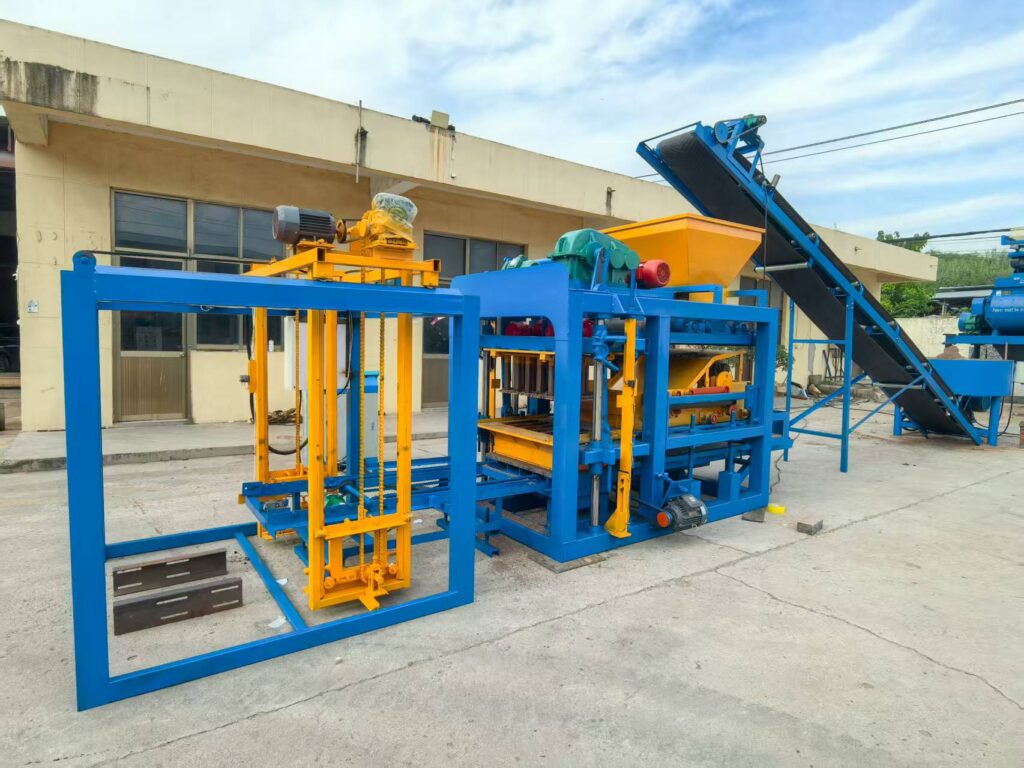
The Diagnostic Mindset: Systematic Problem Isolation
Quality defects are symptoms, not the disease. The first step is to categorize the flaw and trace it back to its most probable origin within the interconnected system of materials, machine, and method.
- 1.1. Categorize the Observed Defect
Precisely define the quality issue. Common categories include:- Entegrite Estriktirèl: Low compressive strength, excessive breakage, crumbling.
- Surface & Dimensional Quality: Poor face finish, chipped corners, cracking, inconsistent block height or width.
- Material Consistency: Color variation, visible segregation of aggregates, porous texture.
- 1.2. The Production System Audit Framework
Quality is built at every stage. Investigate sequentially to isolate the variable:- Input Materials: Are raw materials (cement, aggregates, admixtures) consistent and to specification?
- Process Execution: Is the mixing, feeding, and compaction process controlled and optimal?
- Machine Condition: Is the equipment in a state of precision and proper calibration?
- Post-Production Handling: Are blocks cured and handled correctly after they leave the machine?
2. Investigating and Resolving Core Cause Categories
Each category of defect points to a specific area of the production process requiring scrutiny.
- 2.1. Material-Related Causes: The Foundation of Quality
The adage “garbage in, garbage out” is paramount. Inconsistent materials guarantee inconsistent blocks.- Low Compressive Strength: This is most often tied to the water-cement ratio. Excess water is a primary culprit, drastically reducing final strength. Inaccurate cement batching or the use of contaminated/out-of-spec aggregates are other key factors.
- Poor Surface Finish & Color Variation: Results from inconsistent aggregate gradation, changes in sand color or mineral content, or erratic moisture levels during mixing. Dirty or contaminated mix water can also contribute.
- Actionable Response: Implement rigorous raw material quality control. Audit supplier certificates, perform frequent spot checks on aggregate gradation and cleanliness, and strictly calibrate batching equipment for cement and water. Standardize the mix design and allow no deviations without formal testing.
- 2.2. Machine and Process-Related Causes: The Precision Factor
Even with perfect mix, a maladjusted or worn machine will produce defective products.- Dimensional Inconsistency (Height/Width): Caused by worn mold liners, an improperly adjusted compaction head stop, warped or damaged pallets, or insufficient/variable vibration time and pressure. A worn feed shoe can also cause uneven fill.
- Chipped Corners, Cracking, or Poor Density: Directly linked to insufficient or unbalanced vibration. This can be due to worn vibration motor bearings, loose drive belts, degraded vibration springs, or concrete buildup on the vibration table. Low hydraulic pressure during compaction is another cause.
- Sticking and Tearing: Caused by worn or damaged mold liners (losing their smooth finish), lack of appropriate mold release agent, or a concrete mix that is too wet.
- Actionable Response: Initiate a full machine condition audit. Check and record vibration frequency/amplitude, verify hydraulic pressures against manuals, inspect all wear components (liners, shoes, pallets), and ensure the machine is clean and correctly aligned.
- 2.3. Curing and Handling-Related Causes
Blocks can be made perfectly only to be ruined after production.- Inadequate Curing: Blocks that dry too quickly (high temperature, low humidity, direct wind) will not develop full strength and may exhibit surface crazing or cracking.
- Improper Handling: Moving blocks before they achieve sufficient “green strength,” using damaged forklift tynes, or dropping pallets causes mechanical damage that is often attributed to production.
- Actionable Response: Standardize curing protocols (e.g., steam curing schedules, water spraying, or simple covered storage). Train all handling staff on proper procedures for moving and storing fresh and cured blocks.
3. Implementing a Corrective Action and Quality Assurance Loop
Solving a quality crisis is not a one-time event; it requires installing a permanent feedback loop.
- 3.1. Data-Driven Decision Making
Stop guessing. Record key parameters for every production batch: mix design weights, moisture content, vibration times, and curing conditions. Correlate this data with results from routine quality control tests (e.g., compressive strength tests on sample blocks). This data pinpoints cause-and-effect relationships. - 3.2. The Role of Standard Operating Procedures (SOPs)
Quality cannot be left to chance or individual discretion. Documented, trained, and enforced SOPs for batching, machine operation, daily maintenance, and curing are the bedrock of consistent quality. Any change to these procedures must be validated through testing.
Konklizyon
When a block machine produces low-quality blocks, it is a systemic failure that demands a systematic response. The solution lies in a disciplined, investigative approach that isolates the problem within the triad of Materials, Machine, and Method. By rigorously auditing raw material inputs, ensuring machine precision and calibration, and enforcing controlled curing and handling protocols, production can be restored to specification. Crucially, embedding this diagnostic mindset into a permanent framework of data recording and standardized procedures transforms a reactive quality firefight into a proactive culture of excellence. For supply chain professionals, this capability ensures reliable product supply, protects brand integrity, and builds unshakable confidence with customers.
FAQ
Q1: We have sudden color variation in our blocks, but our mix formula hasn’t changed. What’s the most likely cause?
A: The most probable cause is a change in the sand or aggregate source or cleanliness. Even with the same supplier, different quarry pits can have different mineral hues. A new batch of sand with higher clay or silt content will alter color. Immediately quarantine the new material and audit your aggregate stockpiles.
Q2: Our blocks test low for strength but look fine dimensionally. Where should we focus first?
A: Focus first and foremost on your water content and cement ratio. Excess water is the number one destroyer of compressive strength. Precisely recalibrate your water batching system and moisture probes. Secondly, verify the accuracy of your cement weighing system. Only after confirming these should you investigate vibration efficiency.
Q3: How can we quickly check if our vibration system is working properly?
A: Perform a simple “ball test.” Place a small, heavy steel ball bearing (e.g., 1-inch diameter) on the vibration table while it is operating. The ball should bounce and “travel” actively across the surface. If it merely rattles or moves sluggishly, your vibration amplitude is likely insufficient due to worn components or incorrect motor speed.
Q4: We’ve fixed the machine and mix, but blocks still crack after a few days. Why?
A: This is almost certainly a curing issue. The blocks are likely drying out too rapidly, causing shrinkage cracks. Review your curing environment. Are they exposed to direct sun and wind? Is the relative humidity too low? Implement a controlled curing method, such as covering stacks with plastic sheeting or using a light water mist, to slow moisture loss during the initial 3-7 day period.
Q5: When should we consider bringing in an external technician or consultant?
A: Seek external expertise when: 1) You have systematically investigated materials, machine, and method but cannot isolate the cause, 2) The problem is intermittent and unpredictable, suggesting a complex control system fault, or 3) You suspect a fundamental design flaw in the mix or process that requires specialized knowledge to diagnose and rectify.