
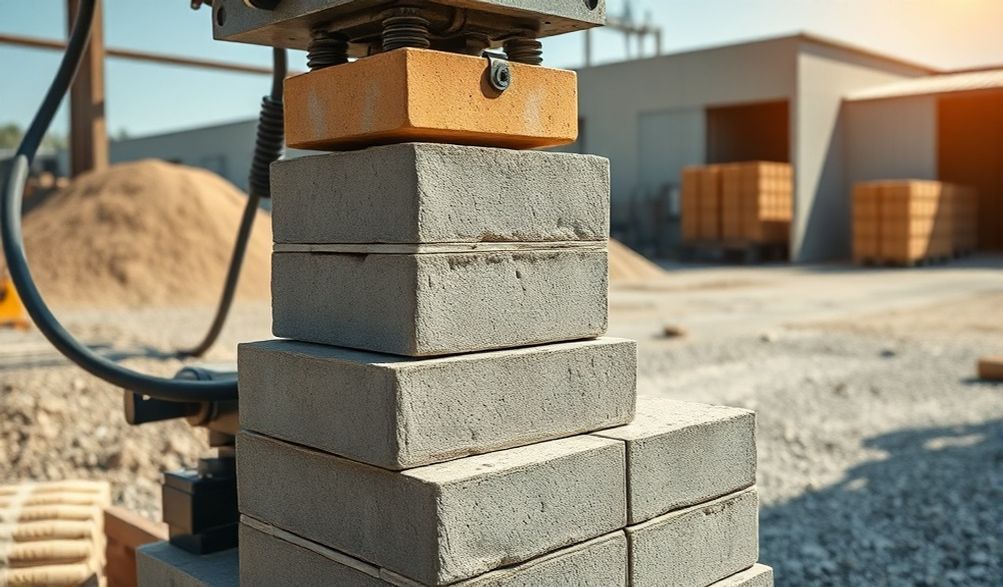
Gid Definitif pou Machin Blòk Brik: Kalite, Avantaj, ak Ki Jan Pou Chwazi
Entwodiksyon
Endistri konstriksyon mondyal la toujou ap fè kous kont tan ak bidjè. Nan nwayo prèske chak pwojè—soti nan inisyativ lojman abòdab rive nan konplèks komèsyal ki gaye toupatou—gen yon bezwen fondamantal: yon rezèv blòk konstriksyon dirab ki serye ak ki bon mache. Pandan plizyè deseni, sa te vle di depandans sou gwo founisè ki pa sou sit la, ak depans ak lojistik souvan ap monte. Jodi a, gen yon solisyon pwisan k ap chanje jwèt la pou antreprenè, enjenyè, ak manadjè pwojè yo menm jan: machin blòk brik. Teknoloji sa a pèmèt ou pran kontwòl sou chèn apwovizyone materyèl ou a, transfòme materyò premyè ki bon mache an blòk konstriksyon presizyon kote egzakteman ou bezwen yo.
Gid definitif sa a baze sou yon fondasyon konesans pratik nan endistri a. Nou te rasanble apèsi nan men enjenyè mekanik, operatè ekipman ki gen eksperyans, ak pwopriyetè biznis fabrikasyon blòk ki gen siksè pou ba ou yon resous klè, konplè ak serye. Objektif nou se depase katalòg vètman epi ofri yon konpreyansyon nuanse ki nesesè pou yon envestisman enpòtan.
Si ou se yon antreprenè nan konstriksyon k ap chèche entegre vètikalman, yon enjenyè sivil k ap espesifye ekipman pou yon gwo pwojè, oswa yon envestisè k ap evalye yon nouvo antrepriz, gid sa a se pou ou. Nou pwomèt yon eksplorasyon detaye sou sa machin blok brik yo ye, diferan kalite ki disponib yo, benefis solid yo, epi—pi enpòtan—faktè kle ou dwe konsidere pou chwazi machin nan ki pafè pou objektif espesifik ou. Ann bati konesans ou depi nan baz la.
Ki sa yon Machin Blòk Brik? Fonksyon Prensipal ak Pwodiksyon
Nan nwayo li, yon machin blok brik se yon aparèy ki fèt pou otomatize ak estandadize pwodiksyon blòk konstriksyon. Li ranplase moulaj manyèl ki mande anpil travay epi ki pa konsistan ak yon pwosesis mekanize ki asire inifòmite, fòs, ak efikasite. Prensipal pwodiksyon an se pa yon senp brik ajil ankò; machin modèn yo pwodui yon pakèt inite masonri konkrè (CMU) ki fòm skelèt konstriksyon modèn lan.
Soti nan Matyè Premye rive nan Blòk Fini: Pwosesis Debaz la
Majik yon machin blòk se nan repete yon pwosesis senp men efikas san rete.
- Melanj:Materyo premyè yo melanje pou fòme yon melanj beton ki sèk. Rapò egzak la enpòtan anpil pou fòs blòk final la.
- Manje:Melanj sa a antre nan kavite moul machin nan (oswa nan tremi, nan sistèm otomatik yo).
- Konpakte ak Fòme:Isit, de aksyon kritik yo rive an menm tan.Vibrasyonli aplike nan yon gwo frekans pou retire boul lè epi asire melanj la ranpli chak kwen mwazi a. An menm tan, yon gwopresyon(mechanical oswa idwolik) aplike pou konpakte materyèl la byen sere.
- Ejeksyon:Blòk ki fèk fòme a, ki trè konpak, voye soti nan moul la sou yon pale oswa atè a.
- Gerizon:Blòk yo Lè sa a, deplase nan yon zòn trete, kote yo vin pi fò pandan plizyè jou grasa yon idratasyon kontwole.
Matyè premyè komenyo te itilize gen ladan yo:
* Siman Pòtland (liyant la)
* Sab (agregat am)
* Wòch kraze oswa gravye (agrega gwo)
* Fly ash (an industrial by-product that can enhance properties and reduce cement use)
Dlo
Common Outputs: More Than Just Standard Bricks
By simply changing the mold, a single machine can produce a versatile portfolio of products:
* Blòk vid: The most common type, used for walls. Their hollow cores reduce weight, improve insulation, and allow for rebar and concrete filling.
* Blòk Solid: Dense and heavy, used for foundations, load-bearing walls, and paving.
* Dale ak Pave Antrebloke: For driveways, walkways, and patios. Interlocking designs provide stability without mortar.
* Kerbstones & Grass Pavers: For road edging and eco-friendly parking areas.
* Fòm Espesyal: Chimney blocks, partition blocks, and even decorative landscaping blocks.
Types of Brick Block Machines: Finding the Right Fit
Choosing the right type of machine is your first and most critical decision. The market caters to every scale of operation, from a community self-build project to a fully industrialized plant.
Manual Brick Block Machines
These are the simplest and most affordable entry point. Operation relies entirely on human labor for feeding mix, operating a lever to apply pressure, and removing the finished block.
- Kawozo Ideyal: Very small-scale projects, startups with minimal capital, NGOs in remote locations, or for producing blocks for personal use.
- Kapasite Pwodiksyon: Typically 300-500 blocks per 8-hour day with a dedicated operator.
- Avantaj: Very low initial cost, no power requirement, simple to maintain and repair.
- Desavantaj: Labor-intensive, low output, product consistency heavily depends on operator skill, physically demanding.
Semi-Automatic Brick Block Machines
This category offers a significant leap in productivity. The machine uses an engine or electric motor to power the vibration and compaction process. Operators manually feed the mix and remove finished blocks, but the core forming process is mechanized.
- Kawozo Ideyal: Small to medium-sized block-making businesses, dedicated on-site production for housing projects, and municipal works.
- Kapasite Pwodiksyon: Ranges from 1,000 to 4,000 blocks per 8-hour shift, depending on model and crew size.
- Avantaj: Good balance of cost and output, more consistent block quality than manual machines, reduces physical strain on workers.
- Desavantaj: Still requires a crew (typically 3-5 people for feeding, operation, and block handling), output is limited by human speed.
Fully Automatic Brick Block Machines
These represent the pinnacle of efficiency for high-volume production. They integrate the entire process: automatic batching and mixing of raw materials, conveyor-fed molding, high-pressure compaction, and automated block handling for stacking and curing.
- Kawozo Ideyal: Large commercial block yards, major infrastructure projects requiring millions of blocks, and industrial-scale construction material suppliers.
- Kapasite Pwodiksyon: Can easily produce 10,000 to 30,000+ blocks per day with minimal crew.
- Avantaj: Maximum output and efficiency, exceptional consistency and quality control, low labor requirement per block, can operate nearly continuously.
- Desavantaj: Very high initial investment, requires significant space and stable power infrastructure, complex maintenance requiring specialized technicians.
Blòk fè machin fiks kont mobil
This is another crucial distinction related to your operational model:
- Machin Estasyonè: These are set up in a fixed factory or yard. Raw materials are transported to the machine. They are typically larger, more powerful, and form the heart of a permanent production facility.
- Mobile Block Machines (e.g., “Egg-Laying” Block Machines): These self-contained units can be towed directly to a construction site. They produce blocks and lay them directly on the prepared ground, eliminating the need for block transportation. This is a game-changer for large, remote projects like road construction or rural housing developments, as it slashes logistics costs.
Key Benefits of Investing in a Brick Block Machine
The decision to invest in a block machine is strategic. Here are the compelling advantages that drive this investment.
Significant Cost Reduction and Material Control
- Pri Inite Pi Ba: Producing in-house dramatically reduces the cost per block by removing supplier margins and long-distance transport fees.
- Reduced Waste: You produce exactly what you need, when you need it, minimizing breakage, theft, and surplus associated with delivered materials.
- Price Stability: You are insulated from market price fluctuations and supply chain disruptions from external suppliers.
Unmatched Production Speed and On-Demand Manufacturing
- Meet Aggressive Timelines: Never wait for deliveries again. Produce blocks around the clock to keep your project on schedule.
- Just-in-Time Production: Manufacture blocks as needed, reducing on-site storage space and inventory management costs.
- Custom Order Fulfillment: Quickly produce special blocks (e.g., a non-standard size or color) for a specific phase of the project without costly custom orders.
Bon jan kalite ak konsistans
- Engineered Strength: Machine-controlled vibration and compaction force produce blocks with higher density and compressive strength than many manually produced alternatives, leading to more durable structures.
- Dimansyon Inifòm: Every block is identical, resulting in straighter walls, less mortar use, faster bricklaying, and a better-finished appearance. This consistency is a key factor in meeting building code standards like ASTM C90.
Versatility and Customization Potential
- Yon Machin, Plizyè Pwodwi: With a library of different molds, your single machine can produce an entire range of blocks, pavers, and specials, allowing you to diversify your product offering or meet all the needs of a complex project.
- Branding and Aesthetics: You can create custom-colored blocks (using pigments) or even embossed blocks for unique architectural finishes or branding opportunities.
Critical Factors for Choosing Your Brick Block Machine
Selecting a machine is not about buying the biggest or the cheapest. It’s about finding the perfect match for your specific context. Here is a practical framework for your decision.
Assessing Your Production Requirements: Capacity is Key
Start with the numbers. Calculate your peak block requirement.
* Blòk pa èdtan (BPH): How many blocks do you need at maximum output? Factor in project size, deadlines, and potential for selling surplus.
* Future Growth: Are you planning to scale? Buying a machine that operates at 100% capacity from day one leaves no room for growth. A good rule of thumb is to choose a machine that can meet your projected needs for the next 3-5 years.
Power Source: Electrical, Hydraulic, or Diesel?
- Elektrik: Clean, quiet, and efficient for fixed locations with reliable grid power. Operational costs are predictable.
- Hydraulic: Provides immense, smooth compaction force. Often used in conjunction with an electric or diesel motor to power the hydraulic pump. Excellent for high-strength block production.
- Dizèl: Essential for mobility and operation in areas with no electricity. Offers independence but comes with higher fuel costs, noise, and emissions.
Automation Level: Balancing Budget, Labor, and Output
Consider this simple decision matrix:
* Goal: Minimal Capital / High Labor Tolerance -> Manual Machine
* Goal: Balanced Investment / Moderate Output -> Semi-Automatic Machine
* Goal: Maximum Output / Minimized Labor / High Capital -> Fully Automatic Machine
In practice, the semi-automatic segment is where most small-to-medium businesses find the optimal balance.
Machine Durability and After-Sales Support
This is non-negotiable. A cheap machine that breaks down in six months is the most expensive machine you can buy.
* Kalite Konstriksyon: Look for heavy-duty steel frames, reputable brand-name vibration motors and hydraulic components. The machine should feel robust, not flimsy.
* Brand Reputation & Local Support: Research the manufacturer’s history. A trustworthy supplier will offer:
* Clear technical documentation and parts manuals.
* Availability of wear parts (molds, springs, liners) locally or with short lead times.
* A clear warranty and access to technical support, either remotely or through local agents.
* Testimonials and References: Always ask for contact information of current owners in a similar climate and application. Their firsthand experience is invaluable.
Operating and Maintaining Your Machine for Longevity
Your machine is a productivity engine. Proper care ensures it runs smoothly for years, protecting your investment.
Essential Safety Protocols and Operator Training
- Never operate without safety guards in place.
- Ensure all operators are trained on start-up, running, and emergency shutdown procedures.
- Use appropriate personal protective equipment (PPE): safety glasses, hearing protection, and steel-toe boots.
- Lock-out/Tag-out procedures must be followed during any maintenance.
Daily and Periodic Maintenance Checklist
A little routine care prevents major breakdowns.
Daily:
* Clean the machine thoroughly at the end of each shift, removing hardened concrete mix.
* Check and tighten any loose bolts or nuts.
* Visually inspect hoses and electrical connections for wear.
Weekly/Monthly:
* Lubricate all moving parts (pivots, bearings, guide rods) with the grease specified in the manual.
* Check hydraulic oil levels and look for leaks.
* Inspect mold liners and vibration tables for excessive wear or damage.
Troubleshooting Common Issues
- Blocks Sticking in Mold: Causes: worn mold liners, insufficient mold release agent (often just a light oil or specialized spray), or a wetter-than-optimal mix.
- Poor Compaction or Weak Blocks: Causes: incorrect mix design (too little cement, poor aggregate grading), insufficient vibration time or pressure, or worn vibration motors.
- Surface Cracks on Fresh Blocks: Usually caused by improper curing—blocks drying out too quickly in hot/windy conditions. Keep blocks covered and moist for at least 3-7 days.
Frequently Asked Questions (FAQ) About Brick Block Machines
Q1: What is the average cost range for a brick block machine?
A: Prices vary enormously. A basic manual machine can start from a few thousand dollars. A quality semi-automatic machine may range from $15,000 to $50,000. Fully automatic production lines can cost from $100,000 into the millions. The only way to get an accurate price is to provide suppliers with your detailed capacity, automation, and power requirements for a formal quote.
Q2: Can I start a business with just a small, manual machine?
A: Absolutely. Many successful block yard owners began exactly this way. It allows you to validate the market, learn the process, and generate initial capital with minimal risk. The key is to have a clear plan for scaling up to a semi-automatic machine once demand exceeds what manual labor can profitably provide.
Q3: What is the typical payback period for this investment?
A: This depends entirely on your local market block price, your production volume, and operational efficiency. For a small semi-automatic operation selling directly to builders, a payback period of 12 to 24 months is often achievable. For example, a $25,000 machine producing 2,000 sellable blocks per day at a healthy profit margin can repay its cost surprisingly quickly.
Q4: Are there eco-friendly options for brick block production?
A: Yes. Many machines are perfectly suited for using industrial by-products like fly ash or slag, which reduce Portland cement consumption. Furthermore, on-site production with a mobile machine eliminates the carbon emissions associated with transporting heavy blocks over long distances, making the overall project footprint greener.
Q5: Where can I get reliable training on operating and maintaining the machine?
A: Reputable manufacturers should provide comprehensive training as part of the purchase package, either at their facility or on-site during commissioning. Additionally, local technical colleges, construction industry associations, and equipment dealer workshops often offer relevant courses in concrete technology and machinery maintenance.
Konklizyon
Choosing the right brick block machine is a strategic decision that hinges on a clear understanding of your production goals, budget constraints, and operational environment. From the hands-on manual press to the humming fully automatic plant, each machine type serves a distinct purpose in the construction ecosystem. The benefits—cost control, speed, quality, and versatility—are substantial and can provide a decisive competitive advantage.
Your due diligence is paramount. We strongly recommend you go beyond catalogs and websites. Visit manufacturers, see machines running under load, and, most importantly, speak to current owners about their real-world experiences with reliability and support. This firsthand research is the best way to ensure your investment is sound.
Ultimately, a brick block machine is more than just a piece of equipment; it’s a tool for building independence, efficiency, and long-term profitability. By bringing production in-house, you secure not just your supply of materials, but also the foundation for your project’s or business’s success.
Ready to specify your requirements? The next step is to contact 2-3 reputable suppliers with your detailed production needs, site details, and power availability to receive accurate consultations and comparative quotes.
<