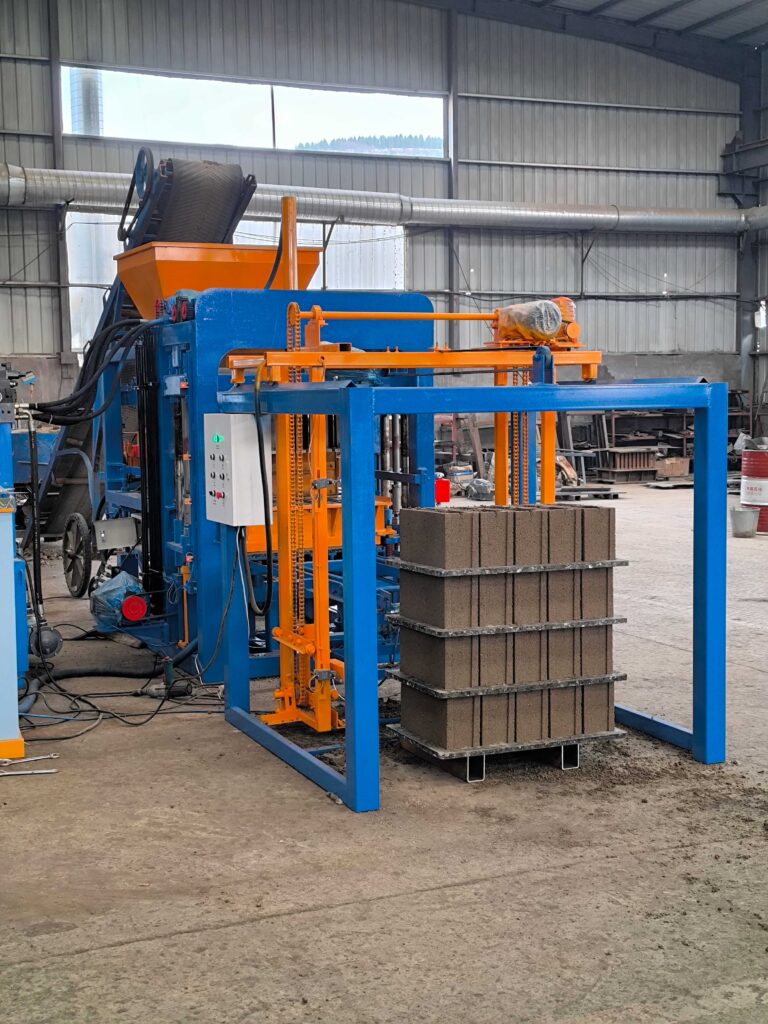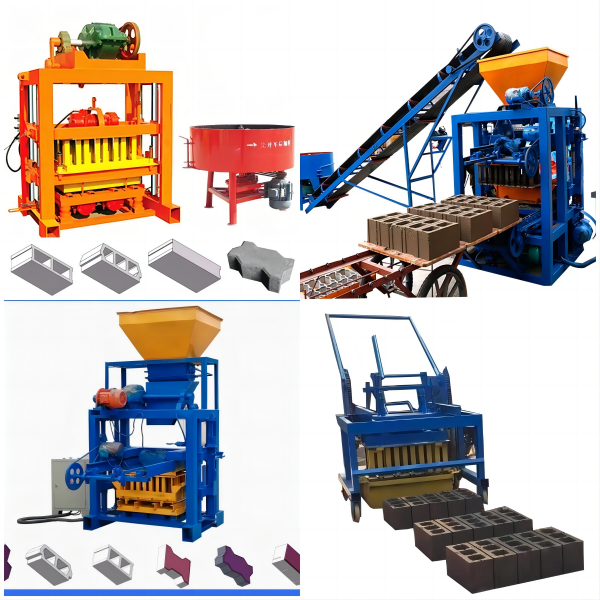
Faktè Milti-fas ki Detèmine Pri Machin
Echèl pri pou machin pou fè brik siman laj, sòti nan kèk milye dola pou modèl debaz yo rive nan plizyè santèn milye dola pou sistèm konplètman entegre yo. Varyasyon sa a pa aza, men li lye dirèkteman ak yon seri faktè teknik ak komèsyal ki ka defini.
I. Espesifikasyon Nwayo Machin yo: Fondasyon Pri a
Espesifikasyon entèn machin nan fòme prensipal faktè koute a.
A. Kapasite Pwodiksyon ak Pwodiksyon
- Sikl pa Èdtan ak Pwodiksyon Brik:Pri a ogmante pwopòsyonèlman ak kapasite pwodiksyon an. Yon machin ki pwodui 1,000 blòk estanda pa èdtan pral fondamantalman mwens chè pase yon lòt ki pwodui 10,000. Pi gwo pwodiksyon mande motè ki pi pwisan, sistèm idwolik ki pi gwo, ankadreman ki pi solid, ak tan sik ki pi rapid.
- Kalite Machin ak Nivo Otomatizasyon:
- Machin Manyèl/Semi-Otomatik:Yo mande anpil entèvansyon operatè pou manje ak retire blòk yo. Yo reprezante pi ba pri a, men yo gen pi gwo depans travay ak pi ba konsistans.
- Machin Otomatik Konplè Endepandan:Yo otomatize pwosesis manje, konpaksyon, ak ejeksyon an, kontwole pa yon Kontwolè Lojik Pwogramab (PLC). Yo mande yon pri pi wo akòz sistèm kontwòl sofistike yo ak amelyorasyon efikasite.
- Liy Otomatik Konplè Pou Pwodiksyon:Yo entegre plizyè machin (melanjè, konvèyè, blòk maker, pile, paletizè) nan yon liy senkronize. Sa reprezante segman pri prim, jistifye pa egzijans minim travay ak debi maksimòm.
B. Konsepsyon Teknik ak Kalite Konpozan
- Entègrite Estriktirèl ak KadMachin ki gen ankadreman an asye solid, ranfòse ki fèt pou opere kontinyèlman anba gwo estrès koute plis pou fabrike, men yo ofri pi gran dire lavi ak estabilite pase modèl ki pi lejè.
- Sistèm Vibrasyon ak Konpakte: The heart of the machine. Systems featuring high-frequency, dual-axis (or multi-axis) vibration tables coupled with controlled hydraulic pressure ensure superior block density and strength. More advanced vibration mechanisms and powerful vibration motors increase cost.
- Sistèm Idwolik: The quality and capacity of hydraulic pumps, valves, cylinders, and the sophistication of the pressure control system are major cost factors. Premium, reliable components from established hydraulic part manufacturers ensure consistent performance but add to the initial price.
- Sistèm Kontwòl: A basic electrical panel differs vastly in cost from a PLC-based touchscreen interface that allows for recipe storage, fault diagnosis, and production data monitoring.
C. Versatility and Mold Configuration
- Number of Molds and Interchangeability: A machine capable of producing multiple products (hollow blocks, solid blocks, pavers, curbstones) using interchangeable mold sets is more valuable and costly than a single-purpose machine.
- Mold Complexity and Material: Molds for complex geometric shapes (like interlocking blocks or textured facades) require precision CNC machining and high-chrome, wear-resistant steel, adding significant cost. Standard block molds are less expensive.
II. Beyond the Machine: Ancillary Costs and Commercial Considerations
The initial machine quotation is only part of the financial picture. Several ancillary factors directly or indirectly influence the total investment.
A. Logistics and Destination
- Shipping and Insurance (FOB, CIF, etc.): The Incoterm agreed upon determines cost responsibility. Free on Board (FOB) pricing means the buyer arranges and pays for main shipping and insurance, while Cost, Insurance, and Freight (CIF) includes these to a named port. Landlocked destinations or sites with poor infrastructure can incur substantial additional haulage costs.
- Machine Weight and Dimensions: Larger, heavier machines incur higher shipping costs. Container optimization can affect pricing.
B. Supplier Value-Added Services and Terms
- Technical Support and Training: Suppliers offering comprehensive installation supervision, commissioning, and on-site operator training provide immense value, which may be reflected in the price or offered as a separate service package.
- Warranty Scope and Duration: A longer, more inclusive warranty on critical parts (frame, hydraulics, vibration system) often correlates with a higher initial price but lower long-term risk.
- Spare Parts Policy and Local Availability: A supplier with a structured spare parts supply chain and local or regional stock reduces future downtime costs. This logistical support is a value component.
III. Strategic Pricing Analysis for B2B Decision-Making
For a distributor, the evaluation must shift from “sticker price” to “total cost of ownership” and “potential for return.”
A. Calculating Total Cost of Ownership (TCO)
TCO analysis is essential for comparing different machine options accurately. It includes:
- Initial Purchase Price.
- Shipping, Insurance, and Import Duties.
- Installation and Foundation Costs.
- Cost of Ancillary Equipment (e.g., a concrete mixer, loader, pallets).
- Estimated Annual Costs for Maintenance, Spare Parts, and Energy Consumption.
- Labor Cost Differential between a semi-automatic and a fully automatic line.
A machine with a 20% higher purchase price but 40% lower labor costs and 30% less downtime over five years presents a far superior TCO.
B. Aligning Machine Choice with Market Strategy
The “right” machine is the one that best serves your target market segment.
- For Serving Small Entrepreneurs/Startups: Affordable, robust semi-automatic machines with good local service support may be the ideal product, focusing on lower entry price.
- For Supplying Large Contractors or Government Projects: High-output, fully automatic lines that guarantee consistent quality and volume are necessary. The business case justifies the higher investment through large-scale, recurring orders.
- For Niche Markets (Architectural Pavers, Special Shapes): Versatile machines with advanced mold technology are key. The price is justified by the higher profit margins on specialized products.
C. The Critical Role of Due Diligence
- Odit Faktori: Insist on visiting the manufacturing facility. Assess the scale, quality control processes, and the engineering prowess firsthand. The build quality observed directly explains price differentials.
- Request Detailed Breakdowns: Ask for a component-level cost justification or specification sheet that clarifies the quality of key parts (e.g., brand of hydraulic pump, thickness of steel plate).
- Reference Checks: Contact existing clients of the supplier, preferably in a similar market, to get unfiltered feedback on machine performance, reliability, and the true cost of operation and support.
Konklizyon
Navigating the pricing of concrete brick making machines requires a disciplined, analytical approach that transcends initial price comparisons. For the professional distributor or purchaser, price is a function of capability, durability, and the supplier’s ability to ensure long-term, profitable operation. The most economically sound decision is rarely the cheapest upfront option. It is the machine whose specifications—output, automation, component quality, and versatility—precisely match the demands of the target end-user market, and whose total cost of ownership, supported by a reliable partner, delivers the strongest and most sustainable return on investment. By meticulously evaluating engineering substance over surface features and calculating TCO, B2B stakeholders can transform a capital expenditure into a powerful engine for market growth and profitability.
FAQ (Frequently Asked Questions)
Q1: What is a realistic budget range for a machine that can start a viable block-making business?
A viable business-starting setup typically requires a minimum of a semi-automatic machine with a daily output of 4,000-8,000 blocks (e.g., 4″ hollow block). Including a medium-sized mixer, mold sets, and accounting for basic shipping, a realistic budget range is between $5,000 and $25,000. This provides a balance between investment scale and production capability for a small to medium enterprise.
Q2: Does a higher price always guarantee better quality and after-sales service?
Not always, but there is a strong correlation. A price significantly below market average often indicates compromises in material thickness, component quality, or engineering. However, due diligence is key. A reputable supplier in the mid-to-high price range should transparently demonstrate the quality of their components and provide verifiable evidence of their after-sales network, training programs, and spare parts availability. The price should be justified by tangible value propositions.
Q3: How do shipping costs typically impact the final landed price, and how can we estimate them?
Shipping costs can add 10% to 25% or more to the FOB machine price, depending on distance, mode of transport (sea vs. air), and destination port logistics. To estimate, you need the machine’s total packed volume (CBM) and weight. Your freight forwarder can provide a quote based on this. Always clarify the Incoterms with the supplier to avoid unexpected charges.
Q4: What are the most common hidden costs after purchasing the machine?
Buyers should budget for:
- Site Preparation: A level, reinforced concrete foundation.
- Installation & Utility Hook-up: Costs for local technicians, cranes, and electrical/water connections.
- Initial Raw Materials: Inventory of cement, aggregates, and pigments.
- Operational Training: If not fully included, may be an extra cost.
- Initial Spare Parts Kit: Purchasing a recommended set of wear parts (like seal kits, springs) upfront saves future downtime.
Q5: Is financing or leasing options commonly available from manufacturers?
Many established manufacturers work with financial partners or export credit agencies to offer financing or leasing plans to qualified buyers. This is more common for large, high-value orders. For smaller machines, suppliers may offer structured payment plans (e.g., 30% deposit, 70% before shipment). It is always advisable to inquire directly about available financial solutions to ease capital expenditure.