
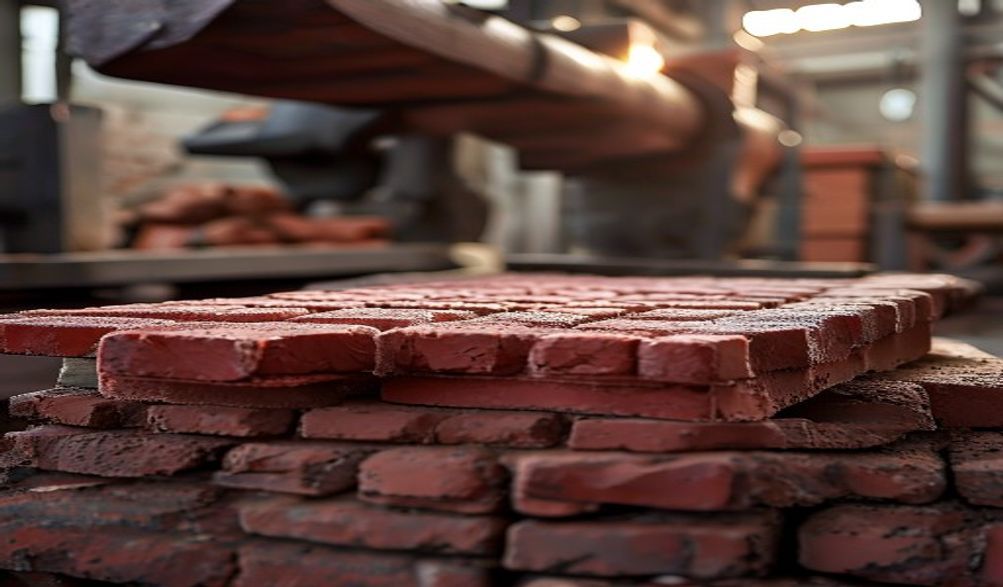
Kouman Pou Chwazi Yon Machin Fè Brik Tè Ajil: Yon Gid Konplè Pou Achtè
Entwodiksyon
Pandan dè milye ane, brik ajil te fòme fondasyon sivilizasyon imen, yo ofri dirabilite san parèy, mas tèmik, ak yon bèlte ki pa janm fini. Nan mond jodi a, kote konstriksyon abòdab ak dirab enpòtan anpil, pwodui pwòp brik ou ka yon antrepriz transfòmatif. Kle pou débloke potansyèl sa a chita sou yon ekipman kritik: machin pou fè brik ajil tè a.
Sepandan, navige sou mache a ka akablan. Ant près manyèl, bèt travay semi-otomatik, ak plant otomatik konplè, ansanm ak yon pakèt espesifikasyon teknik ki fè tèt vire, fè move chwa a ka yon erè ki koute chè. Gid sa a koupe nan bri a.
Dapre yon analiz endistriyèl apwofondi ak konsiltasyon ak enjenyè fabrikasyon, gid acha konplè sa a pral mennen w nan pwosesis seleksyon an etap pa etap. Nou konsantre sou konsèy pratik ak san patipri pou ede w pran yon desizyon enfòme ki baze sou bezwen pwodiksyon espesifik w yo, bidjè w, ak objektif alontèm w yo. Ann bati yon fondasyon solid pou siksè fè brik ou.
Konprann Kondisyon Pwojè Ou Yo
Anvan ou gade yon sèl ti liv pwodwi, ou dwe gade anndan tèt ou. Acha ki pi siksè kòmanse ak yon evalyasyon apwofondi de pwojè w la, materyèl yo, ak rezilta ou vle jwenn yo. Chwazi yon machin sèlman baze sou karakteristik li yo, san kontèks sa a, se yon resèt pou inefikasite.
Evalye Echèl Pwodiksyon Ou Ak Objektif Ou
Objektif pwodiksyon ou yo se premye faktè ki detèmine kalite machin ou. Evalye ouvèman anbisyon ou yo:
- Ti pwodiksyon/manyèlApr pou pwojè kay tè, konstriksyon kominotè, oswa atelye atizana. Pwodiksyon ka rive jiska kèk santèn brik chak jou. Konsantre a se sou envestisman kapital ki ba ak senplisite olye ke vitès.
- Mwayen-echèl/Pwodiksyon Semi-Otomatik:Sa se bon jan plas pou ti ak mwayen antrepriz (SME) ki vize fourni konstriktè lokal yo, kontraktè, oswa pwojè lojman yo. Li balanse yon pri devans modere ak yon pwodiksyon siyifikativman pi wo pase metòd manyèl yo, ki mande yon apwòch ki oryante sou biznis.
- Gwo-echèl/Pwodiksyon Otomatik KonplètmanApwopriye pou plant komèsyal etabli ki vize pou pwodiksyon gwo volim (dizèn de milye de brik chak jou). Sa se yon gwo envestisman endistriyèl ki konsantre sou maksimize efikasite, konsistans, epi ekonomize mendèv atravè otomatizasyon.
Analize Pwopriyete Tè Ajil ou
Se pa tout tè ki janm menm jan an. Kalite matyè premyè ou a dirèkteman detèmine bon jan kalite brik ou a ak kalite machin ou pral bezwen an.
- Soil Testing is Non-Negotiable: A simple soil test will reveal the clay content, plasticity, and shrinkage rate. Optimal brick-making soil typically contains 20-30% clay.
- Enplikasyon machin yo: Soil with high gravel content will require a crusher. Achieving a consistent, homogenous mix necessitates a pugmill mixer. If your soil isn’t “ready-to-press,” you must budget for this auxiliary equipment from the start.
Defini Espesifikasyon Brik ou a
What exactly are you producing? Your end product determines the machine’s capabilities.
- Kalite brik: Are you making solid, hollow, or interlocking bricks? Each requires different mold designs and, often, different pressure systems.
- Gwosè ak Fòm: Will you produce standard sizes (e.g., 230x110x75 mm) or require custom molds for unique architectural designs?
- Strength & Finish: What is the required compressive strength for your market? The desired surface finish (smooth, textured) can be influenced by the mold material and pressing force.
Key Types of Clay Soil Brick Making Machines
With your requirements clear, you can now effectively evaluate the three main categories of machines. Each serves a distinct segment of the market.
Manual Brick Presses (Moulding Tables)
- Kijan Yo Fonksyone: These are human-powered machines, typically using a lever mechanism to compress soil within a removable mold. They are simple, mechanical devices.
- Pi Bon Pou: Individuals, NGOs, or very small startups with minimal budgets and very low daily output needs (e.g., under 500 bricks). They are also used for prototyping or custom artistic bricks.
- Avantaj ak Dezavantaj:
- Avantaj: Extremely low cost, no power required, easy to maintain and repair locally, highly portable.
- Desavantaj: Very labor-intensive, low and inconsistent output, brick quality heavily dependent on operator skill, physically demanding.
Machin Brik Semi-Otomatik
- Kijan Yo Fonksyone: These electrically or diesel-powered machines automate the pressing process using mechanical flywheels or hydraulic systems. Feeding raw material and removing finished bricks is often manual, but the core compression is powered.
- Pi Bon Pou: Small to medium businesses seeking a balance between automation, cost, and output. They are the most popular choice for serious entrepreneurs entering the market.
- Avantaj ak Dezavantaj:
- Avantaj: Significantly higher and more consistent output than manual presses, produces denser and stronger bricks, good cost-to-output ratio, more scalable.
- Desavantaj: Higher upfront cost, requires a power source, needs more skilled operation and maintenance, often requires auxiliary equipment (mixer).
Plant Konplè Otomatik pou Fè Brik
- Kijan Yo Fonksyone: These are integrated production lines. They automatically handle feeding, mixing, conveying, pressing, and sometimes even stacking. They often include programmable logic controllers (PLCs) for precision.
- Pi Bon Pou: Large-scale industrial production where high, consistent volume is critical. The focus is on minimizing labor costs and maximizing throughput.
- Avantaj ak Dezavantaj:
- Avantaj: Maximum output with minimal manual labor, exceptional consistency and quality control, highest long-term efficiency for large volumes.
- Desavantaj: Very high capital investment, complex installation, requires significant space and infrastructure, specialized technical knowledge for operation and maintenance.
Critical Technical Specifications to Evaluate
Once you’ve narrowed the type, dive into the specs. These numbers tell the real story of a machine’s capability.
Kapasite Pwodiksyon (Brik Pa Lè/Jou)
- Never buy based on the manufacturer’s peak theoretical output. Look for realistic, sustained capacity.
- Matching Strategy: Your machine’s capacity should meet your projected demand with about 20-30% headroom for growth. A machine running at 100% capacity constantly will wear out quickly.
Pressure Force (Tonnage)
- This is a key indicator of final brick strength. Higher pressure compacts the clay particles more densely, resulting in bricks with higher compressive strength and lower water absorption.
- General Guidance:
- Solid bricks for standard construction: 15-30 tons of pressure.
- High-strength or interlocking bricks: 30-50+ tons.
- Hydraulic systems allow for precise pressure adjustment, which is a major advantage.
Power Source & Requirements
- Modèl Elektrik: Cleaner, quieter, and easier to operate indoors but reliant on a stable grid or generator.
- Modèl Dizèl: Offer mobility and independence from the electrical grid, ideal for remote sites. They are louder, produce emissions, and have higher fuel costs.
- Critical Check: Verify the voltage (e.g., 220V, 380V, 415V) and power (kW) requirements against your facility’s available supply. An undersized generator can damage an electric motor.
Mobility & Footprint
- Machin Estasyonè: Bolted to a concrete foundation, they are for permanent installations.
- Machin Mobil: Mounted on a trailer, perfect for contractors moving between job sites or for starting production before a permanent shed is built.
- Space Planning: Account for not just the machine’s size, but the operational area needed for material storage, mixing, brick drying, and worker movement.
Beyond the Machine: Essential Auxiliary Equipment
The press is the heart of the operation, but it needs support to function effectively. A complete setup often includes:
Clay Crushers and Mixers
- Crusher: Breaks down hard lumps, stones, and clods into a uniform size.
- Mixer/Pugmill: Homogenizes the clay, sand, and any additives (like cement for stabilized bricks) and adds the precise amount of water. This step is crucial for consistency.
Conveyors and Stackers
- Conveyors: Move raw material to the mixer or mixed material to the press hopper, saving immense labor.
- Stackers: Automatically organize green (unfired) bricks onto pallets or curing racks, drastically reducing handling time and breakage.
Curing Racks and Drying Systems
- Proper curing—the controlled drying process—is what gives a brick its final strength. Inadequate curing leads to cracks and weak bricks.
- Simple steel racks under a shaded, ventilated area are a start. For climates with high humidity or rain, consider dedicated drying sheds with controlled airflow.
The Supplier Selection Checklist
Your relationship with the supplier is as important as the machine itself. A reputable partner is your best insurance policy.
Evaluating Manufacturer Reputation & Experience
- Look for a track record. How many years have they been in business?
- Ask for a client list and, if possible, contact references.
- Check for relevant industry certifications or quality management standards (e.g., ISO).
Availability of After-Sales Support
This is the most critical factor after the machine’s quality itself.
- Pye De Rechanj: Are wear parts (molds, liners, seals) readily available? What is the lead time? A machine is useless if a broken $50 part takes 3 months to arrive.
- Manuals & Documentation: Demand clear, illustrated operation and maintenance manuals in your language.
- Sipò Teknik: Is phone or online support available? Do they have service engineers?
- Garanti: Understand exactly what is covered (parts, labor, shipping) and for how long.
Requesting and Testing
- Detailed Quotation: Insist on a proforma invoice specifying the machine model, all specs, included accessories, Incoterms (FOB, CIF, etc.), delivery time, and payment terms.
- Proof of Performance: Always ask for videos of the actual machine model running. For a major purchase, a live video call demonstration or a visit to a working installation is invaluable.
Financial Considerations & ROI Analysis
Frame this purchase as a business investment, not just an expense.
Understanding Total Cost of Ownership
The sticker price is just the beginning. Consider:
* Upfront Cost: Machine, auxiliary equipment, shipping, import duties, installation.
* Depans Operasyonèl: Power/fuel, labor, raw materials, routine maintenance parts.
* Pri Pèdi Tan: The lost production revenue if the machine breaks. This is where quality and support matter most.
Calculating Potential Return on Investment (ROI)
Use a simple framework:
1. Estimate your daily production output in bricks.
2. Calculate your revenue per day (Output x Selling Price per Brick).
3. Calculate your operating cost per day (Materials + Labor + Power + Maintenance).
4. Your daily gross profit is Revenue – Operating Cost.
5. Divide the Total Upfront Investment by the Daily Gross Profit. This gives you the number of production days to break even.
Safety Features and Operator Training
- Sekirite Machin: Look for essential guards on moving parts, emergency stop buttons, and pressure relief valves on hydraulic systems.
- Operator Training: Factor in the cost and time for proper training. Well-trained operators are safer, more productive, and can perform basic troubleshooting, extending machine life.
Frequently Asked Questions (FAQs)
Q1: What is the average cost range for a clay brick making machine?
A1: Prices vary dramatically. A simple manual press can cost a few hundred dollars. A quality semi-automatic machine typically ranges from $5,000 to $25,000. Fully automatic plants start around $50,000 and can exceed $200,000. Always budget an additional 20-50% for essential auxiliary equipment, shipping, and installation.
Q2: Can I use any type of soil with these machines?
A2: No. While called “clay soil” machines, optimal results come from a specific mix. Pure clay shrinks and cracks excessively; pure sand lacks cohesion. A blend of clay (20-30%), silt, and sand is ideal. We strongly recommend professional soil testing to determine if you need additives.
Q3: What is the difference between hydraulic and mechanical pressure systems?
A3: Mechanical systems (using a flywheel and gears) are often faster per cycle and can be simpler. Hydraulic systems use fluid pressure, offering superior, adjustable compression force, which leads to more consistent and higher-strength bricks. They are generally preferred for professional use due to their control and power.
Q4: How many workers are needed to operate a semi-automatic machine?
A4: A typical setup requires 2-4 people: one to feed material into the hopper, one to operate the machine controls and handle the pressed bricks, and one or two to transport and stack the green bricks for curing. Efficiency increases with conveyors.
Q5: How do I maintain my brick making machine for longevity?
A5: Core maintenance is simple but vital:
* Daily: Clean all clay residue from the mold, hopper, and press head.
* Weekly: Lubricate all moving parts as per the manual.
* Monthly: Check hydraulic oil levels and cleanliness; inspect hoses for leaks.
* As Needed: Regularly inspect and replace wear parts like mold liners, seals, and mixing blades before they fail.
Konklizyon
Choosing the right clay soil brick making machine is a strategic decision that follows a logical path. Start by deeply understanding your own project requirements—scale, soil, and brick specs. Use that knowledge to navigate the key types and technical specifications of available machines. Finally, anchor your decision by selecting a reputable supplier with proven after-sales support.
Remember, the cheapest machine is often the most expensive in the long run due to downtime, poor output, and lack of support. Invest in soil testing, prioritize quality and service, and view this purchase as the cornerstone of a sustainable business. Use this guide as your checklist.
Ready to take the next step? Consult with technical experts, get your soil analyzed, and approach potential suppliers with detailed, informed questions. Your successful brick-making venture starts with the right foundation.
<