
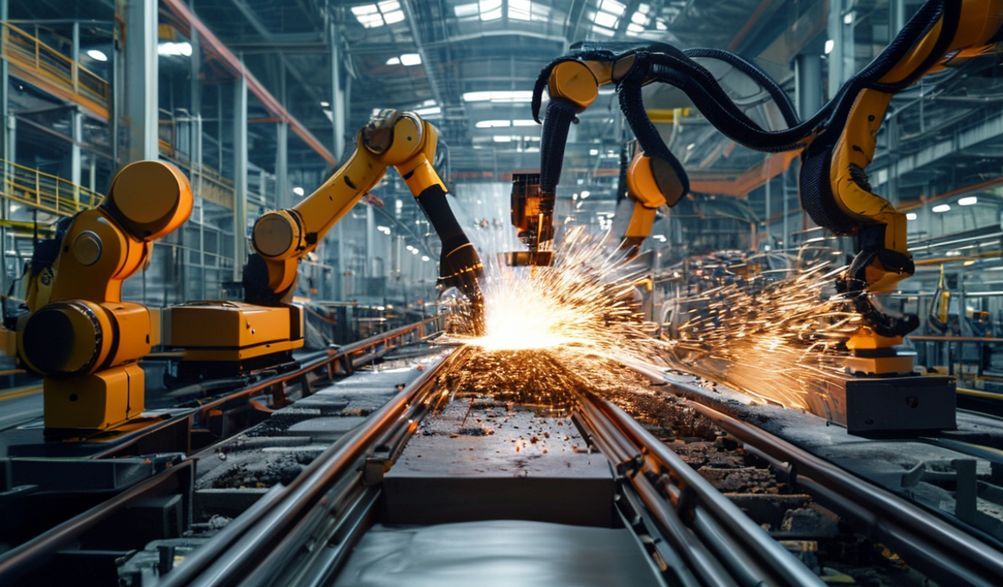
The Ultimate Guide to Block Maker Machines: Inside the FUDA Block Making Factory
The global construction industry is projected to reach a staggering $15.2 trillion by 2030. At the heart of this growth lies a fundamental demand: reliable, consistent, and affordable building materials. For decades, traditional block production has been plagued by inconsistency, labor intensity, and spiraling costs, creating bottlenecks for projects and businesses alike.
The modern solution? Industrial-grade block maker machines. These technological marvels have revolutionized material production, and leading this charge is the FUDA Block Making Factory. This guide is built on a foundation of direct industry expertise, factory-floor insights, and deep technical knowledge. Our goal is to empower you, the buyer or business owner, to make a profoundly informed decision.
We will dissect the technology behind block maker machines, explore their undeniable benefits, and outline the critical factors for selection. Finally, we’ll take you inside the FUDA factory to understand how their approach sets the standard for quality, innovation, and partnership in this vital industry.
What is a Block Maker Machine? Defining Modern Construction
A block maker machine is the core engine of a modern brick or block production plant. It automates the transformation of raw concrete mix into precise, high-strength building units. This isn’t just a simple mold; it’s a sophisticated system that ensures every block meets exacting specifications for size, density, and structural integrity.
Core Function and Output: From Concrete to Crucial Building Blocks
The process within an automatic machine is a symphony of precision engineering:
- Melanj ak Bay Manje: Pre-mixed concrete (aggregate, cement, water) is fed into the machine’s hopper.
- Moulaj: The mix is distributed into a mold cavity on a vibrating pallet.
- Konpakte: High-pressure vibration and hydraulic force compress the material, removing air pockets and ensuring maximum density.
- Ejeksyon ak Gerizon: The newly formed block is ejected onto a rack or conveyor. It then moves to a curing area where it gains strength over time.
This process yields a vast range of products, including:
* Blòk vid: Lightweight, insulating blocks for walls.
* Blòk Solid: Dense blocks for foundations and load-bearing structures.
* Wòch Pave ak Blòk Entèbloke: For driveways, walkways, and hard landscaping.
* Wòch Bò Twotwa: For road edging and landscaping.
* Fòm Espesyal: For unique architectural or civil engineering needs.
Types of Block Making Machines: Finding the Right Fit
Choosing the right machine depends entirely on your scale and goals.
- Machin Manyèl/Semi-Otomatik: Operated with significant human intervention. Ideal for very small-scale projects, startups with limited capital, or custom, low-volume production.
- Machin Pou Fè Blòk Otomatik Nèt: The hallmark of FUDA’s expertise. These computer-controlled systems handle the entire process—feeding, molding, compacting, and stacking—with minimal human oversight. They are designed for high-volume, consistent, and profitable production.
- Machin Blòk Mobil: Compact units that can be towed to a construction site. Perfect for producing blocks directly where they are needed, eliminating transport costs for large projects.
- Liy Pwodiksyon Blòk Estasyonè: Integrated factory systems that include the block machine, mixers, conveyors, and automated curing systems. This is the solution for establishing a major, market-leading block manufacturing plant.
Anndan Faktori FUDA pou Fè Blòk: Yon Sant Ekspètiz
Walking the floor of the FUDA Block Making Factory reveals more than just manufacturing; it showcases a philosophy. It’s where decades of hands-on Eksperyans meet cutting-edge Ekspètiz.
Engineering and Design Philosophy: Built for Durability & Efficiency
FUDA’s machines are not assembled; they are engineered for a 20-year lifespan in harsh industrial environments. This philosophy is built on three pillars:
- Robust Steel Structures: Frames and components are fabricated from high-grade steel, welded and reinforced to withstand constant vibration and massive pressure without deformation.
- Presizyon Idwolik: The heart of the compaction system. FUDA uses reliable, high-efficiency hydraulic systems that deliver consistent pressure for superior block density, cycle after cycle.
- Intelligent PLC Control Systems: The brain of the operation. User-friendly touchscreen interfaces allow for precise control over every parameter—vibration time, pressure, cycle speed—ensuring repeatable quality and easy operation.
The Manufacturing Process: Quality at Every Stage
Quality is not an inspection step at FUDA; it’s integrated into every phase of creation.
- R&D & Prototyping: Designs are simulated and tested digitally before any metal is cut.
- Machinaj Presizyon: Critical components are machined in-house with CNC technology for perfect tolerances.
- Assembly & Integration: Skilled technicians assemble units in dedicated bays, following strict protocols.
- Tès Rigoureux: Every machine undergoes a “hot test” before shipment. This includes hydraulic pressure tests, vibration system checks, and a full production trial run with real concrete to verify output and quality.
Innovation and R&D: Driving the Industry Forward
FUDA aOtorite comes from its role as an innovator. Their R&D focus addresses real-world customer challenges:
- Sistèm Ekonomize Enèji: Designs that reduce power consumption per block, lowering operational costs.
- Quick-Mold-Change Designs: Allowing a single machine to switch between producing different block types in minutes, maximizing market flexibility.
- IoT Integration: Advanced models offer smart monitoring, allowing for remote diagnostics, production data tracking, and predictive maintenance alerts.
Key Benefits of Investing in a Professional Block Maker Machine
Moving from manual methods or outdated equipment to a professional machine like those from FUDA is a transformative business decision.
Unmatched Production Efficiency and Consistency
An automatic block maker machine replaces dozens of laborers. A single FUDA automatic line can produce from 5,000 to over 30,000 standard blocks in an 8-hour shift, depending on the model. More importantly, every block is dimensionally identical, ensuring faster, easier construction and a professional end product.
Significant Cost Reduction and ROI
The economics are compelling:
* Ekonomi nan Travay:Otomatize pati ki pi entansif nan travay nan pwodiksyon an.
* Material Savings: Precise mixing and compaction minimize waste.
* Lower Operational Cost: Higher output spreads fixed costs over more units, and efficient designs reduce energy use. This combination typically leads to a return on investment within 12 to 24 months for a well-managed operation.
Versatility and Product Range Expansion
With a library of interchangeable molds, one machine becomes a multi-product factory. You can produce hollow blocks for a housing project on Monday and switch to paving stones for a commercial complex on Tuesday. This agility allows you to capture diverse market opportunities and buffer against demand shifts in one sector.
Enhanced Strength and Quality of Final Product
High-pressure compaction (measured in tons of force) creates a denser block. This higher density translates directly to:
* Greater Compressive Strength: For safer, more durable structures.
* Improved Weather Resistance: Lower water absorption means better freeze-thaw resilience.
* Fini Sipèfisyèl Sifas: For a more aesthetically pleasing build.
Critical Factors When Choosing Your Block Maker Machine
Selecting the right machine is a strategic investment. Here’s a framework to guide your decision.
Assessing Your Production Needs: Capacity, Space, and Budget
Tèt ou menm:
* Echèl Pwojè What is your target daily/monthly output? Match the machine’s capacity to your sales forecast.
* Espas ki disponib: Do you have a large factory shed, or do you need a more compact layout? Stationary lines require significant space for the machine, curing area, and raw materials.
* Nivo Envestisman: Balance upfront cost with long-term operational savings and growth potential. A slightly larger investment in automation can yield much faster growth.
Technical Specifications You Must Scrutinize
Look beyond the brochure. Key metrics include:
* Tan Sik Seconds per block. This directly determines hourly output.
* Fòs Pwasyon: Measured in tons. Higher pressure = denser, stronger blocks.
* Pouvwa Motè: Indicates overall machine capability and energy draw.
* Nivo Otomatizasyon: From semi-auto pallet feeding to fully robotic stacking.
* Mold Specifications: Standard sizes available and custom mold capabilities.
The Importance of After-Sales Support and Service
Sa se koteFyabite is paramount. A machine is a long-term asset. Ensure your supplier offers:
* Fòmasyon Konplè: On-site training for your operators and maintenance staff.
* Clear Warranty: Understand what is covered and for how long.
* Disponiblite Pyès Depo: A readily available inventory of wear-and-tear parts to minimize downtime.
* Sipò Teknik: Access to engineers for troubleshooting, either remotely or on-site.
Prioritizing a manufacturer with a proven global support network, like FUDA, protects your investment for the long haul.
Beyond the Machine: The Complete Block Production Ecosystem
The block maker is the star, but it needs a supporting cast to perform.
Essential Auxiliary Equipment
- Batching Plant & Mixer: For consistent, homogenous concrete mix.
- Bann Senti Konveyè: To transport raw mix and finished blocks.
- Blòk pou Geri To store and cure blocks in a controlled environment.
- Palletizer/Stacker: For automatic stacking of finished products onto pallets.
Raw Material Selection for Optimal Results
The best machine needs the right ingredients. Quality depends on:
* Siman: Use the appropriate grade (e.g., 42.5R or 52.5R) consistently.
* Agrèga: Well-graded, clean sand and gravel (or crushed stone). Fly ash or slag can be excellent, cost-effective supplementary materials.
* Water Ratio: Precise water control is critical for strength; too much water weakens the final block.
Best Practices for Operation and Maintenance
- Daily: Clean the machine, check hydraulic oil levels and for leaks.
- Weekly: Lubricate all moving parts as per the manual.
- Monthly: Inspect molds for wear, check vibration motors, and tighten bolts.
- Always: Use the correct concrete mix consistency. Too dry or too wet will cause machine strain and poor blocks.
Kesyon yo poze souvan (FAQ)
Q1: What is the average price range for a FUDA fully automatic block maker machine?
A: Prices vary significantly based on model, automation level, and production capacity. A small semi-automatic machine starts in the tens of thousands of USD, while a large, fully integrated automatic production line is a major industrial investment. The most accurate approach is to contact FUDA with your specific output and product requirements for a customized quote.
Q2: Can FUDA machines use local raw materials, like fly ash or crushed sand?
A: Absolutely. A key strength of FUDA machines is their adaptability. Their engineering team has extensive experience optimizing mix designs for locally available materials worldwide. They can provide guidance on the best ratios for your specific sand, aggregate, and supplementary materials like fly ash to ensure quality and cost-efficiency.
Q3: What kind of training and installation support does FUDA provide?
A: FUDA provides a complete support package. This includes on-site installation and commissioning by their experienced engineers, comprehensive hands-on training for your operational and maintenance staff, and detailed operation & maintenance manuals in multiple languages.
Q4: How do I calculate the potential return on investment (ROI) for a block making plant?
A: A simplified framework: 1) Calculate your total investment (machine, auxiliary equipment, factory setup). 2) Determine your daily production capacity. 3) Research the selling price per block in your local market. 4) Estimate your daily operational costs (raw materials, labor, power). 5) Project your daily gross profit. This will give you a clear view of payback period and profitability.
Q5: What is the lead time for machine delivery and how is shipping handled?
A: Lead times depend on the specific model and the current production queue. Typically, it ranges from 30 to 90 days after order confirmation. FUDA manages the entire export process professionally, handling customs documentation, sea freight booking, and delivery to your nearest major port, with guidance on inland transportation.
Konklizyon
Investing in a reliable, high-performance block maker machine is a decisive step toward transforming a construction business. It unlocks unprecedented levels of efficiency, ensures consistent and superior quality, and establishes a foundation for scalable profitability.
Choosing your equipment partner is equally critical. Opting for a leader like the FUDA Block Making Factory means investing in more than hardware. You gain access to decades of engineering Eksperyans, proven technical EkspètizaOtorite of an industry innovator, and the Fyabite that comes with robust, long-term support. It’s a partnership dedicated to building your success.
Ready to build the foundation of your successful block production business? Contact the FUDA engineering team today for a personalized consultation and a detailed factory equipment proposal tailored to your local market.
<