
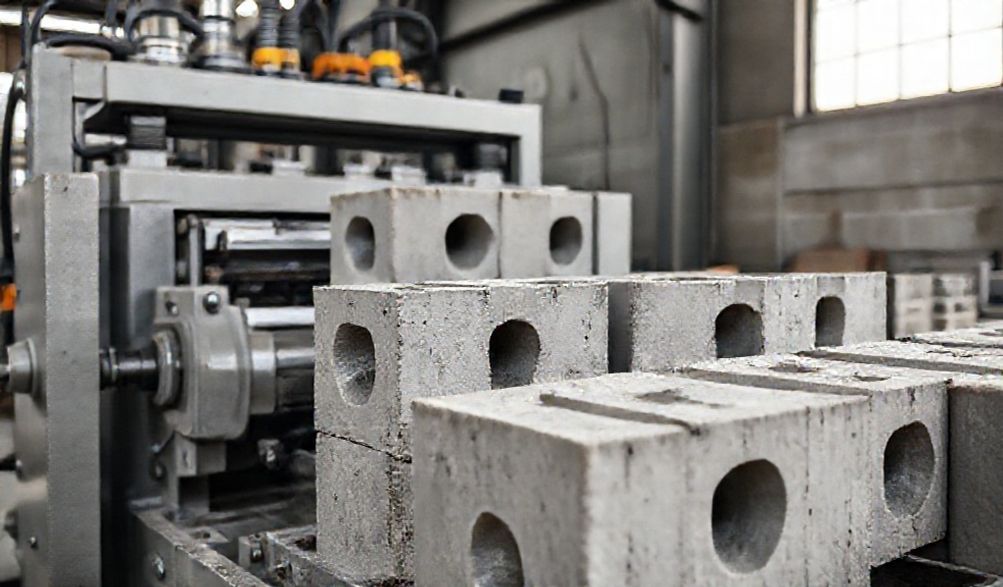
Your Ultimate Guide to Buying a Cement Block Machine for Sale in 2024
Entwodiksyon
The global construction industry is a relentless engine of growth, driven by urbanization, infrastructure development, and the constant need for durable shelter. At the heart of countless projects lies a fundamental building block—quite literally. Cement blocks remain the cornerstone of modern construction, prized for their strength, affordability, and versatility. For entrepreneurs and established businesses alike, producing these blocks presents a tangible opportunity. But the critical first step—acquiring the right cement block machine for sale—is often where ambitions stall.
The market is a maze of technical jargon, wildly varying price points, and suppliers of questionable credibility. How do you differentiate a robust, profit-generating asset from a costly piece of scrap metal? The stakes are high, and the wrong decision can impact your business for years.
This guide is designed to be your definitive roadmap. We cut through the complexity with clear, actionable advice drawn directly from the field. Our goal is to transform you from a cautious buyer into a confident investor. Drawing on over a decade of hands-on experience in construction machinery evaluation, supplier vetting, and on-site production troubleshooting, this guide provides the foundational knowledge and practical insights you need to proceed with confidence. Let’s build your success from the ground up.
Konprann Machin Blòk Siman: Kalite ak Aplikasyon yo
Before diving into specifications and suppliers, it’s crucial to understand the landscape. Cement block machines are not one-size-fits-all; they are engineered for specific scales of operation and end products. Choosing the right category is your most important strategic decision.
Manchèl vs. Semi-Otomatik vs. Otomatik Nèt Machin Blòk
The level of automation directly correlates with investment, labor needs, and output.
-
Machin Blòk Manyèl:
- Operasyon: Entirely human-powered. Operators manually mix concrete, fill molds, compact with a lever, and demold blocks.
- Pri Envestisman: Very Low ($1,000 – $5,000).
- Egzijans Travay: High. Output is directly tied to operator strength and stamina.
- Kapasite Pwodiksyon: Low (100-500 blocks per 8-hour day).
- Ideal Pou: Micro-enterprises, community projects, remote locations with no power, or producing specialty, low-volume items.
-
Machin Blòk Semi-Otomatik:
- Operasyon: The core compaction process (vibration and pressure) is powered mechanically (often by an electric motor). Operators or feeders manually load the raw mix and remove finished blocks/pallets.
- Pri Envestisman: Medium ($8,000 – $30,000).
- Egzijans Travay: Moderate. Typically requires 2-4 people for efficient operation.
- Kapasite Pwodiksyon: Medium to High (1,000 – 4,000 blocks per 8-hour shift).
- Ideal Pou: The vast majority of small to medium-sized businesses (SMEs). Offers the best balance of affordability, output, and flexibility. It’s the most popular entry point for serious commercial production.
-
Machin Blòk Otomatik Konplè:
- Operasyon: Computer-controlled production lines. Automated systems handle raw material batching, mixing, molding, curing, stacking, and sometimes pallet return. Human oversight is for monitoring and maintenance.
- Pri Envestisman: High ($50,000 – $500,000+).
- Egzijans Travay: Low. May only require 1-2 skilled technicians per shift.
- Kapasite Pwodiksyon: Very High (5,000 – 20,000+ blocks per 8-hour shift).
- Ideal Pou: Large-scale factories, government projects, or businesses supplying major contractors. Justifies its cost through immense output and consistent quality.
Kalite Machin Kle Selon Pwodiksyon
Beyond automation, machines are specialized by the type of block they produce.
- Hollow Block Making Machine: The industry workhorse. Produces blocks with cavities (hollow cores), reducing weight and material cost while maintaining structural integrity. Used for walls in buildings, fences, and partitions. Standard sizes include 4″, 6″, and 8″ thicknesses.
- Paver Block Machine: Designed for producing interlocking concrete tiles used in driveways, walkways, parking lots, and landscaping. These machines create blocks with precise dimensions and textured surfaces, often using high-pressure vibration for superior density and finish.
- Solid Block Machine: Produces dense, solid concrete blocks used where extreme compressive strength is needed: foundations, load-bearing walls, and retaining structures. The molds have no cavities.
- Curbstone Making Machine: A specialized machine for manufacturing the long, heavy concrete edging used for roads, gardens, and pavements. These often involve extrusion or slipform processes.
Faktè Enpòtan Pou Konsidere Anvan Ou Achte
With the types clear, you must drill down into the specifications that determine real-world performance and longevity. This is where expertise separates a good buy from a regrettable one.
Kapasite Pwodiksyon ak Espesifikasyon Pwodiksyon
Don’t just look at the “big number” in the brochure. Understand what it means.
* Sik pa lè: How many times the machine can complete a molding cycle in 60 minutes. A faster cycle doesn’t always mean more blocks.
* Blòk pou chak sik How many blocks of your desired size (e.g., 4″ hollow block) the mold can produce in one cycle. A machine might make 3 blocks/cycle for a larger block or 10 blocks/cycle for a smaller paver.
* The Math: Hourly Output = Cycles per Hour x Blocks per Cycle. Match this to your realistic sales projections. A common mistake is buying a massive, expensive machine that operates far below capacity, killing your ROI.
Machine Quality & Core Components
The durability of your machine hinges on these parts. Insist on detailed information about each.
* Kad ak Estrikti: Must be fabricated from high-grade, reinforced steel plate (minimum 10-12mm thickness is a good benchmark for semi-auto machines). A weak frame will flex under pressure, leading to misalignment, poor block quality, and premature failure.
* Sistèm Vibration: The heart of block density. Look for eccentric shaft vibrators mounted on a heavy-duty vibration table. Key specs include vibration frequency (Hz)akanplitid. A powerful, well-balanced system ensures tightly compacted blocks that demold cleanly and cure strong.
* Sistèm Idwolik: For semi- and fully-automatic machines. Check the quality of the hydraulic pump, cylinders, and valves. Brands like Rexroth or Yuken are reputable. The system should provide consistent, high pressure (measured in MPa or PSI) for reliable compaction and movement.
* Kalite Mwazi: This is your consumable profit center. Molds should be made from hardened, high-chrome alloy steel for abrasion resistance. A poorly made mold will wear quickly, producing blocks with rough edges and inconsistent dimensions.
Power Requirements & Operational Costs
The purchase price is just the beginning. Understand your running costs.
* Sous Pouvwa: Electric motors are clean and efficient for fixed locations with grid power. Diesel engines offer mobility and are essential for sites without electricity. Some models offer hybrid options.
* Konsomasyon Enèji: Ask for the motor’s kW or HP rating. A 15kW motor running 8 hours a day has a very different cost implication than a 7.5kW motor. Calculate this into your block production cost.
* Long-Term View: A slightly more expensive machine with a higher-efficiency motor can save thousands in energy costs over its lifespan.
Space, Layout, and Auxiliary Equipment
The machine doesn’t work in isolation. Plan your entire production cell.
* Pye pye: Account for the machine’s size plus clearance for operation, maintenance, and material handling.
* Curing Area: Freshly molded blocks need to cure for 7-14 days in a controlled, humid environment. This area can be 5-10 times larger than your production floor.
* Essential Auxiliary Equipment:
* Miksè Konkrè: A pan mixer or planetary mixer is critical for producing a consistent, homogeneous raw mix.
* Sistèm Alimantasyon/Sikilasyon Palèt: For semi-auto machines, a system to feed empty pallets and remove filled ones drastically improves efficiency.
* Block Carts & Stackers: For moving and stacking green (uncured) blocks.
How to Find Reliable Cement Block Machine Suppliers
Navigating the supplier landscape is perhaps the greatest test of a buyer’s due diligence. Here’s how to separate the trustworthy from the dubious.
Evaluating Manufacturer vs. Distributor
- Buying Direct from a Manufacturer:
- Avantaj: Typically lower price, direct access to technical teams, ability to customize, clearer lineage for parts.
- Desavantaj: May be overseas (language/time zone barriers), longer lead times, potentially complex logistics and import duties, after-sales support may be slower.
- Buying from a Local Distributor/Dealer:
- Avantaj: Local language support, faster delivery of machine and parts, may handle installation and training, understands local market needs.
- Desavantaj: Higher price (includes their margin), limited customization options, dependent on the distributor’s technical competency.
Red Flags and Green Flags in Suppliers
Red Flags (Proceed with Extreme Caution):
* Vague or non-existent technical specification sheets.
* Unwillingness to provide a detailed list of spare parts with prices.
* “Too good to be true” pricing significantly below market average.
* No clear information about warranty terms or after-sales service.
* Company website has poor English, stock photos only, and no verifiable physical address or history.
* Pressure to pay via unsecured methods (e.g., direct wire transfer without contract).
Green Flags (Signs of a Reputable Partner):
* Provides comprehensive, detailed machine manuals and spec sheets upfront.
* Offers live video calls to show their factory or machines in operation at a customer’s site.
* Clearly outlines shipping costs, Incoterms (e.g., FOB, CIF), installation, and training procedures.
* Has a documented track record with customer testimonials, including video and contact information (with permission).
* Communicates professionally and promptly, answering technical questions knowledgeably.
The Importance of After-Sales Support
This is non-negotiable. A machine without support is a liability.
* Garanti: Expect a standard 12-month warranty on major components. Understand what is and isn’t covered.
* Pye De Rechanj: The supplier must guarantee the availability of critical wear parts (molds, vibration motors, hydraulic seals) for the expected life of the machine. Ask for a parts catalog.
* Sipò Teknik: Is support available via phone, WhatsApp, or video call? What are the response time guarantees?
* Operator Training: Will they provide on-site or video training for your team? Proper training prevents costly mistakes and downtime.
Investment Analysis: Cost, ROI, and Financing
Let’s translate technical specs into financial sense. A disciplined analysis here protects your capital.
Breaking Down the Total Cost of Ownership
Your budget must extend far beyond the machine’s invoice price:
1. Machine Purchase Price.
2. Anbake ak Lojistik: Sea freight, insurance, port fees, inland transportation.
3. Import Duties & Taxes: Varies significantly by country.
4. Enstalasyon ak Komisyon: May require a technician’s travel and expenses.
5. Initial Spare Parts Kit: A recommended inventory of wear parts.
6. Foundation & Utilities: Preparing the site (concrete foundation, electrical hookup).
7. Ekipman Oksilyè: Mixer, pallets, carts (as discussed).
Calculating Your Potential Return on Investment (ROI)
Use a simplified framework to model profitability:
1. Daily Output Value: (Blocks per Day) x (Selling Price per Block).
2. Daily Operational Costs:
* Raw Materials (Cement, Sand, Aggregate).
* Labor.
* Power/Fuel.
* Maintenance & Depreciation (allocate a small daily amount).
3. Daily Gross Profit: Output Value – Operational Costs.
4. ROI Timeline: (Total Investment Cost) / (Daily Gross Profit) = Approximate days to break even.
Egzanp: A $25,000 semi-automatic setup producing 2,000 blocks/day sold at $0.50 each, with daily costs of $400, yields a daily gross profit of $600. Simple payback period: ~42 days of production. This model, while simplified, highlights the powerful economics of block making.
Exploring Financing and Equipment Leasing Options
If capital is constrained, investigate:
* Equipment Financing Loans: From banks or specialized lenders, using the machine as collateral.
* Leasing: Allows you to use the machine for a monthly fee, often with a buyout option at the end. Preserves working capital.
* Supplier Credit: Some established suppliers offer in-house payment plans.
Optimizing Your Operation for Success
Your investment’s long-term value is determined by how you operate and maintain it.
Best Practices for Machine Maintenance
Prevention is always cheaper than repair.
* Daily: Clean the machine thoroughly after each shift. Check hydraulic oil levels and for leaks. Inspect mold and pallets for damage.
* Weekly: Grease all lubrication points. Tighten bolts and check electrical connections.
* Monthly: Change hydraulic oil and filters as per manual. Inspect vibration motors and springs. Perform a full system check.
Sourcing Quality Raw Materials
The machine can only form what you feed it. Poor materials make poor blocks and strain the equipment.
* Siman: Use fresh, reputable-brand Portland cement. Check the manufacturing date.
* Aggregates & Sand: Must be clean, hard, and well-graded. Avoid silt or organic matter. The right mix design (ratios of cement:sand:aggregate:water) is critical for strength and workability.
Troubleshooting Common Block Making Issues
- Cracked Blocks: Usually caused by incorrect water-cement ratio (too much water), excessive vibration time, or improper curing (drying too fast).
- Poor Surface Finish/Sticking in Mold: Worn-out mold, insufficient vibration or pressure, or a lack of mold release agent.
- Slow Demolding or Block Breakage: Insufficient curing time before handling, low compaction strength, or a damaged pallet.
Frequently Asked Questions (FAQ) About Cement Block Machines
Q1: What is the average price range for a cement block machine for sale?
A: Prices vary dramatically by type and automation. Manual machines start around $1,000-$5,000. Semi-automatic machines, the most common commercial choice, range from $8,000 to $30,000. Fully automatic production lines begin around $50,000 and can exceed $500,000 for large, sophisticated systems. Always remember: specification dictates price.
Q2: Can I start a block making business with a semi-automatic machine?
A: Absolutely. In fact, a semi-automatic machine is the most recommended and practical entry point for a serious startup. It balances affordable investment with commercially viable output (typically 1,000-4,000 blocks per day) and manageable labor needs (2-4 people).
Q3: How long does it take to learn to operate a block making machine?
A: Basic operation—loading mix, starting the cycle, removing blocks—can be taught in a few days. However, achieving proficiency in mix design, troubleshooting common problems, and performing routine maintenance takes several weeks of consistent, hands-on experience. Quality supplier training is invaluable for accelerating this process.
Q4: What is the typical lead time for delivery and installation?
A: If purchasing from local stock, delivery can take a few weeks. For machines shipped from overseas (e.g., China, India, Europe), lead times are typically 2-4 months for production, plus 4-8 weeks for sea shipping. Installation and commissioning by a technician may add another 1-2 weeks.
Q5: How do I ensure I’m getting a genuine and durable machine?
A: Conduct thorough due diligence: 1) Request and contact 2-3 customer references from the supplier’s own country and yours, if possible. 2) Ask for a real-time video call to see the machine running in their workshop. 3) Verify the company’s business license and factory address. 4) Insist on a detailed commercial contract that explicitly states warranty terms, payment milestones, and delivery obligations.
Konklizyon
Purchasing a cement block machine is more than a transaction; it’s a strategic investment in your business’s productive capacity. The path to a profitable decision lies in methodical planning: carefully matching the machine type and capacity to your specific goals, scrutinizing the quality of core components, and, above all, partnering with a reputable supplier who stands behind their product with robust after-sales support.
While the allure of the lowest price is strong, true value is measured in years of reliable, low-downtime production. By applying the factors outlined in this guide—principles forged from real-world industry experience and machinery evaluation—you empower yourself to ask the right questions, spot potential pitfalls, and ultimately select equipment that will form the solid foundation of your success for years to come.
Ready to take the next step with confidence? For a personalized consultation tailored to your project scope or to access our curated directory of vetted machinery suppliers with verified performance records, reach out to our specialist team today.
<