
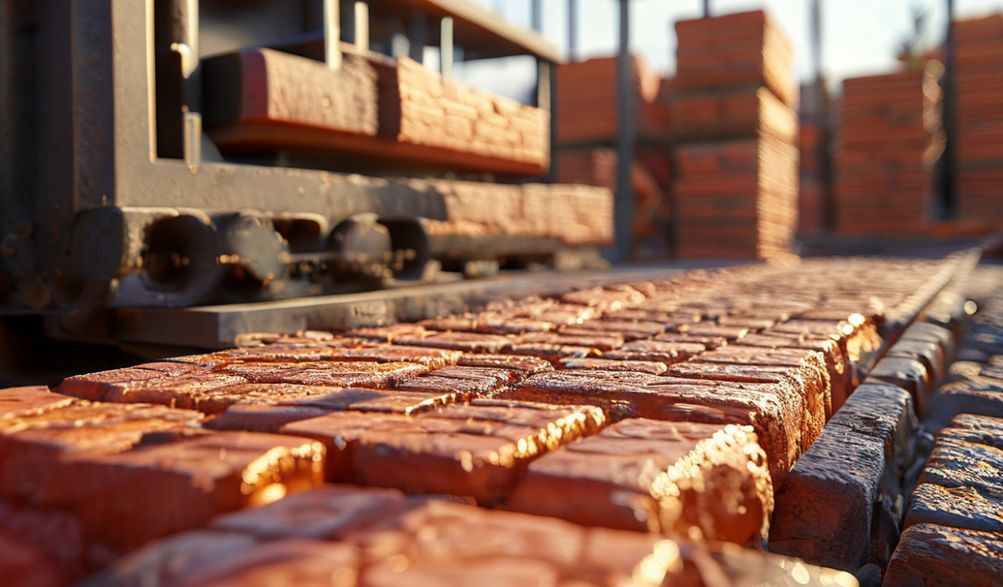
The Ultimate Guide to Interlocking Brick Machines: Types, Benefits, and How to Choose
The global need for sustainable, affordable, and resilient housing is one of the defining challenges of our time. Traditional construction methods often grapple with high costs, material waste, and lengthy timelines. Enter a transformative solution: bata interlock. These innovative building blocks are revolutionizing construction, and at the heart of this revolution is the mesin bata interlock.
An interlocking brick machine is a specialized device that compresses a mixture of soil, sand, and a small percentage of cement into dense, precisely shaped bricks. These bricks feature a designed pattern—like knobs and grooves—that allows them to lock together without the need for wet mortar. This simple yet profound technology unlocks a world of possibilities for builders, entrepreneurs, and communities.
This comprehensive guide is designed to be your expert resource. We’ll demystify how these machines work, explore their undeniable benefits, break down the different types available, and provide a practical framework to help you choose the right one. Our insights are grounded in industry specifications, manufacturer data, and practical field knowledge, ensuring you receive reliable, actionable information.
Apa itu Mesin Bata Interlocking dan Bagaimana Cara Kerjanya?
At its core, an interlocking brick machine transforms loose, raw earth into a durable, standardized building component through immense pressure. Understanding this process is key to appreciating its efficiency and potential.
The Core Principle: Hydraulic or Mechanical Compression
The fundamental operation is straightforward but powerful. A prepared mixture of raw materials is fed into a mold chamber. The machine then applies extreme force—typically through a ram hidrolik or a mechanical lever system—to compress the mixture. This pressure, often measured in tons, realigns the soil particles, drastically reducing voids and creating a brick of high compressive strength. Once compressed, the brick is ejected, ready for curing.
Komponen Utama Mesin
While designs vary, most machines share these essential parts:
* Hopper: The entry point where the raw material mix is loaded.
* Cetakan/Die: The heart of the machine. This steel cavity defines the brick’s final shape, size, and interlocking pattern. Different molds can produce different brick designs.
* Sistem Kompresi: This is the power source. It can be a hydraulic pump and cylinder (for smooth, high-pressure operation) or a manual lever (for human-powered force).
* Mekanisme Pengeluaran: After compression, a plate or ram pushes the finished brick out of the mold, making way for the next cycle.
The Raw Materials: From Soil to Sustainable Brick
The magic lies in the material simplicity. A typical mix includes:
* Soil/Sand (90-95%): The primary ingredient. Ideally, it should be a well-graded mixture of sand, silt, and a small amount of clay. The soil must be free of organic matter.
* Cement or Lime (5-10%): Acts as a stabilizer. This small amount binds the soil particles, providing durability and weather resistance.
Pro Insight: Always conduct a simple soil suitability test before committing to a machine. The right soil composition is critical for brick integrity. Many reputable suppliers can guide you through this process.
Top Benefits of Using Interlocking Bricks & Machines
Adopting this technology isn’t just about making bricks; it’s about embracing a smarter construction methodology with cascading advantages.
Cost-Efficiency and Economic Advantage
This is often the most compelling driver. Savings are realized across the board:
* Material Costs: Drastic reduction or elimination of mortar. You only need the stabilized earth mix.
* Biaya Tenaga Kerja: The dry-stacking process is significantly faster and requires less skilled labor than traditional bricklaying.
* Construction Time: Walls rise quickly, reducing overall project timelines and financing costs.
Superior Strength and Durability
Don’t let the simplicity fool you. A well-made interlocking brick is exceptionally strong.
* The high-pressure compaction creates a dense block with compressive strength often ranging from 3 to 10 MPa or more—suitable for multi-story buildings.
* The interlocking design distributes load evenly across the wall, enhancing resistance to seismic activity and heavy loads.
Keberlanjutan Lingkungan
In an era of green building, this technology shines.
* Jejak Karbon Rendah: Minimal cement use (a major CO2 producer) and the ability to use on-site or locally sourced soil reduce embodied energy.
* Efisiensi Energi: The production process consumes far less energy than fired clay bricks.
* Minimal Waste: There are no off-cuts or leftover mortar, and the bricks themselves are often fully recyclable.
Construction Speed and Simplicity
The building process itself becomes more efficient.
* Dry-Stacking: Bricks are laid like LEGO® blocks, speeding up construction by up to 50% compared to conventional methods.
* Reduced Skill Barrier: With basic training, non-expert laborers can achieve consistent, high-quality walls.
* Fleksibilitas Desain: The uniform bricks allow for clean lines and can be easily plastered or left exposed for a natural aesthetic.
Types of Interlocking Brick Machines: Finding the Right Fit
Your project’s scale and budget will determine the ideal machine type. Here’s a breakdown of the main categories.
Mesin Bata Interlocking Manual
- Terbaik Untuk: Small-scale projects, community self-help housing, DIY enthusiasts, and pilot projects.
- Operasi: Entirely human-powered using a lever. Requires significant physical effort.
- Keluaran: Realistically, 300 to 800 bricks per day with a dedicated operator or team.
- Kelebihan: Very low initial investment, portable, no power required, simple maintenance.
- Kekurangan: Labor-intensive, lower and less consistent output, dependent on operator stamina.
Mesin Bata Interlocking Semi-Otomatis
- Terbaik Untuk: Small to medium-sized businesses, steady production for housing projects.
- Operasi: Typically uses an electric or diesel motor to power the hydraulic compression system. Feeding and brick removal are often manual.
- Keluaran: Can range from 1,000 to 3,000 bricks per 8-hour shift, depending on model.
- Kelebihan: Good balance between cost and output, reduces physical labor, more consistent brick quality.
- Kekurangan: Higher upfront cost than manual machines, requires a power source.
Fully Automatic Interlocking Brick Machines
- Terbaik Untuk: Large-scale commercial production, supplying bricks for major developments.
- Operasi: Fully integrated system with automated material feeding, mixing, compression, and brick stacking/palletizing. Often controlled via a PLC (Programmable Logic Controller).
- Keluaran: Can exceed 5,000 to 20,000+ bricks per day.
- Kelebihan: Maximum output, exceptional consistency, minimal manual labor, highest efficiency.
- Kekurangan: Substantial capital investment, requires skilled operation and maintenance, less mobile.
Mesin Bergerak vs. Mesin Stasioner
- Mesin Bergerak: Mounted on a trailer. The ultimate solution for on-site production, eliminating transport costs for finished bricks. Ideal for large, remote projects.
- Mesin Stasioner: Set up in a fixed location (a yard or factory). Suited for a centralized production hub supplying multiple sites within a reasonable radius.
Faktor-Faktor Penting yang Perlu Dipertimbangkan Sebelum Membeli
Making an informed purchase decision requires careful self-assessment and research. Don’t just buy a machine; invest in a solution.
Assessing Your Production Needs (Capacity)
Tanyakan pada dirimu sendiri:
* What is the scale of my immediate project? (e.g., a single house, a 50-unit development)
* How many bricks do I need per day/week to meet my timeline?
* Do I plan to expand production in the future? (Consider a machine with some growth capacity).
Raw Material Availability and Testing
This is non-negotiable. The “right” machine must work with Anda soil.
* Test Your Soil: Perform basic sieve and sedimentation tests to understand its composition (clay, silt, sand ratio).
* Consult the Manufacturer: Provide your soil test results. A reputable supplier will confirm if their machine can produce quality bricks from your material and recommend the optimal stabilizer ratio.
Power Source and Operational Costs
Consider your site’s infrastructure and long-term running costs.
* Model Listrik: Clean, quiet, and lower operating cost where grid power is reliable and affordable.
* Model Diesel: Offer independence from the grid, essential for remote sites. Higher fuel and maintenance costs.
* Model Hibrida: Offer flexibility but at a higher purchase price.
Machine Durability and After-Sales Support
The machine’s quality is only as good as the support behind it.
* Kualitas Pembuatan: Look for robust steel frames, hardened steel molds, and reputable hydraulic components.
* Suku Cadang: Ensure critical spare parts (like seals, mold liners) are readily available.
* Supplier Reputation: Prioritize suppliers who offer comprehensive training, a clear warranty, and reliable technical support. This after-sales service is critical for your long-term success.
Step-by-Step: Operating and Maintaining Your Machine
Proper operation and maintenance are the keys to productivity and machine longevity.
Safe Setup and Initial Operation Procedures
- Secure Foundation: Place the machine on a level, solid concrete base.
- Power & Safety: Ensure all electrical connections are safe and guards are in place. Keep the work area clean.
- Test Run: Conduct a test run with your material mix without compression to ensure smooth feeding and ejection.
- First Batch: Produce a small batch, check brick dimensions and quality, and adjust the mix or compression if needed.
Daily Operation and Quality Control Checks
- Mix Consistency: Ensure the raw material mix is uniform in moisture content and composition.
- Brick Check: Periodically measure brick dimensions and weight. Perform a simple drop test (a good brick shouldn’t break when dropped from waist height).
- Machine Sounds: Listen for unusual noises from the hydraulic system or motor.
Essential Maintenance Schedule
- Harian: Clean the mold, hopper, and ejection plate thoroughly. Check for loose bolts and hydraulic leaks.
- Mingguan: Lubricate all moving parts as per the manual. Inspect the mold for wear.
- Bulanan: Check hydraulic fluid levels and condition. Inspect electrical connections and tighten as necessary.
Applications of Interlocking Bricks in Modern Construction
The versatility of interlocking bricks opens doors across the construction spectrum.
Affordable Housing Projects
This is the flagship application globally, from rural self-build homes to government-led social housing schemes. The cost savings and speed are transformative.
Commercial and Institutional Buildings
Schools, clinics, community centers, and office buildings benefit from the method’s speed, durability, and excellent thermal mass for energy efficiency.
Landscape and Infrastructure Projects
- Retaining Walls: The interlocking design provides excellent mechanical stability for earth retention.
- Pavements and Walkways: Permeable paving options are possible.
- Garden Features: Planters, benches, and decorative walls.
Disaster-Resilient and Emergency Shelters
The combination of seismic resistance and rapid construction makes this technology ideal for post-disaster reconstruction and building resilient community shelters.
Pertanyaan yang Sering Diajukan (FAQ)
Q: What is the typical compressive strength of interlocking bricks?
A: Strength varies based on soil type, stabilizer content, and machine pressure. A common range is 3 to 10 Megapascals (MPa), with many commercial machines producing bricks exceeding 7 MPa—more than adequate for two- and three-story buildings.
Q: Can I use pure clay or soil without cement?
A: For permanent, weather-resistant structures, a stabilizer is essential. Pure soil bricks can erode. However, the cement or lime ratio can be very low (as little as 5%). In some cases, natural stabilizers like plant fibers can be used for non-load-bearing applications.
Q: How many bricks can a manual machine produce per day?
A: A realistic output for a single skilled operator using a manual lever press is between 300 and 800 bricks in an 8-hour day. Output depends heavily on the operator’s efficiency and the workflow for material preparation.
Q: Is special training needed to operate these machines?
A: While the concept is simple, proper training from your supplier is highly recommended. Effective training covers optimal mix design, machine operation, basic troubleshooting, and safety protocols—ensuring you get the best results from your investment.
Q: Are interlocking brick buildings approved by building codes?
A: Approval varies by country and region. Many countries, informed by organizations like UN-HabitatdanASTM International (which has standards for compressed earth blocks), have incorporated them into their building codes. It is crucial to consult with local structural engineers and building authorities before commencing any structural project.
Kesimpulan
Interlocking brick machines represent more than just a piece of equipment; they embody a shift towards more rational, sustainable, and accessible construction. By marrying economy with strength and environmental stewardship, this technology offers a powerful answer to some of today’s most pressing building challenges.
Your journey starts with clear goals. Define your project scope, conduct thorough soil testing, and prioritize suppliers who offer not just a machine, but a partnership with robust training and support. We encourage you to use this guide as a foundation for further research, to engage with professional engineers for structural designs, and to connect with reputable manufacturers for detailed quotations and live demonstrations.
This guide is intended as an expert-backed educational resource. For specific projects, always seek advice from qualified engineering and construction professionals.
<