
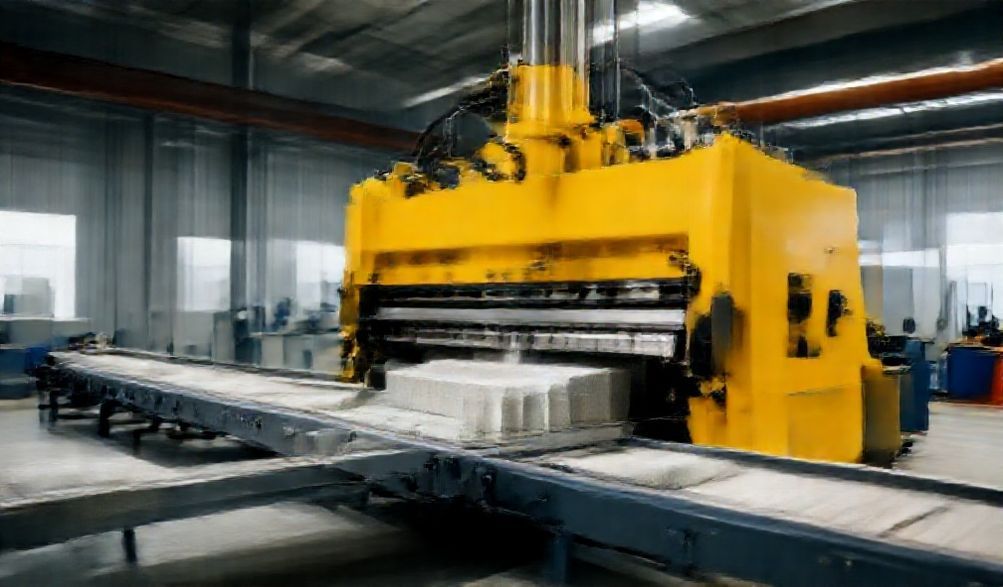
Panduan Utama Anda untuk Pemasok Mesin Pembuat Batu Bata Hidrolik China & Pabrik FUDA
Pengantar
The global construction industry is in a perpetual state of growth, driving an insatiable demand for durable, affordable, and sustainable building materials. At the heart of this material production are brick making machines, the workhorses that transform raw earth, concrete, and industrial by-products into the very blocks of our infrastructure. Among the various technologies available, hydraulic brick making machines have emerged as the gold standard for efficiency, quality, and versatility.
China, as the world’s manufacturing powerhouse, is home to a vast ecosystem of industrial machinery suppliers. Navigating this landscape can be daunting. For every reputable factory committed to quality and innovation, there are others prioritizing cost over longevity. Choosing the right partner is not just a purchase; it’s a long-term investment in your project’s productivity and profitability.
This guide serves as your comprehensive resource. We will demystify hydraulic brick making technology, provide a clear framework for evaluating Chinese suppliers, and conduct a detailed, objective analysis of one prominent player in the field: the Pabrik Pembuatan Batu Bata FUDA. Our goal is to arm you with the knowledge and critical questions needed to make a confident, informed decision for your business.
Memahami Mesin Pembuat Bata Hidrolik
Before evaluating suppliers, it’s crucial to understand the machinery at the core of your investment. Hydraulic brick making machines represent a significant technological leap from older mechanical or manual methods.
Cara Kerja Mesin Pembuat Batu Bata Hidrolik
The principle is elegant in its power: using pressurized fluid to create immense, controlled force. Here’s a simplified breakdown of the process:
- Pemberian Makan: The prepared raw material mix (e.g., concrete, clay, fly ash) is fed into a mold cavity, often via an automated hopper system.
- Kompresi: A hydraulic pump drives a piston (or multiple pistons) to exert tremendous pressure—often measured in hundreds of tons—onto the material within the mold. This pressure compacts the material to a very high density.
- Pengusiran: After compression, the mold opens, and the newly formed, solid brick or block is ejected onto a pallet or conveyor belt for curing.
- Siklus Ulang: The system resets automatically, and the cycle begins again, with modern machines capable of running this process every 10-30 seconds.
This hydraulic action is what grants these machines their superior performance characteristics.
Kelebihan Utama Dibandingkan Metode Pembuatan Batu Bata Lainnya
- Unmatched Product Density & Strength: The high, sustained hydraulic pressure compacts material particles more tightly than vibration or impact methods. This results in bricks and blocks with superior compressive strength, lower water absorption, and better durability.
- High Efficiency & Automation: Modern hydraulic machines are designed for continuous operation. They can be integrated with automatic feeders, pallet conveyors, and stackers, creating a semi- or fully-automated production line that maximizes output while minimizing labor.
- Fleksibilitas Bahan Baku yang Luar Biasa: A single hydraulic machine can often produce bricks from a wide range of materials—from traditional clay and concrete to eco-friendly options like fly ash, slag, and even certain types of soil—by simply adjusting the pressure and, sometimes, the mold.
- Consistent Quality & Lower Waste: The precision of hydraulic control ensures every brick in a batch is identical in dimension and density. This consistency reduces waste from sub-standard products and ensures predictable performance in construction.
Menjelajahi Lanskap Pemasok Cina
Sourcing heavy machinery from China offers significant value but requires diligent vetting. Here’s what separates market leaders from the rest.
Apa yang Harus Dicari dalam Pemasok yang Terpercaya
- Proven Manufacturing Experience & History: Look for a supplier with a track record measured in decades, not years. A long history typically indicates stability, accumulated technical knowledge, and an established reputation to uphold.
- In-House R&D and Technical Expertise: The best suppliers don’t just assemble parts; they engineer solutions. An active R&D department signals a commitment to innovation, energy efficiency, and adapting to new market demands.
- Recognized Quality Certifications: Certifications are independent validations of a factory’s processes. Key ones to look for include:
- ISO 9001: International standard for Quality Management Systems.
- Sertifikasi CE: Indicates conformity with health, safety, and environmental standards for products sold within the European Economic Area.
- Other industry-specific certifications.
- Comprehensive After-Sales Service: The relationship begins after the sale. A reputable supplier will offer clear warranty terms, a readily available inventory of spare parts, and accessible technical support for installation, training, and troubleshooting.
Common Challenges When Sourcing from China & How to Overcome Them
- Communication Barriers: Technical specifications can get lost in translation.
- Solution: Insist on communication with a dedicated, English-speaking technical sales engineer. Use detailed, written specifications and diagrams. Consider a third-party inspection agent if needed.
- Verifying Quality Claims: Brochures can be misleading.
- Solution: Request a live video tour of the factory floor. Ask for verifiable customer references from your region. If the order value is high, plan an in-person factory audit or hire a local inspection company to conduct one on your behalf.
- Logistics & Customs Complexity: Shipping heavy machinery is complex.
- Solution: Work with suppliers experienced in export. Clarify Incoterms (e.g., FOB, CIF) upfront to understand who is responsible for shipping, insurance, and customs clearance at each stage. Use a reliable freight forwarder.
- Contractual Clarity: Ambiguity leads to disputes.
- Solution: Ensure your contract explicitly details payment terms (e.g., 30% deposit, 70% before shipment), technical specifications, delivery timeline, warranty scope, and penalties for non-compliance.
Deep Dive: FUDA Brick Making Factory Analysis
Let’s apply the above criteria to a concrete example. Based on publicly available information and industry positioning, here is an analysis of the FUDA Brick Making Factory.
Company Profile: History, Scale, and Market Position
FUDA has established itself as a specialized manufacturer in the brick making machinery sector. The company operates from industrial bases in China, serving a global clientele. With an annual production capacity reaching into the thousands of units, they position themselves as a volume-capable supplier for both medium and large-scale projects. Their stated mission often revolves around providing “intelligent and eco-friendly brick making solutions,” focusing on automation and sustainable material use.
Product Range and Technical Specifications
FUDA typically offers a range of hydraulic brick making machines to suit different scales of operation:
- Fully Automatic Models: High-output machines integrated with PLC control systems, auto-pallet feeders, and stackers. Output can range from 2,000 to over 10,000 standard bricks per 8-hour shifttergantung pada modelnya.
- Semi-Automatic Models: More manual feeding and block removal, suitable for lower investment budgets or smaller production needs.
- Key Technical Features:
- Tekanan Hidrolik: Systems designed to deliver consistent pressure, often in the range of 18-21 MPa, ensuring high brick density.
- Versatile Molding: Capable of producing a wide array of products: solid/hollow blocks, paving stones, curbstones, and interlocking bricks.
- Kustomisasi: Many models can be customized for specific raw material recipes and finished product dimensions.
FUDA’s Commitment to Quality and Innovation
A closer look at FUDA’s operations reveals a focus on structured manufacturing:
* Kontrol Kualitas: They typically implement a multi-stage QC process, from incoming inspection of steel and hydraulic components to rigorous running tests of every assembled machine before shipment.
* Fokus R&D: Their development efforts appear directed towards energy-saving motors, simplified maintenance access pointsdanuser-friendly PLC touchscreen interfaces to reduce operational expertise required.
* Kepatuhan terhadap Standar: Machines are generally manufactured to meet CE standards for export, and the factory often holds ISO certification, which buyers should verify for the specific year.
Customer Support and Global Service Network
FUDA, like other established suppliers, structures its support to facilitate global trade:
* Pre-Shipment Support: Provides foundation drawings, utility requirements, and layout guidance.
* Pelatihan: Offers comprehensive operational and maintenance training, either at the factory for visiting technicians or via detailed video manuals and on-site guidance during installation.
* Layanan Purna Jual: Warranty periods are standard (e.g., 12-18 months for core parts). They maintain a parts inventory for prompt dispatch and have a network of technical partners in key export regions like Africa, Southeast Asia, and the Middle East for faster local response.
Making an Informed Purchase Decision
With a clear understanding of the technology and the supplier landscape, you can now focus on your specific needs.
Matching the Right Machine to Your Project Needs
Ask yourself these questions before contacting any supplier:
* Production Volume: What is your daily or monthly brick requirement? (This dictates machine cycle speed and level of automation).
* Jenis & Ukuran Bata: What specific products will you make? (This determines the mold and machine pressure needed).
* Bahan Baku: What is your primary raw material? (Confirm the machine is compatible).
* Available Space & Power: What are the dimensions of your workshop, and what electrical power is available?
* Anggaran: What is your total investment budget, including machine, shipping, installation, and initial spare parts?
The Supplier Evaluation Checklist
Use this list to score potential suppliers, including FUDA:
– [ ] Company Credentials: 10+ years in business? Valid ISO/CE certifications?
– [ ] Technical Capability: In-house R&D team? Can they provide engineering calculations for your specific material?
– [ ] Production Audit: Can you conduct a virtual or physical factory tour?
– [ ] Product Quality: Are critical components (hydraulic pumps, PLCs, steel) from reputable brands?
– [ ] After-Sales Policy: Is the warranty document clear? What is the promised response time for spare parts?
– [ ] Reference Check: Can they provide contactable clients in a similar market?
– [ ] Communication: Is the sales contact technically proficient and responsive?
Steps for a Successful Procurement Process
- Initial Inquiry: Send a detailed project specification to 3-5 shortlisted suppliers.
- Quote & Clarification: Review proposals. Ask for clarification on every ambiguous point.
- Due Diligence: Conduct reference checks and factory audits (virtual/in-person).
- Negotiation & Contract: Finalize terms, payment schedule, and delivery details in a legally binding contract.
- Production & Inspection: Request production photos/videos. Consider a pre-shipment inspection.
- Shipping & Installation: Coordinate logistics with your forwarder. Plan for technician arrival for installation and training.
- After-Sales Engagement: Maintain open communication with the supplier during the warranty period and beyond.
Pertanyaan yang Sering Diajukan (FAQ)
Q1: What is the typical lead time for a hydraulic brick machine from a Chinese supplier like FUDA?
For standard models, lead time is usually 45-60 days after receiving the deposit. For customized configurations, it can extend to 70-90 days. Always confirm this in your contract.
Q2: Can FUDA machines use local raw materials in my country, or do they require specific mixes?
A core advantage of hydraulic machines is material adaptability. Reputable suppliers like FUDA will request a sample of your local raw materials (soil, sand, ash) for testing and can often adjust machine settings or provide a tailored mix formula to ensure optimal results.
Q3: How does the price of a FUDA machine compare to other international brands, and what affects the final cost?
FUDA machines are generally positioned as competitive within the Chinese premium segment, offering more advanced features than basic models but at a lower cost than European brands. Final cost is affected by: level of automation, choice of imported vs. domestic core components (e.g., Siemens vs. Chinese PLC), shipping destination, and customs duties.
Q4: What kind of training and technical documentation does FUDA provide with their machines?
You should receive: Detailed operation & maintenance manuals (in English), electrical and hydraulic diagrams, parts catalogsdanvideo tutorials. On-site training by a sent technician is common for larger orders, or training can be provided at their factory.
Q5: What are the most common maintenance requirements for a hydraulic brick making machine?
Regular maintenance is key. Daily checks include oil level and leaks. Weekly tasks involve cleaning and inspecting molds. The most critical periodic maintenance is changing hydraulic oil and filters as specified (e.g., every 1500-2000 operating hours) to prevent system failure.
Q6: How can I verify the credentials and past projects of a supplier like FUDA before committing?
* Ask for their business license and certification copies.
* Request a list of recent export shipments (with country only, for confidentiality).
* Ask for 2-3 customer references and actually contact them.
* Search for their company name on B2B platforms (e.g., Made-in-China) and read buyer reviews.
* Use satellite imagery tools to verify the scale and existence of their factory complex.
Kesimpulan
Selecting the right hydraulic brick making machine supplier is a strategic decision that hinges on verified expertise, transparent manufacturing practices, and an unwavering commitment to after-sales support. While China offers a breadth of options, success lies in meticulous due diligence.
As our analysis illustrates, suppliers like the Pabrik Pembuatan Batu Bata FUDA have built their market position by aligning with these very principles—offering robust engineering, adaptable technology, and structured support systems for the global market. They represent the caliber of supplier worthy of your shortlist.
We encourage you to use the frameworks, checklists, and critical questions provided in this guide as your toolkit for evaluation. For your specific project requirements, we recommend directly contacting reputable suppliers like FUDA with detailed questions, requesting product catalogs, and seeking verifiable customer testimonials to make the most confident investment. Your ideal production partner is out there; armed with the right knowledge, you are well-equipped to find them.
<