
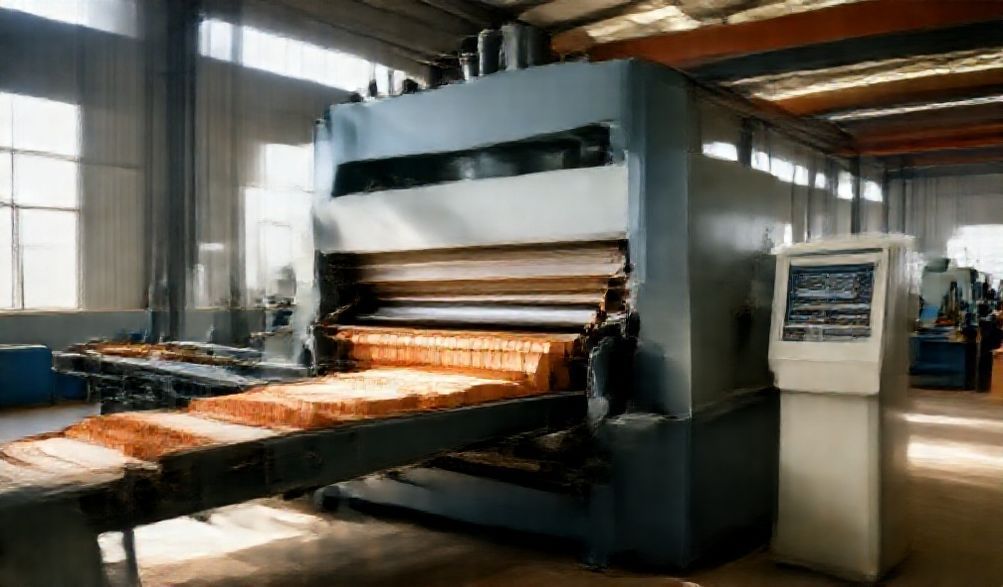
Pembuatan Mesin Pembuat Bata Merah di India: Pandangan Mendalam di Pabrik Pembuat Bata FUDA
Pengantar
Industri konstruksi India adalah sebuah kekuatan besar, mesin utama yang mendorong pertumbuhan ekonomi negara. Di jantung setiap proyek infrastruktur yang berkembang, kompleks perumahan, dan pembangunan perkotaan terdapat fondasi dasar: batu bata. Selama berabad-abad, pembuatan batu bata adalah proses manual yang padat karya. Saat ini, revolusi diam-diam sedang berlangsung, didorong oleh inovasi teknologi yang telah mengubah tanah liat menjadi produk presisi dan berskala besar. Revolusi ini dimungkinkan oleh ekosistem yang kuat dariprodusen mesin pembuatan bata tanah liat di India.
Para produsen ini adalah pahlawan yang tak ternama, yang menyediakan kekuatan teknologi yang mengubah tanah liat mentah menjadi batu bata berkualitas tinggi yang konsisten dengan kecepatan yang belum pernah terjadi sebelumnya. Dalam lanskap yang dinamis ini, beberapa nama menonjol karena komitmen mereka terhadap rekayasa dan keandalan. Salah satu contoh yang menonjol adalahPabrik Pembuatan Batu Bata FUDA, sebuah produsen khusus yang menjadi contoh kemampuan sektor ini.
Panduan komprehensif ini memiliki tujuan yang jelas: untuk mendidik pemilik bisnis, perusahaan konstruksi, dan pengusaha. Kami akan menguraikan industri mesin bata tanah liat India, dengan menggunakan Pabrik Pembuatan Bata FUDA sebagai studi kasus yang mendetail. Tujuan kami adalah memberikan Anda analisis faktual dan wawasan kritis yang diperlukan untuk membuat keputusan pembelian yang percaya diri dan tepat bagi bisnis Anda.
Bentang Alam Mesin Pembuatan Bata Tanah Liat di India
Permintaan terhadap mesin pembuatan batu bata tidak terpisahkan dari lintasan pembangunan India. Memahami konteks pasar ini menjadi kunci untuk menghargai peran para produsen di dalamnya.
Ikhtisar Pasar dan Faktor-Faktor Pendukung Pertumbuhan
India adalah salah satu produsen batu bata terbesar di dunia, dengan industri bernilai miliaran dolar. Permintaan ini didorong oleh faktor-faktor yang kuat dan konsisten:
- Inisiatif Pemerintah:Dorongan besar dalam infrastruktur (jalan, jalan tol, kereta bawah tanah) dan skema perumahan terjangkau (Pradhan Mantri Awas Yojana) menciptakan permintaan yang berkelanjutan.
- Urbanisasi Cepat:Migrasi ke kota membutuhkan ruang hunian dan komersial baru.
- Pertumbuhan Industri:Perluasan pabrik, gudang, dan kawasan industri membutuhkan bahan konstruksi yang tahan lama.
Permintaan ini telah mendorong terciptanya pusat-pusat manufaktur khusus di seluruh negeri, dengan klaster-klaster di negara bagian sepertiGujarat, Punjab, Maharashtra, dan Tamil NaduPusat-pusat ini merupakan sarang bakat teknik dan aktivitas industri yang didedikasikan untuk mesin berat.
Types of Machines Prevalent in India
The Indian market caters to businesses of all scales, offering a spectrum of automation:
- Mesin Pembuat Batu Bata Manual: Low-cost, lever-operated presses suitable for very small-scale or rural operations. Output is limited and labor-dependent.
- Mesin Pembuat Batu Bata Semi-Otomatis: The sweet spot for many small to medium enterprises (SMEs). These machines automate the critical pressing and molding processes but may require manual handling of raw material feeding or brick removal. They offer an excellent balance between output, cost, and labor.
- Pabrik Pembuatan Batu Bata Sepenuhnya Otomatis: These are complete production lines designed for large-scale, high-volume output. They integrate processes like mixing, conveying, pressing, curing, and stacking with minimal human intervention, ensuring maximum efficiency and consistency.
Spotlight on FUDA Brick Making Factory: A Manufacturer’s Profile
To move from abstract industry analysis to concrete understanding, let’s examine a specific player. FUDA Brick Making Factory provides a clear window into the standards and specializations of a dedicated Indian manufacturer.
Company Background and Legacy
Founded with a vision to modernize brick production, FUDA Brick Making Factory has established itself as a focused manufacturer within the niche of brick and block making machinery. With its operational base in one of India’s prominent industrial corridors, the company has built its reputation over years of operation. Their core mission typically revolves around empowering brick kiln owners and construction material producers with robust, efficient, and adaptable technology. This long-term focus on a single industry vertical is a testament to their depth of experience.
Manufacturing Expertise and Technological Capabilities
FUDA’s credibility is rooted in its manufacturing ethos. Their facility is likely equipped with:
- Advanced Fabrication Units: For precision cutting and shaping of high-grade steel frames.
- Pusat Pemesinan CNC: Ensuring accuracy in critical components.
- Robust Assembly Lines: Where hydraulic systems, electrical panels, and mechanical parts are integrated.
A focus on in-house Research & Development (R&D) allows them to adapt designs for local clay compositions and evolving market needs. Quality control is not an afterthought but a phased process, involving:
* Material inspection
* In-process checks during welding and assembly
* Final performance testing under load before dispatch
Merekakeahlian is showcased in the range of machines they manufacture, which often includes hydraulic press machines, clay extruders, and complete automatic production lines.
Product Portfolio for Clay Brick Production
A manufacturer’s range reveals its ability to serve diverse client needs. FUDA’s portfolio generally encompasses:
Pabrik Pembuatan Batu Bata Sepenuhnya Otomatis
Designed for investors targeting the mass market. These turnkey plants can produce thousands of bricks per hour (e.g., 10,000-30,000 bricks per 8-hour shift). They feature automated material handling, programmable logic controller (PLC) systems, and sometimes robotic pallet stackers.
Mesin Semi-Otomatis
The workhorse for growing businesses. FUDA’s semi-automatic models might include:
* Hydraulic Brick Presses: For high-pressure molding of solid, hollow, or paving bricks.
* Clay Extrusion Machines: For producing wire-cut bricks.
These machines offer significant output improvements over manual methods while keeping capital investment manageable.
Key Machine Components & Customization
The true flexibility lies in customization, a critical service offered by manufacturers like FUDA.
* Cetakan yang Dapat Dipertukarkan: This allows a single machine to produce various products:
* Solid Clay Bricks
* Hollow Blocks (for load-bearing and partition walls)
* Perforated Bricks
* Pavers and Landscape Blocks
* Peralatan Bantu: They may also manufacture or supply complementary machinery like pan mixers for clay preparation, crushers, and conveyor systems.
* Custom Engineering: Adapting machine parameters (pressure, speed) to suit specific local clay properties is a valuable service.
Why Source from Indian Manufacturers Like FUDA?
Choosing an Indian manufacturer over an international supplier presents distinct advantages, especially for the domestic market.
Efektivitas Biaya Tanpa Mengorbankan Kualitas
Indian manufacturers offer a compelling value proposition. You avoid hefty import duties, international shipping costs, and currency exchange volatility. The local supply chain for components and raw materials (steel, etc.) keeps costs competitive. This does not mean a compromise on quality; it means greater value for money and a faster return on investment (ROI).
Adaptation to Local Raw Materials and Conditions
Indian clay varies significantly from region to region in its composition, plasticity, and moisture content. A machine designed in Europe for a specific clay type may underperform here. Manufacturers like FUDA engineer their machines based on decades of experience with these local conditions. Their machines are built to handle the variability and are often designed for easier maintenance in the Indian operational environment.
Robust After-Sales Support and Service Network
This is perhaps the most critical advantage. Local presence builds trustworthiness.
* Quick Service Response: A technician can often be on-site within days, not weeks.
* Suku Cadang yang Tersedia dengan Mudah: An inventory of commonly needed parts reduces machine downtime dramatically.
* Local Operator Training: Installation and training are provided in the local language and context.
* Understanding of Local Challenges: The service team inherently understands common operational issues faced by Indian brick kilns.
Critical Factors for Choosing a Manufacturing Partner
Selecting a machinery partner is a major capital decision. Look beyond the brochure and assess these critical factors.
Assessing Technical Specifications and Output Capacity
Move beyond vague promises. Get precise data:
* Kapasitas Produksi: Bricks per hour, per shift, on a sustained basis.
* Persyaratan Daya: Voltage (V), phase, and total connected load (kW).
* Tingkat Otomasi: Exactly which processes are automated? Feeding? Pressing? Stacking?
* Waktu Siklus: Time taken for one complete molding cycle.
* Tekanan Operasi: Hydraulic pressure (in tons) which determines brick density and strength.
Evaluating Build Quality and Durability
The machine’s longevity depends on its construction. Ask pointed questions:
* Frame Material: What grade and thickness of steel is used for the main frame and pressing head?
* Komponen Kritis: Which brands are used for hydraulic pumps, valves, cylinders, and PLCs? Reputed brands (e.g., Siemens, Bosch Rexroth, Yuken) indicate quality.
* Pengelasan & Fabrikasi: Can you see the welds? They should be clean, continuous, and done using qualified procedures.
* Paint & Finishing: Is it a basic coat or a multi-layer anti-corrosion treatment?
Verifying Credentials and Industry Reputation
Due diligence is non-negotiable. It establishes the manufacturer’s authoritativeness and trustworthiness.
* Kunjungan Pabrik: This is the single most important step. See the production floor, quality checks, and inventory.
* Client References & Testimonials: Speak directly to existing customers, especially those with 2+ years of machine operation.
* Studi Kasus: Ask for documented examples of successful installations.
* Sertifikasi: Check for relevant industrial or quality certifications, though in this sector, a proven track record often speaks louder than paper.
The Future of Brick Making in India: Trends and Sustainability
The industry is not static. Forward-thinking manufacturers are already adapting to the next wave of changes.
Embracing Automation and Industry 4.0
The future is connected. The next generation of machines may feature:
* IoT Sensors: To monitor production counts, hydraulic pressure, temperature, and motor health in real-time.
* Pemeliharaan Prediktif: Alerts for component wear before a breakdown occurs, minimizing unplanned downtime.
* Analisis Data: Dashboards to analyze production efficiency and identify bottlenecks.
The Shift Towards Eco-Friendly Production
Environmental regulations and green building norms (like GRIHA) are driving change. The demand is growing for:
* Mesin Pembuat Bata Fly Ash: Utilizing industrial waste (fly ash from thermal plants) as a primary raw material.
* Resource-Efficient Designs: Machines that reduce water consumption during mixing and lower energy consumption per brick.
* Emission Control: Technologies integrated into kiln designs to reduce pollution.
Manufacturers innovating in this sustainable space are positioning themselves for long-term leadership.
Pertanyaan yang Sering Diajukan (FAQ)
Q1: What is the typical price range for a clay brick making machine from an Indian manufacturer?
A: Prices vary widely based on automation and capacity. A basic semi-automatic hydraulic press can start from ₹5-10 lakhs. A mid-range semi-automatic line may cost ₹15-30 lakhs. Fully automatic turnkey plants can range from ₹50 lakhs to several crores. Always request a detailed quotation based on your specific output needs.
Q2: Can machines from manufacturers like FUDA produce different brick sizes and types?
A: Absolutely. This is a key advantage. Through cetakan yang dapat dipertukarkan, a well-designed machine can produce:
* Solid Clay Bricks (standard and modular sizes)
* Hollow Blocks (for load-bearing and partition walls)
* Perforated Bricks
* Paving Blocks and Landscape Bricks
Confirm the mold changeover process and cost with the manufacturer.
Q3: What kind of after-sales support should I expect?
A: A reputable manufacturer should provide a comprehensive package:
* Pemasangan & Pengoperasian: Supervision by an engineer at your site.
* Pelatihan Operator: Hands-on training for your machine crew.
* Garansi: Typically 1-2 years on major components.
* Suku Cadang: A guaranteed supply of critical spares.
* Service Support: A defined response time for technical assistance.
Q4: How do I determine the right machine capacity for my project needs?
A: Follow this simple framework:
1. Calculate Daily Demand: Estimate bricks needed per day for your projects or market sales.
2. Assess Investment Budget: Determine your comfortable capital expenditure range.
3. Factor in Labor: Decide on your desired level of automation vs. manual handling.
4. Rencana untuk Pertumbuhan: Choose a machine that can meet near-future demand, allowing for 20-30% capacity buffer.
Q5: Are Indian-made machines reliable for long-term, heavy-duty use?
A: Yes, provided you choose an established manufacturer. The perception has shifted significantly. Leading Indian manufacturers now use:
* Computer-aided design for structural integrity.
* High-grade materials and internationally sourced critical components.
* Rigorous testing protocols.
The reliability is proven by the thousands of machines operating continuously in demanding Indian conditions. The key is selecting a partner with a documented track record, not just the lowest price.
Kesimpulan
India’s clay brick making machinery sector is a vital cog in the nation’s construction engine, offering technology that ranges from foundational to cutting-edge. Manufacturers like Pabrik Pembuatan Batu Bata FUDA exemplify the sector’s strengths: deep technical keahlian, adaptive engineering, and a commitment to empowering local businesses.
When making your investment decision, prioritize a balanced approach. Weigh technical specifications against the manufacturer’s proven experience, the robustness of their after-sales service, and the overall long-term value they offer. The cheapest machine can become the most expensive if it leads to constant downtime and lost production.
We encourage you to use this guide as a starting point for your own thorough due diligence. Visit factories, inspect machines in operation, and speak to multiple existing clients. Request detailed catalogs and performance data sheets. An informed investment in the right machinery partner is an investment in the foundation and future growth of your business.
<