
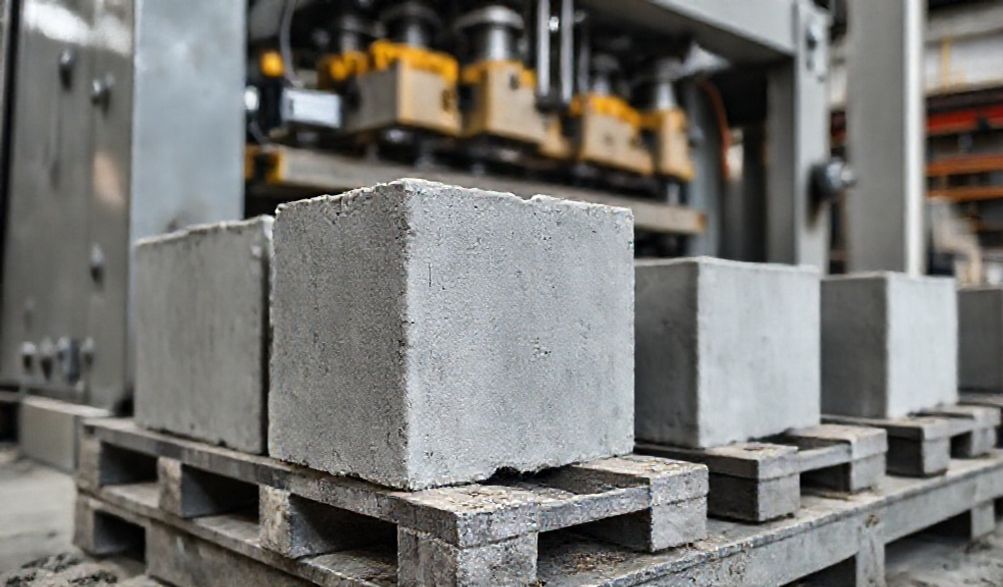
Panduan Harga Mesin Pembuat Blok Beton (2024): Biaya, Jenis, & ROI
Investasi dalam mesin pembuat blok beton adalah keputusan besar, dan rentang harga yang luas bisa membingungkan. Membuat pilihan yang salah dapat memengaruhi profitabilitas Anda selama bertahun-tahun. Anda tidak hanya membeli peralatan; Anda berinvestasi pada tulang punggung produksi bisnis konstruksi atau manufaktur Anda. Dengan harga mulai dari beberapa ribu hingga ratusan ribu dolar, bagaimana Anda menavigasi pembelian kritis ini?
Panduan komprehensif ini, yang disusun dari data industri dan wawasan ahli, akan mengungkap biaya-biaya secara jelas. Kami akan memecah faktor-faktor harga untuk setiap jenis mesin—dari manual hingga otomatis penuh—dan menunjukkan cara menghitung Return on Investment (ROI) sebenarnya. Tujuan kami adalah menyediakan informasi faktual dan tidak memihak untuk membantu Anda membuat keputusan investasi yang percaya diri.
Ditulis oleh seorang analis peralatan konstruksi dengan pengalaman lebih dari satu dekade dalam teknologi manufaktur dan pengadaan mesin.
Memahami Spektrum Harga: Dari Manual hingga Sepenuhnya Otomatis
Langkah pertama dalam memahami biaya adalah mengategorikan mesin itu sendiri. Harga berhubungan langsung dengan output, otomatisasi, dan kemampuan. Bayangkan ini seperti tangga: setiap anak tangga mewakili peningkatan signifikan dalam investasi, volume produksi, dan kompleksitas operasional.
Mesin Manual & Semi-Otomatis: Investasi Tingkat Pemula
Mesin-mesin ini mewakili titik masuk paling terjangkau ke dalam produksi blok. Mereka memerlukan intervensi manusia yang cukup besar untuk penanganan material, pencetakan, dan pengawetan.
- Kisaran Harga: $1.000 – $25.000
- Ideal Untuk:Startup skala kecil, proyek DIY, lini produk khusus (seperti balok dekoratif), dan wilayah dengan biaya tenaga kerja sangat rendah serta kebutuhan produksi volume rendah.
- Faktor-Faktor Biaya Utama:
- Jumlah Cetakan:Mesin yang dapat memproduksi 4 blok per siklus harganya lebih mahal daripada model satu blok.
- Tipe Daya:Manual (tuas) adalah yang termurah, diikuti oleh sistem hidrolik dan listrik.
- Merek & Kualitas Bangunan:Model dasar tanpa merek berada di posisi terendah, sementara senjata semi-otomatis yang kokoh dari produsen terkenal memiliki harga lebih tinggi.
- Intinya:Biaya awal rendah, namun biaya tenaga kerja per unit lebih tinggi dan hasil produksi terbatas (biasanya 100-500 blok per hari).
Mesin Blok Stasioner: Tulang Punggung untuk Produksi Skala Menengah
Ini adalah kategori yang paling umum untuk bisnis kecil dan menengah yang serius. Mesin-mesin ini bertenaga listrik, menggunakan getaran bertekanan tinggi untuk memadatkan balok, dan sering kali memiliki tingkat otomatisasi dalam pengumpanan material dan penanganan palet.
- Kisaran Harga: $25.000 – $100.000+
- Ideal Untuk:Mendirikan lapak blok, pemasok untuk perusahaan konstruksi lokal, dan bisnis dengan permintaan yang stabil dan dapat diprediksi.
- Faktor-Faktor Biaya Utama:
- Kapasitas Produksi (BPH): A machine rated for 1,000 blocks per hour (BPH) is significantly less than one rated for 2,500 BPH.
- Tingkat Otomasi: A basic model may require manual pallet placement, while a higher-priced unit includes an automatic pallet feeder and stacker.
- Ukuran & Sirkulasi Palet: Systems with more pallets and a faster, more robust circulation system increase price but also uptime.
- Intinya: The sweet spot for balance between automation and cost. Output can range from 1,500 to 10,000+ blocks per 8-hour shift.
Fully Automatic Block Making Plants: High-Volume Production
These are complete production lines. They integrate block making, curing, stacking, and sometimes even raw material batching into a seamless, computer-controlled process with minimal human oversight.
- Kisaran Harga: $100,000 – $500,000+
- Ideal Untuk: Large-scale manufacturers supplying major infrastructure projects, municipalities, or large distributors.
- Faktor-Faktor Biaya Utama:
- Tingkat Otomasi: Robotic pallet handlers, automatic curing systems (like curing chambers or racks), and product sorting lines add major cost.
- Kapasitas Output: Plants designed for 10,000+ BPH represent the peak of investment.
- Sistem Terintegrasi: Machines that include an onboard batching plant, automated color dosing for pavers, or special surface texturing systems are at the top of the range.
- Intinya: Maximum output and efficiency with the lowest per-unit labor cost, but requiring a very high initial capital outlay and consistent high-volume sales to justify.
Faktor-Faktor Penentu Harga Mesin Pembuat Blok Beton
Within each category, price variations are huge. Here are the core technical and commercial drivers that explain why one $50,000 machine differs from another.
Kapasitas & Output Produksi
Capacity is the primary price driver. It’s not a linear relationship.
- Blocks-Per-Hour (BPH): This is the headline specification. A jump from 1,000 to 2,000 BPH requires a more powerful vibration system, a larger hydraulic pack, a sturdier frame, and faster cycling components, often increasing the price by 60-80%, not 100%.
- The Cost of Scalability: Engineering a machine for reliable, continuous high-volume production demands higher-grade materials (like special steel alloys), more precise machining, and superior components, all of which compound the cost.
Tingkat Otomasi dan Teknologi
This is where you pay for efficiency and consistency.
- Sistem Kontrol: A basic relay-based control panel is standard. A programmable Logic Controller (PLC) with a color touchscreen interface for recipe management, fault diagnostics, and production data adds thousands to the price but offers invaluable control and reduced downtime.
- The Price of Precision: Advanced vibration technology (like dual-axis or variable-frequency vibration) ensures perfect block density and finish. High-precision hydraulic systems for consistent pressure application also contribute to a higher price tag. This technology directly impacts block quality and reduces waste.
Machine Type & Block Variety
What you produce determines the machine design.
- Spesialisasi: A machine engineered solely for standard hollow blocks is generally less complex and costly than one designed for intricate paving stones or interlocking landscaping blocks, which require more precise molds and vibration patterns.
- The Cost of Versatility: A “multi-purpose” machine that can produce blocks, pavers, and curbs by changing molds is more expensive than a dedicated single-product machine. You’re paying for the adaptable mold system and wider range of motion.
Brand Reputation, Origin, and After-Sales Support
The name on the machine carries both a price and a promise.
- Brand Comparison: Established European or American brands often command a 20-40% premium due to historical reputation, advanced R&D, and stringent manufacturing standards. Competitive Asian manufacturers offer compelling value, often providing similar specifications at a lower initial cost.
- The Critical Trust Factor: The machine’s price should include more than just metal and motors. A higher price from a reputable supplier often buys you peace of mind: comprehensive after-sales service, a solid warranty, availability of spare parts locally or via fast shipping, and access to technical support. The “cheaper” machine can become astronomically expensive if a breakdown halts production for weeks waiting for a part.
Beyond the Sticker Price: Calculating Your Total Investment
The machine’s invoice is just the beginning. A realistic budget must account for the entire ecosystem required to start production.
Ancillary Equipment & Setup Costs
Your block machine is useless on its own. Budget for these essentials:
- Concrete Mixer/Pan Mixer: Crucial for consistent raw material mix. ($5,000 – $30,000)
- Sabuk Konveyor: For moving raw material to the hopper and sometimes finished blocks. ($2,000 – $15,000)
- Palet: You need dozens to hundreds of steel pallets for the block machine to cycle. ($50 – $200 per pallet)
- Sistem Penyembuhan: This can be simple racks in a shaded area, a sprinkler system, or a fully automated curing chamber. ($1,000 – $50,000+)
- Penanganan Material: A forklift or wheel loader for moving raw materials and finished blocks. (Can be leased or purchased)
- Land & Shed: A solid, level concrete foundation and a weatherproof shed are non-negotiable for production and curing.
Operational Costs: Raw Materials, Labor, and Power
These are your recurring expenses that determine profitability.
- Raw Materials (Cement, Aggregates, Sand): This is typically the largest ongoing cost, often 50-70% of your production cost per block. Prices fluctuate based on location and market.
- Tenaga Kerja: A semi-automatic plant may need 4-6 workers. A fully automatic line might only need 2-3 for supervision and maintenance. The machine price you pay directly trades off against long-term labor costs.
- Konsumsi Daya: High-pressure hydraulic systems and powerful vibrator motors are energy-intensive. Electric systems are generally more efficient than older, purely hydraulic ones. Request power consumption specs (kW/h) from suppliers.
Maintenance, Spare Parts, and Downtime
This is where supplier choice is critical.
- Realistic Maintenance Budget: Allocate 3-7% of the machine’s initial cost annually for routine maintenance, wear parts (like mold liners, hydraulic seals), and lubricants.
- The High Cost of Downtime: If your machine stops, revenue stops. A reliable supplier with a readily available spare parts inventory is invaluable. The slightly higher initial price for a machine with local support can save you a fortune in lost production compared to a “bargain” machine with no support network.
How to Get the Best Value: A Buyer’s Checklist
Navigate the purchasing process with this experienced-based roadmap.
Define Your Business Needs Clearly
Answer these questions before you even look at a brochure:
- What specific block types and sizes will I produce? (Hollow, solid, paver, interlocking?)
- What is my target daily and monthly production volume based on market research?
- Who is my customer? (Retail, contractors, government projects?)
- What is my available budget, including total setup costs?
Research and Compare Suppliers Thoroughly
Due diligence is your most powerful tool.
- Request Detailed Quotations: Insist on a line-item quote that includes machine specs, warranty terms, shipping (FOB/CIF), and a list of recommended spare parts.
- Ask for Customer References: Get contacts for 2-3 clients in a similar region/operation. Call them. Ask about machine performance, reliability, and the supplier’s responsiveness to service requests.
- Verify Company History: How long have they been in business? Do they have a physical address and service network? Search for independent reviews or forum mentions.
The Importance of Factory Testing & Trial Runs
Never buy a machine unseen.
- Insist on a Live Test: If possible, visit the factory. Have them run the machine to produce samples of the exact block type you want.
- Use Your Mix Design: Provide your local raw material recipe (cement, sand, aggregate ratio) for the test. This proves the machine can work with your available materials.
Negotiating the Deal: Price, Payment Terms, and Shipping
The quoted price is usually a starting point.
- Standard Negotiation Points:
- Garansi: Can it be extended from 1 year to 2?
- Spare Parts Kit: Request an “initial spare parts kit” be included.
- Pelatihan: Ensure on-site installation and operator training are clearly included in the offer.
- Payment Terms: More favorable terms (e.g., 70% before shipment, 30% after successful installation) can reduce risk.
Pertanyaan yang Sering Diajukan (FAQ)
Q: What is the cheapest type of concrete block machine I can buy?
A: Small manual or basic semi-automatic machines offer the lowest upfront cost (from ~$1,000). However, carefully consider their low output and high labor requirement against your business goals.
Q: How much does a medium-scale automatic block making machine cost?
A: A good quality stationary automatic machine with a production capacity of 2,000-5,000 blocks per 8-hour shift typically ranges from $50,000 to $120,000, depending on configuration, automation level, and brand.
Q: Are used concrete block machines a good option to save money?
A: They can be, but carry higher risk. Thoroughly factor in potential refurbishment costs, the lack of a warranty, and difficulty sourcing obsolete parts. An independent inspection by a qualified technician is absolutely essential before purchase.
Q: Besides the machine price, what is the biggest cost in block manufacturing?
A: Raw materials (cement, aggregates, sand) are consistently the largest ongoing cost, typically 50-70% of your cost per block. For semi-automatic operations, labor is the second major cost; for automatic plants, energy and maintenance are more significant.
Q: How long does it take to see a return on investment (ROI)?
A: This varies massively. A small manual operation with good sales might see ROI in 6-12 months. A medium automatic plant often targets ROI in 1.5-3 years. A large fully automatic plant’s ROI may be 3-5 years. It depends entirely on your local market demand, selling price, operational efficiency, and initial investment scale.
Kesimpulan
The “right” price for a concrete block manufacturing machine is not the lowest sticker price. It is the price that delivers the best long-term value, reliability, and profitability for your specific production goals and market. A well-chosen machine is an asset that builds your business for years; a poor choice becomes a constant source of cost and delay.
Invest time in meticulous planning, rigorous supplier vetting, and realistic financial modeling. Use this guide as a framework to create your shortlist. Your concrete block machine is the core of your venture; choosing it wisely is the very foundation of your success.
Ready to refine your budget? Use the factors and checklist in this guide to define your required machine specifications. Then, approach 3-4 reputable suppliers with your detailed requirements to obtain comparable, meaningful quotations and consultations.
<