
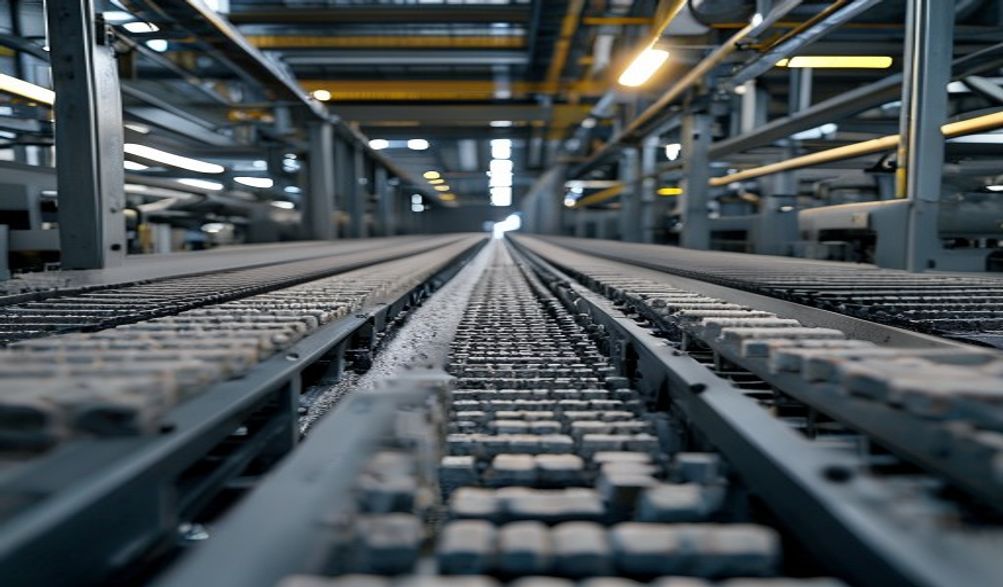
Cara Memilih Perusahaan Mesin Pembuat Bata Fly Ash: Panduan Pembeli yang Komprehensif
Pengantar
Pergeseran global menuju konstruksi berkelanjutan sudah tidak bisa dihindari. Di garis depan revolusi bangunan hijau ini adalah bata abu terbang—alternatif yang tahan lama dan ramah lingkungan dibandingkan bata tanah liat tradisional yang memanfaatkan limbah hasil samping. Namun, kesuksesan usaha Anda bergantung pada satu keputusan kritis: memilih perusahaan mesin pembuat bata abu terbang yang tepat.
Dengan mengandalkan pengalaman puluhan tahun di bidang mesin konstruksi dan pendirian pabrik, kami memahami risiko yang dipertaruhkan. Pilihan yang buruk dapat menyebabkan waktu henti yang berkepanjangan, kualitas bata yang tidak konsisten, dan pada akhirnya, kerugian finansial yang signifikan di pasar yang kompetitif.
Panduan ini memotong kebisingan. Kami menyediakan kerangka kerja langkah demi langkah yang telah diverifikasi oleh para ahli untuk mengevaluasi produsen. Tujuan kami adalah memberdayakan Anda untuk berinvestasi tidak hanya pada mesin, tetapi juga pada kemitraan strategis yang memastikan profitabilitas jangka panjang dan keunggulan produk.
Apakah Anda seorang pengusaha konstruksi, kontraktor sipil yang memperluas operasi, manajer pabrik, atau startup di bidang bahan bangunan berkelanjutan, sumber daya komprehensif ini diperuntukkan bagi Anda.
Memahami Kebutuhan Produksi Anda Sebelum Mulai Mencari
Langsung membandingkan perusahaan adalah kesalahan umum. Pertama, Anda harus dengan jelas menentukan cetak biru operasional Anda sendiri. Penilaian internal ini adalah fondasi dari pembelian yang bijaksana.
Menentukan Skala Proyek dan Tujuan Output Anda
Model bisnis Anda menentukan mesin yang Anda butuhkan.
- Perkirakan Volume yang Realistis:Hitung kebutuhan produksi batu bata harian dan bulanan Anda berdasarkan kontrak yang telah dikonfirmasi, permintaan pasar, dan proyeksi pertumbuhan. Jangan berinvestasi berlebihan pada kapasitas besar yang tidak dapat Anda manfaatkan.
- Kategori Skala:
- Skala Kecil / Startup:Output dari 1.000 – 5.000 bata per hari. Sering dilayani oleh mesin manual atau semi-otomatis.
- Usaha Menengah / Bisnis yang Berkembang:Keluaran 5.000 – 20.000 batu bata per hari. Biasanya membutuhkan sistem semi-otomatis atau otomatis penuh.
- Skala Besar / Pabrik Industri每日产量超过两万块砖,需配备高端全自动生产线。
Key Technical Specifications to Decide On
With your scale in mind, focus on these core technical aspects.
- Jenis Mesin: This is your fundamental choice.
- Sepenuhnya Otomatis: High-speed, consistent output with minimal manual labor. Higher capital investment but lower operational cost per brick. Ideal for large-scale production.
- Semi-Otomatis: Balances automation with manual handling (e.g., feeding raw material, removing bricks). Offers a good blend of output and affordability for medium-scale operations.
- Panduan: Labor-intensive, lowest upfront cost. Suitable for very small-scale or rural projects with limited capital.
- Brick Size and Type: Ensure the machine can produce the specific bricks you need—solid, hollow, pavers, interlocking—in your desired dimensions.
- Cycle Time & Capacity: The machine’s speed (cycle time per brick) directly translates to its hourly production capacity (bricks per hour). Match this to your output goals.
- Pressure Rating (Tonnage): This is critical for brick strength (compressive strength). Higher pressure machines produce denser, stronger bricks that command better prices and meet stricter building codes.
Raw Material Considerations
The machine must be compatible with your input.
- Know the quality and source of your primary raw material: fly ash.
- Define the proportions of your mix design (e.g., fly ash, cement, lime, gypsum, slag, or sand). Share this mix with potential suppliers to ensure their machine is calibrated for it.
Core Criteria for Evaluating Fly Ash Brick Machine Companies
Now, with your specifications sheet in hand, you can critically assess potential partners.
Manufacturing Expertise and Industry Experience
A company’s history is a proxy for its stability and knowledge.
- Specialization Matters: Prefer companies that specialize in brick and block making machinery over general-purpose equipment dealers.
- Research Their Track Record: Look for a proven history (5-10+ years is a good benchmark). Explore their client portfolio for projects similar to yours in scale.
Machine Quality and Technology Assessment
This is where you scrutinize the product itself.
- Kualitas Pembuatan: Inquire about the steel grade used in the frame and molds, the quality of welding, and the precision of assembly. Robust construction ensures longevity and vibration resistance.
- Technology & Innovation: Evaluate the control systems (PLC is standard for automatics), hydraulic systems, and automation features. Modern, efficient technology improves consistency and reduces energy consumption.
- Konsistensi Output: The machine should produce bricks of uniform size, shape, and density, batch after batch.
Comprehensive After-Sales Support
This criterion often separates market leaders from the rest. Consider support as part of the core product.
Availability of Installation, Commissioning, and Training
Will they send an engineer to supervise installation, commission the machine, and train your operators? On-site training is invaluable for smooth startup.
Warranty Periods, Spare Parts Availability, and Service Network
- A clear, comprehensive warranty (at least 12 months on critical parts) is essential.
- Ask about the availability of spare parts. Is there a local stockist or a guaranteed dispatch time?
- A responsive service network, even if via capable local technicians, prevents extended downtime.
Ingat: Superior after-sales support is always more valuable than a marginally lower price. It safeguards your investment for years.
Transparency in Pricing and Value Proposition
Beware of opaque pricing.
- Detailed Cost Breakdown: A professional quote should itemize the machine cost, shipping, insurance, taxes, and installation/commissioning fees.
- Value vs. Price: The cheapest option is rarely the most economical in the long run. Evaluate the total cost of ownership, including expected maintenance, part replacement costs, and energy efficiency.
- Payment Terms: Clear, secure payment terms (e.g., % advance, % before shipment, % after installation) are a sign of a reputable company.
The Essential Due Diligence Checklist
Turn your evaluation into actionable steps with this due diligence process.
Requesting and Analyzing Quotations
Get detailed quotes from at least 3-4 shortlisted companies.
- Ensure every quote includes the exact same specifications (model, capacity, pressure, included accessories) so you are comparing “apples to apples.”
- Scrutinize what’s included (e.g., free spare parts kit, mold for one brick type) and what’s extra.
Verifying Claims: Client References and Site Visits
Trust, but verify.
- Minta Referensi: Request contact details for 2-3 clients in your region or with a similar machine model. Call them. Ask about machine performance, brick quality, and most importantly, the company’s after-sales responsiveness.
- Visit a Running Plant: This is the single most insightful step. Seeing the machine in operation, speaking directly to its owners, and inspecting the bricks it produces provides unparalleled evidence.
Inspecting Manufacturing Facilities (or Virtual Tours)
Assess the maker’s own standards.
- If possible, visit the company’s manufacturing unit. Observe their workshop organization, quality control processes, and inventory of raw materials (like steel).
- If a physical visit isn’t feasible, request a detailed virtual video tour. A reputable company will be transparent.
Reviewing Certifications and Compliance
Look for independent validation of quality.
- Sertifikasi: ISO 9001 certification indicates a structured quality management system. CE marking may be relevant for certain markets.
- Kepatuhan: The machine should comply with national safety and machinery standards.
Red Flags and Common Pitfalls to Avoid
Steer clear of these warning signs to protect your investment.
- Ghost Companies: No verifiable physical address, landline phone number, or company history.
- Vagueness: Unwillingness to provide detailed technical specifications, drawings, or clear documentation.
- Too-Good-To-Be-True Pricing: Extremely low quotes often signal inferior materials, hidden costs, or a complete lack of service.
- Pressure Tactics: High-pressure sales pushing for immediate payment or claiming “limited-time offers.”
- No Service Plan: Ambiguous or non-existent warranty terms and no talk of after-sales support. The conversation ends at the sale.
Pertanyaan yang Sering Diajukan (FAQ)
Q1: What is the typical price range for a fly ash brick making machine?
A: Prices vary dramatically based on automation and capacity. Manual machines can start around $5,000-$10,000, semi-automatic machines from $15,000 to $50,000, and fully automatic production lines can range from $50,000 to over $200,000. A detailed, specification-based quote is the only way to get an accurate price.
Q2: How crucial is after-sales service, and what should it include?
A: It is absolutely critical. Comprehensive service should include supervised installation, machine commissioning, thorough operator training, a clear warranty (minimum 1 year on core components), and guaranteed availability of critical spare parts.
Q3: Can I visit a running plant of a shortlisted company?
A: A confident and reputable company should actively encourage or facilitate this. If they are hesitant or refuse without a compelling reason, consider it a major red flag. It may indicate a lack of satisfied customers or that their machines are not performing as advertised.
Q4: What’s the difference between a fully automatic and semi-automatic machine for my new business?
A: A mesin otomatis penuh handles the entire process (feeding, mixing, compressing, ejecting, stacking) with minimal human intervention. It’s for high-volume, consistent output but requires a higher initial investment. A mesin semi-otomatis automates the pressing but requires manual feeding of raw material and removal of finished bricks. It offers a lower entry cost and is suitable for medium-scale production but involves more labor.
Q5: How do I assess the final brick quality a machine will produce?
A: Always ask for sample bricks. The best samples come from an existing client’s plant. You can also have the company produce samples using your specific raw material mix. For absolute confidence, send these samples to a certified construction materials laboratory for a compressive strength test.
Kesimpulan
Choosing a fly ash brick making machine company is a strategic decision that forms the backbone of your operation. It’s about forging a partnership that extends far beyond the initial purchase.
By first understanding your own production needs, then rigorously evaluating companies on their expertise, machine quality, and—most importantly—their commitment to after-sales support, you de-risk your investment. The essential steps of due diligence—analyzing quotes, verifying references, and conducting site visits—transform you from a hopeful buyer into an informed decision-maker.
As a final piece of expert advice: prioritize long-term reliability and operational smoothness over short-term cost savings. The right machine from the right partner is not an expense; it’s a profit-generating asset that will pay for itself many times over.
Ready to take the next step with confidence? Download our detailed Fly Ash Brick Machine Specification Checklist to ensure you cover every critical point during your evaluation. Have a specific question about your project? Share it in the comments below for tailored expert advice.
This guide was authored by our industrial equipment consulting team, with combined experience of over 40 years in the construction machinery sector. We specialize in providing unbiased, in-depth analysis to help businesses make informed capital investment decisions in building material production.
<