
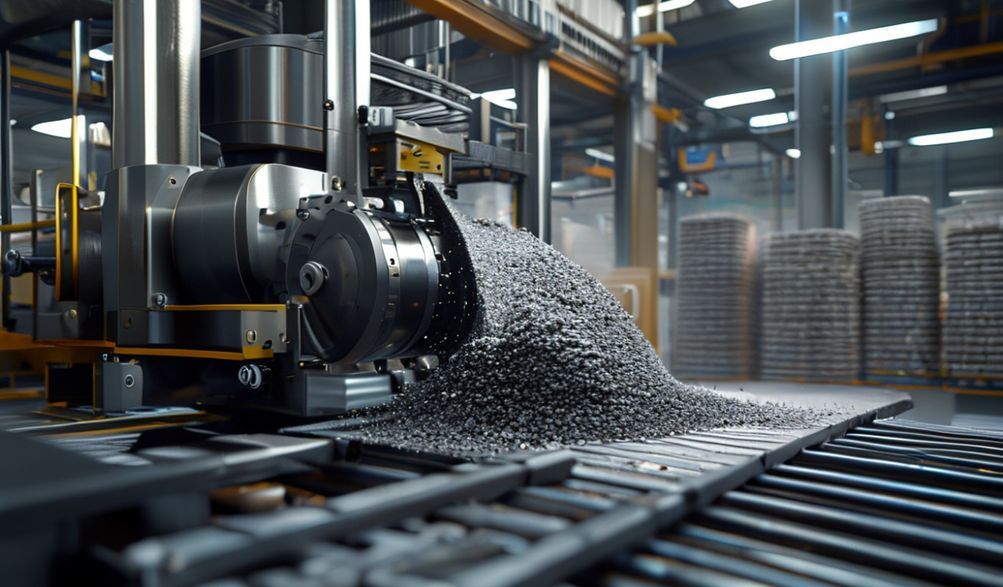
Panduan Lengkap Mesin Bata Fly Ash: Menjelajahi Pabrik Pembuatan Bata FUDA dari Dalam
Industri konstruksi global sedang mengalami revolusi diam-diam. Dengan perkiraan4,4 triliun batu bata diproduksi setiap tahun di seluruh duniaBiaya lingkungan dan ekonomi dari bata tanah liat tradisional semakin tidak berkelanjutan. Permintaan yang sangat besar ini mendorong pergeseran yang tegas menuju alternatif yang lebih ramah lingkungan. Tantangannya? Produksi bata tradisional sangat intensif sumber daya, mengonsumsi tanah subur lapisan atas dan bergantung pada tungku pembakaran yang boros energi, yang berkontribusi signifikan terhadap emisi karbon dan polusi udara.
Solusi modern terletak pada transformasi limbah industri menjadi bahan bangunan berkualitas tinggi. Di sinilah mesin bata fly ash berperan—sebuah teknologi yang mengubah produk sampingan pembangkit listrik termal menjadi bata yang kokoh dan andal. Di antara nama-nama yang memimpin inisiatif ini adalahPabrik pembuatan bata FUDAsebuah produsen yang dikenal dengan fokusnya pada mesin konstruksi. Panduan komprehensif ini dibangun berdasarkan prinsip-prinsip teknik industri dan analisis terhadap manufaktur terpercaya untuk memberikan Anda peta jalan yang jelas dan terinformasi. Kami akan menguraikan teknologi di balik mesin bata fly ash, mengeksplorasi apa yang ditawarkan oleh pabrik khusus seperti FUDA, dan menguraikan faktor-faktor kritis untuk memilih peralatan yang tepat guna membangun bisnis yang menguntungkan dan berkelanjutan.
Apa itu Mesin Bata Fly Ash dan Bagaimana Cara Kerjanya?
Intinya, mesin bata fly ash adalah sebuah alat tekan. Mesin ini mengotomatisasi proses pemadatan campuran bahan baku tertentu menjadi bata yang padat dan berbentuk sempurna tanpa perlu pembakaran. Perbedaan mendasar dari pembuatan bata tanah liat tradisional—yang memerlukan penggalian, pencetakan, pengeringan, dan pembakaran di kiln dengan suhu di atas 1000°C—inilah yang membuat teknologi ini begitu revolusioner.
The Core Technology: From Waste to Resource
The principle is elegant in its efficiency. The machine utilizes a mix primarily composed of:
* Abu Terbang (50-60%): The fine powder recovered from the flue gases of coal-fired power plants. This is the key waste material being repurposed.
* Cement/Lime (8-12%): Acts as the binding agent.
* Sand/Stone Dust (30-40%): Provides filler and granular strength.
* Air:Untuk hidrasi dan kemudahan pengerjaan.
This mixture is compressed under extremely high pressure (typically 60 to 160+ tons), triggering a pozzolanic reaction where the silica in the fly ash binds with the calcium in the cement. This creates a hardened, durable brick right out of the machine, which then gains further strength through curing.
Key Components of a Modern Brick Making Machine
Memahami anatomi mesin adalah kunci untuk mengevaluasi kualitasnya:
* Sistem Hopper & Feeder: Where raw materials are loaded. Precision feeding is crucial for mix consistency.
* Unit Pencampur: A pan or paddle mixer that thoroughly blends all raw materials with water to form a homogeneous mix.
* Sistem Tekan Hidrolik atau Mekanis: The heart of the machine. Hydraulic systems are more common in automatic machines, offering greater control over pressure and speed.
* Mould/Dies: Interchangeable steel molds that define the brick’s shape and size (e.g., solid, hollow, interlocking, or paver blocks).
* Control Panel & Automation Features: Ranges from simple buttons to programmable logic controllers (PLCs) that automate the entire cycle, ensuring consistency and reducing labor.
The Production Cycle: Step-by-Step
- Batching: Raw materials are measured in precise proportions.
- Mencampur: Materials are fed into the mixer for 4-6 minutes to achieve a uniform, semi-dry consistency.
- Pemberian Makan: The mixed material is conveyed to the machine’s pressing chamber.
- Pemadatan: The hydraulic ram presses the material into the mold with immense force.
- Pengusiran: The freshly formed, green brick is ejected onto a pallet or conveyor.
- Menyembuhkan: Bricks are stacked and kept moist for 14-21 days (natural curing) or placed in a steam chamber for accelerated strength gain.
Why Choose Fly Ash Bricks? The Business and Environmental Case
Adopting fly ash brick technology isn’t just an environmental choice; it’s a sound business strategy with a compelling product story.
Superior Product Advantages
- Higher Compressive Strength & Durability: Fly ash bricks often achieve strengths exceeding 100 kg/cm², making them more robust than many Class I clay bricks.
- Bentuk dan Ukuran Seragam: Machine-made precision results in bricks with sharp edges and consistent dimensions. This reduces mortar consumption by up to 50% and speeds up construction.
- Thermal Insulation & Fire Resistance: The fine particles of fly ash create a denser microstructure, offering better thermal insulation than clay bricks and high fire resistance.
Compelling Economic Benefits
- Biaya Bahan Baku Lebih Rendah: Fly ash is often procured at very low cost or even for free from power plants, dramatically reducing the primary input cost.
- Pengurangan Konsumsi Energi: Eliminating the fossil fuel-fired kiln saves enormous energy costs.
- Insentif Pemerintah: Many countries and states offer tax benefits, subsidies, and preferential procurement policies for eco-friendly construction materials, directly improving project viability.
The Powerful Environmental Impact
- Utilizes Industrial Waste: Each brick uses approximately 600-700 grams of fly ash, diverting this pollutant from landfills and ash ponds.
- Conserves Topsoil: It saves over 1.5 kg of topsoil per brick, combating land degradation.
- Reduces Carbon Footprint: The process cuts CO2 emissions by avoiding the burning of coal in kilns. It directly supports Green Building certification points under systems like LEED and GRIHA.
Inside the FUDA Brick Making Factory: A Focus on Expertise
When investing in capital machinery, the manufacturer’s reputation is as important as the machine’s specs. Let’s analyze what a specialized factory like FUDA represents in the market.
Who is FUDA? Establishing Authoritativeness
FUDA is positioned as an established manufacturer specializing in construction and brick making machinery. While specific founding dates may vary, such manufacturers typically build their authority through years of R&D, direct engagement with the construction industry, and a focused product catalog. Their expertise is not just in metal fabrication, but in understanding the material science and practical demands of brick production.
Range of FUDA Fly Ash Brick Machines
A reputable factory like FUDA would typically offer a spectrum of machines to cater to different business scales:
- Mesin Manual/Semi-Otomatis: Ideal for entrepreneurs and small-scale startups. These require more manual intervention for feeding and brick removal but have a lower initial investment. Output may range from 800 to 2000 bricks per hour.
- Mesin Sepenuhnya Otomatis: Designed for medium to large-scale production. These feature automatic material feeding, pressing, and brick stacking via conveyors and robotic arms. Controlled by a PLC, they offer high output (3000-10,000+ bricks per hour) with minimal manual labor.
- Mesin Blok Seluler: Offer versatility for on-site production, reducing transportation costs of finished bricks. These are often mounted on a trailer for easy movement between construction sites.
Hallmarks of FUDA Machine Design (Implied Expertise)
Based on industry standards for quality manufacturers, machines from a factory like FUDA would be expected to emphasize:
* Konstruksi Kokoh: Use of high-grade steel plates and welded frames to withstand constant high-pressure vibration.
* Hydraulic System Efficiency: Incorporation of reliable brand-name hydraulic pumps, valves, and cylinders for consistent pressure and long service life.
* Kemudahan Operasi & Perawatan: Logical design with accessible service points and user-friendly controls to minimize downtime.
* Opsi Kustomisasi Availability of a wide range of mold designs to produce different brick types (solid, hollow, paving blocks, grass bricks) from the same base machine.
Critical Factors When Choosing Your Fly Ash Brick Machine
Selecting the right machine is a pivotal decision. Here’s a structured framework to guide your evaluation, applicable whether you are considering a FUDA machine or any other brand.
Menilai Kebutuhan Produksi Anda
- Output yang Diperlukan: Calculate your current and projected market demand. Machines are rated in bricks per hour (e.g., 2000 BPH, 5000 BPH). Don’t over-invest in massive capacity you can’t utilize.
- Jenis-Jenis Bata: Determine your product mix. Will you focus on standard solid bricks, or is there higher demand for hollow blocks or pavers in your region? Ensure the machine can accommodate the necessary molds.
- Space & Power: Map your available factory floor space for the machine, raw material storage, curing area, and finished goods yard. Check power supply requirements (e.g., 3-phase, voltage, kW rating).
Machine Specifications to Scrutinize
Go beyond the brochure. Ask detailed questions:
* Kapasitas Tekanan: Measured in tons (e.g., 80T, 120T). Higher pressure generally yields denser, stronger bricks.
* Waktu Siklus: The time taken for one complete press operation. A shorter cycle time means higher production.
* Tingkat Otomasi: From manual feed to fully automatic with palletizing. More automation increases output and reduces labor but raises cost.
* Persyaratan Daya: Match this precisely with your facility’s capabilities to avoid costly electrical upgrades.
Beyond the Machine: The Total Support Package
This is often the most critical differentiator between suppliers.
* Pemasangan & Pengoperasian: Does the price include expert engineers to set up the machine and run the first successful batch on-site?
* Pelatihan Operator: Comprehensive training for your team on operation, routine maintenance, and safety is non-negotiable.
* Spare Parts & After-Sales Service: Investigate the supplier’s spare parts inventory and service network. How quickly can they dispatch a technician or a critical spare part like a hydraulic seal or pressure sensor? A machine’s true cost includes its lifetime support.
Ensuring Success: Setup, Operation, and Best Practices
Owning the machine is just the beginning. Proper setup and disciplined operation determine long-term profitability.
Setting Up Your Brick Production Unit
- Tata Letak Pabrik Design a logical flow: raw material storage -> mixing area -> machine -> brick stacking -> curing yard. Minimize material handling distances.
- Raw Material QC: Consistently test your fly ash, sand, and cement for quality. Variations here directly affect brick strength and color.
- Proses Penyembuhan: Natural curing requires a shaded, humid area where bricks are kept wet for 21 days. Steam curing in an autoclave (a pressurized chamber) can achieve the same strength in 24 hours but requires a higher capital investment.
Operational Efficiency and Maintenance
- Daily/Weekly Maintenance: This includes checking hydraulic oil levels, cleaning the mixer and feeder, inspecting hoses for leaks, and lubricating moving parts. A disciplined checklist prevents major breakdowns.
- Troubleshooting Common Issues: E.g., bricks breaking easily could indicate low pressure or incorrect moisture content. Lamination (layers separating) points to poor mixing or compaction.
- Optimizing Mix Proportions: The “perfect” mix depends on your local materials. Keep detailed records of different trial batches (varying fly ash/cement/sand ratios and water content) and their resulting brick strengths to find your optimal, most cost-effective formula.
Frequently Asked Questions About Fly Ash Brick Machines
Q1: What is the typical cost of a FUDA fly ash brick making machine?
A: The cost varies widely based on capacity, level of automation, and specific model. A small semi-automatic machine may start in the range of $15,000-$25,000, while a large, fully automatic production line can cost $100,000 or more. It is essential to contact authorized dealers or the factory directly with your specific output requirements for an accurate quotation.
Q2: What is the profit margin in a fly ash brick business?
A: Profitability depends heavily on local factors: the cost of fly ash and cement, the selling price of bricks in your market, your operational efficiency, and scale. A well-run plant can typically see healthy margins due to low input costs, but it’s crucial to conduct a detailed local market and feasibility study before projecting specific figures.
Q3: Can I use 100% fly ash in the mixture?
A: No. Fly ash requires an activator (like cement or lime) to gain binding properties. A typical mix uses 50-60% fly ash, 8-12% cement, and the balance as sand/stone dust. Using 100% fly ash would not produce a cohesive, strong brick.
Q4: How do I find a genuine FUDA machine dealer or supplier?
A: The most reliable method is to look for contact information on the official FUDA website (if available) or seek out established, well-reviewed industrial machinery distributors with a physical presence and verifiable customer references. Be cautious of unsolicited offers or prices that seem unrealistically low, as they may indicate counterfeit or inferior equipment.
Q5: What is the lead time for machine delivery and installation?
A: Lead time depends on the machine model, any customizations, and the supplier’s location relative to yours. For standard models, it could range from 4 to 12 weeks after order confirmation. This is a critical question to clarify with your supplier before placing an order to plan your project timeline effectively.
Kesimpulan
The shift towards fly ash brick technology represents a powerful convergence of environmental stewardship and economic pragmatism. It offers a clear path to building durable structures while addressing the critical issues of industrial waste and resource conservation.
Investing in this technology, however, is a significant decision that hinges on careful planning, reliable machinery from experienced manufacturers, and a steadfast commitment to operational quality. This guide serves as a foundational resource for your journey.
Your next steps should involve conducting a detailed local market study, visiting existing fly ash brick plants to see operations firsthand, and most importantly, consulting directly with multiple reputable manufacturers and suppliers. Compare not just the price and specifications, but the depth of their technical support, training, and after-sales service network. With due diligence, your investment in a fly ash brick machine can lay the foundation for a sustainable and profitable venture in the future of construction.
<