
Pengantar
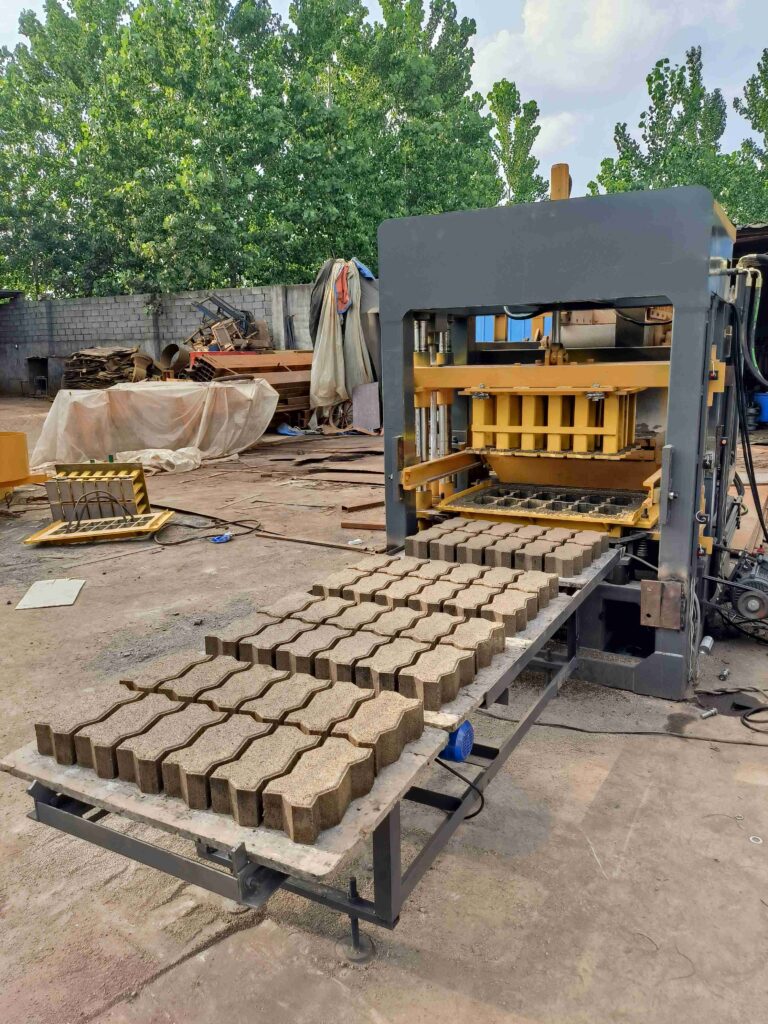
Adopsi teknologi bata saling mengunci yang semakin cepat di industri konstruksi global telah menciptakan peluang yang belum pernah terjadi sebelumnya bagi distributor peralatan dan spesialis pengadaan. Mesin-mesin khusus ini mewakili kemajuan teknologi yang signifikan dalam produksi material bangunan, memungkinkan terciptanya sistem konstruksi tanpa mortar yang merevolusi metodologi pemasangan bata tradisional. Bagi para profesional industri, memahami matriks harga yang rumit dari mesin bata saling mengunci sangat penting untuk membuat keputusan investasi yang tepat dan mengembangkan strategi pasar yang kompetitif. Struktur biaya mesin-mesin ini mencerminkan rekayasa yang canggih, komponen khusus, dan kemampuan produksi unik yang membedakannya dari peralatan manufaktur bata konvensional.
Kompleksitas Teknis dan Dampaknya terhadap Penetapan Harga
Teknologi manufaktur di balik mesin bata interlock mengintegrasikan solusi rekayasa khusus yang secara signifikan mempengaruhi posisi pasar dan struktur biayanya.
Persyaratan Sistem Pencetakan Khusus
Proposisi nilai inti dari mesin bata interlock terletak pada kemampuannya untuk menghasilkan bata yang dirancang secara presisi dengan fitur geometris kompleks.
- Desain dan Manufaktur Cetakan Presisi
Berbeda dengan cetakan bata konvensional, cetakan bata saling mengunci memerlukan toleransi yang sangat ketat, biasanya dalam kisaran ±0,5mm, untuk memastikan keselarasan sempurna selama konstruksi. Cetakan ini mencakup geometri kompleks termasuk kunci geser, mekanisme pengunci, dan terkadang saluran internal untuk tulangan. Proses manufakturnya menggunakan pusat permesinan CNC dan teknologi EDM (Electrical Discharge Machining) untuk mencapai presisi yang diperlukan, menyumbang 18-25% dari total biaya mesin. Cetakan baja berkromium tinggi dengan perlakuan panas khusus menambah biaya lebih lanjut tetapi memastikan umur produksi melebihi 500.000 siklus. - Kemampuan Lapisan Ganda dan Bahan Ganda
Sistem bata interlock canggih sering menampilkan lapisan wajah dan inti dengan komposisi material atau warna yang berbeda. Mesin yang dilengkapi sistem pengumpan ganda dan kompartemen material terpisah memiliki harga 30-40% lebih tinggi dibandingkan model lapisan tunggal. Integrasi mekanisme pengumpanan yang tersinkronisasi secara presisi, ruang kompresi terpisah, serta sistem kontrol canggih untuk mengatur laju aliran material yang berbeda mencerminkan kompleksitas rekayasa signifikan yang secara langsung memengaruhi biaya produksi dan harga akhir.
Teknologi Kompresi Tingkat Lanjut
Produksi batu bata saling mengunci yang strukturalnya kokoh memerlukan sistem kompresi khusus yang melampaui persyaratan manufaktur batu bata konvensional.
- Sistem Kompresi Multi-Arah
Bata interlock berkualitas tinggi memerlukan kompresi dari beberapa sumbu untuk mencapai kepadatan yang seragam di seluruh bentuk geometris yang kompleks. Mesin yang menggabungkan sistem kompresi atas-samping atau bahkan tiga arah menunjukkan harga 25-35% lebih tinggi dibandingkan model kompresi satu arah. Sistem ini membutuhkan sirkuit hidrolik tambahan, plat yang dirancang secara presisi, dan urutan kontrol yang canggih yang meningkatkan kompleksitas manufaktur dan biaya komponen. - Integrasi Getaran dan Kompresi
Produksi bata interlock optimal menggabungkan getaran frekuensi tinggi dengan kompresi hidrolik progresif untuk menghilangkan kantong udara dan memastikan aliran material yang sempurna ke dalam detail cetakan yang rumit. Integrasi motor getaran frekuensi variabel dengan profil tekanan hidrolik yang dikendalikan secara presisi memerlukan sistem kontrol canggih dan meja getaran yang dirancang khusus, menambah 15-20% pada biaya mesin dasar dibandingkan dengan sistem getaran standar.
Segmentasi Pasar dan Stratifikasi Harga
Pasar mesin bata interlock menunjukkan stratifikasi yang jelas berdasarkan kapasitas produksi, tingkat otomatisasi, dan kemampuan teknis.
Tingkat Harga Berdasarkan Kapasitas Produksi
Harga mesin berkorelasi langsung dengan potensi output, menciptakan segmen pasar yang berbeda dengan persyaratan investasi yang sesuai.
- Mesin Manual dan Semi-Otomatis Tingkat Pemula
Berada dalam kisaran $8.000-$25.000, mesin-mesin ini biasanya menghasilkan 400-1.200 bata per shift 8 jam dan memerlukan keterlibatan operator yang signifikan. Meskipun dilengkapi teknologi cetak saling mengunci dasar, mereka tidak memiliki sistem penanganan material dan pengangkatan produk yang otomatis. Segmen ini menarik bagi pengusaha skala kecil dan proyek pengembangan komunitas di mana biaya tenaga kerja menjadi pertimbangan sekunder dibandingkan investasi awal. - Stasiun Otomatis Penuh Kelas Menengah
Dengan harga antara $45.000 dan $120.000, sistem-sistem ini merupakan inti dari pasar bata interlocking komersial. Dilengkapi dengan pengumpanan material terintegrasi, penanganan produk otomatis, dan operasi yang dikendalikan PLC, mereka mencapai hasil produksi 2.500-6.000 bata per shift 8 jam. Kenaikan harga yang signifikan dibandingkan model pemula mencerminkan otomatisasi yang komprehensif, sistem hidrolik bertekanan lebih tinggi, dan komponen-komponen kelas industri yang dirancang untuk operasi berkelanjutan. - Lini Produksi Berkapasitas Tinggi
Commanding prices from $150,000 to $500,000+, these complete solutions incorporate multiple stations, robotic handling systems, and automated curing management. Designed for industrial-scale production exceeding 10,000 bricks per shift, they represent the premium segment where pricing reflects not just production capacity but also reduced operational costs through maximum automation and efficiency optimization.
Technology-Based Price Differentiation
Advanced features and specialized capabilities create significant price variations within similar production capacity categories.
- Mobile Interlocking Brick Machines
Vehicles-mounted production units designed for on-site manufacturing carry 25-40% price premiums over equivalent stationary models due to their integrated power systems, compact design constraints, and specialized stabilization systems. Their unique value proposition of eliminating brick transportation costs justifies the higher investment for specific application scenarios. - Multi-Product and Quick-Change Systems
Machines capable of producing multiple interlocking brick patterns through quick-change mold systems or adjustable mold components demonstrate 20-30% higher pricing than single-product models. The engineering complexity of precision alignment systems and the additional mold inventory contribute to this price differentiation while offering operational flexibility.
Economic Analysis and Investment Justification
Understanding the business case for interlocking brick machinery requires comprehensive financial modeling beyond initial acquisition costs.
Analisis Total Biaya Kepemilikan
A holistic view of equipment expenses throughout its operational lifespan provides crucial context for pricing evaluation.
- Operational Efficiency Metrics
High-quality interlocking brick machines demonstrate significantly better energy utilization, with advanced hydraulic systems consuming 25-35% less power per brick produced compared to entry-level models. The precision engineering of premium machines reduces mold wear and maintenance requirements, decreasing operational costs by 18-28% over a five-year period despite higher initial investment. - Labor Cost Implications
The automation level directly influences operational staffing requirements. Fully automatic systems reduce labor costs to 12-18% of production expenses compared to 35-50% for manual operations. This labor efficiency becomes increasingly significant in markets experiencing rising wage pressures, fundamentally altering the return on investment calculation for higher-priced automated equipment.
Return on Investment Calculation Framework
Strategic equipment evaluation necessitates detailed financial analysis specific to interlocking brick production economics.
- Revenue Generation Potential
Interlocking bricks typically command 15-30% price premiums over conventional bricks due to their construction advantages, including reduced mortar requirements and faster building timelines. This enhanced revenue potential, combined with the unique market positioning of mortar-less construction systems, creates accelerated payback periods despite higher machine costs. - Market Development Considerations
The specialized nature of interlocking brick technology often creates niche market opportunities with reduced competition. This strategic positioning allows for better margin preservation and more predictable revenue streams, factors that substantially impact investment attractiveness and justify premium equipment pricing.
Strategic Procurement Considerations
Optimal equipment acquisition requires aligning technical capabilities with market opportunities and financial constraints.
Supplier Evaluation and Value Assessment
Comprehensive supplier analysis ensures that pricing reflects genuine value rather than simply manufacturing costs.
- Technical Support and Training Value
Reputable manufacturers incorporate comprehensive training programs, detailed technical documentation, and ongoing support services into their pricing structure. This support infrastructure, while contributing to initial costs, dramatically reduces operational risks and ensures production continuity, delivering substantial long-term value that justifies price premiums. - Research and Development Investment
Suppliers maintaining active R&D programs typically price their equipment 10-20% higher than generic manufacturers. This premium reflects continuous product improvement, compatibility with evolving material technologies, and future-proofing against obsolescence—critical considerations for interlocking brick technology where design improvements regularly emerge.
Market-Specific Configuration Optimization
Strategic equipment selection involves matching machine capabilities with specific market requirements to optimize investment efficiency.
- Regional Material Adaptation
Machines configured for specific regional material characteristics—such as volcanic soil compositions, coastal sand properties, or industrial by-product utilization—may carry 8-15% price adjustments reflecting specialized engineering and testing. This customization ensures optimal performance but requires careful evaluation of its necessity for specific operational environments. - Climate and Operational Environment Considerations
Equipment designed for extreme climatic conditions—whether tropical humidity, desert temperatures, or seasonal precipitation variations—incorporate protective features, specialized materials, and environmental sealing that increase manufacturing costs by 7-12%. These adaptations prove essential for operational reliability but contribute to pricing stratification based on environmental capabilities.
Kesimpulan
The pricing structure of interlocking brick machinery reflects a complex interplay between technical sophistication, production capabilities, and long-term operational economics. For distributors and procurement specialists, understanding this multifaceted pricing matrix is essential for making strategic decisions that balance initial investment against long-term profitability. The premium positioning of these specialized machines is justified by their unique value proposition in the construction market, their ability to create high-margin products, and their operational advantages in appropriate market contexts. Rather than focusing solely on acquisition costs, astute industry professionals evaluate interlocking brick machinery through the dual lenses of technical capability and economic return, recognizing that strategic investment in appropriate technology creates sustainable competitive advantages in the evolving construction materials landscape. The comprehensive analysis presented herein provides the framework for such informed decision-making, enabling industry participants to navigate the complex interlocking brick equipment market with confidence and strategic clarity.
Pertanyaan yang Sering Diajukan (FAQ)
Q1: What is the typical price range for a commercial-grade interlocking brick machine?
Commercial-grade machines suitable for profitable business operations typically range from $45,000 to $85,000, with specific pricing determined by production capacity, automation level, and technical features. This investment range typically supports production volumes of 2,500-5,000 bricks per day, enabling viable business operations with appropriate market development.
Q2: How does production capacity affect pricing between different models?
Production capacity demonstrates a non-linear relationship with pricing, with each 1,000-brick daily capacity increase typically adding $8,000-$12,000 to the machine cost in the medium capacity range. This relationship changes at both the entry-level and high-capacity extremes, where additional factors like automation complexity and specialized components influence pricing structures more significantly.
Q3: What are the main cost factors that differentiate interlocking brick machines from conventional brick machines?
The primary differentiators include precision mold manufacturing (18-25% cost impact), specialized compression systems (15-22%), and sophisticated control systems for managing complex production sequences (12-18%). These technical requirements collectively justify the 30-50% price premium typically observed for interlocking brick machines compared to conventional brick equipment with similar output capacity.
Q4: What operational cost factors should be considered beyond the machine price?
Critical operational considerations include mold maintenance and replacement costs (typically $2,000-$5,000 annually for commercial operation), energy consumption (15-30% higher than conventional brick production), and specialized operator training requirements. Additionally, material preparation for interlocking bricks may require additional processing equipment, adding 10-20% to the total project cost beyond the primary machine investment.
Q5: How does automation level impact the price structure?
Each automation level increase typically adds 25-40% to the machine cost while reducing operational labor requirements by 45-65%. The transition from manual to semi-automatic operation represents the most significant labor reduction, while subsequent automation stages primarily impact production consistency and output capacity rather than direct labor costs.
Q6: What warranty and service expectations are reasonable within the pricing structure?
Commercial-grade equipment typically includes 12-18 month warranties on structural components and 6-12 months on hydraulic and electrical systems. Premium-priced models often extend these periods and may include initial training and commissioning services. Service response time commitments and spare parts availability should be clearly defined, as these support elements significantly influence the real value proposition behind the pricing.
Q7: What is the typical payback period for a commercial interlocking brick machine investment?
Well-managed operations typically achieve payback within 14-28 months, depending on local market conditions, brick pricing strategies, and operational efficiency. The unique value proposition of interlocking bricks often enables faster market penetration and premium pricing, potentially reducing payback periods compared to conventional brick production equipment despite higher initial investment requirements.
