
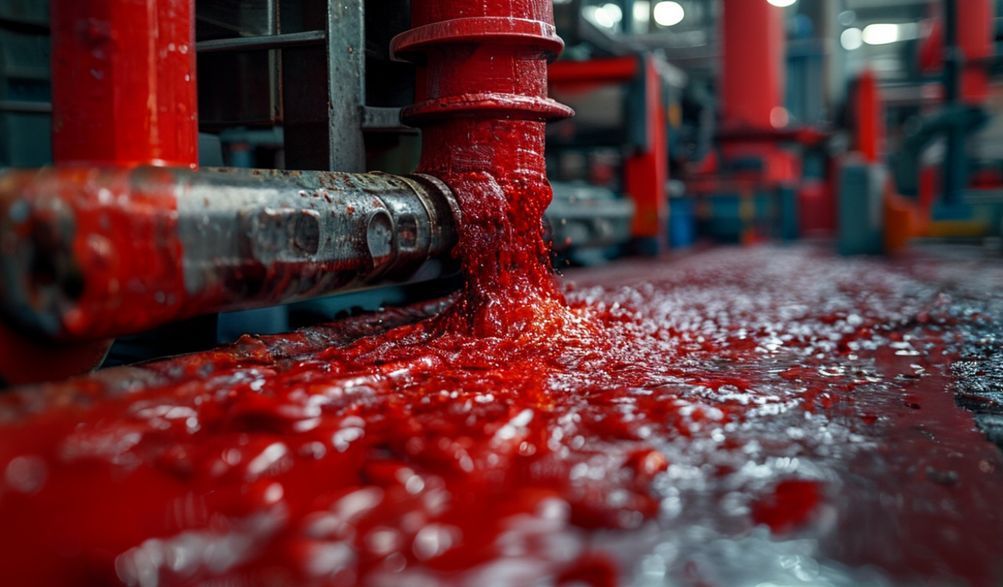
Panduan Utama Memilih Mesin Batu Bata Merah untuk Bisnis Anda
For centuries, red clay bricks have been the cornerstone of durable and beautiful construction. Their timeless aesthetic, excellent thermal properties, and proven structural integrity ensure they remain in high demand globally. However, for businesses and entrepreneurs looking to capitalize on this demand, traditional manual production methods present significant roadblocks: they are painfully slow, labor-intensive, and prone to inconsistent quality.
Navigating the world of industrial machinery to solve these problems can be equally daunting. With a myriad of options, technical specifications, and suppliers, selecting the right equipment is a critical decision that can make or break your venture. This is where the modern red clay bricks machine becomes the game-changer.
This comprehensive guide is designed to cut through the complexity. We will provide expert, unbiased, and practical advice to help business owners, builders, and entrepreneurs make a confident investment decision. Drawing from industry standards, technical specifications, and operational best practices, we’ll walk you through everything from core functionality and types of mesin pembuat bata tanah liat to the key factors for purchase and sustainable operation of a profitable clay brick plant.
What is a Red Clay Bricks Machine? Core Function and Types
At its heart, a red clay bricks machine automates and streamlines the ancient process of turning raw clay into standardized, high-quality building units. It replaces the variability of human effort with mechanical precision, transforming a craft into a scalable manufacturing process.
The Basic Working Principle: From Clay to Finished Brick
While specific machines handle different stages, the core journey from clay to finished brick involves four key stages, each of which can be mechanized:
- Persiapan Tanah Liat: Raw clay is fed into crushers and mixers to achieve a homogeneous, workable consistency. Water and other additives (like sand or ash) are blended in to create the perfect plasticity for molding.
- Pencetakan/Ekstrusi: This is the heart of the brick manufacturing process. The prepared clay is forced into a mold or through a die under high pressure to form a continuous column of clay, which is then wire-cut into individual brick blanks.
- Pengeringan: The wet, “green” bricks must be dried slowly and evenly to remove moisture. This is typically done in controlled drying chambers or sheds to prevent cracking and warping.
- Pemecatan: The dried bricks are loaded into a kiln (like a Hoffman kiln or tunnel kiln) and fired at high temperatures (typically 900°C – 1200°C). This process vitrifies the clay, giving the bricks their signature red color, hardness, and permanent strength.
A modern brick-making plant integrates machinery for each of these steps, creating a seamless production line.
Types of Red Clay Brick Making Machines
Machines are broadly categorized by their level of automation and their forming technology.
Mesin Manual/Semi-Otomatis:
* Terbaik Untuk: Small-scale operations, startups, or niche product lines with lower capital.
* Operasi: Require significant manual labor for feeding clay, removing bricks, and stacking. The pressing or extrusion process is machine-powered.
* Keluaran: Lower capacity, typically ranging from 500 to 3,000 bricks per 8-hour shift.
Pabrik Pembuatan Batu Bata Sepenuhnya Otomatis:
* Terbaik Untuk: Medium to large-scale commercial production aiming for high volume and profitability.
* Operasi: Automated from clay feeding to brick stacking. Use programmable logic controllers (PLCs) for minimal human intervention.
* Keluaran: High capacity, often producing 10,000 to 50,000+ bricks per day with a small crew.
Extruder vs. Press Machines:
* Extruder Machines: Force clay through a die to form a continuous column. Excellent for producing hollow bricks, perforated bricks, and blocks. They offer high output and are common in automated plants.
* Press Machines: Use a hydraulic or mechanical press to compact clay into a mold. Often used for solid bricks, paving bricks, and especially for producing high-density, face bricks with sharp edges and detailed textures.
Key Benefits of Investing in a Modern Brick Making Machine
Moving from manual production to a mechanized system isn’t just an upgrade—it’s a transformation of your business model.
Konsistensi dan Kontrol Kualitas yang Tak Tertandingi
Machines eliminate human variability. Every brick produced has:
* Precise dimensions that meet building code specifications.
* Uniform density and strength, ensuring reliable structural performance.
* Consistent color and finish, which is crucial for aesthetic projects.
Peningkatan Produksi yang Dramatis
Compare a team of skilled artisans producing a few hundred bricks per day to a single semi-automatic machine producing thousands, or a fully automatic plant producing tens of thousands. This scalability is the direct path to fulfilling larger contracts and driving business growth, directly impacting your Return on Investment (ROI).
Significant Reduction in Labor Costs and Physical Strain
Automation reduces dependency on large, skilled labor crews for the most strenuous tasks. This lowers long-term wage costs, minimizes workplace injuries, and alleviates the challenges of finding manual labor.
Enhanced Material Efficiency and Waste Reduction
Automated systems precisely measure and compact clay, minimizing spillage and off-cuts. Advanced machines can often recycle scrap clay back into the production process, optimizing raw material usage and boosting your bottom line.
Faktor-Faktor Penting yang Perlu Dipertimbangkan Sebelum Membeli
A successful purchase is one that matches your specific context. Avoid a one-size-fits-all approach by deeply analyzing these factors.
Assessing Your Production Needs: Scale and Output
Be brutally realistic. Calculate:
* Current and projected market demand.
* Your target bricks per hour or per day.
* Future expansion plans. Choosing a machine that can grow with you (e.g., a semi-automatic that can be upgraded) is often wiser than buying an under-capacity or excessively large system.
Understanding Brick Types and Specifications
Your product defines your machine. Confirm the machine’s compatibility with:
* Brick Sizes: Standard (e.g., 230x110x75 mm), modular, or custom sizes.
* Jenis-Jenis Bata: Solid, hollow (for insulation and lighter weight), or paving bricks.
* Kekuatan Tekan yang Diperlukan: This will influence the required pressure of the machine.
Power Requirements: Electric, Hydraulic, or Hybrid Systems
- Listrik: Common, cleaner, and easier to maintain in areas with stable grid power.
- Hidrolik Provide immense, steady pressure for high-density bricks; require hydraulic fluid maintenance.
- Hibrida: Combine electric motors with hydraulic systems for efficiency. Your choice depends on local power reliability and the brick quality you aim to produce.
Clay Quality and Preparation Needs
Your local clay is a key determinant. Test its:
* Plasticity
* Shrinkage rate
* Sand content
Your machine choice must suit these properties. Often, the investment isn’t just in the brick machine itself, but in the necessary auxiliary equipment like clay crushers, feeders, and mixers to prepare the raw material correctly.
Budget Analysis: Total Cost of Ownership
Look beyond the sticker price. Your budget must encompass:
* Machine purchase cost.
* Shipping, installation, and commissioning fees.
* Cost of auxiliary equipment (mixer, crusher, conveyor).
* Foundation and shed construction for the plant.
* Ongoing operational costs (power, water, maintenance, labor).
Operational Insights and Best Practices
Owning the machine is just the beginning. Proper operation and care ensure it remains a profit center, not a liability.
Step-by-Step: Operating Your Red Clay Bricks Machine Safely
A generic operational checklist should always include:
* Pre-Start: Check all guards are in place, ensure the workspace is clear, and verify lubrication levels.
* Start-up: Power on systems in the correct sequence (often control panel, then hydraulics, then main drive).
* Pemberian Makan: Use consistently prepared clay; avoid overloading the hopper with hard lumps or foreign objects.
* Monitoring: Constantly observe brick formation, extrusion pressure, and cutter alignment.
* Shutdown: Follow the reverse sequence, clear all clay from the chamber and die, and perform a basic clean-down.
* Safety First: Never bypass safety interlocks, always wear appropriate PPE (gloves, safety glasses, ear protection), and ensure all operators are thoroughly trained.
Essential Maintenance for Longevity and Peak Performance
- Harian: Clean clay residue from molds, dies, and conveyors. Check for loose bolts or parts.
- Mingguan: Lubricate all moving parts as per the manual. Inspect wires on cutters and wear on extrusion dies.
- Bulanan: Check hydraulic fluid levels and filters. Inspect electrical connections and motor conditions. Calibrate pressure settings.
Pemecahan Masalah Umum
- Poor Extrusion/Cracking: Often caused by incorrect clay moisture (too dry or too wet) or a worn-out/blocked die.
- Dimensional Inaccuracies: Can result from a worn mold, incorrect cutter timing, or excessive vibration in the machine frame.
- Bricks Sticking to Mold: Usually indicates insufficient mold lubrication or, again, incorrect clay moisture content.
Ensuring a Smart Purchase and Sustainable Operation
How to Vet Suppliers and Manufacturers
Your supplier is a long-term partner. Conduct due diligence:
* Check History: How long have they been in business? What is their reputation?
* Request References: Ask for contact details of previous clients, preferably in your region, and call them.
* Review Certifications: Do they have ISO or other industry-relevant quality certifications?
* Evaluate After-Sales Service: This is critical. What is their warranty? Do they have local technicians or provide comprehensive training? How readily available are spare parts?
The Importance of Training and Technical Support
Never underestimate this. Proper training for your operators and maintenance staff prevents costly mistakes and downtime. Ensure your purchase includes detailed training, either on-site or at the supplier’s facility, and access to technical support.
Environmental and Regulatory Considerations
Be a responsible operator. Consider:
* Emissions: If you operate a kiln, investigate cleaner firing technologies (e.g., natural gas) and potential scrubber systems to meet local air quality standards.
* Dust Control: Install dust extraction systems at clay preparation and crushing points.
* Water Usage & Recycling: Plan for water management in the clay mixing process.
* Local Regulations: Secure all necessary permits for industrial operation, zoning, and environmental compliance before setting up.
Frequently Asked Questions (FAQ) About Red Clay Bricks Machines
Q1: What is the average cost range for a red clay bricks machine?
A: Costs vary enormously. A small semi-automatic machine can start from $5.000 hingga $15.000. A mid-range fully automatic production line can range from $50,000 to $150,000, while large, complete turnkey plants with drying and kiln systems can easily exceed $500,000. Capacity, automation level, and brand are the primary cost drivers.
Q2: Can one machine produce different types and sizes of bricks?
A: Yes, many machines are designed for versatility. By changing the mold or extrusion die, you can produce different sizes and profiles (e.g., from solid to hollow bricks). However, each changeover requires downtime and you must purchase the specific, compatible molds for each brick type.
Q3: What is the typical payback period on such an investment?
A: For a well-run operation with good market demand, the payback period typically ranges from 1 to 3 years. This depends heavily on your machine’s output, local brick pricing, operational efficiency, and initial investment scale.
Q4: How much space is required to set up a small brick-making plant?
A: A functional small-scale plant needs space for: the machine, raw clay storage, a mixing area, a drying shed (which is often the largest area), and storage for finished bricks. A minimum plot of 1,000 to 2,000 square meters (approx. 10,000-20,000 sq ft) is a practical starting point.
Q5: Are there financing options available for this machinery?
A: Yes. Many reputable equipment suppliers offer in-house financing or leasing plans. Additionally, local industrial development banks, agricultural banks (for rural enterprises), and government business development schemes often have loan programs specifically for capital equipment purchases.
Kesimpulan
Investing in a red clay bricks machine is a decisive step toward transforming a labor-intensive activity into a modern, efficient, and profitable manufacturing business. The benefits of consistent quality, scaled output, and reduced operational strain are clear pathways to growth and sustainability.
Our final, strongest recommendation is to prioritize a perfect match for your specific needs over a tempting low price. Conduct thorough due diligence on suppliers, insist on comprehensive training, and plan meticulously for installation and maintenance. The long-term success of your clay brick plant hinges not just on the quality of the machine, but on the quality of the partnership you form with your supplier and the operational knowledge you build within your team.
Siap untuk melangkah lebih jauh? Consult with multiple experts, insist on live machine demonstrations or visits to working client plants, and always request detailed technical specification sheets. An informed decision is the most profitable one you can make.
<