
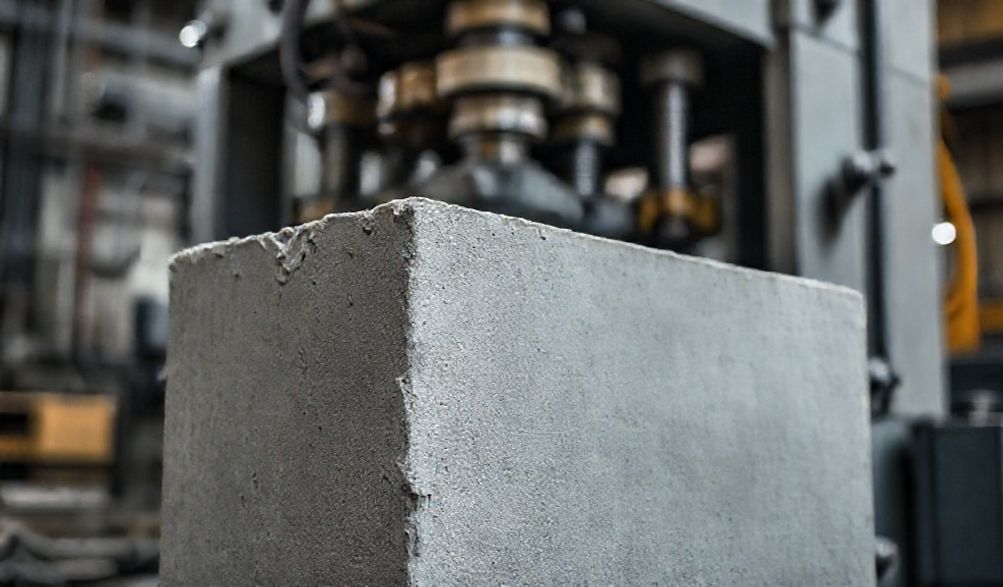
Your Ultimate Guide to Finding the Right Block Machine for Sale
Pengantar
You’ve reviewed the production numbers for the third time this week. Your current block-making setup can’t keep up with the new housing development contract you just landed, or perhaps the consistency of your pavers isn’t what it used to be, leading to costly callbacks. The bottleneck is clear: your machinery. The decision to invest in a new or upgraded block machine isn’t just a purchase; it’s a pivotal moment for your business’s growth, efficiency, and reputation.
This comprehensive guide is designed to cut through the market noise. Drawing on years of industry analysis, direct feedback from plant operators, and deep dives into manufacturer specifications, we provide a clear roadmap. Our goal is not to sell you a specific brand, but to arm you with the knowledge to make a confident, profitable investment. By the end of this article, you will have a firm grasp of the different types of block machines, the critical factors for selection, where to buy reliably, and the exact questions you need to ask to ensure long-term success.
Understanding Block Machines: Types and Applications
Navigating the world of block machinery starts with understanding the fundamental categories. The right choice hinges on your product mix, scale of operation, and business model. Let’s break down the landscape.
Concrete Block Making Machines: Stationary vs. Mobile
The first major fork in the road is choosing between stationary and mobile machines. This decision fundamentally shapes your production workflow.
-
Mesin Blok Stasioner: These are the powerhouses of high-volume production. Installed in a fixed location within a factory or plant, they are designed for maximum output and automation.
- Operasi: Raw materials (concrete, sand, aggregate) are fed via conveyor systems. The machine produces blocks at its fixed location, which are then transported via pallet carts or forklifts to a dedicated curing area.
- Keluaran: Capacities can range from 2,000 to over 20,000 blocks per 8-hour shift, depending on the model and automation level.
- Ideal Untuk: Large-scale block manufacturers, precast concrete plants, and businesses supplying major construction projects with consistent, high-volume demand.
-
Mobile Block Machines (Egg Layers): These units are designed for on-site production. The machine itself moves along a prepared casting bed, “laying” blocks directly onto the ground or a concrete slab.
- Operasi: Simpler and often more manual. The machine is fed locally, and it produces and ejects blocks in a line as it moves.
- Keluaran: Generally lower than stationary plants, often suited for producing several hundred to a few thousand blocks per day.
- Ideal Untuk: Builders constructing in remote locations (reducing transport costs of finished blocks), smaller enterprises starting out, or projects where producing blocks directly at the point of use is a strategic advantage.
Hollow Block Machines, Paver Machines, and Interlocking Block Machines
Beyond where they operate, machines are specialized for the products they create. The block type dictates the mold and often the machine’s pressure and vibration systems.
- Mesin Bata Ringan: The workhorses of the construction industry. These machines produce standard hollow concrete blocks used for walls. The key is the mold, which has cores to create the hollow centers, reducing weight and material use while maintaining strength.
- Paver Machines: These focus on producing dense, high-strength concrete paving stones, kerbstones, and landscaping blocks. They typically employ high-frequency vibration and substantial compaction pressure (measured in MPa) to create a non-porous, durable surface finish that can withstand vehicular traffic.
- Interlocking Block Machines: A growing segment, especially in sustainable and DIY construction. These machines produce blocks with designed ridges and grooves that lock together without mortar. They are excellent for retaining walls, garden borders, and some building systems, offering faster installation.
Mesin Blok Manual, Semi-Otomatis, dan Sepenuhnya Otomatis
Automation level directly correlates with labor cost, initial investment, and production consistency.
- Mesin Blok Manual: Operated primarily by hand levers for mixing, filling, and compacting. They are low-cost and simple to repair but have very low output and high physical labor requirements.
- ROI & Fit: Fastest payback on the machine cost itself, but scalability is limited. Ideal for micro-enterprises or very specific, low-volume custom work.
- Mesin Blok Semi-Otomatis: The sweet spot for many small to medium-sized businesses. Key processes like vibration, compaction, and ejection are powered (electrical/hydraulic), but tasks like feeding raw material and removing finished pallets are manual.
- ROI & Fit: Balances a moderate capital investment with significantly improved output and reduced labor strain. ROI is typically achieved within 1-3 years based on utilization.
- Mesin Blok Sepenuhnya Otomatis: These are complete systems. They feature automated batching, mixing, conveying, block making, curing, and pallet handling—often controlled by a PLC (Programmable Logic Controller).
- ROI & Fit: Requires a substantial capital investment but offers the highest output, unparalleled consistency, and the lowest labor cost per block. ROI justification comes from large, consistent contracts and scale.
Faktor-Faktor Penting yang Perlu Dipertimbangkan Sebelum Membeli
Moving beyond type, a successful purchase is defined by how well the machine’s specifications align with your operational reality. Overlooking these details is where costly mistakes happen.
Kapasitas Produksi dan Spesifikasi Keluaran
Don’t just look at the “blocks per hour” claim in a brochure. You must understand the cycle time and match it to your berkelanjutan market demand.
- Waktu Siklus: This is the total time to produce one pallet of blocks, including mold filling, compaction, curing (in the machine), and ejection. A machine with a 15-second cycle time is fundamentally different from one with a 45-second cycle.
- Output Harian yang Realistis: Calculate based on an 8 or 12-hour operational day, factoring in necessary downtime for mold changes, maintenance, and breaks. Buying a machine that is 50% larger than you need wastes capital; buying one 50% too small strangles growth.
Block Types, Sizes, and Mold Customization
Versatility can be a major asset or an unnecessary cost. Define your core products.
- Standard vs. Custom Molds: Most machines come with a set of standard molds. The ability to source additional or custom molds—and at what cost—is critical. Can the supplier provide molds for the specific block dimensions (e.g., 400x200x200mm hollow block) or paver pattern you need?
- Mold Changeover Time: How long does it take to switch from producing pavers to producing hollow blocks? In semi-automatic machines, this can be 30-60 minutes of downtime—a key efficiency factor.
Machine Durability, Build Quality, and Key Components
This is where you assess the engine under the hood. A cheap price often reflects compromises here.
- Sistem Getaran: The heart of block density and strength. Look for systems with multiple high-frequency vibrators (under the table and on the mold head) and adjustable amplitude. This ensures even compaction, especially in hollow blocks.
- Sistem Hidrolik: Responsible for the pressing force. Check the quality of the pumps, valves, and cylinders. Reputable brands like Bosch Rexroth or Parker indicate a focus on reliability. Ask about the maximum pressure (in tons or MPa) it can apply.
- Kerangka Struktural: The machine must be built from heavy-duty steel plate to withstand constant vibration without warping or cracking.
- Sistem Kontrol: For semi- and fully-automatic machines, the PLC is the brain. Brands like Siemens or Schneider Electric are industry standards for a reason—they are reliable and serviceable.
Kebutuhan Daya dan Biaya Operasional
The purchase price is just the entry fee. Understand the ongoing costs to run your business.
- Electrical Load: A medium-sized semi-automatic machine may require a 3-phase, 30-50 kW power connection. Can your facility’s electrical infrastructure support this without expensive upgrades?
- Raw Material Consumption: Request data on the volume of concrete mix required per block. Efficiency here directly impacts your material costs.
- Pemeliharaan Jangka Panjang: Inquire about recommended maintenance schedules and the typical cost of wear parts like vibration motors, hydraulic seals, and mold liners. A machine with cheap, inaccessible parts will cost you more in the long run.
Navigating the Market: Where to Find Reliable Block Machines for Sale
Knowing what to buy is half the battle; knowing where to buy it safely is the other.
Reputable Manufacturers vs. Local/Global Distributors
You have two primary sourcing paths, each with trade-offs.
- Buying Direct from Manufacturers: This often provides the best technical specifications and potentially a lower price by cutting out the middleman. However, support may be slower if the factory is overseas, and you may handle logistics yourself.
- Buying from a Distributor/Dealer: A local or regional distributor adds a layer of cost but also value. They should provide localized sales support, quicker access to spare parts, and often have service technicians. They represent your advocate with the manufacturer.
Evaluating Used and Second-Hand Block Machines
A used machine can offer tremendous value but carries inherent risk. Never buy sight-unseen.
Practical Inspection Checklist:
* Service History: Request all available logs. Consistent, documented maintenance is a green flag.
* Hours of Operation: Similar to a car’s mileage, this indicates wear. A 10-year-old machine with 2,000 hours is very different from one with 20,000.
* Critical Wear Points: Inspect the mold cavities for excessive wear or damage. Check the hydraulic cylinders for leaks and the vibration motors for unusual noise or heat.
* Test Run: Always insist on seeing the machine produce blocks under load. Observe the cycle, listen for odd sounds, and check the quality of the finished blocks.
Red Flags and How to Avoid Scams
Protect your investment by staying vigilant.
- The “Too-Good-To-Be-True” Price: If a price is drastically below market rates for the specification, it is almost always a scam or a machine with serious, hidden problems.
- Unverifiable Sellers: Be wary of sellers with no physical address, only a P.O. box, or who communicate solely through non-professional email domains.
- Lack of Documentation: A legitimate seller can provide technical datasheets, electrical diagrams, and parts manuals. Their absence is a major warning sign.
- Pressure Tactics: Scammers often create false urgency (“another buyer is interested, wire the money today”).
Ensuring Value: Beyond the Purchase Price
The true cost of a block machine is its Total Cost of Ownership (TCO). The best suppliers understand this and compete on service, not just price.
The Critical Role of Installation, Training, and After-Sales Support
The machine’s arrival is when the real partnership begins.
- Pemasangan & Pengoperasian: Does the price include a technician to install, level, and commission the machine on your site? Proper installation is non-negotiable for performance.
- Pelatihan Operator Komprehensif: Your team must be trained on safe operation, routine maintenance, basic troubleshooting, and mold changeovers. This is often included but confirm the duration and depth.
- Dukungan Purna Jual: What is the response time for technical queries? Is support available in your local language and time zone? This support is your lifeline during breakdowns.
Availability of Spare Parts and Local Service Technicians
A machine is only as good as its weakest, worn-out part.
- Inventaris Bagian: Ask for a spare parts price list and check the availability of common wear items. A supplier with a local parts warehouse is vastly preferable to one that ships everything from overseas with a 60-day lead time.
- Jaringan Layanan: Is there a certified technician within a reasonable distance from your plant? In our experience, operators often underestimate the operational risk of buying a machine with no local service footprint.
Warranty Comparisons and Service Agreements
Read the fine print. A warranty is a promise of reliability.
- Standard Warranty: Typically covers defects in materials and workmanship for 12 months. Clarify what is included (e.g., parts, labor, travel for the technician).
- Extended Service Agreements: For critical equipment, consider purchasing an extended warranty or annual service contract. This fixes your maintenance costs and ensures priority support.
- Exclusions: Pay attention to what is tidak covered. Wear parts (molds, liners, seals) are usually excluded, as is damage from improper operation or lack of maintenance.
Pertanyaan yang Sering Diajukan (FAQ)
Q1: What is the average price range for a new block making machine?
A: Prices vary dramatically based on type and automation. A small manual machine can start around $5,000 – $15,000. A robust semi-automatic machine for a small business typically ranges from $30,000 to $80,000. Large, fully automatic production lines can easily cost from $150,000 to over $500,000. The variance is due to output capacity, automation level, brand, and component quality.
Q2: Can one machine produce different types of blocks (e.g., hollow blocks and pavers)?
A: Yes, most machines can, but it requires interchangeable molds. The key is ensuring the machine has sufficient vibration and compaction pressure (MPa) to handle the different material densities required for hollow blocks (less dense) versus solid pavers (highly dense). Always confirm the machine’s specifications are suitable for all your desired products.
Q3: What is the typical lead time from order to delivery for a block machine?
A: For standard models from stock, delivery can take 4-8 weeks, including shipping and customs. For customized machines or those built to order, lead times of 12-20 weeks are common. Always get a written delivery timeline in your purchase agreement.
Q4: How much space is required to install and operate a medium-capacity block machine?
A: You need space for more than just the machine. For a semi-automatic system, plan for:
* The machine footprint: ~ 4m x 6m.
* Raw material storage (sand, aggregate, cement): 100-200 sqm.
* Curing area (where blocks gain strength for 7-14 days): 500-1000+ sqm, depending on output.
* Finished product storage: 200-500 sqm.
A total area of 1,000 – 2,000 sqm is a realistic starting point for a functional small-to-medium operation.
Q5: What are the most common maintenance tasks for ensuring machine longevity?
A: Consistent maintenance is crucial.
* Harian: Clean the mold, feed hopper, and mixing system thoroughly. Visually check for hydraulic leaks and loose bolts.
* Mingguan: Lubricate all moving parts as per the manual (pivots, guide rods). Check hydraulic fluid levels and condition.
* Bulanan: Tighten all bolts and nuts on the frame and vibration table. Inspect electrical connections for tightness. Test safety systems.
Kesimpulan
Choosing the right “block machine for sale” is a strategic decision that impacts your productivity, product quality, and profitability for years to come. It requires looking beyond the initial price tag to evaluate production needs, machine durability, and—most importantly—the total lifecycle cost and support structure provided by the supplier.
Use this guide as your framework for evaluation. Prioritize suppliers who demonstrate transparency, provide clear and comprehensive technical data, and offer robust after-sales service with local support. Your goal is not just to buy a machine, but to form a partnership that fuels your business’s growth. Before you sign any contract, ensure you have all your questions answered and a clear path to success from day one of operation.
<