1. Introduzione
I blocchi e i mattoni di argilla sono stati un punto fermo nell'edilizia per millenni, apprezzati per la loro durata, l'isolamento termico e l'estetica naturale. Nell'edilizia moderna, la domanda di materiali da costruzione di alta qualità a base di argilla rimane elevata, specialmente in progetti residenziali, di restauro del patrimonio e di costruzione eco-consapevoli. Tuttavia, la produzione tradizionale manuale di mattoni in argilla è laboriosa, richiede tempo ed è soggetta a incoerenze qualitative, creando colli di bottiglia per distributori, rivenditori e acquirenti che cercano catene di approvvigionamento affidabili.
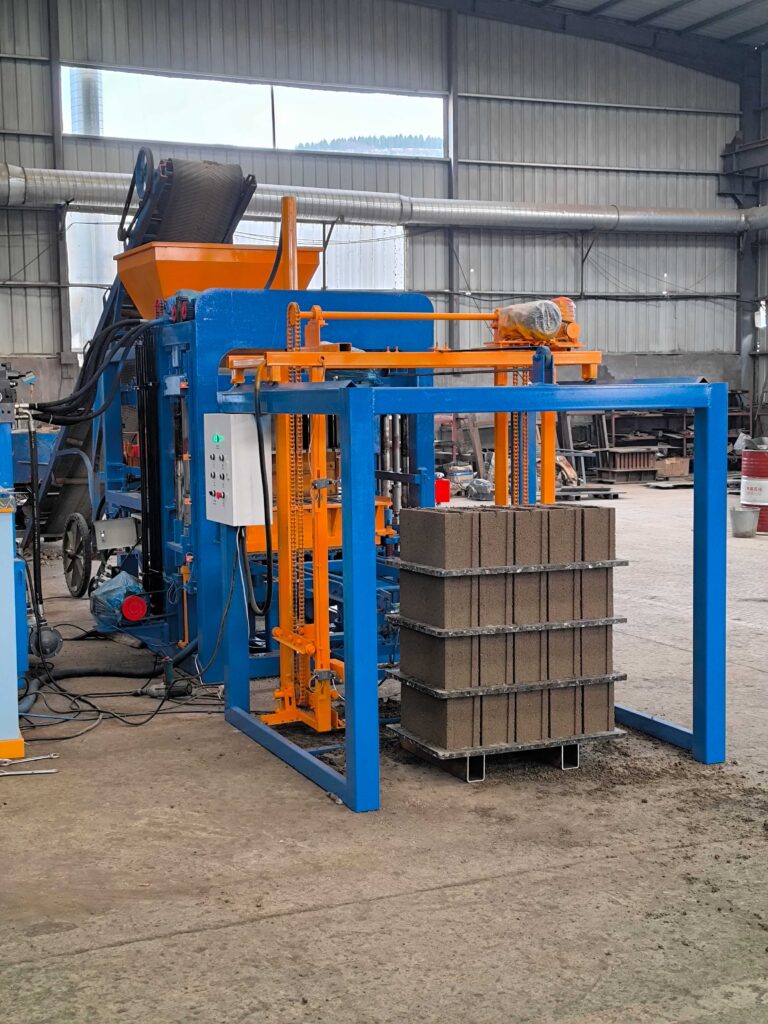
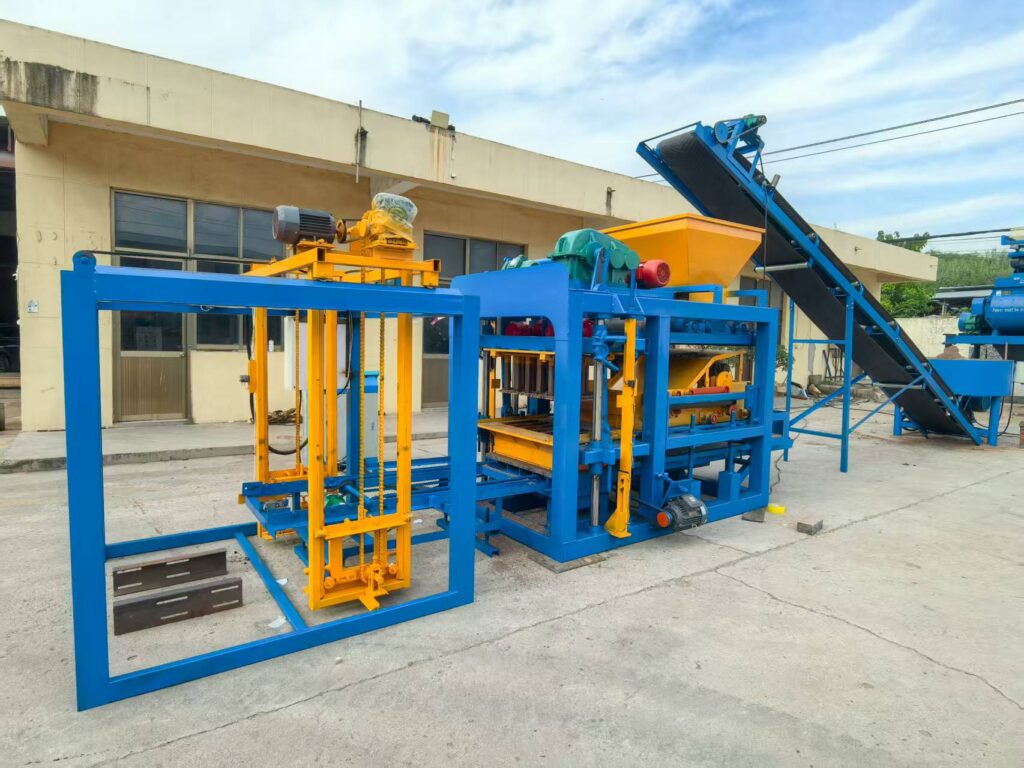
IlMattone blocco argilla macchinaAffronta queste sfide automatizzando le fasi chiave della produzione di mattoni/blocchi in argilla - dalla preparazione e formatura dell'argilla all'essiccazione e cottura. A differenza delle macchine per blocchi multimateriale che lavorano cemento o ceneri volanti, le macchine per mattoni in argilla sono progettate specificamente per le proprietà uniche dell'argilla (ad esempio plasticità, ritiro durante l'essiccazione) per garantire prodotti finiti uniformi e ad alta resistenza. Per i professionisti del settore, comprendere queste macchine è cruciale: i distributori devono abbinare i clienti con attrezzature in linea con le loro scale produttive e le caratteristiche dell'argilla regionale; i distributori devono ottimizzare le scorte per soddisfare la domanda di muratura in argilla; gli acquirenti devono investire in macchine che bilancino efficienza, costo e conformità agli standard edilizi locali.
2. Corpo Principale
2.1 Principi Operativi Fondamentali delle Macchine per Mattoni in Argilla
Le macchine per mattoni e blocchi in argilla ottimizzano la produzione attraverso un flusso di lavoro sequenziale e automatizzato. Ogni fase è adattata alle proprietà fisiche dell'argilla, garantendo sprechi minimi e qualità costante. Comprendere questo processo è fondamentale per valutare le prestazioni della macchina e risolvere eventuali problemi.
2.1.1 Clay Preparation: The Foundation of Quality Bricks
Clay quality directly impacts brick strength and durability—so block brick clay machines begin with a rigorous preparation stage to refine raw clay:
- Crushing and Grinding: Raw clay (often mined from local deposits) contains impurities like stones, roots, and sand. The machine’s crushing unit (equipped with rotating jaws or hammer mills) breaks down large clay lumps into particles of 5–10mm. A secondary grinding unit then reduces particles to 1–2mm, ensuring uniform plasticity. For clay with high sand content (common in arid regions), a sieving system removes excess sand (over 20% sand content weakens bricks).
- Mixing and Moisture Control: Clay requires precise moisture (18–22%) to be moldable without cracking during drying. The machine’s mixing chamber combines crushed clay with water (via automated spray nozzles) and optional additives (e.g., lime to reduce shrinkage, ash to improve insulation). A built-in moisture sensor monitors the mixture in real time—adding water if too dry or aerating if too wet. Over-moist clay sticks to molds, while under-moist clay produces brittle bricks.
- De-Airing (Optional): High-end machines include a de-airing unit that removes air bubbles from the clay mixture. Air bubbles cause cracks during firing, so de-airing improves brick density. This unit uses vacuum pumps to suck air from the clay, increasing production time by 10–15% but reducing defect rates by 30–40%.
2.1.2 Molding: Shaping Clay into Bricks/Blocks
The molding stage converts prepared clay into uniform shapes—either standard bricks, hollow blocks, or custom designs. Block brick clay machines use two primary molding technologies:
- Extrusion Molding: The most common method for mass production. Prepared clay is forced through a metal die (with the desired brick/block shape) by a hydraulic or mechanical extruder. The extruded clay “log” is then cut into individual units by rotating blades (precision-controlled to ensure consistent length). Extrusion molding is fast (producing 500–2,000 bricks per hour) and ideal for standard sizes (e.g., 240mm×115mm×53mm bricks, 200mm×100mm×60mm hollow blocks). The die can be replaced to switch between shapes, taking 30–60 minutes per change.
- Press Molding: Used for custom-shaped bricks (e.g., interlocking paving bricks, decorative facade bricks) or high-density clay blocks. Clay is pressed into a pre-shaped mold under high pressure (15–30 MPa) using a hydraulic press. Press molding is slower (100–500 units per hour) but produces bricks with sharp edges and intricate designs. It is also suitable for clay with low plasticity, as pressure compacts the material to improve strength.
2.1.3 Drying: Removing Moisture to Prevent Cracking
Freshly molded clay bricks (called “green bricks”) contain 18–22% moisture. Drying reduces moisture to 5–8% before firing—rapid drying causes uneven shrinkage and cracks, so block brick clay machines use controlled drying systems:
- Natural Drying Racks: Basic machines include open-air racks where green bricks are stacked in a single layer (to allow air circulation). This method relies on weather conditions (temperature 20–30°C, humidity 50–60%) and takes 3–7 days. It is low-cost but risky in rainy or humid regions, where mold growth or slow drying can damage bricks.
- Forced-Air Drying Chambers: Mid-range machines integrate insulated chambers with fans and heaters. The chamber maintains a temperature of 35–45°C and humidity of 40–50%, reducing drying time to 1–2 days. Bricks are stacked on trolleys that move through the chamber on a conveyor, ensuring uniform exposure to air.
- Dehumidified Drying Systems: High-end machines use dehumidifiers to remove moisture from the air, allowing precise control (temperature 40–50°C, humidity 30–40%). Drying time is reduced to 12–24 hours, and defect rates are minimized (less than 2%). This system is ideal for regions with extreme weather or large-scale production.
2.1.4 Firing: Hardening Bricks for Strength
Firing is the final stage, where dried bricks are heated to high temperatures (900–1,200°C) to fuse clay particles—transforming soft green bricks into hard, durable masonry units. Block brick clay machines use different kiln types for firing:
- Batch Kilns: Small-scale machines use batch kilns (e.g., intermittent gas kilns or electric kilns) where bricks are loaded, fired, and unloaded in batches. Firing takes 24–48 hours (including heating, soaking at peak temperature, and cooling) and is suitable for production volumes of 5,000–20,000 bricks per week. Batch kilns are low-cost but have lower energy efficiency (heat is lost between batches).
- Continuous Kilns: Medium-to-large-scale machines use continuous kilns (e.g., tunnel kilns, roller hearth kilns) where bricks move through a long, insulated tunnel on trolleys or rollers. The tunnel is divided into zones: preheating (removes remaining moisture), firing (peak temperature), and cooling. Firing takes 8–16 hours, and production volumes reach 50,000–200,000 bricks per week. Continuous kilns are energy-efficient (heat is reused) and produce consistent quality, but they have higher upfront costs.
- Fuel Options: Kilns can run on natural gas, diesel, biomass (e.g., wood chips), or electricity. Gas and biomass are cost-effective for large-scale production, while electricity is used for small-scale or indoor operations (due to lower emissions). Some machines include fuel-saving features like heat recovery systems, which capture waste heat from the cooling zone to preheat the firing zone—reducing fuel consumption by 15–25%.
2.2 Classification of Block Brick Clay Machines by Production Scale
Block brick clay machines are categorized by production capacity to cater to diverse needs—from small local producers to large industrial manufacturers. Distributors and buyers must match machine scale to market demand to avoid overinvestment or underproduction.
2.2.1 Small-Scale Block Brick Clay Machines (5,000–20,000 bricks/week)
Designed for micro-producers, rural distributors, or startups, these machines are compact, low-cost, and easy to operate.
- Key Specifications:
- Production Capacity: 5,000–20,000 standard bricks per week (or 3,000–12,000 hollow blocks).
- Power Requirement: 3-phase electricity (5–10 kW) or diesel generator (for off-grid sites).
- Dimensions: 3–5m×2–3m×2–3m (fits in a 50–100 square-meter workshop).
- Molding Method: Extrusion (standard bricks) or manual press (custom shapes).
- Drying/Firing: Natural drying racks + batch kiln (electric or small gas-fired).
- Core Features:
- Manual clay feeding (reduces automation costs but requires 2–3 operators).
- Simple mechanical extruder (10–15 MPa pressure) for basic brick shapes.
- Portable design (some models are trailer-mounted for on-site production in remote areas).
- Price Range: $8,000–$25,000.
- Ideal For: Rural distributors supplying local housing projects, small-scale clay brick producers in developing regions, or artisans making decorative clay bricks.
2.2.2 Medium-Scale Block Brick Clay Machines (20,000–100,000 bricks/week)
Targeted at regional distributors or mid-sized producers, these machines balance automation and cost-effectiveness, with higher efficiency than small-scale models.
- Key Specifications:
- Production Capacity: 20,000–100,000 standard bricks per week (or 12,000–60,000 hollow blocks).
- Power Requirement: 3-phase electricity (15–30 kW).
- Dimensions: 6–10m×4–6m×3–4m (requires a 150–300 square-meter factory space).
- Molding Method: Automated extrusion (with quick-change dies) or semi-automatic press.
- Drying/Firing: Forced-air drying chamber + medium-sized batch kiln or small continuous kiln.
- Core Features:
- Automatic clay feeding (conveyor belt from storage hopper) reduces labor to 1–2 operators.
- Hydraulic extruder (15–25 MPa pressure) for denser bricks (compressive strength: 10–15 MPa).
- PLC control panel for monitoring extrusion speed, moisture levels, and cutting precision.
- Optional de-airing unit to reduce defect rates.
- Price Range: $25,000–$80,000.
- Ideal For: Regional distributors supplying commercial projects (e.g., schools, small office buildings), mid-sized clay brick producers serving multiple towns, or eco-conscious brands making sustainable clay masonry.
2.2.3 Large-Scale Block Brick Clay Machines (100,000+ bricks/week)
Industrial-grade machines for national distributors, large manufacturers, or infrastructure projects, these offer full automation, maximum efficiency, and advanced quality control.
- Key Specifications:
- Production Capacity: 100,000–500,000+ standard bricks per week (or 60,000–300,000 hollow blocks).
- Power Requirement: 3-phase electricity (50–100 kW) + dedicated power supply for kilns.
- Dimensions: 15–30m×10–15m×4–6m (requires a 500–1,000+ square-meter industrial facility).
- Molding Method: High-speed extrusion (200–500 bricks per hour) or fully automatic press (for custom shapes).
- Drying/Firing: Dehumidified drying system + continuous tunnel kiln (gas, biomass, or hybrid fuel).
- Core Features:
- Full automation: From clay crushing to brick stacking (robotic arms for stacking fired bricks).
- High-pressure hydraulic extruder (25–30 MPa) for ultra-dense bricks (compressive strength: 15–25 MPa, suitable for high-rise buildings).
- Advanced PLC system with remote monitoring (track production data, kiln temperature, and maintenance alerts via mobile app).
- Energy-saving features: Heat recovery systems, variable-frequency drives for motors, and low-emission kilns (compliant with EU CE, US EPA standards).
- Quality inspection integration: Cameras and sensors detect cracked or misshapen bricks, automatically diverting them to waste bins.
- Price Range: $80,000–$500,000+.
- Ideal For: National distributors supplying infrastructure projects (highways, bridges, large residential complexes), industrial clay brick manufacturers with regional or global markets, or government-backed projects prioritizing high-quality, sustainable masonry.
2.3 Technical Advantages of Block Brick Clay Machines Over Manual Production
Block brick clay machines offer significant benefits over traditional manual methods—advantages that directly impact profitability, quality, and scalability for distributors and buyers.
2.3.1 Higher Production Efficiency and Labor Savings
Manual clay brick production is labor-intensive: 5–8 workers can produce 500–1,000 bricks per day, with high physical strain (e.g., mixing clay by hand, carrying green bricks). Block brick clay machines reduce labor needs by 70–90%:
- Small-scale machines: 2–3 workers produce 1,000–3,000 bricks per day (5x more than manual).
- Large-scale machines: 1–2 operators oversee 10,000–20,000 bricks per day (20x more than manual).Labor savings translate to lower operational costs—for a medium-scale producer, this reduces monthly labor expenses from $5,000–$8,000 (manual) to $1,000–$2,000 (machine), improving profit margins by 15–25%.
2.3.2 Consistent Quality and Reduced Defects
Manual production leads to inconsistent brick size, density, and strength—defect rates often exceed 15% (due to uneven mixing, imprecise shaping, or improper drying). Block brick clay machines use automated controls to ensure uniformity:
- Precision Molding: Extrusion dies and press molds produce bricks with ±1mm size accuracy, meeting global standards (e.g., ASTM C216 for clay bricks).
- Controlled Drying/Firing: Drying chambers and kilns maintain stable temperature/humidity, reducing shrinkage cracks and ensuring uniform hardening. Defect rates drop to 2–5% for mid-to-large-scale machines.
- Material Optimization: Automated mixing ensures consistent clay-to-water ratios, preventing weak (under-mixed) or brittle (over-dried) bricks.Consistent quality reduces returns from clients and builds trust—critical for distributors seeking long-term customer relationships.
2.3.3 Scalability to Meet Market Demand
Manual production is difficult to scale—adding more workers only increases costs linearly, with limited gains in output. Block brick clay machines allow easy scaling:
- Small-scale to medium-scale: Upgrade from natural drying to a forced-air chamber, or add a second extruder to double capacity.
- Medium-scale to large-scale: Integrate a continuous kiln and robotic stacking to increase output 5–10x without proportional labor increases.This scalability is essential for distributors and buyers looking to expand into new markets or capitalize on demand spikes (e.g., pre-construction season).
2.3.4 Sustainability and Environmental Compliance
Clay is a natural, renewable resource—but manual production wastes clay (15–20% due to improper shaping) and uses more fuel for firing (inefficient batch kilns). Block brick clay machines improve sustainability:
- Material Efficiency: Automated molding reduces clay waste to 3–5%, conserving resources and lowering raw material costs.
- Energy Efficiency: Continuous kilns and heat recovery systems reduce fuel consumption by 20–30% compared to manual kilns.
- Low Emissions: Modern machines use low-sulfur fuels or electric kilns, complying with strict environmental regulations (e.g., EU’s Industrial Emissions Directive).For eco-conscious markets, this makes clay bricks a more sustainable alternative to cement blocks—appealing to builders prioritizing LEED or BREEAM certification.
2.4 Critical Factors for Selecting a Block Brick Clay Machine
Choosing the right block brick clay machine requires balancing production needs, budget, and regional conditions. Distributors and buyers must evaluate these key factors to avoid costly mistakes.
2.4.1 Align Machine Capacity with Market Demand
Overinvesting in a large-scale machine for a small market leads to idle time and wasted energy; underinvesting in a small-scale machine for high demand results in missed sales. To align capacity:
- Conduct Demand Analysis: For buyers, calculate monthly/annual brick demand based on current clients and growth projections. For example, a regional distributor supplying 100,000 bricks/month needs a medium-scale machine (20,000–100,000 bricks/week) with room to upgrade.
- Account for Downtime: Factor in maintenance downtime (5–10% of production time) when selecting capacity. A machine with 50,000 bricks/week capacity will produce ~45,000–47,500 bricks/week in practice.
- Choose Modular Designs: Opt for machines with modular components (e.g., additional extruders, expandable drying chambers) that can be added later—this avoids replacing the entire machine as demand grows.
2.4.2 Evaluate Clay Compatibility with Local Deposits
Clay characteristics (e.g., plasticity, sand content, mineral composition) vary by region—machines must be optimized for local clay to ensure quality and efficiency:
- Clay Testing: Before purchasing, test local clay samples for plasticity (using a Atterberg limit test) and sand content. Machines for low-plasticity clay (common in desert regions) need higher press pressure (25–30 MPa) or additives systems. Machines for high-sand clay need robust sieving units.
- Customization Options: Select suppliers that offer custom dies or mixing parameters for local clay. For example, clay with high iron content may require lower kiln temperatures (to avoid discoloration), so the machine’s kiln should have adjustable temperature controls.
2.4.3 Assess Energy and Fuel Availability
Block brick clay machines (especially large-scale models) require significant energy—access to affordable fuel/electricity impacts TCO (Total Cost of Ownership):
- Electricity Supply: Ensure the site has a stable 3-phase power supply (small-scale: 5–10 kW, large-scale: 50–100 kW). For off-grid regions, choose diesel-powered machines or add solar panels (some suppliers offer solar-compatible models).
- Fuel Costs: Kiln fuel (gas, diesel, biomass) accounts for 30–40% of operational costs. In regions with cheap biomass (e.g., wood chips in Southeast Asia), select biomass-fired kilns. In regions with low natural gas prices (e.g., Middle East), gas-fired kilns are more cost-effective.
2.4.4 Prioritize After-Sales Support and Spare Parts Availability
Downtime due to machine breakdowns costs $1,000–$5,000/day (depending on capacity). Reliable after-sales support minimizes this risk:
- Warranty Coverage: Look for a 1–3 year warranty on the main machine (extruder, kiln, PLC) and 6–12 months on wearing parts (dies, blades, kiln liners). Avoid suppliers with no warranty or short coverage periods.
- Local Service Centers: Suppliers with regional service centers (or partnerships with local repair firms) provide faster on-site support (24–72 hours vs. 1–2 weeks for international suppliers).
- Spare Parts Supply: Ensure common spare parts (e.g., extruder blades, moisture sensors, kiln heating elements) are available locally or can be shipped within 3–5 days. Some suppliers maintain online portals for easy spare parts ordering and tracking.
2.5 Maintenance Best Practices to Extend Machine Lifespan
Proper maintenance ensures block brick clay machines operate efficiently for 10–15 years (vs. 3–5 years with neglect). Distributors can guide clients on maintenance, while buyers should implement regular schedules to reduce downtime.
2.5.1 Daily Maintenance Tasks
Perform these tasks at the start and end of each production shift:
- Clay Preparation Unit:
- Clean the crushing and grinding units to remove clay buildup (buildup reduces crushing efficiency).
- Inspect sieve screens for damage (holes allow stones to enter the mixing chamber, damaging the extruder).
- Check moisture sensor calibration (use a handheld moisture meter to verify readings).
- Molding Unit:
- Clean extruder dies or press molds with a soft brush to remove dried clay (dried clay distorts brick shapes).
- Lubricate extruder screws or press rams with high-temperature grease (prevents wear from friction).
- Inspect cutting blades for sharpness (dull blades produce uneven brick lengths).
- Drying/Firing Unit:
- Clean drying chamber fans and heaters to remove dust (dust reduces airflow and heating efficiency).
- Check kiln temperature sensors (calibrate with a portable pyrometer if readings are off).
- Remove ash or debris from kiln burners (debris blocks fuel flow, causing uneven heating).
2.5.2 Weekly Maintenance Tasks
These tasks focus on deeper component checks and lubrication:
- Lubrication:
- Lubricate all moving parts (conveyor bearings, mixer shafts, kiln rollers) with the manufacturer-recommended oil/grease. Over-lubrication attracts dust; under-lubrication causes metal-on-metal wear.
- For hydraulic systems, check oil levels and filter condition (replace filters if dirty to prevent hydraulic pump damage).
- Electrical System:
- Inspect wires and connectors for fraying or corrosion (repair/replace damaged components to avoid short circuits).
- Clean the PLC control panel with a dry cloth (dust can cause overheating or sensor malfunctions).
- Test emergency stop buttons and safety interlocks (ensure they shut down the machine immediately).
- Structural Checks:
- Inspect the machine frame for loose bolts (tighten if needed—vibration during operation loosens bolts over time).
- Check kiln liners for cracks (small cracks can be repaired with refractory cement; large cracks require liner replacement to prevent heat loss).
2.5.3 Monthly Maintenance Tasks
These tasks ensure long-term reliability and performance:
- Calibration:
- Calibrate extrusion speed and cutting length (use a ruler to verify brick dimensions; adjust PLC settings if needed).
- Calibrate kiln temperature and firing time (test brick compressive strength using a compression tester—adjust kiln settings if strength is below standards).
- Component Inspection:
- Inspect extruder dies or press molds for wear (replace if brick edges are no longer sharp or dimensions are inconsistent).
- Check drying chamber insulation (replace damaged insulation to maintain temperature control and reduce energy costs).
- Inspect robotic stacking arms (if applicable) for alignment (misalignment causes brick breakage during stacking).
- Full Machine Cleaning:
- Perform a deep clean of all units—remove clay buildup from the mixing chamber, clear dust from electrical components, and scrub kiln interiors to remove glaze deposits (deposits cause uneven heating).
- Paint exposed steel parts (e.g., frame, conveyor supports) with anti-rust paint to prevent corrosion, especially in humid environments.
3. Conclusion
Block brick clay machines are transformative tools for the masonry industry—enabling distributors, distributors, and buyers to meet growing demand for high-quality, sustainable clay bricks while improving efficiency and profitability. Unlike generic block machines, these equipment are engineered specifically for clay’s unique properties, ensuring consistent production from raw material preparation to firing.
This guide has outlined the core operational principles of block brick clay machines, categorized them by production scale (small, medium, large) to match diverse market needs, and highlighted their technical advantages over manual production—from labor savings to environmental compliance. We’ve also provided critical selection factors (capacity alignment, clay compatibility, after-sales support) and maintenance best practices to help you maximize return on investment.
For distributors, understanding these machines allows you to advise clients on the right model for their needs, building trust and long-term partnerships. For distributors, it helps optimize inventory and supply chains to meet regional demand. For buyers, it ensures you invest in a machine that balances upfront cost with long-term efficiency—avoiding overcapacity or quality issues that harm your business.
As the construction industry continues to prioritize sustainability and quality, the demand for block brick clay machines will only grow. By leveraging the insights in this guide, you can position yourself as a leader in the clay masonry market—delivering reliable products, optimizing costs, and contributing to a more sustainable built environment.
4. FAQ
4.1 What type of clay is compatible with block brick clay machines?
Block brick clay machines work with most natural clay types, but the clay must meet basic requirements for plasticity and impurity content:
- Plasticity: Clay should have a plasticity index (PI) of 10–30 (measured via Atterberg limits). Low-plasticity clay (PI <10) is too dry and brittle; high-plasticity clay (PI >30) sticks to molds and shrinks excessively.
- Impurity Content: Sand content should be 5–20% (excess sand weakens bricks; too little sand causes cracking). Stones, roots, or organic matter must be <2% (removed via crushing and sieving).
- Mineral Composition: Clay with high kaolinite or illite content is ideal (these minerals harden well during firing). Clay with high montmorillonite content (e.g., bentonite) may require additives (lime) to reduce shrinkage.Suppliers often offer clay testing services to determine compatibility—send a 5–10kg sample for analysis before purchasing a machine.
4.2 How long does it take to install and commission a block brick clay machine?
Installation time varies by machine scale:
- Small-scale machines: 1–3 days. Installation includes leveling the machine, connecting electricity, and testing the extruder/kiln. Commissioning (trial production) takes 1 day to adjust moisture levels and extrusion speed.
- Medium-scale machines: 5–10 days. Installation involves setting up the drying chamber, connecting conveyors, and calibrating the PLC. Commissioning takes 2–3 days to optimize firing temperature and drying time.
- Large-scale machines: 2–4 weeks. Installation requires assembling the continuous kiln, integrating robotic stacking, and configuring remote monitoring. Commissioning takes 5–7 days to fine-tune production parameters and test quality inspection systems.Most suppliers provide on-site installation teams—ensure the site is prepared (e.g., concrete foundation, power supply, water access) before the team arrives to avoid delays.
4.3 Can block brick clay machines produce custom-shaped bricks or blocks?
Yes—most machines offer custom options, depending on the molding method:
- Extrusion Molding: Custom dies can be made for non-standard sizes (e.g., 200mm×150mm×60mm bricks) or simple shapes (e.g., hollow blocks with rectangular holes). Die costs range from $500–$2,000, and production time for a custom die is 2–4 weeks.
- Press Molding: Ideal for intricate designs (e.g., interlocking paving bricks, decorative facade bricks with patterns). Custom press molds cost $1,000–$5,000 (depending on complexity) and take 3–6 weeks to manufacture.Suppliers require a detailed design (CAD file or physical sample) to create custom molds/dies. For large orders (10,000+ custom bricks), some suppliers offer discounted mold costs.
4.4 What is the energy consumption of a block brick clay machine?
Energy consumption depends on machine scale and kiln type:
- Small-scale machines: 5–15 kWh/hour (extruder + small batch kiln). For 8 hours/day operation, this is 40–120 kWh/day. If using a diesel generator, fuel consumption is 2–5 liters/hour.
- Medium-scale machines: 15–35 kWh/hour (extruder + forced-air drying + medium kiln). Daily consumption: 120–280 kWh.
- Large-scale machines: 50–100 kWh/hour (extruder + dehumidified drying + continuous kiln). Daily consumption: 400–800 kWh. Kilns account for 60–70% of energy use—continuous kilns with heat recovery systems reduce this by 15–25%.Energy costs can be reduced by using renewable energy (e.g., solar panels for small-scale machines, biomass for kilns) or operating during off-peak electricity hours (if rates are time-based).
4.5 What is the expected lifespan of a block brick clay machine, and how can it be extended?
The average lifespan of a block brick clay machine is:
- Small-scale machines: 5–8 years (with regular maintenance).
- Medium-scale machines: 8–12 years.
- Large-scale machines: 12–15 years (industrial-grade components).To extend lifespan:
- Follow Maintenance Schedules: Perform daily/weekly/monthly tasks (as outlined in 2.5) to prevent component wear.
- Use Quality Spare Parts: Replace worn parts with manufacturer-approved spares (generic parts may cause damage to other components).
- Train Operators: Ensure operators are trained to use the machine correctly (human error is a top cause of premature breakdowns).
- Store Properly: For seasonal operations, clean the machine thoroughly and cover it to prevent dust/rust buildup during idle periods.
- Upgrade Components: Replace outdated parts (e.g., old PLCs, inefficient motors) with modern upgrades to improve performance and extend life.