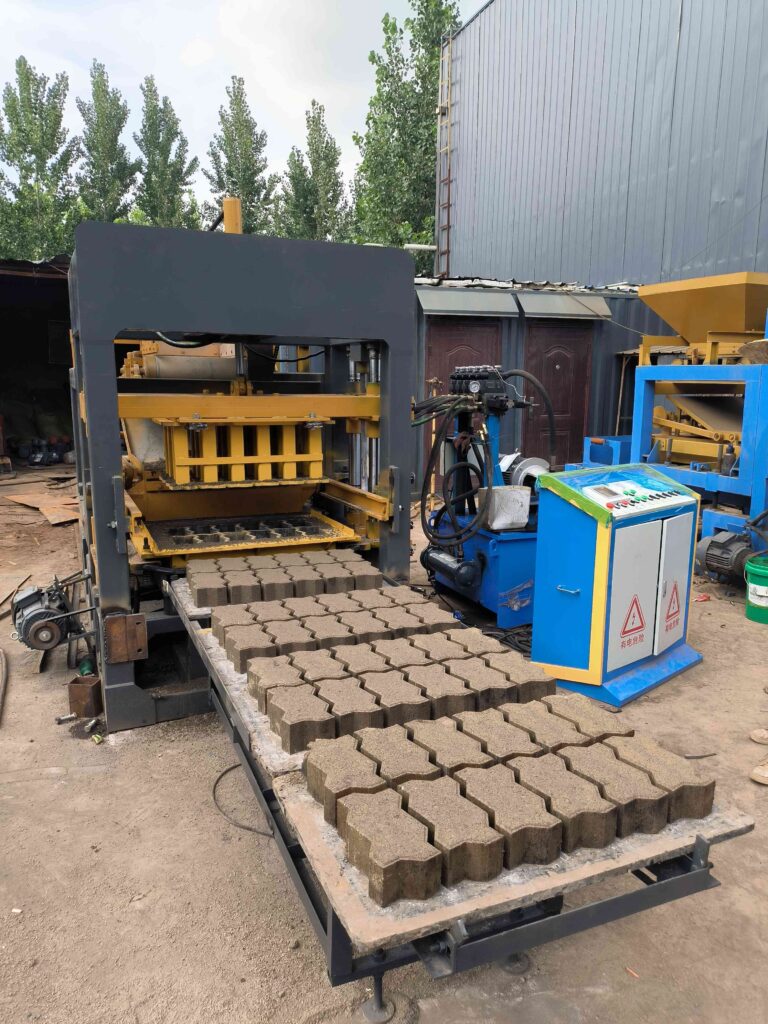
Panorama Attuale della Produzione e Variazioni Regionali
Il settore della produzione di mattoni in India presenta una struttura dualistica, comprendendo sia il tradizionale settore non organizzato che un segmento organizzato emergente. Il settore non organizzato, dominato da piccoli produttori stagionali che utilizzano macchine manuali o semiautomatiche e forni a clamp, rappresenta ancora una parte significativa della produzione, specialmente nelle aree rurali e semiurbane. Tuttavia, le crescenti normative ambientali, la carenza di manodopera e la consapevolezza qualitativa stanno guidando la consolidazione e la meccanizzazione. Il settore organizzato, che utilizza macchine completamente automatiche e moderni forni a tunnel, si sta espandendo rapidamente per soddisfare le esigenze qualitative e quantitative dei costruttori corporate, dei progetti infrastrutturali e delle costruzioni orientate all'esportazione. Le variazioni regionali sono marcate: gli stati settentrionali come Punjab e Haryana mostrano un'ampia adozione di macchinari per mattoni in ceneri volanti grazie alla vicinanza alle centrali termoelettriche; gli stati meridionali dimostrano una maggiore attenzione alla qualità con un più alto tasso di automazione; le regioni orientali mantengono pratiche tradizionali più radicate ma stanno vivendo una graduale modernizzazione. Comprendere queste sfumature geografiche è cruciale per un'efficace segmentazione del mercato e allocazione delle risorse.
Principali Fattori Trainanti del Mercato e Indicatori di Crescita
Diverse forze potenti stanno rimodellando i modelli di domanda per le macchine per la produzione di mattoni in tutta l'India:
- Slancio nello Sviluppo delle Infrastrutture:Le iniziative governative, tra cui la Missione Città Intelligenti, Abitazioni per Tutti e i massicci progetti di costruzione autostradale, stanno generando una domanda costante di mattoni standardizzati e di alta qualità. Questi progetti richiedono una qualità materiale uniforme e volumi di fornitura affidabili che solo le unità di produzione meccanizzate possono garantire, creando mercati naturali per macchinari avanzati per mattoni.
- Regolamenti Ambientali e Pressioni di Conformità:L'implementazione di norme ambientali più severe, in particolare riguardo all'inquinamento atmosferico proveniente dalle fornaci tradizionali e alle normative che regolano l'estrazione del suolo per i mattoni d'argilla, sta alterando fondamentalmente il settore. Questa spinta normativa sta accelerando la transizione verso la tecnologia dei mattoni di cenere volante e incoraggiando gli investimenti in tecnologie di produzione più pulite ed efficienti che rispettano gli standard sulle emissioni.
- Urbanization and Real Estate Growth: Rapid urban expansion and the growth of organized real estate development are driving demand for higher-quality construction materials. Builders seeking faster construction timelines and better finish quality are increasingly specifying machine-made, dimensionally accurate bricks, creating pull-through demand for the equipment that produces them.
- Labor Availability and Cost Economics: The diminishing availability of manual labor for traditional brick production, combined with rising wage rates, is making mechanized solutions increasingly economically viable. The business case for automation strengthens each year as labor costs increase and machine prices become more accessible through domestic manufacturing.
Technology Spectrum and Product Portfolio Strategy
Machinery Categories and Application Alignment
The Indian market supports a diverse range of brick making technologies, each serving distinct customer segments and production requirements:
- Manual and Semi-Automatic Presses: These entry-level machines, including egg-laying and table vibrators, remain relevant for micro-enterprises and rural entrepreneurs with limited capital. While offering lower output (500-2,000 bricks per day) and requiring significant manual labor, they provide an accessible entry point to mechanized production. Successful distribution of these units requires extensive dealer networks and financing support to reach bottom-of-pyramid customers.
- Fully Automatic Stationary Machines: This category represents the growth engine for machinery suppliers targeting the expanding middle market. These systems integrate material handling, mixing, and automated pressing with output capacities ranging from 6,000 to 20,000 bricks per 8-hour shift. They typically serve established brick manufacturers scaling up operations and new entrepreneurs with stronger capital backing. The value proposition centers on labor reduction, quality consistency, and reliable volume production.
- Mobile Production Plants and High-Capacity Systems: For large-scale industrial customers and infrastructure contractors, mobile brick making plants that can be deployed on major project sites offer significant logistics advantages. Similarly, fully integrated stationary plants with automated handling, curing, and palletizing systems serve manufacturers supplying national construction companies and export markets. These high-end solutions require sophisticated technical support and larger investment thresholds.
Emerging Technology Trends and Market Gaps
The technological evolution of brick machinery in India reflects both global trends and local adaptations:
- Raw Material Flexibility and Adaptation: Successful equipment designs increasingly accommodate diverse raw material inputs beyond traditional clay, including fly ash, construction debris, and industrial by-products. Machines that can process variable material compositions with minimal adjustment downtime hold competitive advantage in resource-constrained environments.
- Energy Efficiency and Hybrid Power Options: With electricity costs and reliability varying significantly across regions, machinery incorporating energy-saving features like variable frequency drives and optional hybrid power systems (grid power with generator backup) address critical customer pain points.
- Digital Integration and Remote Monitoring: While still emergent, features enabling production data tracking, remote diagnostics, and predictive maintenance are beginning to differentiate premium equipment offerings, particularly for corporate customers with multiple production facilities.
- After-Sales Service Innovation: Given India’s geographic spread and infrastructure challenges, suppliers who develop innovative service delivery models—including mobile service vans, regional spare parts hubs, and augmented reality-assisted remote support—can establish significant competitive barriers.
Strategic Market Entry and Expansion Framework
Distribution Channel Development and Management
Building effective routes to market is arguably the most critical success factor for machinery suppliers in India:
- Dealer Network Development: A phased approach to distributor recruitment—starting with regional leaders in high-potential states before expanding to secondary markets—allows for focused support and relationship building. Selection criteria should emphasize technical capability, financial strength, and market reputation over mere geographical coverage.
- Hybrid Sales Approaches: Combining direct sales for large corporate accounts and infrastructure projects with dealer networks for serving small and medium enterprises provides market breadth while maintaining focus on high-value opportunities. This requires clear account demarcation and lead management protocols to prevent channel conflict.
- Financing Partnerships and Purchase Facilitation: Given the capital-intensive nature of brick machinery, developing relationships with financial institutions for equipment financing significantly enhances market penetration. Suppliers who can facilitate credit access through tie-ups with banks and non-banking financial companies gain distinct advantage, particularly when serving first-time entrepreneurs.
Competitive Positioning and Value Proposition Development
Success in India’s crowded machinery market requires clear differentiation beyond price:
- Product Localization and Application Engineering: Equipment designed specifically for Indian operating conditions—accounting for material variations, power supply fluctuations, and operator skill levels—outperforms globally standardized products. Features like dust protection, voltage stabilization, and simplified maintenance access provide tangible value.
- Total Cost of Ownership Emphasis: Shifting customer conversations from initial purchase price to lifetime operating costs—factoring in energy consumption, wear part longevity, maintenance requirements, and production yield—helps justify premium positions for higher-quality equipment.
- Training and Knowledge Services: Offering comprehensive operator training, production optimization consulting, and business management guidance creates stickier customer relationships and reduces failure rates that damage brand reputation.
- Sustainability Alignment: Positioning equipment as enabling compliance with environmental regulations, resource conservation through use of industrial by-products, and improved working conditions resonates with both regulatory trends and evolving corporate responsibility expectations.
Conclusion
The Indian brick making machinery market presents a complex but exceptionally rewarding opportunity for suppliers who approach it with strategic patience, cultural understanding, and long-term commitment. The ongoing transition from informal to organized production, coupled with massive infrastructure investment and regulatory transformation, creates ideal conditions for growth. Success requires a balanced portfolio addressing multiple customer segments, from first-time entrepreneurs to industrial-scale producers. More importantly, it demands business models that combine equipment supply with comprehensive support ecosystems encompassing financing, training, and operational guidance. Suppliers who can master these dimensions while maintaining flexibility to adapt to India’s diverse regional markets will be positioned to capture significant value as the industry continues its modernization journey. The time for strategic investment and focused market development is now, as the foundations for the next decade of industry leadership are being laid.
Frequently Asked Questions (FAQ)
Q1: What are the key regulatory compliance requirements for brick machinery in India?
A: Compliance requirements vary by state but generally include pollution control board certifications for emissions, Bureau of Indian Standards (BIS) certification for machine safety and performance, and adherence to specific regulations governing fly ash utilization. For bricks themselves, BIS quality standards apply, particularly for supplies to government projects. Environmental compliance related to air and water pollution is increasingly enforced across states.
Q2: How does the financing landscape for brick machinery purchases operate in India?
A: Multiple financing options exist, including traditional bank loans (often requiring substantial collateral), specialized equipment financing from NBFCs (typically with faster processing but higher interest rates), and manufacturer-backed financing programs. Government schemes like Credit Linked Capital Subsidy Scheme for technology upgradation may also be accessible. Financing tenure typically ranges from 3-5 years with 20-30% margin money requirements.
Q3: What is the typical production capacity range for brick machinery across different price segments?
A: Entry-level manual machines (₹1-3 lakhs) produce 500-2,000 bricks per day; semi-automatic models (₹3-8 lakhs) yield 2,000-6,000 bricks daily; fully automatic stationary machines (₹8-25 lakhs) generate 6,000-20,000 bricks per shift; and high-capacity plants (₹25 lakhs+) can exceed 30,000 bricks daily. Actual output varies based on product type, raw materials, and operational efficiency.
Q4: What after-sales service expectations do Indian customers typically have?
A: Indian brick manufacturers expect responsive service with typical response time expectations of 24-48 hours, availability of critical spare parts within their region, comprehensive operator training in local languages, and troubleshooting support via phone/WhatsApp. Service contracts with guaranteed response times are increasingly common for premium equipment segments. The ability to provide quick, effective technical support significantly influences purchase decisions and brand reputation.
Q5: How significant is the fly ash brick segment compared to traditional clay brick production?
A: The fly ash brick segment is growing at approximately 15-20% annually compared to 3-5% for traditional clay bricks, driven by environmental regulations favoring utilization of industrial waste, lower production costs, and superior technical properties like consistent dimensions and higher compressive strength. While clay bricks still dominate volume terms, fly ash technology represents the growth frontier and increasingly attracts entrepreneurial investment and regulatory support.