
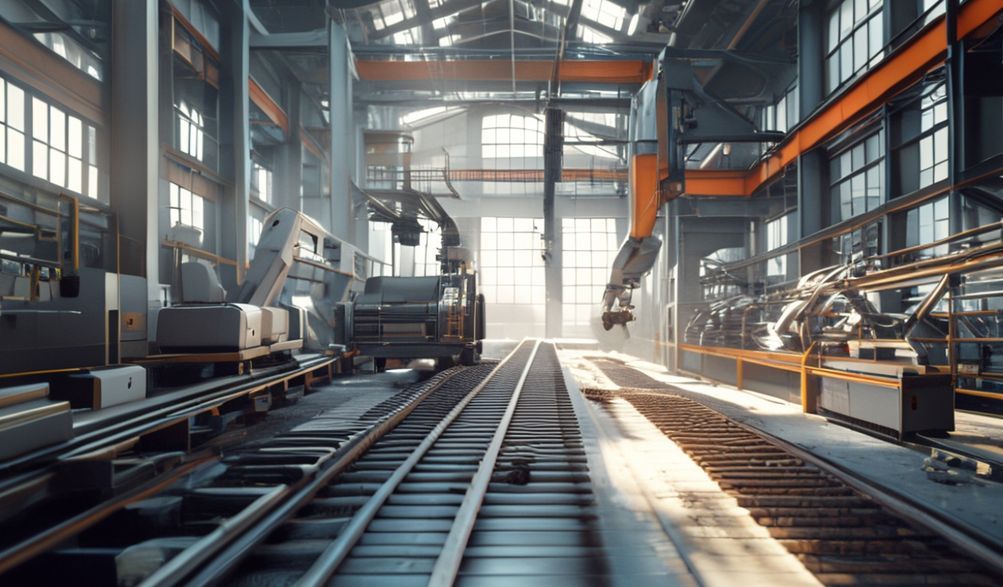
Толық автоматты зола-қиыршықтас кірпіш машиналарының толық нұсқаулығы: Тиімділік, құны және таңдау
Кіріспе
Жаһандық құрылыс саласы қарқынды қалалану мен тұрақты дамудың қос талабымен бетпе-бет келуде. Бұл жағдайда ұшқын күл кірпіштері - жылу электр станцияларының қалдық өнімін қайта өңдейтін, төзімді және экологиялық таза балама ретінде танылды. Дегенмен, бұл жасыл құрылыс материалының шынайы әлеуеті көбінесе ескірген өндіріс әдістерімен шектелуде.
Жылдар бойы өндірушілер қолмен және жартылай автоматтандырылған жүйелердің шектеулерімен күресті. Келесі қиындықтар: кірпіштің сапасының тұрақсыздығы, еңбекке тәуелділіктің жоғарылығы, сыну деңгейінің жоғары болуы және өндірісті тиімді масштабтау мүмкіндігінің болмауы көптеген кәсіпорындардың шынымен дамуына кедергі келтірді. Көптегендер үшін пайдалы және ірі масштабты ұшқынды күл кірпіш зауытының арманы қол жеткізуге болмайтын нәрсе сияқты болды.
Енгізіңізтолық автоматты ұшқын кірпіш машинасыкірпіш өндірудің негізін қайта анықтайтын технологиялық революция. Бұл жай ғана жаңарту емес, өндіріс парадигмасының толық түрленуі. Салалық біліктілік, техникалық талдау және нақты экономикалық деректерге негізделген бұл жан-жақты нұсқаулық сіздің сенімді ақпарат көзіңіз болуға арналған. Біз осы автоматтандырылған қуатты қондырғылардың қалай жұмыс істейтінін талдап, олардың нақты артықшылықтарын сандық түрде көрсетеміз және сіздің бизнесіңізді өнімділік пен пайданың жаңа дәуіріне алып шығатын сенімді, хабардар инвестиция жасау үшін анық бағыт береміз.
Толық автоматты ұшқынды кірпіш машинасы дегеніміз не?
Толығымен автоматтандырылған ұшқын күл кірпіш машинасы, негізінен, адамның ең аз араласуымен жоғары сапалы кірпіш өндіруге арналған біріктірілген өндірістік жүйе болып табылады. Шикізатты беруден бастап дайын кірпішті жинауға дейінгі процес бағдарламаланатын логикамен үйлестіріліп, үздіксіз, үздіксіз өндіріс желісін құрайды.
Негізгі анықтама және оның жартылай автоматты және қолмен жүйелерден айырмашылығы
«Толық автоматты» термині барлық негізгі операциялардың – құрастыру, араластыру, қалыптау, тығыздау, шығару және паллеттеудің – механикаландырылып, орталық электрондық панель арқылы басқарылатын тұйық циклді жүйені білдіреді. Адамның рөлі ауыр физикалық еңбектен машиналарды бақылау, сапаны қадағалау және техникалық қызмет көрсетуге ауысады.
- Қолмен жүйелер:Араластыру, қалыптарды толтыру және тығыздау (көбінесе қолмен басқарылатын престермен) үшін толығымен адам еңбегіне тәуелді. Өнім өте төмен, сапасы өте тұрақсыз, ал еңбек шығындары коммерциялық ауқымды өндіріске төзімсіз.
- Жартылай автоматты жүйелер:Нақты бөліктерді, мысалы араластыру немесе қысу процестерін механикаландырады, бірақ қалыпты толтыру, кірпішті алу және жинау үшін қол араласу қажет. Олар орташа шешім ұсынады, бірақ соған қарамастан тарылулар, жоғары еңбек қажеттілігі және сапа өзгерістерімен бетпе-бет келеді.
- Толық автоматтандырылған жүйелер:Барлық кезеңдердегі қолмен өңдеуді жою. Шикізаттар конвейерлер арқылы жеткізіліп, дәл араластырылып, тұрақты гидравликалық қысым астында қалыптастырылып, пісуге дайын паллеттерге автоматты түрде жиналады.
| Мүмкіндік | Қолмен | Жартылай автоматты | Толық автоматты |
| :— | :— | :— | :— |
| Жұмыс күші қажетӨте жоғары (10-15 адам) | Орташа (6-8 адам) | Төмен (2-3 білікті оператор)
| Шығарылымның тұрақтылығыӨте төмен, сенімсіз | Орташа, ауытқушы | Өте жоғары, біркелкі
| Күнделікті өнімділік сыйымдылығы | 1,000 – 3,000 bricks | 4,000 – 8,000 bricks | 8,000 – 20,000+ bricks |
| Primary Role of Labor | Physical production | Machine operation & manual handling | Supervision, monitoring, maintenance |
| Инвестициялық шығын | Low | Medium | High (with high ROI) |
Негізгі компоненттер және олардың функциялары
Understanding the machine’s anatomy is key to appreciating its automation:
* Пан Миксер: Ensures a homogeneous, consistent mix of fly ash, sand, cement, and water.
* Конвейер жүйесі: Transports raw materials to the mixer and the prepared mix to the molding chamber.
* Electronic Control Panel (PLC/SCADA): The “brain” of the operation. It programs brick size, pressure, and cycle time for flawless, repeatable execution.
* Hydraulic Compression Unit: The “heart.” It applies immense, calibrated pressure (measured in tons) to the mix in the mold, determining the brick’s final density and strength.
* Brick Ejector: Gently pushes the freshly pressed brick out of the mold onto the transfer system.
* Pallet Stacker / Robot: Automatically arranges green bricks onto pallets in a precise, stable pattern for efficient curing and transport.
Core Advantages of Investing in a Fully Automatic Plant
Moving to full automation is a strategic business decision, not just a machinery purchase. The advantages translate directly to your bottom line and market competitiveness.
Unmatched Production Efficiency and Consistency
Automation unlocks relentless, precise production. These machines can operate 24/7 with minimal downtime, producing between 8,000 to 12,000 bricks per hour (or more) depending on the model. Every single brick from an automatic machine is a near-perfect replica of the last—identical in dimensions, weight, and density. This consistency is invaluable for builders who rely on uniform bricks for speed and structural integrity.
Еңбек шығындары мен тәуелділіктің айтарлықтай төмендеуі
This is one of the most compelling financial benefits. A fully automatic plant typically requires only 2-3 skilled personnel per shift to monitor the control panel and perform basic checks. This is a drastic reduction from the armies of laborers needed for manual production. You’re not just cutting wage bills; you’re mitigating risks associated with labor shortages, skill gaps, and workplace fatigue, while upskilling your workforce.
Superior Brick Quality and Material Optimization
Precision engineering leads to superior products. The exact control over hydraulic pressure (e.g., 150-200 tons) ensures optimal compaction, resulting in bricks with higher compressive strength (often exceeding 10-12 N/mm²), lower water absorption, and excellent durability. Furthermore, automated batching minimizes raw material waste. You use exactly the required amount of fly ash, cement, and water, optimizing your material cost per brick.
Enhanced Workplace Safety and Operational Hygiene
Automation dramatically improves the factory environment. By removing workers from repetitive, heavy lifting and high-pressure molding areas, the risk of musculoskeletal injuries and accidents plummets. Enclosed mixing and conveying systems also contain fly ash dust, creating a cleaner, healthier workspace and helping you meet environmental and occupational safety standards more easily.
Critical Technical Specifications to Evaluate Before Buying
Choosing the right machine means looking beyond the brochure. These technical specs are the blueprint of your future production capacity and product quality.
Production Capacity: Bricks Per Hour and Pallet Size
Capacity must align with your business plan. Don’t just look at “bricks per hour”; understand the pallet configuration.
* A machine rated for 10,000 bricks/hour might produce 4 bricks per cycle on a 15-second cycle time.
* Match the pallet size (e.g., 1200mm x 800mm) to your material handling equipment and curing yard layout. An undersized machine caps your growth, while an oversized one leads to idle capital.
Hydraulic Pressure Range and Brick Density
Hydraulic pressure is the direct determinant of brick strength. It is measured in tons (e.g., 150 Tons, 200 Tons).
* Higher pressure compacts the raw materials more densely, creating a brick with higher compressive strength—a critical parameter for building codes (like IS 12894).
* Discuss with your supplier the pressure required to consistently achieve the strength grade (e.g., 7.5 N/mm², 10 N/mm²) demanded by your target market.
Automation Level and Control System (PLC vs. SCADA)
All automatic machines use a Programmable Logic Controller (PLC), but the interface can vary.
* Basic PLC Systems: Offer reliable automation for core functions like cycle timing and pressure application.
* SCADA Systems (Supervisory Control and Data Acquisition): Represent the advanced tier. They provide a graphical user interface for real-time monitoring, data logging, fault diagnostics, and even remote access. SCADA systems facilitate predictive maintenance and detailed production analysis.
Power Requirement and Overall Footprint
Plan your infrastructure accordingly.
* Қуат: A medium-capacity automatic plant may require a connected load of 50-75 HP. Ensure your electrical supply can handle the starting current and consider backup options.
* Із: You need space for more than just the machine. Account for the machine’s base dimensions, raw material storage bays (for fly ash, sand, cement), a curing area (4-5 times the daily production area), and finished goods storage. A clear layout is essential for smooth material flow.
Understanding the Cost and Return on Investment (ROI)
A transparent financial analysis separates a wise investment from an expensive mistake. View the cost through the lens of value generation.
Breakdown of Initial Investment Cost
The machine price is just one component. A realistic budget includes:
* Machine Price: Can range from approximately $80,000 to $250,000+ depending on capacity, brand, and automation level.
* Molds/Dies: Initial set for standard bricks (e.g., 4″, 6″), plus optional molds for pavers, hollow blocks, or designer bricks. Each mold is a separate cost.
* Installation & Civil Work: This includes a strong, leveled concrete foundation, electrical cabling, and plumbing for water lines.
* Ancillary Equipment: Consider costs for a wheel loader for raw materials, trolleys for pallet movement, and potentially a steam curing chamber for faster turnaround.
Operational Cost Analysis
Knowing your cost per brick is crucial for pricing and profit calculation.
* Raw Materials (~60-70% of cost): Fly ash, sand, cement, and water.
* Қуат тұтынуы: Based on machine HP and daily operating hours.
* Еңбек Wages for skilled operators and maintenance staff.
* Maintenance Spares: A yearly budget for hydraulic oil, seals, filters, and other wear parts.
* Мысал: Your operational cost might break down to $0.08 per brick, while the market selling price is $0.12, leaving a gross margin of $0.04 per brick.
Projecting Your ROI and Payback Period
Here’s a simplified framework:
1. Calculate Daily Gross Profit: (Daily Output) x (Profit per Brick).
* Example: 20,000 bricks/day x $0.04 profit = $800 daily gross profit.
2. Estimate Net Operating Days: Account for maintenance and market holidays (e.g., 300 days/year).
3. Calculate Annual Profit: Daily Gross Profit x Operating Days.
* $800 x 300 = $240,000 annual profit.
4. Determine Payback Period: (Total Initial Investment) / (Annual Profit).
* If total investment was $200,000: $200,000 / $240,000 = ~0.83 years, or about 10 months.
This is a simplified model, but it illustrates the powerful ROI potential. Your actual figures will vary based on local costs, efficiency, and market prices.
Step-by-Step Guide to Selecting the Right Manufacturer
Your machine supplier is a long-term partner. Diligence in selection prevents future operational nightmares.
Assessing Manufacturer Reputation and Industry Experience
Look for established players with a proven track record.
* Check how many years they have been manufacturing automatic brick machines.
* Ask for a client list and speak to existing customers, especially those with 2-3 years of operation.
* Inquire about industry certifications and if their machines are designed to produce bricks meeting relevant national standards (like ISI standards in India).
The Importance of Factory Visits and Machine Trials
Never buy based on a video or catalog alone.
* Visit the Factory: Inspect the build quality, welding, and component brands (e.g., Siemens PLC, Rexroth hydraulics). A tidy, organized factory often reflects quality standards.
* Witness a Live Trial: Run the machine with a material mix similar to what you’ll use. Produce bricks, test their immediate green strength, and later have samples tested for compressive strength and water absorption at a lab.
Evaluating After-Sales Service and Support
The machine will need support. The warranty terms are your first clue.
* Кепілдік: What is covered (parts, labor) and for how long (typically 1-2 years)?
* Қосалқы бөлшектер: Is there a ready inventory of critical spares? What is the average delivery time for non-stock items?
* Training: Do they provide comprehensive training for your operators and maintenance team at installation?
* Техникалық қолдау: Is phone/remote support available? What is the typical response time for an on-site engineer if needed?
Key Questions to Ask Your Potential Supplier
Come prepared with pointed questions:
1. “Can you provide a performance guarantee for output and brick strength in writing?”
2. “What is the expected energy consumption (kWh) per 1000 bricks?”
3. “How long does it take to change molds, and what is the procedure?”
4. “Can the control system be upgraded or integrated with future IoT platforms?”
5. “What is your policy on providing technical drawings for the foundation and plant layout?”
Жиі қойылатын сұрақтар (ЖҚС)
What is the average lifespan of a fully automatic fly ash bricks machine?
With proper operation and a rigorous preventive maintenance schedule, a well-built automatic machine can have a productive lifespan of 15 to 20 years. The key is regular servicing of the hydraulic system, timely replacement of wear parts, and protection from corrosion.
Can one machine produce different types and sizes of bricks?
Yes, absolutely. This is a major flexibility advantage. By changing the mold (also called a die), the same machine can produce solid blocks, hollow blocks, paving blocks, and interlocking bricks of different dimensions. The changeover process can take from 30 minutes to a couple of hours, depending on the machine design.
What is the required moisture content in fly ash, and how is it controlled?
Optimal moisture content in the raw fly ash is typically between 8% to 12%. Excessively dry fly ash is dusty and hard to compact; wet ash can clog systems. In automatic plants, this is often managed through:
* Pre-processing: Stockpiling and natural drying or using mechanical dryers.
* In-process adjustment: Advanced systems use moisture sensors in the mixer to automatically adjust water addition for a perfect consistency.
How does the curing process work in an automatic plant setup?
Curing happens кейін the bricks leave the machine. The automatic pallet stacker arranges the “green” (freshly pressed) bricks onto pallets. These pallets are then transferred to a curing area. The two main methods are:
1. Water Curing: Pallets are stacked and covered with tarpaulin, and water is sprinkled regularly for 14-21 days.
2. Steam Curing: Pallets are moved into a steam curing chamber, where controlled heat and moisture accelerate the strength gain process to within 24 hours.
What are the most common maintenance requirements?
A disciplined maintenance routine is non-negotiable.
* Күнделікті Clean the machine, check hydraulic oil levels and for leaks, inspect safety guards.
* Апталық: Clean filters, check and tighten bolts and electrical connections, lubricate moving parts.
* Ай сайын: Change hydraulic oil filters, inspect seals and hoses for wear, calibrate pressure gauges if needed.
* Annually: A comprehensive overhaul by a technician, including a full oil change and detailed component inspection.
Қорытынды
The transition to a толық автоматты ұшқын кірпіш машинасы represents a fundamental leap forward for any serious manufacturer. It is the key to unlocking unprecedented levels of efficiency, consistent quality, and robust profitability, all while contributing to a more sustainable construction ecosystem. This investment is strategic—it future-proofs your business against labor volatility and positions you as a reliable, high-volume supplier in a competitive market.
Remember, the cheapest machine is often the most expensive in the long run. Your focus must be on total value: technical capability, build quality, and the reliability of the manufacturer’s support network. As technology evolves, these machines are set to become even smarter, with IoT integration for predictive maintenance and energy optimization.
Ready to transform your brick production and build a more profitable, sustainable future? Download our detailed buyer’s checklist to compare suppliers, or contact our industry experts for a personalized consultation tailored to your specific business goals and market.
<