
The Ultimate Guide to Interlock Brick Machines: Types, Benefits & How to Choose
Кіріспе
The global construction industry is undergoing a seismic shift. With an urgent focus on sustainability, cost-efficiency, and speed, builders worldwide are seeking alternatives to century-old methods. Consider this: the traditional brick manufacturing and laying process can account for significant project delays and up to 30% of total construction costs in labor and materials alone.
For decades, builders and contractors have grappled with the inherent challenges of conventional brickwork: exorbitant labor costs, painstakingly slow progress, substantial material waste, and rigid design limitations. These bottlenecks stifle productivity and erode profit margins, especially for small and medium enterprises.
Enter the interlock brick machine—a transformative piece of technology that is democratizing construction. More than just a tool, it empowers entrepreneurs, contractors, and even community projects to take control of their building material supply chain. This guide is distilled from deep industry expertise, technical engineering knowledge, and real-world field reports. Our purpose is clear: to provide you with a definitive resource that cuts through the noise. By the end, you’ll possess the knowledge to select, operate, and benefit from an interlock brick machine, ultimately saving time, reducing costs, and building more resilient structures.
What is an Interlock Brick Machine? Revolutionizing Modern Construction
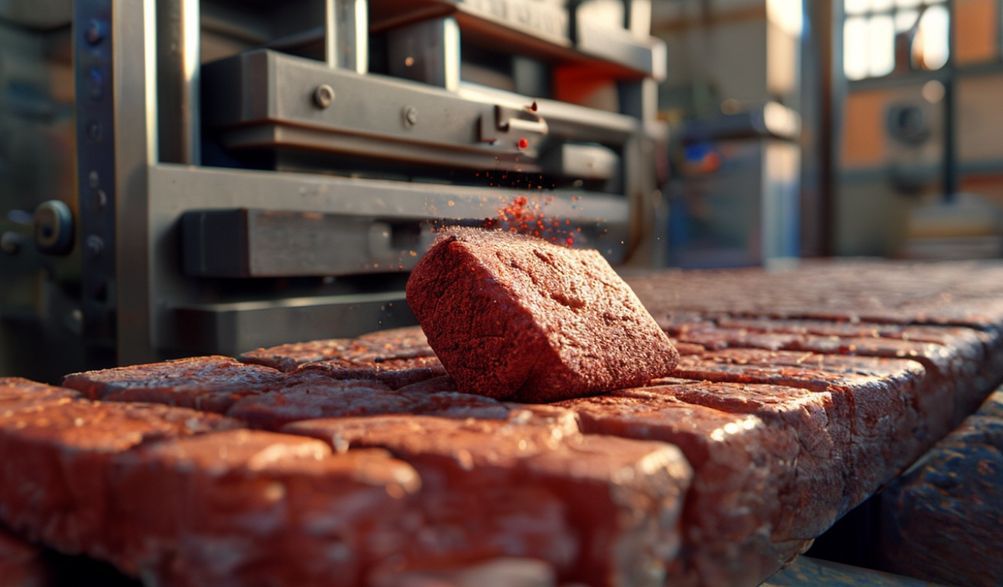
At its core, an interlock brick machine is a mechanical or hydraulic press designed to compress raw materials into precisely engineered bricks. Unlike their traditional counterparts, these bricks feature a unique interlocking design, allowing them to fit together like pieces of a puzzle without the need for mortar.
Негізгі анықтама және жұмыс принципі
An interlock brick machine operates on a straightforward yet powerful principle of high-pressure compaction. It takes readily available raw materials—such as soil, sand, cement, lime, or industrial by-products like fly ash—and compresses them into a dense, high-strength block. The process is typically a three-stage cycle:
- Тамақтандыру: The prepared raw material mix is loaded into the machine’s mold cavity.
- Сығу A hydraulic ram or mechanical lever applies immense pressure (often measured in tons) to the material, compacting it into the desired shape.
- Атқылау: The freshly formed, solid brick is ejected from the mold, ready for curing.
This process creates a “stabilized” brick, where the binding agent (like cement) reacts with the soil and moisture to create a durable, stone-like product.
The Key Advantage: The Interlocking Mechanism
The true genius of this technology lies in the brick’s design. Each brick is molded with a precise tongue-and-groove or puzzle-like pattern on its top and sides.
- Mechanical Bond: When assembled, these patterns interlock, creating a strong mechanical bond that distributes load evenly across the wall.
- Contrast with Traditional Methods: This eliminates the primary role of mortar, which in conventional masonry is used for bonding, leveling, and load distribution. The interlock system itself provides the structural connection.
This fundamental difference unlocks a cascade of benefits: construction speed increases dramatically, the dependency on highly skilled masons is reduced, and structures gain inherent flexibility, which is crucial in earthquake-prone areas.
Types of Interlock Brick Machines: Finding Your Perfect Match
Choosing the right machine is not about finding the “best” one, but the best one for you. The market caters to a wide spectrum of needs, from community-led housing projects to large-scale commercial production.
Операция бойынша: Қолмен, Жартылай автоматты және Толық автоматты
-
Қолмен басу: These are human-powered, lever-operated machines. They are the most affordable and portable option, ideal for:
- Very small-scale projects (e.g., a single home).
- NGOs and community development work in remote areas with no electricity.
- Prototyping or testing brick quality with local soil.
- Өнім және Еңбек: Production is labor-intensive, typically yielding 200-500 bricks per day, requiring a small team.
-
Жартылай автоматты машиналар: This category represents the optimal balance for most small-to-medium enterprises (SMEs) and growing contractors. They often feature:
- An electric or diesel-powered hydraulic system for compression.
- Manual feeding of raw material and removal of finished bricks.
- A significant boost in output and consistency over manual presses.
- Тәтті нүкте: They offer excellent productivity (500-2,500 bricks per day) without the complexity and capital investment of full automation.
-
Толық автоматты машиналар: These are production powerhouses designed for high-volume output with minimal manual intervention. They feature:
- Automated material feeding, compression, brick ejection, and sometimes stacking.
- Programmable Logic Controller (PLC) systems for consistent operation.
- Негізгі ескертулер: They require a higher initial investment, reliable power, and more space but can produce several thousand bricks per day with a small crew.
By Brick Output: Single, Double, and Multiple Brick Machines
Output capacity is directly tied to your project scale and business model.
* Single Brick Machines: Produce one brick per compression cycle. Best for starting out or low-volume needs.
* Double Brick Machines: Produce two bricks per cycle, effectively doubling daily output with the same cycle time—a highly efficient choice for SMEs.
* Multiple/Multi-Brick Machines: Can produce 4, 6, or even 10 bricks per cycle. The domain of large-scale commercial block yards supplying major projects.
By Power Source: Electric, Diesel, and Hybrid Models
- Электрлік модельдер: Clean, quiet, and cost-effective to operate where grid power is stable and available. They are the preferred choice for workshops and peri-urban areas.
- Дизельдік модельдер: Offer complete independence from the electrical grid. Essential for remote sites or regions with frequent power outages. Factor in fuel costs and maintenance.
- Гибридті модельдер: Provide the flexibility to switch between power sources, offering a valuable contingency plan for uninterrupted operation.
Why Choose Interlock Bricks? Tangible Benefits for Builders and Business
The adoption of interlock brick technology is driven by a powerful combination of economic, structural, and environmental advantages.
Economic and Efficiency Advantages
- Құрылыс жылдамдығы: Walls can be laid up to 50-60% faster than conventional masonry. Without waiting for mortar to set, work progresses continuously.
- Драмалық шығындарды үнемдеу: Eliminate the costs of mortar (cement, sand, water) and significantly reduce skilled labor expenses. The simplified process allows for faster training of workers.
- Қалдықтарды азайту: Precise manufacturing and dry-stack construction lead to near-zero material waste on site.
Structural and Durability Benefits
- Жоғары Қысу беріктігі: Properly made interlock bricks often exceed the compressive strength of traditional fired clay bricks, making them suitable for multi-story load-bearing walls.
- Flexural Strength & Seismic Resistance: The interlocking design and the absence of rigid mortar joints allow walls to flex slightly under stress, making them more resilient to earth tremors and settling.
- Үздік оқшаулау: The dense composition provides better thermal mass, keeping interiors cooler in summer and warmer in winter, and offers improved acoustic insulation.
Sustainability and Environmental Impact
- Local Materials: Utilizes on-site or locally sourced soil, reducing transportation emissions and costs.
- Қалдықтарды пайдалану: Can incorporate industrial waste products like fly ash (from coal plants) or quarry dust, giving them a productive second life.
- Low Carbon Footprint: The process requires no firing in kilns, saving trees (from firewood) and eliminating the direct CO2 emissions associated with clay brick production.
- Water Conservation: The construction process uses little to no water, a critical advantage in arid regions.
Critical Factors to Consider Before Buying an Interlock Brick Machine
Investing in a machine is a significant decision. Here is a practical, experience-based checklist to guide your evaluation.
Assessing Your Project & Business Needs
Start by asking the right questions:
* What is my average daily or weekly brick requirement?
* What types of projects will I undertake (residential housing, paving, retaining walls)?
* What is my available budget, including a buffer for installation, training, and initial raw material?
* Do I have a reliable power source, or do I need a diesel/hybrid model?
Machine Specifications and Build Quality
Do not compromise on core specifications and construction:
* Өндірістік қуат: Measured in bricks per hour (BPH). Ensure it matches your calculated needs.
* Жұмыс қысымы: The compression force in Tons. Higher pressure generally yields denser, stronger bricks (e.g., 20-40 Ton range is common for SMEs).
* Цикл уақыты: The time to produce one batch of bricks. Faster cycles mean higher output.
* Құрылыс сапасы: Inspect the robustness of the frame (solid steel plate), the quality of the hydraulic pump and cylinders, and the durability of the mold steel. A flimsy frame will not withstand constant high pressure.
Raw Material Compatibility and Testing
This is the most common oversight. The machine is only as good as the raw material you feed it.
* Mandatory Testing: Before purchasing, conduct a simple soil test to determine the proportions of clay, silt, and sand. Suppliers often provide simple test kits.
* Араластыру дизайны: Machines may be optimized for specific mixes (e.g., 5-10% cement stabilization vs. lime-based stabilization). Confirm compatibility with your local material.
Supplier Evaluation: The Hallmarks of a Trustworthy Partner
Your relationship with the supplier is critical for long-term success.
* Reputation & Experience: Prioritize manufacturers with a verifiable track record of 5-10+ years. Seek out customer testimonials and, if possible, visit an existing installation.
* Spare Parts & Service: Inquire explicitly about the availability of critical spare parts (hydraulic seals, mold parts, control panels) and the responsiveness of their service team. Downtime is lost revenue.
* Comprehensive Support: A reliable partner offers a clear warranty, thorough on-site training for your operators, and ongoing technical support.
Operating and Maintaining Your Machine for Longevity
Proper operation and maintenance are non-negotiable for maximizing your return on investment and ensuring consistent brick quality.
Step-by-Step Operational Guide
- Site & Setup: Place the machine on a level, solid concrete foundation. Ensure all safety guards are in place.
- Материалдарды дайындау: Sieve soil to remove stones and organic matter. Pre-mix raw materials (soil, sand, stabilizer) thoroughly to a consistent homogenous blend. Moisture content is critical—aim for a “hand-squeeze” test where the mix holds its shape without crumbling or dripping.
- Loading & Compression: Feed the mix evenly into the mold box. Initiate the compression cycle.
- Емдеу: Eject the bricks onto a pallet. They must be kept damp (covered with plastic sheeting) and undisturbed for a minimum period—typically 14-28 days for cement-stabilized bricks—to gain full strength.
Негізгі техникалық қызмет тізімі
- Күнделікті Clean the machine thoroughly after use, especially the mold cavity. Check for loose bolts or nuts.
- Апталық: Lubricate all moving parts as per the manual. Inspect hydraulic hoses for wear or leaks.
- Ай сайын: Check hydraulic oil level and quality. Tighten all structural bolts. Inspect the mold for wear or damage.
Жиі кездесетін мәселелерді шешу
- Bricks Breaking Easily: Usually caused by incorrect moisture content (too dry), insufficient stabilizer (cement/lime), or low compression pressure.
- Poor Interlock Fit: Worn mold, incorrect material mix, or uneven feeding into the mold.
- Hydraulic System Leaking or Underperforming: Check hose connections, seals, and hydraulic oil level/quality. Persistent issues require a technician.
FAQ Section
Q: What is the average cost of an interlock brick machine?
A: Prices vary widely based on type and automation. Manual presses can start from a few hundred dollars. Semi-automatic machines for SMEs typically range from 5,000 доллардан 25,000 долларға дейін. Large, fully automatic production lines can cost $50,000+. Always request detailed quotations that include delivery, installation, and training.
Q: Can I use ordinary soil from my site?
A: In most cases, yes—this is a key advantage. However, not all soil is ideal. Soil with a balanced mix of sand, silt, and a small amount of clay (often called “loam”) works best. Pure clay or pure sand will require significant adjustment. A simple soil test is a mandatory first step.
Q: What is the curing time for interlock bricks?
A: For cement-stabilized bricks, a curing period of 21-28 days is standard to achieve optimal compressive strength. During this time, they must be kept moist. Bricks made with alternative stabilizers like lime may have different curing timelines. Never use freshly made bricks for construction.
Q: How profitable is an interlock brick making business?
A: Profitability hinges on several factors: machine efficiency, cost of local raw materials, your selling price per brick, and local market demand. With a good business plan, operational efficiency, and market access, it can be a highly profitable venture due to the low variable cost per brick.
Q: Are interlock brick buildings approved by building codes?
A: Approval varies by country, state, and municipality. Many countries have incorporated standards for compressed earth blocks. The key is to engage early with your local building authority. Reputable machine suppliers should provide engineering test reports and compressive strength certificates for their brick samples to support your approval process.
Қорытынды
The interlock brick machine represents far more than a piece of construction equipment. It is a gateway to a more efficient, cost-effective, and sustainable building methodology. By compressing local earth into precisely interlocking blocks, this technology tackles the core challenges of modern construction head-on: reducing timelines, slashing costs, and minimizing environmental impact.
Whether you are a contractor aiming to streamline operations, an entrepreneur launching a block-making business, or a self-builder pursuing a dream home, this machine is an investment in resilient, future-ready construction. It empowers you to build smarter, not harder.
Ready to take the next step?
* For the serious buyer: Contact a reputable supplier for a personalized consultation. Provide a sample of your local soil for a professional analysis to ensure machine compatibility.
* For the detailed researcher: Request comprehensive specification sheets, project case studies, and engineering reports to deepen your understanding and build a bulletproof business case.
Our commitment is to provide expert, reliable, and transparent information to empower your decision-making. The future of building is in your hands—and it starts with the right foundation.
<