
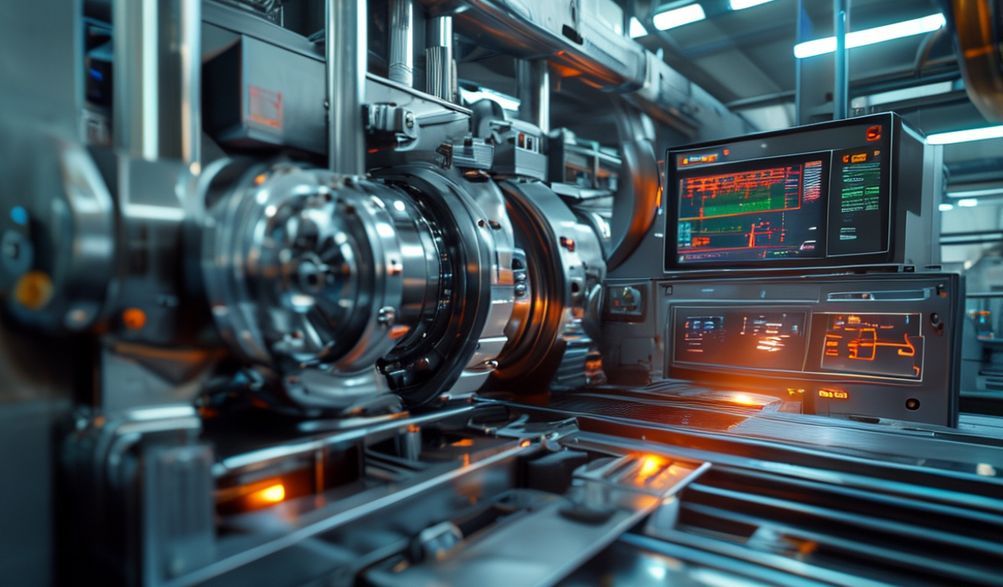
2026 жылға арналған дәл келген үлкен блок жасау машиналарының бағасын алу туралы толық нұсқаулық
Кіріспе
Сіз бұл аптада оныншы рет іздеу жолағына "үлкен блок жасау машинасының бағасы" деп тердіңіз. Нәтижелер "Бағасын білу үшін хабарласыңыз" түймелерінің шатастырған көрінісі, түсіндірмесіз мүлдем басқа сандар және сізге шынымен қажет нәрсені – бұл маңызды жабдықтың қанша тұратынын айтпайтын жылтыр буклеттер болып табылады.шын мәніндеқұнысенжоба?
Бұл мазасыздық сізге таныс болса, жалғыз емессіз. Өндіріс менеджерлері, құрылыс бизнес иелері мен сатып алу мамандары үшін ауыр техника нарығында қозғалу үлкен инвестицияның ең мөлдір емес бөлігі болып табылады. Ұсыныс бағасы келіссөздердің бастапқы нүктесі емес, инвестицияңыздың анық, егжей-тегжейлі жол картасы болуы керек.
Бұл нұсқаулық шуларды алып тастауға арналған. Біз үлкен блок жасау машиналарының бүкіл баға ұсыну процесін анықтаймыз, сізге операциялық қажеттіліктеріңізге сәйкес ашық, бәсекеге қабілетті және дәл баға ұсыныстарын алуға мүмкіндік береміз. Біздің кеңестерімізТәжірибе, біліктілік, беделділік және сенімділікжылдар бойы саланы талдаудан, тікелей сатып алу тәжірибесінен және іс-әрекетке бағытталған, сенімді ақпарат ұсынуға деген міндеттенуден алынған. Сізді шатаскан сатып алушыдан сенімді инвестициялық шешім қабылдауға дайын білімді серіктеске айналдырайық.
Үлкен блок жасау машинасының құнын не анықтайтынын түсіну
Сөздің ақысын ақылмен бағалау үшін, алдымен сіз не үшін ақша төлеп жатқаныңызды түсінуіңіз керек. Баға белгісі инженериялық жұмыстардың, материалдардың және мүмкіндіктердің жиынтығы болып табылады. Міне, 50 000 долларлық машина мен 300 000 доллардан асатын жүйе арасындағы айырмашылықты құрайтын негізгі факторлар.
Негізгі машина сипаттамалары мен сыйымдылығы
Машинаның арнайы жұмысы бағаны негізгі анықтайтын фактор болып табылады. Өз қажеттіліктеріңізді нақты анықтаңыз.
- Блоктың Шығарылымы (Сағатта/Күндегі Бірліктер):Бұл ең тікелей байланыс. 8 сағаттық ауысымда 1000 блок өндіретін машина мен сол уақыт ішінде 5000 блок өндіретін машинаның дизайны, қуаты және құны түбегейлі және дәрежелі түрде өзгеше болады. Жоғары өнімділік берік компоненттерді, үлкен гидравликаны және көбінесе көптеген автоматтандыруды талап етеді.
- Блок өлшемі мен түрі:Қалып өнімді анықтайды. Стандартты қуыс блоктар негіз болып табылады. Алайда, егер сізге қажет болса:
- Үлкен форматты құлыптасатын блоктарҚабырғаларды ұстап тұру үшін сізге қысымы жоғары және үлкен, күрделі қалыптары бар машина қажет.
- Қатты тығыз блоктарАуыр құрылыс жұмыстары үшін машина жоғары діріл және тығыздау күшін талап етеді.
- Арнайы пішіндер(иілген, жарық бетті), олар арнайы, дәлдікпен жасалған қалыптарды қажет етеді. Әрбір нұсқа құнға қосымша шығын әкеледі.
- Автоматтандыру дәрежесі:Бұл ірі баға деңгейі.
- Қолмен/Жартылай автоматты:Операторлар шикізатты беруді және блоктарды алып тастауды басқарады. Бастапқы шығын төмен, ұзақ мерзімді еңбек шығыны жоғары.
- Толық автоматты:Роботтық қолдар, автоматтандырылған палет бергіштер және конвейер жүйелері бүкіл процесті басқарады. Бастапқы инвестиция жоғары, бірақ еңбек шығындарын азайтып, тұрақты өнім бере отырып, жоғары көлемді өндірісте инвестицияның тезірек қайтарылуын қамтамасыз етеді.
Негізгі компоненттер және құрылыс сапасы
This is where “you get what you pay for” becomes critically evident. Two machines with the same output spec can have a 40% price difference based on component quality.
- Рама және құрылым: The machine’s skeleton. Look for heavy-duty, reinforced steel frames with robotic welding. A lightweight frame will flex under constant pressure, leading to misalignment, wear, and premature failure.
- Гидравликалық жүйе: The heart of the machine. The quality of the hydraulic pump, valves, cylinders, and hoses dictates performance, noise levels, energy efficiency, and longevity. Premium components from brands like Bosch Rexroth or Kawasaki command a higher price but offer reliability and precise control.
- Қалыптың сапасы мен материалы: The most wear-intensive part. A mold made from standard steel might cost less but will wear out quickly, affecting block dimensional accuracy. Hardened, chromium-plated steel molds are more expensive initially but can last for millions of cycles, protecting your product quality and reducing long-term replacement costs.
- Басқару жүйесі: The brain. A basic programmable logic controller (PLC) gets the job done. However, an advanced system with a color touchscreen HMI allows for easier parameter adjustments, fault diagnostics, and even production data logging for efficiency analysis. This intelligence adds cost but also adds value.
Brand Reputation and Origin
The name on the machine carries weight, risk, and cost implications.
- Established Global Brands vs. New Market Entrants: Brands with decades of presence invest heavily in R&D, maintain global spare parts networks, and have proven reliability. This security and peace of mind come at a premium. Newer or lesser-known brands may offer similar specs at a lower price, but the risk shifts to you regarding long-term support and machine durability.
- Country of Manufacture: Manufacturing costs, labor standards, and supply chains vary globally.
- Machines from Western Europe or North America typically reflect higher local manufacturing costs but are associated with precision engineering.
- Machines manufactured in parts of Asia can offer exceptional value, but due diligence on the specific factory is paramount. Remember to factor in import duties, shipping costs, and local taxes, which can add 15-30%+ to the ex-factory price.
The Step-by-Step Process to Get a Meaningful Quote
Armed with knowledge of cost drivers, you can now engage suppliers from a position of strength. Follow this actionable roadmap.
Step 1: Conduct an Honest Self-Assessment (Pre-Quote Homework)
Before you contact a single supplier, get your own house in order. Vague requests get vague quotes.
- Define Production Requirements: Be specific. “We need to produce 2,500 standard hollow blocks (400x200x200mm) and 500 solid blocks per 8-hour shift to supply three new housing projects over the next 18 months.”
- Assess Site & Infrastructure: Do you have the space? What is your power supply (3-phase is almost always required)? What is the skill level of your operational team? This will guide you toward the appropriate level of automation.
- Determine Total Project Budget: Think beyond the machine. Your budget must include shipping, installation, commissioning, training, and initial raw materials. Knowing your true total budget prevents sticker shock later.
Step 2: How to Find and Vet Potential Suppliers
Where and how you look matters.
- Where to Look: Use industry-specific B2B platforms (e.g., Alibaba, Made-in-China, but with caution), global trade directories, and attend major construction machinery trade shows (like bauma). Referrals from industry peers are gold.
- Red Flags vs. Green Flags:
- Red Flag: A website with only stock photos, no technical documents, and a single “sales@” email address.
- Green Flag: Detailed technical specs, videos of factory operations, clear contact information for different departments (sales, technical support), and a list of client projects/case studies.
- Due Diligence: Always request client references in a region similar to yours. If the investment is significant, a factory audit (either in-person or via a trusted third-party inspection service) is a wise investment to verify manufacturing capabilities and quality control processes.
Step 3: Crafting the Perfect Request for Quotation (RFQ)
Your RFQ is your control document. A good one forces suppliers to provide comparable, detailed information.
Use this checklist in your RFQ:
- Company & Project Introduction: Briefly state who you are and the project scope.
- Толық техникалық сипаттамалар List your required output, block types/sizes, degree of automation, and preferred power supply.
- Explicit Cost Breakdown Request: Demand a line-item quote that separates:
- Machine base price
- Cost of spare parts kit (recommended)
- Mold costs (for each block type)
- Shipping & Insurance (specify your port: e.g., FOB Shanghai, CIF Durban)
- Installation, Commissioning & Training fees
- Any other potential costs
- Key Questions:
- What is the delivery timeline from order confirmation?
- What is the detailed warranty coverage (parts, labor, on-site/return-to-base)?
- Can you provide a manual and parts list?
- What is the availability and cost structure for after-sales support?
Step 4: Analyzing and Comparing Quotes (Apples to Apples)
Do not compare the top-line number. Create a simple spreadsheet with the following columns for each quote:
- Supplier Name / Machine Model
- Total Initial Price (Machine + Spares + Molds)
- Shipping & Insurance Cost (under agreed Incoterm)
- Installation & Training Cost
- Estimated Import Duties/Taxes (calculate based on your country)
- TOTAL LANDED COST (The most important figure)
- Warranty Length & Coverage
- Delivery Timeline
- Notes on Key Components (e.g., Hydraulic brand, PLC type)
Ask clarifying questions: If a quote is suspiciously low, ask for clarification on component brands. If “installation” is listed but not detailed, ask what it specifically includes (e.g., “Does this include 2 days of on-site technician labor and flight tickets?”).
Hidden Costs and What to Watch Out For
Transparent suppliers will detail these. Others might hope you don’t ask. Be prepared.
Beyond the Sticker Price: Common Additional Expenses
- Shipping, Insurance, and Customs Clearance: Understand Incoterms. FOB (Free On Board) means you own the goods and assume all risk/cost once they’re loaded on the ship. CIF (Cost, Insurance, and Freight) means the supplier pays to your port, but you handle customs and onward transport. CIF quotes look simpler but can mask costs. Always budget for port handling fees and customs broker charges.
- Installation, Commissioning & Technician Costs: Sending a technician to your site costs money (flights, accommodation, daily rate). This is often a separate line item. Skipping professional installation to save money is a false economy that can void your warranty.
- Initial Raw Material Trials: Your local sand, aggregate, and cement will behave differently than the supplier’s test materials. Budget for a period of calibration and fine-tuning to achieve optimal block quality.
- Import Duties and Local Taxes: These are your responsibility. Consult with a local customs broker to get an accurate estimate based on your country’s classification for construction machinery.
Decoding Warranty and Service Terms
The warranty document is as important as the quote.
- Coverage Scope: Does it cover only defective parts, or does it include the labor to replace them? Is it “return to factory” (you pay shipping) or “on-site” service?
- Қосалқы бөлшектердің қолжетімділігі: Ask for a sample spare parts price list. Are parts readily available, or will you wait months for a crucial component?
- Жергілікті техникалық қолдау: The most critical question for international purchases: “If we have a major breakdown, what is the response procedure? Do you have a local agent or partner, or must a technician fly from your factory?” The answer significantly impacts potential downtime costs.
Maximizing Value and Ensuring a Smart Investment
Your goal is the best Total Cost of Ownership (TCO), not the lowest initial price.
The True Cost of Ownership: Quality vs. Cheap Price
Consider this scenario: Machine A costs $80,000 but suffers 15 days of downtime yearly due to component failures. Machine B costs $110,000 but has 99% uptime. If your daily profit from block production is $1,500, Machine A’s downtime costs you $22,500 annually in lost revenue, erasing its price advantage in less than two years. Invest in reliability.
Negotiation Strategies for a Fair Price
- Leverage Quotes Respectfully: You can inform Supplier A that Supplier B has offered a comparable package at a lower cost, and ask if they can review their quote. Focus on the total package, not just price.
- Negotiate on Value-Adds: If the price is firm, negotiate for extended warranty, additional training days, or a complimentary set of critical spare parts to be included.
- Payment Terms: Negotiating a payment schedule that aligns with project milestones (e.g., 30% deposit, 60% before shipment, 10% after successful commissioning) reduces your financial risk.
Final Checks Before You Sign
- The Contract: Ensure every detail from the final quote—specs, costs, timeline, warranty, payment terms, and dispute resolution—is captured in a formal, legally-binding contract. Have it reviewed by a legal professional.
- Final Verification: Re-check supplier credentials. For large orders, a pre-shipment inspection to verify the machine is built to spec is a wise final step.
Frequently Asked Questions (FAQ) About Big Block Making Machine Quotes
Q: What is the average price range for a big block making machine?
A: The range is exceptionally broad, typically from $50,000 to over $300,000. A basic, semi-automatic machine for a small operation may start around $50k-$80k. A high-capacity, fully automatic production line from a premium brand can easily exceed $300k. The final price is entirely dependent on the factors outlined in this guide: capacity, automation, component quality, and brand.
Q: How long does it typically take to get a detailed quote?
A: A reputable supplier can usually provide a preliminary budget quote within 2-3 business days. However, a final, detailed, and binding quote with all breakdowns, based on your comprehensive RFQ, may take 1-2 weeks as it requires review by their technical and commercial teams.
Q: Should I choose the lowest quote?
A: Not necessarily. The lowest price often carries the highest risk. It may indicate inferior components, omitted necessary services (like installation), or lack of reliable after-sales support. Your goal should be to identify the quote that offers the best long-term value and lowest total cost of ownership, balancing price, quality, and service.
Q: What payment terms are standard in this industry?
A: Common terms include: 30% deposit with order, 60% balance before shipment, and 10% after successful installation and commissioning. Letters of Credit (LC) are also very common, especially for international transactions. Always ensure the terms are explicitly stated in your contract.
Q: Can I get a quote for a complete production line, not just the machine?
A: Absolutely, and for many projects, this is the best approach. You can request a turnkey solution quote that includes the block maker, pan mixer, conveyor belts, pallet feeders, and even curing rack systems. This ensures all components are compatible and can simplify procurement, installation, and warranty coverage.
Қорытынды
Securing an accurate “big block making machine quote” is not a passive act of receiving a number. It is an active process of preparation, precise communication, and diligent analysis. By understanding cost drivers, following a structured RFQ process, and scrutinizing the total cost of ownership, you move from being a price-shopper to a value-driven investor.
Remember, you are not just buying a machine; you are acquiring a productive asset that will form the foundation of your projects and profits for years to come. The effort you put into the quoting process is the first and most critical step in ensuring a strong return on that investment. Take control of the process, ask the hard questions, and partner with a supplier who offers not just a machine, but a solution for your success.
Ready to get started? Download our free, customizable RFQ Template to ensure you ask suppliers the right questions and get comparable, transparent quotes from the outset.
Have specific questions about your project? Contact our industry experts for a confidential consultation to discuss your production needs and investment strategy.
<