
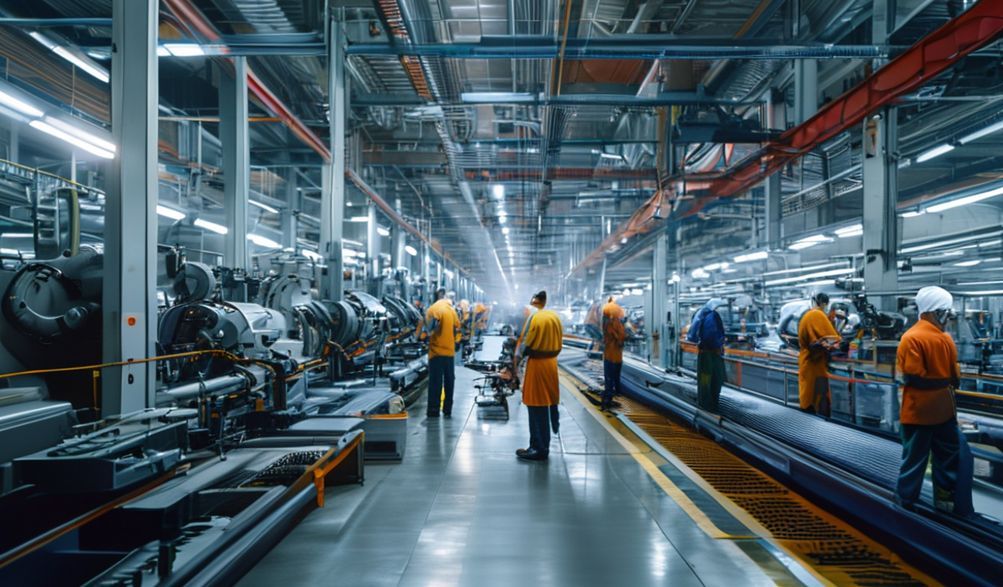
Your Ultimate Guide to the China Concrete Block Making Machine Factory: Inside FUDA Brick Making Factory
The global construction industry runs on concrete blocks. From affordable housing projects to robust infrastructure, the demand for consistent, high-quality building materials is insatiable. To meet this demand, manufacturers worldwide seek the heart of production: reliable, efficient, and technologically advanced concrete block making machines. For decades, China has stood as the undisputed global hub for this essential machinery, evolving from a source of cost-effective options to the leader in innovation, scale, and integrated manufacturing.
In this landscape, factories like the ФУДА Кірпіш Өндіру Зауыты have become benchmarks. They represent the culmination of China’s industrial journey—where scale meets precision, and competitive pricing aligns with genuine engineering excellence. This guide is not a simple factory profile. It is your comprehensive resource for understanding the intricacies of sourcing from a top-tier China concrete block making machine factory. We will use FUDA as a detailed case study to illuminate the critical factors that separate market leaders from the rest. Our goal is to arm you with industry analysis, manufacturing principles, and practical supplier vetting insights, establishing a foundation of Expertise, Authoritativeness, Experience, and Trustworthiness (E-E-A-T) for your procurement decision.
Understanding the Concrete Block Machine Manufacturing Landscape in China
To appreciate a single factory’s value, one must first understand the ecosystem it operates within. China’s dominance in construction machinery manufacturing is not accidental; it’s the result of strategic development and immense industrial capacity.
Неге Қытай құрылыс машиналарының жаһандық торабы болып табылады
China’s role is built on two pillars that have progressively evolved:
- Unmatched Scale and Integrated Supply Chains: China hosts the world’s most complete industrial supply chain for machinery manufacturing. From foundries producing high-grade steel castings to specialized factories making hydraulic pumps, vibration motors, and PLC control systems, everything is within reach. This vertical integration within industrial clusters drastically reduces production time and cost, a benefit passed on to the global buyer.
- From Cost Leader to Technology Pioneer: The initial “Made in China” appeal was undeniable cost competitiveness. However, leading factories have aggressively invested in Research & Development (R&D). Today, the focus is on automation, energy efficiency, IoT-enabled smart controls, and durable design. Buyers now access technology that rivals European counterparts at a significantly different total cost of ownership, making advanced machinery accessible to a broader market.
Негізгі өнеркәсіптік кластерлер және олардың сатып алушылар үшін маңызы
Not all regions in China specialize in the same equipment. Knowing the clusters helps in vetting suppliers:
- Фуцзянь провинциясы: A major hub for block making machinery, known for a high concentration of manufacturers specializing in both manual and fully automatic plants. The competition here drives innovation and specialization.
- Shandong & Henan Provinces: Traditionally strong in heavy machinery and construction equipment, with many factories producing robust, high-capacity stationary block machines.
- Гуандун провинциясы: A leader in advanced manufacturing and electronics, influencing the development of sophisticated control systems and automated production lines.
FUDA’s Position: Typically, a factory like FUDA, with a name synonymous with brick and block machinery, is strategically located within or sources heavily from these key clusters—particularly Fujian. This gives it direct access to specialized component suppliers and a deep talent pool of engineers familiar with the niche.
A Deep Dive into FUDA Brick Making Factory: Capabilities and Core Offerings
Let’s translate the industrial context into a tangible example. A reputable factory is defined by its history, its physical assets, and its commitment to quality—all verifiable details that build trust.
## Компания туралы ақпарат: Тарихы, Ауқымы және Өндіріс Философиясы
While specific founding dates for FUDA may vary based on public records, established factories in this space typically share a profile built on growth and stability.
- Scale & Capacity: A leading factory would operate from a substantial manufacturing facility, often spanning tens of thousands of square meters. Annual production capacity could range from hundreds to over a thousand machines, catering to a global clientele.
- Quality as a System: The philosophy moves beyond assembly. It encompasses:
- Ішкі ЗТЖ: A dedicated engineering team focused on model iteration and solving client-specific challenges.
- Сертификаттау: Adherence to international standards like CE certification (for the European market) and ISO quality management systems is a non-negotiable hallmark. These are not just logos on a brochure; they represent audited processes.
- Сапаны бақылау (QC): A multi-stage QC protocol, from incoming material inspection to pre-shipment running tests, ensures every machine meets performance benchmarks.
Product Portfolio: From Simple Blocks to Complex Pavers
A versatile factory offers solutions for every market segment. FUDA’s range would typically include:
- Stationary Block Making Machines (e.g., QT Series): The workhorses of the industry. These high-pressure, hydraulic-vibration machines produce a wide array of hollow blocks, solid blocks, and curb stones. They are known for their durability and high output.
- Мобильды кірпіш жасау машиналары: Ideal for small-scale businesses or on-site production. These machines are lower investment, easy to operate, and can produce solid bricks or interlocking blocks directly on the ground.
- Толық автоматты өндіріс желілері: For large-scale plants. These integrate automatic batching, mixing, conveying, block molding, curing, and palletizing. They maximize output while minimizing labor.
- Specialty Machines: Equipment for producing paving stones, roof tiles, or retaining wall blocks, showcasing engineering flexibility.
Technology and Innovation at the FUDA Factory
What separates a modern factory from an outdated one is its embrace of technology:
- Автоматтандыру және Басқару: Modern machines feature programmable logic controllers (PLCs) and touch-screen HMIs (Human-Machine Interfaces) for precise control over vibration time, pressure, and cycling.
- Энергия тиімділігі: Designs focus on optimizing hydraulic systems and motor usage to reduce operational electricity costs—a critical factor for profitability.
- Robust Design & Components: The use of reinforced structural steel for frames, internationally recognized hydraulic brands (or certified equivalents), and specially designed high-frequency vibration motors ensure longevity in harsh production environments.
The Critical Factors for Evaluating Any China-Based Machinery Factory
This is the core of the guide—actionable, experience-based advice you can apply when evaluating FUDA or any other supplier. Due diligence is your most powerful tool.
Beyond the Brochure: Assessing True Manufacturing Expertise
Anyone can have a glossy website. Verifying reality is key.
- Verify Physical Assets: Insist on a live video factory tour. A reputable factory will readily show you their workshop, assembly lines, welding stations, and QC area. Look for organization, skilled workers, and inventory of raw materials.
- Distinguish Maker from Trader: Determine if the company is a genuine manufacturer with in-house R&D, casting, and assembly, or merely an export agent/trading company. Manufacturers have deeper technical knowledge and better control over quality, lead time, and after-sales support.
Quality Benchmarks You Must Demand
Never buy on specifications alone. Interrogate the details.
- Critical Components Checklist: Always ask for the brand and origin of:
- Hydraulic components (pumps, valves, cylinders)
- Electrical components (PLCs, sensors, motors)
- Structural steel grade and welding standards
- After-Sales Support Structure: The warranty is just the start. Clarify:
- Are operation and maintenance manuals provided in your language?
- Is remote support (via video call) available?
- What is the policy for spare parts supply? How quickly can they be shipped?
- Do they offer installation and commissioning guidance or on-site engineer dispatch (at an additional cost)?
Navigating Communication, Logistics, and Total Cost
A smooth transaction depends on clear commercial terms.
- Communication: Ensure there are fluent English-speaking technical sales engineers, not just salespeople. They must understand your production needs and raw material specifics (cement type, aggregate size).
- Payment Terms: Secure terms are standard. A typical progression is 30% deposit via T/T, 70% balance against copy of Bill of Lading. Using a Letter of Credit (L/C) adds a layer of bank security for both parties.
- Incoterms & Logistics: Understand your responsibilities.
- FOB (Free On Board): You control and pay for main shipping and insurance. The factory gets the machine to the port and loaded on your vessel.
- CIF (Cost, Insurance, and Freight): The factory arranges and pays for shipping to your nearest port. This is simpler but often slightly more expensive.
- Total Cost: Factor in the machine price, shipping, insurance, import duties, and inland transportation to your site. Always budget for potential foundation work and installation support.
Why Partnering with a Factory Like FUDA Makes Strategic Sense
Choosing a factory with demonstrated capabilities aligns your investment with long-term operational success.
Advantages for Start-Ups and Small-Scale Operators
- Accessible Entry Point: Factories like FUDA offer a range of models, providing robust, semi-automatic options that are perfect for starting a block yard without a prohibitive capital outlay.
- Scalability Advice: A good supplier will help you choose a model that meets your initial output goals while allowing for future expansion, perhaps by adding automation components later.
Benefits for Large-Scale Construction Projects and Established Plants
- Customization and Integration: For major projects requiring specific block sizes, shapes, or strengths, a true manufacturer can customize molds and adjust machine parameters. They can also design and supply complete, turnkey production lines.
- Reliability for High-Volume Output: The consistency and durability of machinery from an established factory minimize downtime, ensuring a steady supply of materials for time-sensitive projects and maximizing the return on a significant capital investment.
Frequently Asked Questions (FAQ) About Sourcing from China
Q1: Is it safe to import heavy machinery directly from a Chinese factory?
A: Yes, with due diligence. Mitigate risks by: 1) Verifying the factory via video tour and business licenses, 2) Using secure payment methods (staged T/T or L/C), and 3) Hiring a third-party inspection company (like SGS or BV) for a pre-shipment inspection.
Q2: What is the typical lead time for a machine from order to delivery?
A: For standard models, expect 30 to 60 days from order confirmation to shipment. This depends on model complexity, customization needs, and factory production schedule. Always get a written confirmation.
Q3: How does a reputable factory handle after-sales service and technical support?
A: They provide comprehensive English manuals, wiring diagrams, and parts lists. Support typically includes remote guidance via WhatsApp/WeChat video. Critical spare parts are guaranteed to be available for years. Some offer on-site installation services for an extra fee.
Q4: Can machines be customized for specific block sizes or raw materials?
A: Absolutely. Reputable manufacturers regularly customize mold sizes and configurations. You must provide detailed block drawings and samples of your raw materials (like fly ash or aggregate) so the factory can test and adjust the mix design and machine settings accordingly.
Q5: What are the most common mistakes buyers make when choosing a factory?
A: The top three pitfalls are: 1) Choosing on price alone—the cheapest option often compromises on components and service; 2) Failing to verify the factory’s physical existence; and 3) Skipping a third-party inspection for large orders, which can uncover hidden issues before shipment.
Қорытынды
Sourcing a concrete block making machine from China is a significant strategic decision that can define the productivity and profitability of your construction or manufacturing business. This guide has underscored that success hinges on rigorous due diligence, focusing on the hallmarks of a reputable partner: a verifiable manufacturing base, a transparent quality control system, clear communication, and a robust after-sales support framework. Factories like ФУДА Кірпіш Өндіру Зауыты exemplify how China’s manufacturing sector delivers value through a combination of scale, technological adoption, and a focus on building long-term client relationships.
The future of block making is geared towards greater automation, energy savings, and data-driven operation. Your choice of supplier should be a partner capable of innovating alongside these trends. By applying the expertise and experience-based criteria outlined here, you move beyond simple procurement to forming a strategic alliance with an authoritative manufacturer whose operational trustworthiness will support your projects for years to come.
<