
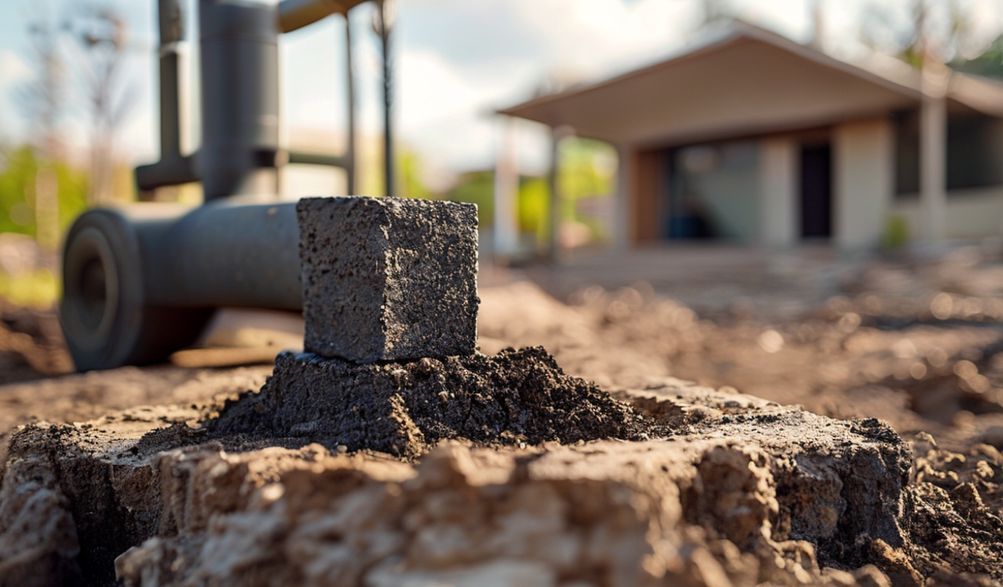
Интерлоктың топырақ блоктарын жасау машиналарына арналған жетілдірілген нұсқаулық: Тұрақтылықпен құрылыс жасаңыз
Кіріспе
Үй тұрғын үшін қолжетімділік пен климаттың өзгеруінің жаһандық егіз дағдарыстары бізді қалай салу керектігін қайта ойлауға мәжбүр етеді. Қалалық орталықтардан ауылдық қауымдастықтарға дейін берік, арзан тұрғын үйге сұраныс өте жоғары. Алайда, біз дәстүрлі түрде сенім артатын материалдар – күйдірілген саз кірпіштері мен бетон блоктары – көбінесе мәселенің бөлігі болып табылады. Оларды өндіру энергияны қарқынды тұтынады, көміртегіні көп шығарады және материалдар мен тасымалдау шығындарының жоғарылығымен жергілікті экономикаларға қысым көрсетуі мүмкін.
Алайда, уақыт сынағынан өткен және қазіргі заманғы қайта өрлеу кезеңін басынан өткізіп жатқан шешім бар: бұл жердің өзі. Нақтырақ айтқанда, Біріктірілген Сығылған Бекітілген Топырақ Блоктары (БСБТБ). Бұл ескі күнге кептірілген нәзік саман емес. Бұл біздің аяғымыздың астындағы топырақты пайдаланатын, дәлдікпен жасалған жоғары беріктігі бар құрылыс материалы. Бірақ, тар салалы, еңбек сыйымды әдістен өлшемді, тиімді құрылыс шешіміне өту үшін сізге дұрыс технология қажет.
Енгізіңізілмек топырақ блок жасау машинасыБұл тапқыр құрылғы шикі топырақты стандартталған, бір-бірімен ілінісетін блоктарға айналдырып, қабырғаларды тамаша жылдамдық пен тиімділікпен салуға мүмкіндік беретін шешуші буын болып табылады. Ол құрылысшылар, кәсіпкерлер, даму жобалары және өз бетінше құрылыс салушылар үшін тұрақты құрылыс әлеуетін ашатын кілт.
Бұл нұсқаулық салалық білім мен техникалық тәжірибе негізінде жасалынған және сіздің жан-жақты ақпарат көзіңіз болуға арналған. Біз бұл машиналардың жұмыс істеу принциптерін анықтаймыз, олардың терең артықшылықтарын егжей-тегжейлі сипаттаймыз, дұрыс модельді таңдауға арналған нақты сатып алушы нұсқаулығын ұсынамыз, сондай-ақ топырақты таңдаудан бастап дайын қабырғаға дейінгі процесті қадамдармен түсіндіреміз. Біздің мақсатымыз - осы түрлендіруші құрылыс технологиясын сенімді зерттеуге мүмкіндік беретін сенімді, практикалық ақпаратпен қамтамасыз ету.
Интерлокинг топырақ блоктарын жасау машинасы дегеніміз не?
Оның негізінде, бұл машина қуатты прес болып табылады. Ол құрылыс жерін дайындаудың ежелгі тәжірибесін механикаландырып, дәл және жоғары қысымды қолдана отырып, үнемді және біркелкі өнім жасайды.
Негізгі функция және негізгі қағида
Интерлокті топырақ блоктау машинасы - бұл топырақтың дымқыл қоспасын, аз мөлшердегі бекіткіштерді (мысалы, цемент немесе әк) және суды белгілі бір геометриялық профильмен жоғары тығыздықты блокқа сығуға арналған механикалық немесе гидравликалық пресс. Оның ерекшелігі - әр блоктың үстіңгі және астыңғы жағында немесе бүйірлерінде қалыптастырылған интерлокті дизайн.
- Процесс:Дайындалған топырақ қоспасы қалып қорабына беріледі. Содан кейін таран немесе поршень қоспаны тығыздау үшін үлкен қысымды—әдетте тоннамен өлшенетін—қолданады. Бұл сығу топырақ бөлшектерін туралап, кеуектерді айтарлықтай азайтады және ерекше беріктігі бар блокты құрайды.
- Негізгі айырмашылық:Дәстүрлі кірпіш пештерінен айырмашылығы, бұл процессотыру жоқБлоктар өз беріктігін қысу және химиялық бекіту арқылы алады, жылудан емес. Бұл қазба отынға деген қажеттілікті жояды және материалдың сыйымды энергиясын айтарлықтай төмендетеді.
Нәтиже: Қабаттасқан Сығылған Топырақ Блоктарын (ҚСТБ) Түсіну
Машинаның шығаруы дәл қалыптасқан Құлыптасқан Сығымдалған Тұрақтандырылған Топырақ Блоктарын (ҚСТТБ) береді.
- Күш және қасиеттер:Дұрыс жасалған ICSEB-тер әдетте 3 пен 10+ МПа аралығындағы қысу беріктігіне қол жеткізеді, бұл оларды көп қабатты ғимараттардағы жүк көтеретін қабырғалар үшін қолайлы етеді. Сонымен қатар, олар жоғары жылу сыйымдылығына ие, күндіз жылуды сіңіріп, түнде босату арқылы ішкі температураны табиғи түрде реттейді.
- Құлыптасқан Дизайн:Бұл ойынның ережесін өзгертетін нәрсе. Блоктар тіл-және-ойық немесе басқатырғыш сияқты дизайнға ие. Бұл олардың бір-бірімен жіксіз сәйкесуіне мүмкіндік береді.
- Минометтік минимизация:Интерлоктық жүйе механикалық тұрақтылықты қамтамасыз етеді, бұл қабырғаларды «құрғақ төсеу» әдісімен (буғындарда ерітінді аз немесе мүлдем болмайды) немесе жұқа ерітінді қолданып салуға мүмкіндік береді. Бұл цемент, құм, еңбек шығындары мен құрылыс уақытын айтарлықтай үнемдеуге әкеледі.
Интерлоктың топырақ блоктарын жасау машинасын пайдаланудың негізгі артықшылықтары
Бұл технологияны қабылдау экономикалық, практикалық және экологиялық салаларды қамтитын тартымды артықшылықтарды ұсынады.
Economic and Practical Advantages
- Өзіндік құнының тиімділігі: Construction costs can be reduced by 30-50% for walling. Savings come from:
- Using locally available, often free, subsoil.
- Drastically reducing or eliminating mortar use.
- Increasing the speed of construction, lowering labor costs.
- Minimizing transport costs for materials.
- Құрылыс жылдамдығы: A trained team can erect walls remarkably quickly. The uniform block size and interlocking design simplify alignment, and the reduced need for mortar bedding accelerates progress significantly compared to conventional bricklaying.
- Қарапайымдылық: Operating the machine requires minimal formal education. The core skills—mixing, operating the press, and curing—can be taught in a matter of days. Similarly, masonry with interlocking blocks is easier to learn than traditional bricklaying.
Environmental and Performance Benefits
- Тұрақтылық: This is arguably the largest benefit. The process has an ultra-low carbon footprint. There is no firing, it uses local materials (reducing transport emissions), and cement use is minimized to just 5-10% for stabilization. It turns a site’s excavation waste into a building asset.
- Энергия тиімділігі: The high thermal mass of earth walls creates naturally comfortable interiors. They keep buildings cool in hot climates and warm in cool climates, reducing reliance on mechanical heating and cooling systems and lowering a building’s operational energy for decades.
- Тұрақтылық: When properly stabilized, compacted, and protected with appropriate roof overhangs and plaster, earth blocks are highly durable and weather-resistant. Historical examples of earth construction around the world stand testament to its longevity.
How to Choose the Right Machine: A Buyer’s Guide
Selecting the correct machine is critical to your project’s success. Your choice should be guided by your project scale, budget, and available resources.
Машиналардың түрлері: Қолмен жұмыс істейтін, Жартылай автоматты және Толық автоматты
- Қол машиналары: Operated by a hand-operated lever. They are the most affordable, portable, and require no electricity.
- Ең жақсы: Small-scale projects, self-builders, NGOs in off-grid locations, and pilot projects. Production: 300-500 blocks per day with a dedicated team.
- Жартылай автоматты машиналар: Feature an electric or diesel motor to power the hydraulic system. The operator fills the mold and activates the cycle, but compression and ejection are powered.
- Ең жақсы: Small to medium businesses, community housing projects, and commercial block yards. Production: 1,000 – 3,000+ blocks per day.
- Толық автоматты машиналар: These are production-line systems with automated feeding, compression, and stacking. They require a significant investment and consistent power supply.
- Ең жақсы: Large-scale commercial block manufacturing for major construction projects. Production: 5,000+ blocks per day.
Critical Technical Specifications to Evaluate
Beyond type, scrutinize these details:
- Block Size & Design: Ensure the supplier offers the necessary molds. Standard rectangular blocks are essential, but availability of corner blocks, half-blocks, and lintel blocks is crucial for efficient, waste-free construction.
- Өндірістік қуат: Look at both pressure rating (e.g., 20 MPa) and cycles per hour. Higher pressure generally yields stronger blocks, but a faster cycle time increases output.
- Қуат көзі: Match it to your context. Manual (human power), Electric (grid/reliable generator), Diesel (off-grid sites), or Tractor PTO (common in agricultural settings).
Soil Suitability and Stabilization Requirements
This is the most critical technical step, and it happens алдында you buy a machine.
- Soil Testing is Non-Negotiable: Not all soil is equal. You need to understand the composition of your local soil—its percentages of clay, silt, sand, and gravel. Simple field tests (like the jar test) can give an initial indication, but professional lab testing is recommended for commercial projects.
- The Role of Stabilization: Stabilization, typically with 5-10% Portland cement or lime, is what gives the blocks their strength and water-erosion resistance. The stabilizer chemically bonds with the soil particles. The exact percentage depends on your soil’s clay content and the required block strength.
- Expert Advice: Reputable machine suppliers should provide guidance on soil analysis and mix design. If they don’t, consider it a red flag. Start with soil testing, then choose a machine suited to work with your stabilized mix.
The Step-by-Step Process: From Soil to Wall
Success with ICSEBs depends on a disciplined process. Here’s how it flows.
Phase 1: Material Preparation and Mixing
- Sourcing & Sieving: Excavate soil from below the topsoil layer. Sieve it to remove stones, roots, and organic matter. A 10mm sieve is common.
- Proportioning: Accurately measure the sieved soil, stabilizer (cement), and water by volume or weight. Consistency is key to uniform blocks.
- Араластыру: Use a mechanical mixer (e.g., a pan or rotary mixer) for best results. Mix the dry soil and cement thoroughly first, then add water gradually to achieve a homogeneous, damp (not wet) mix. It should hold its shape when squeezed.
Phase 2: Block Production and Curing
- Өндіріс: Fill the machine’s mold chamber with the mix, compress, and eject the “green” block. Handle these fresh blocks with care.
- Қабаттау және қатайту: Stack green blocks on pallets in a shaded, covered area. They must be kept moist for a minimum of 7-14 days (and ideally 28 days) to allow the cement to hydrate fully and gain strength. This is done by covering them with plastic sheeting or regularly spraying with water. Poor curing is a primary cause of weak blocks.
Phase 3: Construction Techniques
- Foundation: Requires a stable, level foundation, typically a reinforced concrete strip footing, raised above ground level to prevent moisture ingress.
- Laying Blocks: Start from the corners. A thin slurry mortar (made from the same soil-cement mix) is often brushed into the joints of dry-stacked blocks to ensure wind and insect proofing. The interlocking design ensures alignment.
- Weatherproofing: Essential for longevity. Design with generous roof overhangs (at least 0.5m) and apply a permeable plaster (like earthen or lime plaster) to protect the walls from direct, driving rain.
Applications and Project Ideas
The versatility of ICSEBs is vast, suitable for a wide range of structures.
Residential and Community Building
- Affordable Housing: The core application. Enables communities and governments to build high-quality, low-cost homes.
- Single-Family Homes & Extensions: Perfect for owner-builders looking for a sustainable, cost-effective, and beautiful material.
- Қоғамдық инфрақұрылым: Ideal for constructing schools, health clinic walls, community halls, and library buildings.
Commercial and Agricultural Use
- Utility Buildings: Storage sheds, workshop walls, garage, and boundary walls.
- Retaining Walls: The mass and permeability of earth blocks make them excellent for garden and landscape retaining walls.
- Sustainable Tourism: Eco-lodges, resort cabins, and visitor centers where aesthetics, thermal comfort, and ecological ethos are paramount.
Addressing Common Challenges and Myths
Let’s confront the most frequent doubts head-on.
“Are earth blocks strong enough?”
Absolutely. Compressive strength data doesn’t lie. A properly produced ICSEB with 7-10% cement stabilization can easily achieve strengths of 5-7 MPa, exceeding the requirements for single and two-story load-bearing walls in many building codes. They are consistently stronger than standard fired clay bricks in many regions.
“Won’t they wash away in the rain?”
This is a misconception about unstabilized earth. An ICSEB is a stabilized, compressed product. When combined with the essential architectural details—a good foundation, proper roof overhangs, and a sacrificial plaster coat—an earth block wall is as durable as any conventional masonry. The plaster takes the weathering, protecting the block behind it.
“Is finding the right soil too difficult?”
Virtually any soil can be used with the correct stabilization protocol. The goal is to have a balanced mix of clay (the binder), silt, and sand/gravel (the aggregate). Simple field tests can identify problematic soils (excess clay or sand). In extreme cases, soils can be amended by adding sand or clay. The machine supplier should assist with this analysis.
Жиі қойылатын сұрақтар (ЖҚС)
Q1: What is the typical cost range for an interlocking soil block machine?
A: Prices vary widely based on type and capacity. Manual machines can start from $1,500 – $5,000. Semi-automatic machines typically range from $8,000 – $25,000. Large, fully automatic systems can cost $40,000+. Consider the Return on Investment (ROI) based on the per-block cost savings versus purchased bricks.
Q2: Can I use pure soil without any cement?
A: For durable, load-bearing interlocking blocks exposed to the elements, stabilization is highly recommended. While unstabilized compressed earth blocks exist, they are more susceptible to water erosion. The 5-10% cement is a small investment for major gains in strength, durability, and builder/regulator confidence.
Q3: How many blocks can one machine produce per day?
A: This is highly variable. A manual machine with a 3-person team might produce 300-500 blocks in an 8-hour day. A semi-automatic machine can produce 1,000 to 3,000+, depending on the model and crew efficiency. Always use supplier estimates as a guide and factor in mixing and curing time.
Q4: Do I need special skills or training to operate the machine?
A: The basic machine operation is simple to learn. The more nuanced skills involve soil mix design, moisture control, and systematic curing. Reputable suppliers offer training programs. Seeking guidance from an experienced earth builder for your first project is invaluable.
Q5: Are buildings made with interlocking earth blocks approved by building codes?
A: Acceptance is growing rapidly. Many countries (e.g., India, New Zealand, France, parts of the US) now have standards for compressed earth construction. The key is early engagement with your local building authority. Be prepared to provide engineering test reports for your specific block’s compressive strength to demonstrate compliance.
Қорытынды
The interlocking soil block making machine is more than just a piece of equipment; it’s a catalyst for change. It democratizes sustainable construction, turning the abundant resource of earth into a reliable, high-performance building material. The benefits are clear: radical cost savings, accelerated construction timelines, a minimal environmental footprint, and the creation of healthy, comfortable living spaces.
The journey from concept to completed wall requires diligence—starting with soil testing, leading to an informed machine purchase, and following through with meticulous production and construction practices. We encourage you to take the next step with confidence. Connect with experienced builders, visit ongoing projects if possible, and request material samples or machine demonstrations from suppliers.
By embracing technologies like the interlocking soil block press, we are not just building houses; we are building a more resilient, equitable, and sustainable future—one block at a time.
<