
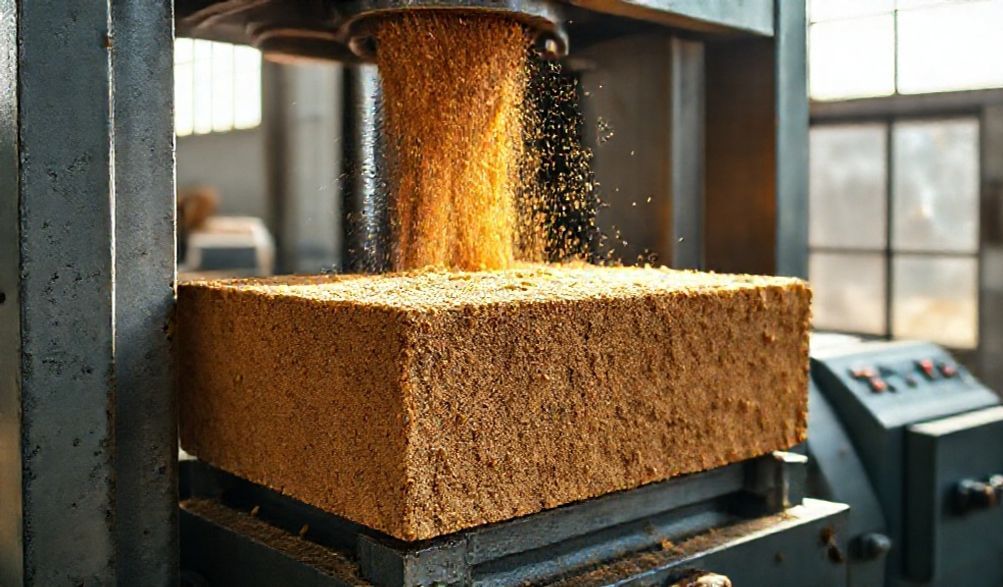
Кокос торфы блоктарын жасау машиналарының жетілдірілген нұсқаулығы: Процесс, артықшылықтар және қалай таңдау керек
Кіріспе
15 жылдан астам уақыт бойы біздің команда кокос қауызын құнды жаһандық тауарларға айналдыратын техниканы жобалау, өндіру және жеткізу арқылы койыр өңдеу өнеркәсібінің өзегі болып келді. Біз Оңтүстік-Шығыс Азия, Еуропа және Америкадағы стартаптармен және өнеркәсіптік көлемдегі операциялармен тікелей жұмыс істедік, бұл бізге кокос торфын өндірудің қиындықтары мен жетістіктеріне алдыңғы қатардан куә болуға мүмкіндік берді. Бұл тәжірибе осы нұсқаулықтағы әрбір кеңеске негіз болады.
Кокос торфы, жаңғақ қабығынан алынатын берік, губка тәрізді шаң, тұрақты өсіру ортасын түбегейлі өзгертті. Хобби бақтанушылардан сауда теплицалары операторларына дейін, осы торф мохының алмастырғышына деген сұраныс өсуде. Бұл нарыққа кіру немесе басым болуға ұмтылатын кәсіпорындар үшін табысты операция мен логистикалық бас ауруының арасындағы айырмашылық жиі бір маңызды жабдыққа байланысты:кокос торфы блогын жасау машинасы.
Бұл жай ғана сығымдау туралы емес; бұл бос, көлемді материалды тұрақты, жеткізуге жарамды және нарыққа дайын өнімге айналдыру туралы. Бұтін нұсқаулық біздің саладағы терең білімімізге сүйене отырып, сізді блок жасау машиналарының толық экожүйесімен таныстырады. Біз олардың қалай жұмыс істейтінін түсіндіреміз, олардың артықшылықтарын сандық түрде көрсетеміз және сіздің кәсіпкерлік қызметіңіз үшін дұрыс машинаны таңдауға арналған егжей-тегжейлі тізім береміз. Мұны сәтті кокос торы блоктарын өндіру желісін құрудың негізгі жобасы ретінде қарастырыңыз.
Кокос торфы блок жасау машинасы дегеніміз не?
Оның негізінде, кокос торфы блогын жасау машинасы өңдеудің соңғы кезеңінде максималды құндылық қосуға арналған дәл прес болып табылады. Ол дайындалған, жұмсақ кокос торфын алып, тығыз, басқарылатын бірлікке айналдырады.
Негізгі функция және шығыс
- Негізгі функциясы:Өңделген кокос торфын (койыр қабығын) үлкен, бақыланатын қысыммен қысып, қатты, біркелкі пішіндерге келтіру.
- Стандартты шығыс пішімдері:Машина сөрелерде көрген таныс өнімдерді жасайды:
- Кірпіштер/Блоктар:Ең кең таралған түрі, әдетте тік төртбұрышты.
- Өсіру қаптары: Compressed peat within a degradable mesh bag.
- Discs/Pellets: Smaller, round shapes often used for seed starting.
From Husk to Block: The Machine’s Role in the Value Chain
The block maker is the culmination of a multi-step process. Understanding its place is key:
1. Defibering: Separating the long coir fibers from the husk.
2. Peat Extraction: Grinding and collecting the fine pith.
3. Кептіру: Reducing moisture to a optimal level (typically 12-15%).
4. Sieving: Removing impurities and ensuring a consistent particle size.
5. COMPRESSION (This Machine’s Role): This is where value is solidified. It drastically reduces volume, creates a stable product, and enables branding.
6. Орау Wrapping the blocks for retail or bulk palletizing.
The block making machine is the crucial link that makes the product economically viable for distant markets by slashing logistics costs.
How Does a Coco Peat Block Making Machine Work?
The process is a marvel of simple yet effective engineering. Let’s break it down from the inside out.
Негізгі компоненттер және олардың функциялары
Every machine is built around several key components:
* Хоппер: The entry point where pre-processed, dry coco peat is fed into the machine. Its design ensures a consistent, jam-free flow.
* Compression Chamber & Mold (Die): This is the “heart” that defines the block’s shape and size. It’s a hardened steel cavity where the peat is compressed.
* Press Mechanism (Hydraulic or Mechanical): The source of power. A hydraulic system uses fluid pressure, while a mechanical system uses a crank or flywheel to drive a ram.
* Басқару панелі: The brain of the operation, especially in advanced models. It allows operators to set pressure, cycle time, and monitor functions.
* Қаптауышты шығару механизмі: Once compressed, a system (often part of the ram’s return stroke or a separate pusher) discharges the finished block onto a conveyor or table.
The Step-by-Step Compression Process
The operation follows a precise, repeatable cycle:
1. Тамақтандыру: Sieved coco peat is loaded into the machine’s hopper, either manually or via an automated feeding system.
2. Metering: A precise volume of peat is measured into the compression chamber. This ensures every block has identical weight and dimensions.
3. Сығу The hydraulic ram or mechanical press drives forward with immense force (often 20-100+ tonnes), compacting the loose peat into a dense, solid block within the mold.
4. Атқылау: The ram retracts, and the ejection mechanism pushes the finished block out of the mold.
5. Stacking/Packaging: Blocks are conveyed or manually moved to be wrapped, labeled, and palletized for storage or shipment.
Types of Machines: Hydraulic vs. Mechanical
Choosing between these two core technologies is a fundamental decision.
-
Гидравлик пресс станоктары:
- Артықшылықтары: Offer superior control with adjustable pressure, which is perfect for creating blocks of varying densities. They provide a smoother compression stroke, are generally quieter, and are easier to automate. Ideal for high-quality, high-density blocks.
- Кемшіліктері: Can have a slightly slower cycle time than mechanical presses. The hydraulic system requires regular maintenance (fluid checks, seal inspections) and can have a higher initial cost.
-
Mechanical Press Machines:
- Артықшылықтары: Known for robustness, high speed, and fast cycle times. Often have a simpler design with potentially lower upfront costs and can be very efficient for high-volume production of standard-density blocks.
- Кемшіліктері: Less flexibility in adjusting pressure. The mechanical action (cranks, flywheels) can create more vibration and noise. May be less suitable for producing very high-density blocks without significant design adjustments.
Key Benefits of Using a Dedicated Block Making Machine
Moving from manual packing or using inadequate equipment to a dedicated machine is transformative. Here’s why.
Unmatched Product Consistency and Quality
- A machine eliminates human variability. Every block has the exact same dimensions, weight, and density.
- This consistency is non-negotiable for building a trusted brand. Commercial buyers, in particular, rely on predictable block expansion and performance.
Dramatic Increase in Production Efficiency
- Compare a machine producing 500-1000 blocks per hour to a team of workers manually packing. The labor savings are immediate and substantial.
- Machines enable 24/7 operation, allowing you to scale output to meet large orders without a linear increase in labor costs.
Significant Cost Savings on Logistics and Storage
- This is the most compelling financial benefit. Compression can reduce the volume of coco peat by 5 to 10 times.
- You ship and store “product,” not “air.” This directly translates to lower freight costs, fewer pallets, and reduced warehouse space requirements.
Enhanced Marketability and Professional Appeal
- Neat, uniform, and tightly wrapped blocks look professional. They allow for clear branding with labels or printed packaging.
- A premium, consistent product commands a better price point and appeals to discerning retail customers and large-scale agricultural operations alike.
Сатып алмас бұрын ескеруге болатын маңызды факторлар
This is where due diligence separates a wise investment from a costly mistake. Use this as your checklist.
Өндірістік талаптарыңызды бағалау
Ask yourself these questions first:
* What is my target daily/weekly output? (e.g., 2 tons per day vs. 20 tons per day).
* What block size and density does my target market demand? (e.g., 5kg bricks for retail, 650g blocks for hydroponics).
* What is the quality of my raw coco peat? Is it consistently sieved and dried? The machine can only work with what you feed it.
Machine Specifications and Features to Scrutinize
When reviewing supplier brochures, go beyond the price tag:
* Қысым сыйымдылығы: Measured in tonnes. Higher pressure (e.g., 50-100T) allows for denser, more compact blocks.
* Цикл уақыты: Seconds per block. This directly determines your hourly output.
* Автоматтандыру деңгейі: Manual (operator feeds and removes each block), Semi-Automatic (auto compression, manual feed/eject), or Fully Automatic (integrated feeding and ejection conveyor systems).
* Құрылыс сапасы: Inspect the quality of steel used, the welding, and the reputation of key components like hydraulic pumps or electrical systems.
Power Source and Operational Costs
- Электрлік: Cleaner, quieter, and often more cost-effective for fixed installations with reliable grid power. Consider your local electricity costs and stability.
- Дизель: Essential for locations with unreliable electricity. Offers mobility but comes with fuel costs, exhaust, and higher maintenance.
- Always calculate the Total Cost of Ownership, including energy consumption, routine maintenance, and part replacement.
Supplier Reliability and After-Sales Support (A Key Trust Signal)
The machine is only as good as the company behind it.
* Кепілдік: What is covered and for how long?
* Қосалқы бөлшектер: Are they readily available? What is the lead time for critical components?
* Техникалық қолдау: Do they offer installation, on-site training, and remote troubleshooting?
* Тексеру: Request client references. If possible, visit an existing installation to see the machine running.
Common Challenges and Maintenance Tips
Proactive knowledge prevents downtime. Here’s wisdom from the field.
Troubleshooting Frequent Operational Issues
- Blocks Not Holding Shape/Crumbling: Almost always a raw material issue. Check the moisture content—it’s likely too low (<10%) or uneven.
- Machine Jamming or Block Sticking in Mold: Can be caused by foreign material (stones, metal) in the peat or by peat that is too wet and sticky. A damaged or poorly finished mold surface can also cause sticking.
- Inconsistent Block Weight: Check the feeding and metering system for clogs or irregularities. Ensure a consistent flow of material into the hopper.
Essential Daily and Periodic Maintenance
- Күнделікті Thoroughly clean the hopper, compression chamber, and molds to prevent peat buildup. Check hydraulic fluid levels and look for leaks. Lubricate all moving points as per the manual.
- Weekly/Monthly: Inspect wear parts like the mold liners, ram head, and seals. Tighten any loose bolts and connections. Check electrical connections.
- Annually: Consider a full professional service, including hydraulic fluid change and a comprehensive system check.
Ensuring Optimal Raw Material Input
The machine is not a miracle worker. It requires proper input:
* Moisture Content is King: Aim for 12-15%. Use a moisture meter. Peat that is too wet won’t compress properly and risks mold; peat that is too dry creates dusty blocks that don’t expand well.
* Sieving is Non-Negotiable: All peat must pass through a fine sieve (e.g., 6mm) to remove fibers, husk chips, and impurities that will damage the machine and create an inferior product.
Жиі қойылатын сұрақтар (ЖҚС)
What is the average production capacity of these machines?
Capacity varies widely. Small-scale manual machines may produce 100-200 kg per hour. Semi-automatic models range from 300-600 kg/hr. Industrial, fully automatic lines can exceed 1000-1500 kg/hr. Your required output is the first spec to define.
Can one machine produce different block sizes and shapes?
Yes, but this depends on the machine’s design. Most quality machines allow for interchangeable molds. You can swap the mold/die to produce different brick sizes, grow bags, or discs. Always confirm this flexibility and the cost of additional molds with your supplier.
What is the approximate price range for a coco peat block making machine?
It’s a broad spectrum. Basic manual presses can start from $5,000 – $10,000. Robust semi-automatic hydraulic machines typically range from 15 000 – 40 000 АҚШ доллары. High-capacity, fully automated production lines with conveyors and PLC controls can reach $70,000 – $150,000+. Always get a detailed quotation based on your specific specifications.
How important is the moisture content of the coco peat before compression?
It is the single most critical factor for quality and machine health. The industry standard is 12-15%. At this level, the peat particles bind under pressure without requiring additives. Incorrect moisture leads to production failures, poor block expansion, and potential mold growth in the final product.
Are there any safety precautions for operating this machinery?
Absolutely. Always:
* Ensure all safety guards are in place before operation.
* Provide thorough operator training on start-up, shutdown, and emergency procedures.
* Implement lock-out/tag-out (LOTO) protocols during any maintenance or clearing of jams.
* Wear appropriate personal protective equipment (PPE), including safety glasses and hearing protection, especially near mechanical presses.
Қорытынды
Инвестицияға салукокос торфы блогын жасау машинасы is more than a capital expenditure; it’s a strategic commitment to quality, efficiency, and scalability. It is the essential engine that converts your processed raw material into a profitable, globally competitive product. By understanding the intricate workings, tangible benefits, and critical selection factors outlined in this guide—knowledge distilled from years of direct industry involvement—you are now equipped to make a confident, informed decision.
Ready to take the next step? We strongly recommend moving from research to engagement. Contact several reputable suppliers, request detailed specifications and quotations, and insist on seeing video demonstrations or, ideally, arranging a visit to a working installation. The right machine is not just a piece of equipment; it’s the foundation of your business’s growth and reputation in the sustainable agriculture market.
For over 15 years, CoirTech Solutions has been engineering and supplying durable, high-performance coco processing machinery to businesses worldwide. Contact our expert team today for a personalized consultation to find the perfect block making solution tailored to your production goals.
<