
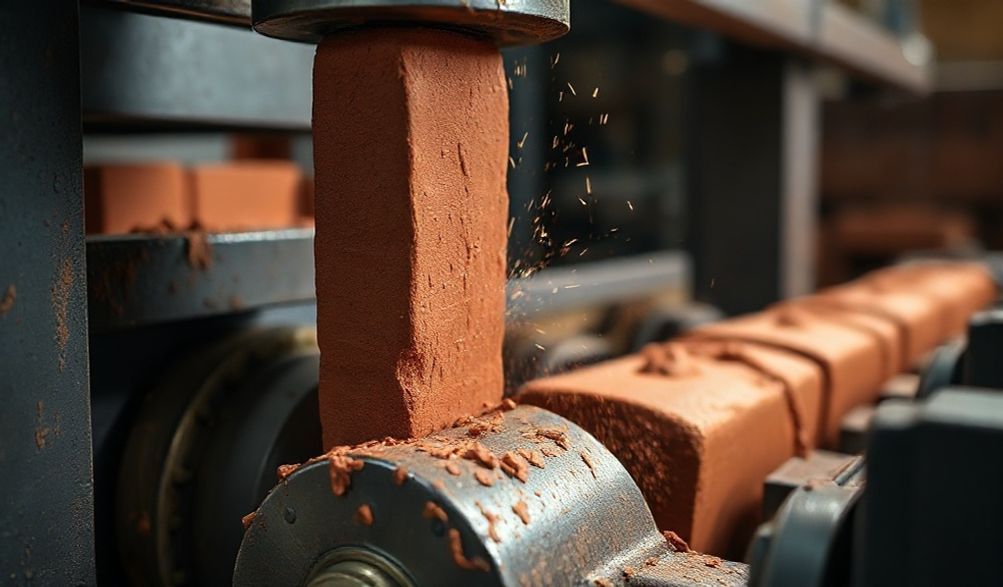
Қызыл кірпіш қалыптау машиналарының жан-жақты нұсқаулығы: Түрлері, Өңдеу және Таңдау
Мыңдаған жылдар бойы, қызыл кірпіштің бай, жылы түсі берік, әдемі және мәңгілік құрылыс синонимі болып келді. Ежелгі аркалардан бастап заманауи фасадтарға дейін оның сұлулығы әмбебап. Бірақ, бұл негізгі құрылыс материалын өндірудің әдісі тыныш төңкеріс жасады. Кірпіш жасау таза ауыр физикалық еңбек болған кездер енді жоқ. Бүгінгі таңда заманауи құрылыстың талап ететін біркелкі сапасы мен ауқымын бастырмалы жабдықтың бір түрі қамтамасыз етеді:қызыл кірпіш қалыптау машинасы.
Кірпіш өндірушілер, құрылыс фирмалары және кәсіпкерлер үшін негізгі мәселе анық: көлемді, өлшемдері дәл, берік және біркелкі қызыл кірпішті қалай тиімді және үнемді өндіруге болады. Қолмен әдістер қазіргі заманғы жобалардың жылдамдық, біркелкілік және ауқым талаптарын қанағаттандыра алмайды.
Мұнда механикаландырылған қалыптау түпкілікті шешім болып табылады. Бұл жан-жақты нұсқаулық сіздің сенімді ақпарат көзіңіз болуға арналған. Өндірістік біліктілік, техникалық сипаттамалар және практикалық түсініктер негізінде біз қызыл кірпіш қалыптау машиналарының құпиясын ашамыз. Біздің мақсатымыз - жаңа зауыт құруға да, қолданыстағыны жаңартуға да, сенімді және негізделген шешім қабылдау үшін сенімді және іс жүзінде қолданылатын ақпаратпен қамтамасыз ету.
Қызыл кірпіш қалыптау машинасы дегеніміз не? Негізгі функциясы мен маңызы
Оның негізінде, қызыл кірпіш қалыптау машинасы - бұл дайындалған саз бен қоспалар қоспасын дәл пішінделген, күйдірілмеген кірпіш бірліктеріне - "жасыл кірпіштерге" айналдыру үшін жасалған механикаландырылған жүйе. Бұл шикізатты дайындау мен кірпіштерге олардың тән қызыл түсі мен қаттылығын беретін пештегі соңғы күйдірудің арасындағы шешуші кезең болып табылады.
Машинаны анықтау: Шикізаттан қалыпталған кірпішке дейін
Машинаны жоғары мамандандырылған прес ретінде елестетіңіз. Ол икемді, біртекті сазды қоспаны қабылдап, күш пен дәлдікке негізделген инженерлік шешімдер арқылы оны белгілі бір пішін мен өлшемдегі кірпіштерге айналдырады. Машинаның дизайны оның қатты, қуыс, тесіктері бар немесе тіпті бір-біріне ілінетін кірпіштерді өндіретінін анықтайды, бұл барлығы қолмен жету мүмкін емес біркелкілікпен жасалады.
Механикаландырылған қалыптау неге ойын түрлендіргіш болып табылады
Қолдан механикаландырылған қалыптауға ауысу өндірістік мүмкіндіктерде ірі қадам болып табылады. Міне, бұл неліктен бәсекеге қабілетті кірпіш өндірісі үшін міндетті болып саналады:
- Шығарылымның тұрақтылығы:Дәл реттелген машинамен жасалған әрбір кірпіштің өлшемдері, тығыздығы және беттік өңделуі бірдей. Бұл біркелкілік кірпіш қалау тиімділігі мен құрылымдық тұтастық үшін өте маңызды.
- Өндіріс жылдамдығы:Машиналар сағатына жүздеген, тіпті мыңдаған кірпіш шығарады. Бұл көлем ірі құрылыс жобаларының талаптарын қанағаттандыру үшін өте маңызды.
- Labor Cost Reduction: One machine operated by a small crew can replace dozens of manual laborers, dramatically reducing long-term operational costs and dependency on skilled hand-moulders.
- Біркелкі өлшемдер: Precise brick size (length, width, height) minimizes mortar use, speeds up construction, and ensures a clean, professional final appearance.
Types of Red Brick Moulding Machines: A Detailed Breakdown
Not all brick moulding machines work the same way. The choice of technology depends on your desired brick type, production volume, and budget. The three primary categories are:
Extrusion Moulding Machines (Clay Extruders)
This is the workhorse of high-volume brick production.
- Процесс: A prepared clay column is forced, under high pressure, through a shaped die (an extrusion mouthpiece). This creates a continuous, solid column of clay in the desired profile. A series of wires then automatically slice the column into individual brick units. Vacuum extruders remove air from the clay during this process, resulting in denser, stronger bricks.
- Үздік: Mass production of solid, hollow, or perforated bricks. Vacuum extruders are the industry standard for high-quality facing bricks and engineering bricks due to the superior density they achieve.
Hydraulic Press Moulding Machines
These machines prioritize extreme precision and high brick density.
- Процесс: A measured amount of clay is placed into a rigid steel mold cavity. A hydraulic ram then applies immense, controlled pressure—often hundreds of tons—to compress the clay into the mold’s shape. This produces bricks with very sharp edges, smooth surfaces, and exceptionally high compressive strength.
- Үздік: Manufacturing high-strength paving bricks (clay pavers), specially shaped facing bricks, and any application where precise aesthetics and maximum durability are paramount. The process is often batch-based rather than continuous.
Manual & Semi-Automatic Moulding Machines
These machines offer a middle ground, introducing mechanization to smaller-scale operations.
- Процесс: These machines typically involve an operator feeding clay into a mold box. The machine then mechanizes the pressing force (via a lever, flywheel, or small hydraulic system) and ejects the formed brick. Semi-automatic models may include conveyor belts to move the green brick away.
- Үздік: Small-scale plants, startups, community projects, or regions with lower initial capital investment. They offer a significant productivity boost over purely manual methods while remaining relatively affordable and simple to maintain.
Key Components of a Brick Moulding Machine
Understanding the major components helps in evaluating machine quality and functionality.
The Heart: Mould or Die
This is the component that defines your final product.
* Материал: Typically made from high-grade, hardened steel or specialized alloys to withstand immense abrasion and pressure.
* Design: It is precisely machined to create the brick’s shape, size, and surface texture (smooth, rustic, etc.). Interchangeable moulds allow one machine to produce different brick types.
* Role: The quality of the mould directly impacts brick accuracy, ease of release, and long-term wear resistance.
Power & Pressure System (Hydraulic vs. Mechanical)
This is the “muscle” of the machine.
* Гидравликалық жүйелер: Use fluid pressure to generate force. They offer smoother operation, easily adjustable pressure settings, and are excellent for applications requiring very high, controlled compaction. Industry practice shows they allow for more precise control over brick density.
* Mechanical/Crank Systems: Use motors, gears, and flywheels to generate pressing force. They are often robust, simpler in design, and can be very efficient for certain standard brick types. They are commonly found in older or more basic extrusion machines.
Feeding Hopper & Conveyor Systems
These components ensure consistent production flow.
* Тамақтандыру бункері: Holds the prepared clay and regulates its flow into the moulding chamber. A consistent feed is critical to prevent voids and ensure uniform brick density.
* Conveyor Systems: Transport raw clay to the machine and carry away the delicate green bricks after moulding. They are essential for integrating the moulder into a seamless production line, especially in semi- and fully-automatic setups.
Control Panel & Automation Features
The “brain” of modern machines.
* Modern machines may feature Programmable Logic Controller (PLC) panels that allow operators to set press cycles, adjust pressure, and monitor production counts.
* Automation features can include automatic pallet feeding, brick stacking, and fault diagnostics, which enhance precision, reduce labor, and minimize downtime.
The Brick Making Process: From Clay to Moulded Brick
The moulding machine is central to a multi-stage process. Here’s how it fits in.
Step 1: Raw Material Preparation & Mixing
The machine cannot compensate for poor material preparation. Clay must be excavated, crushed, screened to remove stones, and then mixed with water (and sometimes additives like sand or fly ash) to achieve the perfect plasticity, or “workability.” The moisture content at this stage is critical—typically between 12-18% for extrusion—as it directly affects moulding quality and green brick strength.
Step 2: The Moulding Stage (Machine in Action)
This is where the machine takes center stage. A standard cycle involves:
1. Тамақтандыру: The prepared clay is introduced into the machine’s chamber or mold box.
2. Compression/Moulding: The machine’s power system applies pressure, forcing the clay to take the exact shape of the mould or die.
3. Атқылау: The newly formed, soft “green brick” is gently pushed out of the mould onto a pallet or conveyor.
Step 3: Post-Moulding Handling
The job isn’t done when the brick leaves the machine. Green bricks are extremely fragile.
* They must be handled with care and stacked on drying carts or racks.
* They then undergo a drying process (often in chamber dryers) to remove most of the moisture slowly and evenly. This prevents cracking.
* Finally, the dried bricks are fired in a kiln (at ~900-1100°C). The iron oxide in the clay reacts with oxygen, giving the bricks their classic red color and ceramic strength.
How to Choose the Right Machine: A Buyer’s Checklist
Selecting a machine is a significant investment. This checklist, based on common industry evaluation criteria, will guide your decision.
Өндірістік қажеттіліктеріңізді бағалау
- Daily Output (Capacity): Be realistic about your current and near-future needs. Machine capacity is rated in bricks per hour (BPH). A small semi-automatic might produce 800-1500 BPH, while a large extruder can exceed 10,000 BPH.
- Кірпіш түрі: Determine the primary brick you will produce (solid, hollow, paving, interlocking). This will narrow down your machine type (e.g., hydraulic press for pavers).
- Space & Power: Ensure your facility has the floor space, electrical supply (3-phase is common for larger machines), or diesel setup required.
Quality & Durability Considerations
Prioritize robust construction over the lowest price.
* Frame & Welds: Look for heavy-duty steel frames with clean, strong welds.
* Mould Steel: Inquire about the grade and hardness of the mould/die steel. This is not a component to compromise on.
* Component Brands: Recognizable, reliable brands for hydraulic pumps, motors, and PLCs are a good indicator of quality and easier future servicing.
Automation Level vs. Investment
Analyze the total cost of ownership.
* Manual/Semi-Auto: Lower upfront cost, higher ongoing labor cost, suitable for variable or lower output.
* Толық автоматты: Higher capital investment, but drastically lower labor costs and higher, consistent output. The ROI is often quickly realized in medium to large-scale operations.
Supplier Reputation & After-Sales Support
This is perhaps the most critical factor for long-term trustworthiness and success.
* Proven Expertise: Choose a supplier with a verifiable track record and technical knowledge. Can they explain the engineering principles behind their machine?
* Техникалық құжаттама: Insist on proper manuals, parts lists, and wiring diagrams.
* Warranty & Spare Parts: A clear warranty and reliable availability of spare parts (especially wear parts like moulds) are non-negotiable. Downtime is lost revenue.
* Due Diligence: Seek client testimonials, ask for references, and if feasible, visit the factory. A reputable supplier will be transparent and supportive.
Maintenance Tips for Longevity & Consistent Output
A well-maintained machine ensures consistent quality and prevents costly breakdowns.
Daily & Weekly Maintenance Routines
- Clean Thoroughly: Remove all clay residue from the mould, hopper, and conveyors after each shift. Hardened clay can affect brick dimensions and damage components.
- Inspect Hydraulics: Check for leaks, ensure fluid levels are correct, and listen for unusual pump noises.
- Lubricate: Follow the manual’s schedule to grease all moving parts, bearings, and guide rails.
Mould/Dies Care and Management
- Clean moulds with wooden or plastic tools—never metal, which can scratch the precision surfaces.
- Store moulds in a dry place to prevent rust.
- Monitor for wear. Signs include bricks with rounded edges or difficulty in release, indicating it’s time for refurbishment or replacement.
Жиі кездесетін мәселелерді шешу
- Bricks Sticking in Mould: Usually caused by worn moulds, insufficient release agent (often water mist), or clay that is too wet.
- Uneven Brick Density: Can result from an inconsistent clay feed, uneven pressure application, or incorrect moisture content.
- Machine Jamming: Often due to foreign objects in the clay (stones, metal) or over-feeding. Immediately stop the machine to clear the obstruction.
FAQ Section
Q1: What is the average production capacity of a standard red brick moulding machine?
Capacity varies enormously. Small semi-automatic machines start around 1,000 bricks per hour (BPH), standard extruders range from 3,000 to 8,000 BPH, and large, fully automatic lines can exceed 15,000 BPH.
Q2: What is the price range for a good quality brick moulding machine?
Prices vary widely based on type, automation, and capacity. A basic manual/semi-automatic machine can start from $5,000, a robust standard extruder may range from $25,000 to $50,000, and large, fully automated production lines can cost $100,000 or more. Always consider the total cost of ownership, including maintenance, parts, and energy consumption, not just the purchase price.
Q3: Can one machine produce different sizes and shapes of bricks?
Yes, but this depends on the machine design. Most machines allow for interchangeable moulds or dies. Changing a mould on a hydraulic press can be relatively quick, while changing a die on an extruder is a more involved process. Factor in the cost of additional moulds when planning.
Q4: How important is the moisture content of the clay for machine moulding?
It is absolutely critical. Optimal moisture content (typically 12-18% for extrusion) ensures proper plasticity. Clay that is too dry will not form properly and results in weak, crumbly bricks. Clay that is too wet will stick in the mould and cause deformation. Precise moisture control is a foundational skill in brickmaking.
Q5: What power source is required (Electric, Diesel, or Hybrid)?
* Электрлік: Most common, reliable, and clean for fixed plant operations. Requires a stable grid connection, often 3-phase.
* Дизель: Provides mobility and independence from the electrical grid, ideal for remote or temporary sites. Has higher fuel costs and requires ventilation.
* Гибридтік: Some models offer flexibility, using diesel for mobility and electric for stationary operation. Your choice depends entirely on your site conditions and infrastructure.
Қорытынды
Selecting the right red brick moulding machine is a strategic decision that fundamentally shapes your product quality, operational efficiency, and business profitability. It is the core engine of your production line. By thoroughly analyzing your specific needs, prioritizing machine durability and supplier credibility, you invest not just in equipment, but in the future of your operation.
The industry continues to evolve with trends toward greater automation, energy efficiency, and smart controls. To navigate these choices successfully, we strongly recommend consulting directly with experienced production engineers or reputable suppliers who can provide tailored guidance. If you have specific project parameters or need further clarification on the topics covered in this guide, seeking expert consultation is the most trustworthy next step toward a successful investment.
<