
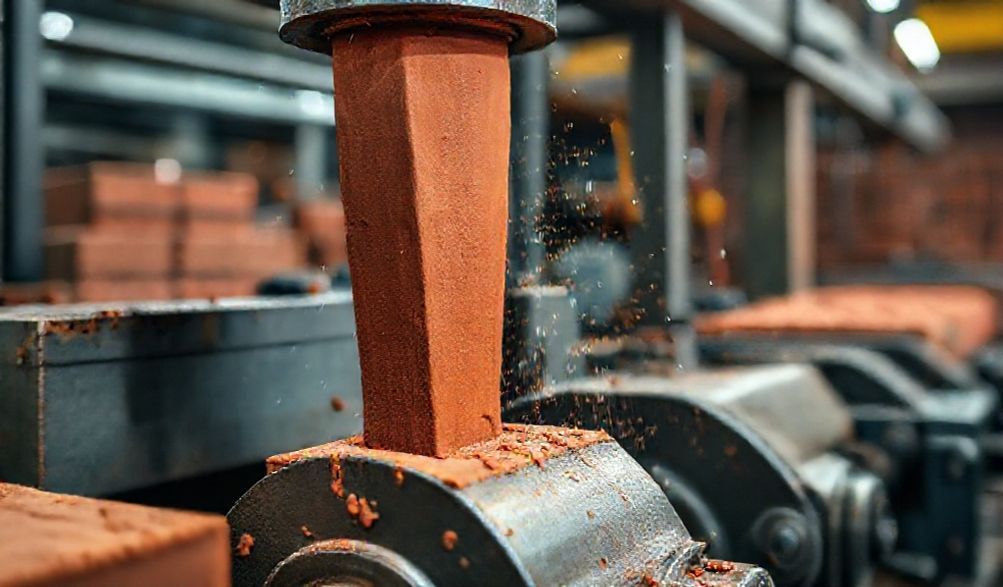
Қазіргі заманғы қыш қалау қозғалтқышы: Өнеркәсіптік саз кірпіш жасау машиналарына арналған жан-жақты нұсқаулық
Мыңдаған жылдар бойы саз кірпіш ежелгі зиккураттардан бастап бүгінгі қала ландшафттарына дейін өркениеттің сенімді сүйегі болып келді. Оның тұрақты танымалдығы кездейсоқ емес; кірпіш тапсырмалы беріктік, үнемді жылу сыйымдылық, табиғи отқа төзімділік және мәңгілік эстетикалық тартымдылықты ұсынады. Алайда, өткен дәуірдің қолдан жасалған күнде кептірілген кірпіші қалалар салатын ауқымда өндірілетін, тамаша біртектілік пен беріктікке ие өнімге жол берді. Бұл түрленудің арқасында бір маңызды өнеркәсіптік жабдық жатыр:саздан кірпіш жасау машинасы.
Бұл нұсқаулық құрылыс материалдары саласын басқаратын шешім қабылдаушыларға – бизнес иелеріне, зауыт менеджерлеріне, сатып алу мамандары мен инженерлерге арналған. Біз өнеркәсіптік кірпіш өндіру технологиясына қатысты негізгі сипаттамалардан асып, сарапшылық талдау ұсынамыз. Сіз машина түрлерін, маңызды таңдау факторларын және инвестицияңызды ең жоғары тиімділік, сапа және ұзақ мерзімді пайда үшін оңтайландыратын операциялық үздік тәжірибелерді нақты түсінесіз.
1. Өнеркәсіптік кірпіш жасау машиналарын түсіну
Өзекті мәнінде, өнеркәсіптік кірпіш жасау машинасы - бұл еңбекті дәлдікпен, қуатпен және қайталанатындықпен ауыстыру үшін жасалған жүйе. Ол заманауи кірпіш өндіру зауытының жүрегі болып табылады.
1.1. Өнеркәсіптік кірпіш жасау машинасы дегеніміз не?
Өнеркәсіптік саз балшықтан кірпіш жасау машинасы - бұл шикі сазды кептіру мен күйдіруге дайын дәл пішімделген кірпіш блоктарына айналдыруға арналған механикаландырылған немесе толық автоматтандырылған жүйе. Оның негізгі ерекшелігі - олжоғары көлемді, коммерциялық ауқымды өндіріс.
- Масштаб және мақсат:Шығарылым тек қазақ тіліндегі аударманы ғана шығарады. Кішкентай, қолмен немесе жартылай автоматтышты ниша нарықтарына арналған машиналардан айырмашылығы, өнеркәсіптік машиналар үздіксіз жұмыс істеуге арналған, олар әр ауысымда мыңнан ондаған мыңдаған кірпіш шығарады. Олардың мақсаты - үлкен құрылыс жобалары мен пайдалы өндірістік операциялар үшін мәмілеге келмейтін, партиядан партияға тұрақты сапа мен өлшемдерді қамтамасыз ету.
- Өндіріс желісі тұжырымдамасы:Кірпіш қалыптау машинасы әдетте үлкен, біріктірілген процестің орталық компоненті екенін түсіну өте маңызды. Толық желі мыналарды қамтиды:
- Жоғары ағыс:Сазды алу, бастапқы ұсақтау, ұнтақтау және араластыру/ылғалдандыру.
- Core: The brick forming machine (extruder or press).
- Downstream: Automated handling, drying, kiln firing, sorting, and packaging.
1.2. Core Components and How They Work
Knowing the key components demystifies the machine’s operation and highlights where quality is engineered.
- Primary Crusher & Grinder: The process begins here. Lumps of raw clay are reduced to a uniform, manageable size to ensure a homogeneous mix.
- Mixer & Pugmill: This is where the “clay body” is created. The ground clay is blended with possible additives (like sand to reduce shrinkage or fly ash for cost-saving) and water. The pugmill’s rotating shafts knead the mixture, achieving the critical “plastic” consistency needed for forming.
- The De-Airing Extrusion Chamber (for extruders): This is the hallmark of a quality machine. A vacuum pump removes air pockets from the plastic clay. Why? Trapped air creates weaknesses. De-aired clay extrudes more smoothly and produces denser, stronger, and more crack-resistant bricks.
- Auger (Screw): Located inside the extrusion chamber, this rotating screw compacts and pushes the plastic clay forward with tremendous force toward the die.
- Саңырауқұлақ немесе өлу: This is the tooling that defines the brick’s shape, size, and surface texture. A die for wire-cut bricks creates a solid column, while a die for extruded bricks forms hollow cores or perforations. The die’s design and material are critical for output and wear.
- Cutter or Stripper: For extrusion machines, a cutting system (often using taut wires or a mechanical stripper) slices the continuous clay column into individual brick units with precise length.
- Басқару жүйесі: The machine’s brain. Modern machines use Programmable Logic Controllers (PLCs) and human-machine interfaces (HMIs) to monitor and adjust key parameters: extrusion pressure, vacuum level, cutter speed, and overall throughput.
2. Types of Industrial Clay Brick Making Machines
The choice of technology fundamentally shapes your product capabilities and production philosophy. Here are the two dominant industrial types.
2.1. Extrusion-Based Machines (The Industry Workhorse)
This is the most common technology for high-volume clay brick production worldwide.
- Процесс: Plastic, de-aired clay is forced by a powerful auger through a shaped die to form a continuous column, which is then wire-cut into individual bricks.
- Үздік: Mass production of a wide variety of bricks: solid, perforated, hollow, and specially shaped units. It excels with traditional, plastic clay bodies.
- Sub-types:
- Vacuum Extruders: Employ a de-airing chamber to produce high-density, high-strength bricks. Essential for facing bricks where appearance and durability are paramount.
- Non-Vacuum Extruders: Used for standard common or building bricks where ultimate strength is less critical, offering a lower initial investment.
2.2. Hydraulic Press Machines
This technology uses immense force rather than extrusion to form bricks.
- Процесс: Semi-dry or dry clay powder (with low moisture content, typically 8-12%) is fed into a precision mold. A hydraulic ram then applies extreme pressure (often hundreds of tons) to compact the material into a very dense brick.
- Үздік: Producing bricks with exceptional dimensional accuracy and high compressive strength, such as engineering bricks, pavers, and refractory bricks. It is also the preferred method for using alternative raw materials like fly ash, bottom ash, or crushed ceramic waste.
- Мен сізге сәттілік тілеймін. While modern hydraulic presses are fast, they generally operate in a cyclic (not continuous) manner, which can mean lower ultimate output than a high-capacity extruder. The trade-off is superior product density and material flexibility.
2.3. Automated Production Lines vs. Standalone Units
This is a strategic decision impacting labor, capital, and scale.
- Standalone Machines: Require manual intervention for loading raw material or unloading green bricks. They have a lower Capexбірақhigher operational labor cost. Suitable for medium-scale production or as a stepping stone.
- Fully Automated Lines: Incorporate robotic brick setters, automatic pallet conveyors, and are seamlessly integrated with dryer and kiln car systems. They represent a significant capital investment but enable 24/7 operation with minimal labor, yielding a high ROI for large-scale, high-throughput plants.
3. Key Factors for Selecting the Right Machine
Selecting a machine is a complex technical and financial decision. Focus on these critical areas to ensure a perfect fit for your operation.
3.1. Analyzing Your Production Requirements
Start with the fundamentals of your business case.
- Capacity (Output per Hour/Day): Be realistic about current demand and future growth. A machine operating at 90% of its capacity is more efficient and suffers less wear than one running at 110% constantly. Specify your needs in сағатына кірпіш саны.
- Brick Type & Specifications: What are you selling? Standard modular bricks, large format blocks, textured facades, or pavers? The machine and its tooling (dies/molds) must be compatible with your product portfolio.
- Raw Material Characteristics: This is often overlooked. The mineralogy, plasticity, and abrasiveness of your clay are decisive. A highly abrasive clay will rapidly wear down a standard steel auger, requiring a specialized, hardened alloy. Share samples with potential suppliers for their technical assessment.
3.2. Technical Specifications and Performance
Look beyond the brochure’s headline output number.
- Motor Power & Energy Consumption: Higher power often relates to higher pressure and capacity, but also to operating costs. Inquire about the efficiency of the drive system.
- Pressure & Vacuum Capability: For extruders, these numbers directly correlate to final brick density and strength. A vacuum level of -0.92 bar or better is standard for quality facing bricks.
- Automation Level & Ease of Operation: How intuitive is the control panel? Can recipes for different products be saved? This affects training time and reduces human error.
- Төзімділік және Құрылымдық Сапасы: Inspect the frame construction (welded steel is best). Recognize premium component brands (e.g., Siemens or Allen-Bradley for PLCs, Bosch Rexroth for hydraulics). The quality of wear parts (auger, liner, dies) determines your long-term maintenance costs.
3.3. Supplier Evaluation: Building Trust
The machine is only as good as the company behind it.
- Manufacturer Reputation & History: Prioritize established engineering firms with a proven track record in brick making machinery, not general equipment dealers.
- Technical Support & Service Network: What does after-sales support look like? Is installation supervision included? Is operator training provided on-site? What is the guaranteed response time for spare parts?
- Warranty & Compliance: Ensure the machine meets international safety (e.g., CE marking) and performance standards. A comprehensive warranty on parts and workmanship is a must.
- Case Studies & Client References: Ask for contact information for clients with similar raw materials and production goals. A credible supplier will be proud to connect you.
4. Optimization, Maintenance, and Best Practices
Owning the machine is just the beginning. Proper care is what separates profitable plants from problematic ones.
4.1. Routine and Preventive Maintenance Schedules
Adherence to a strict schedule prevents catastrophic downtime.
- Daily/Weekly Checks: Lubrication of all bearings and gears, inspection of cutter wires for nicks, checking for oil or air leaks, cleaning sensors.
- Monthly/Annual Maintenance: Measuring auger and liner wear, servicing the vacuum pump, changing hydraulic fluid and filters, calibrating pressure gauges.
- Creating a Maintenance Log: Document every check, adjustment, and part replacement. This log is invaluable for diagnosing recurring issues and planning parts inventory.
4.2. Optimizing for Efficiency and Quality
Fine-tuning turns good production into great production.
- Fine-tuning the Mix: The machine’s performance is dictated by the clay body. Consistent moisture content and proper tempering are the first steps to smooth extrusion and clean cutting.
- Adjusting Extrusion Speed and Pressure: Finding the “sweet spot” where output speed does not compromise the brick’s structural integrity or cause deformation.
- Die Design and Maintenance: A well-polished, correctly designed die reduces extrusion resistance (lowering energy use) and ensures a perfect brick surface. Regular cleaning and inspection are crucial.
4.3. Safety Protocols for Industrial Operations
Safety is non-negotiable in an environment with heavy machinery, high pressure, and moving parts.
- Machine Guarding: Ensure all rotating augers, cutters, hydraulic rams, and conveyor pinch points have permanent, interlocked safety guards.
- Бұғаттау-Белгілеу (LOTO) Тәсілдері: A formal, enforced procedure to isolate energy sources (electrical, hydraulic, pneumatic) before any maintenance begins. This saves lives.
- Operator Training: A well-trained operator is a safe and efficient operator. Training should cover normal operation, emergency stops, and basic troubleshooting.
5. The Future of Brick Making Technology
The industry is not static. Forward-thinking manufacturers are adopting technologies that boost sustainability and intelligence.
5.1. Sustainability and Eco-Friendly Innovations
- Energy-Efficient Drives: Variable Frequency Drives (VFDs) on motors match power consumption to the actual load, reducing electricity use significantly.
- Machines for Alternative Materials:Көтерілуіfly ash brick presses and equipment designed to incorporate recycled construction and demolition waste reduces the environmental footprint and raw material costs.
- Water Recycling Systems: Closed-loop systems that filter and recirculate water used in the mixing process, minimizing freshwater consumption.
5.2. Industry 4.0 and Smart Manufacturing
- IoT Sensors: Embedded sensors monitor vibration, temperature, and pressure in real-time, enabling predictive maintenance before a component fails.
- Data Analytics: Production data is used to calculate Overall Equipment Effectiveness (OEE), identifying bottlenecks and optimizing the entire production cycle for maximum output.
- Автоматтандыру интеграциясы: Machines no longer operate in isolation. They communicate with upstream feeders and downstream handling systems, creating a synchronized, self-optimizing production flow.
Жиі қойылатын сұрақтар (ЖҚС)
Q1: What is the average production capacity of an industrial clay brick machine?
A: Capacities vary widely. A mid-range vacuum extruder can produce 8,000-15,000 standard bricks per 8-hour shift, while large, fully automated lines can exceed 50,000. The key is to specify your required output (bricks/hour) to suppliers.
Q2: How much space is required to install a complete production line?
A: A full line, including raw material storage, processing, machine, drying area, and kiln, can require several thousand square meters. A standalone machine itself might need a covered area of 10m x 5m with adequate height and foundation. Always consult the manufacturer’s layout plans.
Q3: What is the difference between a “brick making machine” and a “brick making plant”?
A:Theмашина refers to the core unit that forms the bricks (the extruder or press). A өсімдік encompasses the entire facility, including clay crushers, mixers, conveyors, the brick machine, dryers, kilns, and packaging systems.
Q4: Can these machines use materials other than clay?
A: Yes, many modern machines, especially hydraulic presses, are designed to work with fly ash, cement-stabilized soil, or other industrial by-products. It is crucial to discuss your specific raw material with the machine manufacturer to ensure compatibility.
Q5: What is the typical lead time and installation process?
A: For standard models, lead time can be 30-90 days after order. Complex custom lines take longer. Reputable suppliers provide foundation drawings in advance and typically send engineers for installation supervision and commissioning, which is vital for proper setup.
Қорытынды
Investing in an industrial clay brick making machine is a capital decision that lays the foundation for your business’s future. The correct choice—meticulously matched to your raw materials, product ambitions, and production targets—delivers returns through unparalleled efficiency, unwavering quality, and controlled operational costs. This guide has provided a detailed, expert-led roadmap through the technology, selection process, and operational excellence required to succeed.
As you move forward, remember that your partner in this venture is as important as the machinery itself. Prioritize suppliers with proven expertise, robust engineering support, and a commitment to your long-term success. By marrying advanced, reliable equipment with skilled operation and disciplined maintenance, you build more than bricks—you build a profitable, resilient, and sustainable enterprise ready to meet the world’s enduring demand for quality construction materials.
<