
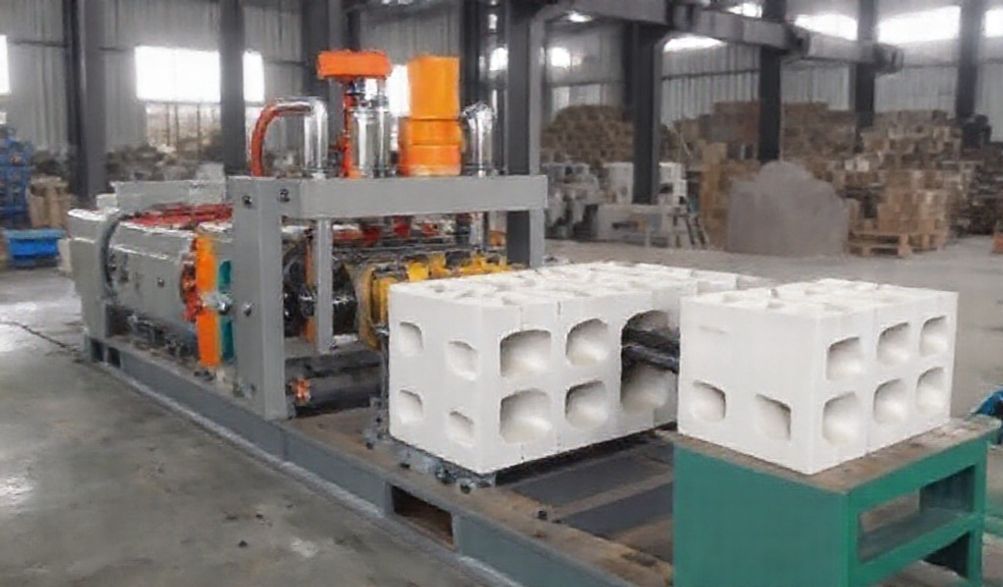
Ең Жақсы Сапалы Ұялы Блок Өндіру Машиналары Зауыттарын Табу: 2026 Жылғы Сатып Алушыларға Арналған Нұсқаулық
Кіріспе
In the world of construction, the humble hollow block is a foundational powerhouse. But behind every straight, strong, and consistent block lies a machine of immense precision and durability. The quality of this machine isn’t an accident—it’s a direct result of the factory that conceived, engineered, and built it. Choosing the wrong manufacturing partner can lead to a cascade of operational headaches, while selecting the right one becomes a cornerstone of long-term profitability and growth.
This guide is crafted for serious investors: business owners scaling their block yards, construction firms integrating backward production, and entrepreneurs entering the precast industry. Your search isn’t for a simple product list; it’s for a trustworthy, repeatable methodology to separate market-leading manufacturers from mediocre assemblers. We will equip you with that methodology. By the end of this guide, you will have a clear set of criteria, a step-by-step vetting process, and the critical questions needed to identify a top-tier hollow block making machine factory and forge a partnership built on quality and reliability.
Why Factory Choice is Critical for Hollow Block Machine Quality
Selecting a machine isn’t just a purchase; it’s the beginning of a long-term relationship with the manufacturer. The factory’s ethos, processes, and support systems are baked into the steel of the machine you’ll operate for years.
The Direct Link: Factory Processes to Final Product Performance
A machine is only as good as the processes that created it. In a superior factory, quality is engineered in at every stage:
* Дәлдік инженериясы: This starts with CAD designs and extends to CNC machining of critical parts. Precision in the factory ensures precision on your vibration table, leading to blocks with exact dimensional tolerances and perfect voids.
* Stage-Wise Quality Control (QC): Top factories don’t just inspect the final product. They implement QC at material intake, after welding, during hydraulic assembly, and at electrical panel wiring. This proactive approach catches issues long before the machine is crated.
* Assembly Standards: The care taken in assembling a PLC control cabinet, routing hydraulic hoses, or calibrating sensor brackets is a telltale sign of craftsmanship. Sloppy assembly leads to premature wear, fluid leaks, and electrical faults.
Beyond the Machine: The Value of Technical Support and Training
A quality factory sells a solution, not just hardware. Their value extends beyond the shipping dock through:
* Comprehensive Technical Documentation: Look for detailed electrical schematics, hydraulic diagrams, and parts catalogs—not just a basic manual.
* Operator and Maintenance Training: Whether provided on-site, at their facility, or via detailed video modules, proper training is non-negotiable for safety, efficiency, and basic troubleshooting.
* Accessible After-Sales Service: When a critical sensor fails, you need a responsive technical team. The best factories offer multiple channels (phone, WhatsApp, remote desktop) and have a logical system for dispatching support or shipping spare parts.
The Cost of Compromise: Risks of Choosing a Sub-Par Manufacturer
The initial savings from a cheaper, less reputable factory are often illusory. The true costs reveal themselves later:
* Тұрақты тоқтап қалу: Frequent breakdowns due to substandard components or poor assembly halt production, delaying projects and damaging your reputation.
* Сәйкессіз шығыс: Poor machine stability results in blocks with varying dimensions, density, and surface finish, leading to waste and rejection by quality-conscious clients.
* Hidden Long-Term Costs: The expense of constant repairs, imported spare parts with long lead times, and higher energy consumption from inefficient systems can quickly eclipse the initial purchase price.
* Abandonment: Many low-cost manufacturers simply disappear or rebrand, leaving you with an unsupported machine when you need help the most.
Key Hallmarks of a Top-Tier Hollow Block Machine Factory
Knowing what to look for is half the battle. Here are the tangible hallmarks that distinguish industry leaders.
Өндірістік біліктілік және салалық тәжірибе
Longevity and focus matter. Inquire about:
* Жылдар бойынша тәжірибе және негізгі бағыт A factory dedicated for 15+ years solely to block making machinery has deep, accumulated knowledge. Be wary of general machinery workshops that “also make” block machines.
* Engineering Team: Do they have in-house mechanical, hydraulic, and electrical engineers? This capability allows for custom solutions and intelligent troubleshooting.
* Жобалар портфолиосы: Ask for case studies or references for projects similar in scale and complexity to yours (e.g., high-volume pallet plant, specialized shape production).
Robust Quality Control and Testing Protocols
Transparency in QC is a key trust signal. A premier factory will gladly explain their process:
* Material Certification: They should use certified steel (e.g., S355JR) and be able to provide Mill Test Certificates (MTCs) for critical structural components.
* Component Branding: Look for the use of known, reputable brands for key parts: Bosch Rexroth or Yuken for hydraulics, Siemens or Mitsubishi for PLCs and motors, SKF or FAG for bearings.
* Соңғы өнімділік тестілеуі: The machine should undergo a full, no-load, and loaded trial run before shipment. The best factories will even run a trial with a sample of your local raw materials (sand, aggregate) to optimize settings.
Transparency in Materials and Components
There should be no mystery about what your machine is made of.
* Detailed Component Lists: Your quotation should include a bill of materials specifying brands and models for all major components, not just generic terms like “hydraulic system” or “German PLC.”
* Welding and Surface Treatment Standards: Inquire about welding procedures (e.g., submerged arc welding for critical joints) and anti-corrosion treatments (sandblasting followed by industrial painting).
Research, Development, and Innovation Capacity
A factory that invests in R&D is investing in your future efficiency.
* Product Evolution: Ask how their machines have improved over the last 5 years. Look for innovations in energy-saving hydraulic circuits, HMI touchscreen controls, IoT connectivity for performance monitoring, or quick-mold change systems.
* Customization Ability: Can they adapt machine designs for unique local materials (e.g., volcanic ash, crushed glass) or create molds for custom block designs? This flexibility indicates deep engineering understanding.
A Step-by-Step Guide to Vetting Potential Factories
Turn these hallmarks into action with this systematic vetting framework.
Phase 1: Deep-Dive Research & Shortlisting
- Sources for Finding Factories:
- Industry Expos: BAUMA (Germany), BICES (China), or local construction equipment shows are ideal for seeing machines in person and meeting engineering teams.
- Professional B2B Platforms: Use platforms like Made-in-China.com or Alibaba.com as discovery tools, but focus on “Gold Supplier” or “Assessed Supplier” members with extensive transaction histories and detailed profiles.
- Industry Associations: Membership in bodies like the German Engineering Federation (VDMA) or national construction machinery associations can indicate a commitment to standards.
- Analyzing Online Presence: Look for substance. A quality factory’s website will feature:
- Detailed technical specifications and PDF downloads.
- A project gallery showing installed machines in working yards.
- Articles or news about technology upgrades, not just sales pitches.
Phase 2: The Inquiry & Communication Assessment
Your initial contact is a test of their professionalism.
* Key Documents to Request:
1. A comprehensive technical specification sheet.
2. A detailed list of components with brands/models.
3. QC procedure documents and available certificates (CE, ISO 9001).
4. Standard warranty terms and conditions.
5. A general arrangement drawing and foundation plan.
* Evaluating Responsiveness: Note not just speed, but the quality of answers. Do they deflect technical questions or provide clear, knowledgeable explanations? A good sign is when they ask you detailed questions about your production goals and material properties.
Phase 3: The Decisive Factory Audit (Virtual or In-Person)
This is the most critical phase. If an in-person visit isn’t feasible, insist on a comprehensive virtual audit.
* The On-Site/Virtual Checklist:
* Workshop Organization: Is the production floor clean, organized, and safe? Chaos often translates to poor quality control.
* QC Stations: Can they show you gauges, testing equipment, and inspection checklists?
* Дәнекерлеу және біріктіру: Look at weld beads—they should be consistent, clean, and free of splatter. Ask about their welding quality standards.
* Talk to Technical Staff: Request a meeting with a production manager or senior engineer, not just a salesperson.
* The Client Reference Check: This is non-negotiable. Ask for 2-3 client contacts who have run the specific model you’re considering for at least 6 months. Prepare specific questions about downtime, support responsiveness, and block quality consistency. Ask to see unedited, recent video of their machine in operation.
Global Hubs for Hollow Block Machine Manufacturing
Understanding the strengths of different manufacturing regions helps align your choice with project needs.
An Overview of Leading Manufacturing Regions
- Germany/Italy: The benchmark for engineering excellence. Machines from this region are synonymous with high precision, full automation, extreme durability, and energy efficiency. They are a premium investment ideal for large-scale, high-output (20,000+ blocks/day) plants where uptime and minimal operating cost are paramount.
- China: The world’s largest and most diverse manufacturing base. The spectrum is vast, from basic manual machines to highly sophisticated, fully automated lines that rival European quality. The key is identifying specialized, export-oriented factories that have invested heavily in Western-standard QC, use international components, and cater to global clients. They often offer the best balance of technology and value.
- India/Turkey: Strong contenders for robust, cost-effective solutions. Manufacturers here excel at producing machines well-suited for price-sensitive markets and challenging operating conditions. The focus is often on core functionality, mechanical robustness, and ease of maintenance, sometimes with less emphasis on high-end automation.
Matching the Factory Hub to Your Project Needs
Өзіңнен сұра:
* Budget vs. Long-Term Cost: European machines have a higher CAPEX but often a lower total cost of ownership. Chinese high-end factories can bridge this gap. Indian/Turkish machines offer the lowest entry cost.
* Автоматтандыру деңгейі: Need a fully unmanned plant? Look to Germany or top Chinese factories. Need a sturdy, semi-automatic machine? India or Turkey may be ideal.
* Local Support Expectations: Consider proximity for service. Some Chinese/Turkish/Indian factories have established service centers or agents in Africa, the Middle East, and Southeast Asia.
* Production Scale: Match the factory’s typical output to your needs. Don’t buy a high-volume machine from a workshop that usually makes small, manual units.
Essential Questions to Ask Before You Commit
Arm yourself with this final checklist during negotiations.
- “Can you provide traceability certificates (MTCs) for the major steel components and brand certificates for the hydraulic pumps and PLC system?”
- “What is your detailed after-sales service structure? What is your guaranteed response time for technical queries? Where are your spare parts warehouses located?”
- “May I have the contact information for 2-3 reference clients in a similar climate/region who are using the same model I am considering? May I visit or have a video call with them?”
- “What is your standard warranty period, and what exactly does it cover? Does it include labor for repairs, or only parts? What are the common exclusions?”
- “Do you offer customized solutions? If my local aggregate is particularly abrasive or I need a unique block design, can your engineering team adapt the machine or mold?”
FAQ Section
Q: What is the single most important sign of a quality hollow block machine factory?
A: A transparent, documented, and demonstrable Quality Control process that is integrated at every stage of production—from material inspection to final performance testing. They should be proud to show it to you.
Q: Is a more expensive machine always from a better factory?
A: Not always, but a suspiciously low price is almost always a red flag for compromised materials or skipped QC steps. Focus on value: the factory should clearly justify its price with superior components, verifiable processes, and robust support.
Q: How can I verify a factory’s claims if I can’t visit in person?
A: Insist on a live video tour of the production floor, not a pre-recorded promo. Request recent, unedited videos from client sites. Conduct in-depth video calls with their engineers, not just sales. Consider hiring a reputable third-party inspection company to conduct a pre-shipment audit.
Q: What after-sales support should I expect from a reputable factory?
A: At minimum: comprehensive digital manuals, installation drawings, remote troubleshooting via video call, and a reliable supply chain for wear parts. The best factories offer optional on-site installation supervision, commissioning, and hands-on training for your team.
Q: Are certifications a reliable indicator of factory quality?
A: Yes, but they are a starting point, not a guarantee. Certifications like CE (safety) and ISO 9001 (quality management systems) demonstrate an intention to follow international standards. Always verify the certificate’s authenticity and remember it must be backed by the tangible hallmarks discussed.
Қорытынды
Choosing the right hollow block making machine factory is one of the most strategic decisions you will make for your construction or manufacturing business. It is an investment that pays daily dividends in the form of consistent output, minimal downtime, and operational peace of mind.
Use the hallmarks and the step-by-step vetting guide provided here as your concrete framework. Move beyond price comparisons and focus on the total cost of ownership and the promise of a long-term partnership. Prioritize factories that invite scrutiny, welcome your questions, and demonstrate their commitment through actions, not just words.
Take your time, conduct thorough due diligence, and remember that the right manufacturing partner doesn’t just sell you a machine—they become a pillar of your production success for decades to come.
METADATA_START—
DISPLAY_TITLE: The 2026 Guide to Finding World-Class Hollow Block Machine Factories
SEO_TITLE: Best Hollow Block Machine Factories | 2026 Buyer’s Guide
META_DESC: Find the best hollow block making machine factories with our 2026 guide. Learn key quality hallmarks, vetting steps, and essential questions for a smart investment.
IMG_PROMPT: A hyper-realistic, detailed photograph of a modern, automated hollow block making machine on a clean factory floor, with precision components like hydraulic cylinders and a PLC control panel visible, under dramatic industrial lighting.
—METADATA_END—