
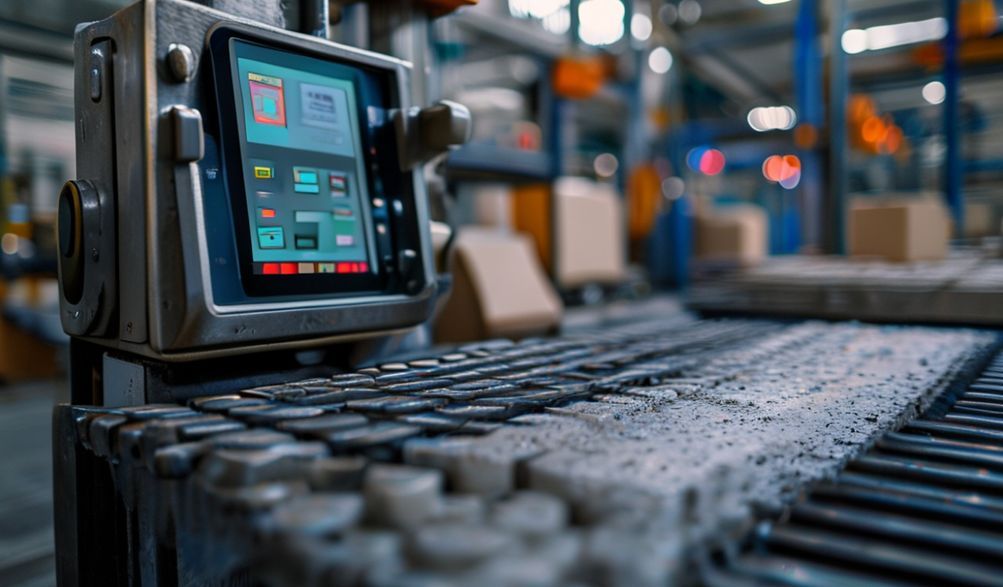
PLC арқылы басқарылатын бетон блок жасау машиналарына толық нұсқаулық және сенімді өндірушіні қалай таңдау керек
Кіріспе
Қазіргі құрылыс ландшафты жылдамдыққа, дәлдікке және үздіксіз тиімділікке негізделген. Берік темірбетон блоктарға деген негізгі қажеттілік сақталып қалғанымен, оларды өндіру әдістері түбегейлі өзгеріске ұшырады. Тек еңбек сыйымды, тұрақсыз қолөнер процестеріне ғана сүйенетін күндер өтті. Бүгінгі таңда бәсекелестік артықшылық автоматтандыруды пайдаланатындарға тиесілі, ал бұл төңкерістің өзегі - PLC басқаратын темірбетон блок жасау машинасы.
Бизнес иелері мен өндіріс менеджерлері үшін мәселелер өте таныс: өнім сапасының ауытқуы партиялардың қайтарылуына әкеледі, еңбек шығындарының өсуі, болжамсыз өндірістік тартылыстар және материалдардың ысырапталуы. Бұл мәселелер тек пайданы ғана төмендетіп қоймай, сонымен қатар талаптары жоғары нарықта блок өндіру операциясының өзіндік өміршеңдігін де қауіп төндіреді.
Шешім дәлдікпен автоматтандыруда жатыр. PLC (Басқарылатын Логикалық Контроллер) арқылы басқарылатын бетон блок жасау машинасы жай ғана жаңарту емес, бұл парадигмалық өзгеріс. Ол адамның болжамын сандық дәлдікпен алмастырады, әрбір конвейерден шығатын блоктың алдыңғысымен бірдей болуын қамтамасыз етеді. Бұл нұсқаулық сала маманының көзқарасынан техникалық терминдер мен сату тәсілдерін ажырату үшін жасалған. Біздің мақсатымыз - шешім қабылдаушы ретінде сізді осы түрлендіруші технологияны түсінуге және, ең бастысы, өз таңдауыңызды жасағанда терең білімге негізделген шешім қабылдауға мүмкіндік беретін іс-әрекетке бағытталған сарапшы түсініктерімен қамтамасыз ету.Бетон блоктарын жасау машинасын PLC басқаратын өндірушіБұл серіктестік сіздің болашақ өнімділігіңіз бен пайдалылығыңыздың негізгі таянышы болып табылады.
PLC Басқарылатын Бетон Блок Өндіру Машинасы дегеніміз не? (Технологияны Түсіндіру)
PLC басқарылатын блоктық машина өз мәнінде сенімді механиканың цифрлық ми басқаратын үйлесімді оркестрі болып табылады. Ол шикізатты жүктеуден бастап, піскен блокты шығаруға дейінгі өндіріс циклін адамның ең аз араласуымен автоматтандырады. Нәтижесінде сәйкестік, өнімділік және операциялық басқару саласында қолмен немесе жартылай автоматты машиналармен салыстырғанда айтарлықтай жетістіктерге қол жеткізіледі.
Негізгі компоненттер және олардың бірлесіп жұмыс істеуі
Машинаның физикалық жұмысы инженерияның кереметі болып табылады, бірақ оның даналығы мүмкіндігін анықтайды.
- Механикалық жүйе:Бұған ауыр жүкке арналған болат рама, блокты пішіндейтін қалып қуысы, тығыздау үшін жоғары жиілікті діріл үстелі, қысымды қолдау үшін қуатты гидравликалық жүйе және автоматтандырылған паллет бергіш/айналым жүйесі кіреді.
- PLC «ми» ретінде:Бұл негізгі жаңалық. Бағдарламаланатын логикалық контроллер – машиналарды басқаруға арналған өнеркәсіптік санаттағы компьютер. Ол әртүрлі сенсорлардан (позиция, қысым, температура) сигналдар қабылдап, алдын ала бағдарламаланған логикалық тізбекті орындай отырып, әрбір әрекетті басқарады. Ол дірілдің нақты ұзақтығы мен қарқындылығын, гидравликалық цилиндрлердің дәл қысымын, қалыптың қозғалысын және блокты шығару уақытын сандық қайталанатылықпен басқарады.
Конвенционалды машиналардан асып түсетін негізгі артықшылықтар
PLC автоматтандыруға салым салу капиталдық шығынды негіздейтін нақты, төменгі сызықты пайдаларды әкеледі.
- Сәйкестігі жоқ тұрақтылық пен сапа:PLC адам қатесін жояды. Діріл жиілігін, гидравликалық қысымды және цикл уақытын миллисекундқа дейін басқару арқылы әр блоктың бірдей өлшемдері, тығыздығы және қысу беріктігі қамтамасыз етіледі. Бұл аздаған қабылданбайтын өнімдерді, ASTM немесе IS стандарттарына үнемі сәйкестікті және тұтынушыларыңыз үшін жоғары сапалы өнімді білдіреді.
- Өнімділік пен Шығарылымды Арттыру:Автоматтандыру жоғары жылдамдықты, үздіксіз циклдарды қамтамасыз етеді. Машиналар 8 сағаттық ауысымда (модель мен блок түріне байланысты) 1500-ден 10000-нан астам блок шығара алады, ал мониторинг және палеттерді басқару үшін тек 1-3 оператор қажет. Бұл өндірістік қуатыңызды айтарлықтай арттырады.
- Операциялық тиімділік пен шығындарды үнемдеу:Тікелей еңбек шығындарының айтарлықтай төмендеуі ірі артықшылық болып табылады. Сонымен қатар, оңтайландырылған циклдар мен тиімді гидравлика блокқа шаққандағы электр энергиясын тұтынуды азайтады. Дәл материалды дозалау және азайтылған қолдау құнды цемент пен толықтырғыштардың шығынын азайтады.
- Пайдаланушыға ыңғайлы жұмыс және икемділік:Заманауи машиналар интуитивті сенсорлық HMI (адам-машина интерфейстері) құралдарымен жабдықталған. Блок түрлерін өзгерту—қаттыдан қуысқа немесе тротуар тақтасына дейін—көбінесе сақталған "рецептіні" таңдау арқылы оңай орындалады. Параметрлер айналдырушылармен емес, түртпелермен реттеледі. Диагностикалық экрандар мен қате журналдары ақауларды тез шешуді жеңілдетіп, тоқтап қалу уақытын азайтады.
PLC блок машинасы өндірушісін таңдау кезіндегі маңызды факторлар
Selecting the right manufacturer is a decision that will impact your business for decades. It’s not just about buying a machine; it’s about entering a long-term partnership. Here are the non-negotiable factors to evaluate.
Proven Industry Experience & Technical Expertise
A manufacturer’s history is your first indicator of reliability.
- Look for a company with decades, not just years, of experience specifically in concrete machinery and, importantly, in integrating industrial automation.
- Evidence of Expertise is Key: They should readily provide a portfolio of global installations, detailed case studies, and testimonials. A true expert manufacturer will not just sell you a standard model but will have the engineering capability to discuss customizations for your specific raw materials or product mix.
Machine Quality, Durability, and Innovation
The machine’s construction determines its lifespan and uptime.
- Берік Құрылыс: Inspect the fundamentals: a reinforced steel frame, hardened and precision-machined mold components, and the use of internationally recognized hydraulic brands (like Bosch Rexroth or Parker) and industrial PLCs (from Siemens, Mitsubishi, or Allen-Bradley). These components are built for 24/7 operation.
- Зерттеу және дамытуға деген міндеттеме: Ask about their research and development focus. Are they innovating in areas like energy recovery systems, IoT connectivity for remote monitoring, or advanced vibration technology? A manufacturer that invests in R&D is investing in your future efficiency.
Comprehensive After-Sales Support & Training
This is the most critical trust signal and where many low-cost suppliers fail. The best machine is useless without proper support.
- Detailed Installation & Commissioning: Expect factory-trained engineers to supervise or conduct the on-site setup and calibration.
- Thorough Operator & Maintenance Training: Training must cover both the mechanical systems and the PLC/HMI. Your team should feel confident running daily operations, performing basic troubleshooting, and understanding preventive maintenance schedules.
- Даяр бөлшектер: Ensure they have a structured global parts supply chain or local dealerships. Quick access to genuine parts is essential to minimize costly downtime.
- Responsive Technical Support: Verify the availability of technical support—be it via a 24/7 hotline, email, or modern remote diagnostic tools that allow engineers to view your machine’s PLC data online.
Certifications, Compliance, and Safety Standards
Certifications are a manufacturer’s formal pledge to quality and safety.
- International Certifications: Prioritize manufacturers with CE белгісі (mandatory for the European market, indicating compliance with EU safety, health, and environmental requirements) and ISO 9001 certification (a globally recognized standard for quality management systems).
- These certifications demonstrate a systematic approach to manufacturing, ensuring consistency in quality and a commitment to operator safety through built-in safety interlocks and guarded moving parts.
The Manufacturer Selection Process: A Step-by-Step Guide
Navigating the selection process methodically will protect your investment and set you up for success.
Step 1: Define Your Production Requirements
Begin with an internal audit. Clearly document:
* Өнімдердің араласуы: What types of blocks will you produce? (Hollow, solid, paver, interlocking?)
* Output Goals: What is your required daily or monthly production volume?
* Site Specifications: Available floor space, electrical power capacity, and raw material (aggregate) size.
* Budget: Have a clear capital expenditure range, but be prepared to evaluate total cost of ownership, not just the sticker price.
Step 2: Research and Shortlist Potential Manufacturers
Use credible sources to build your list:
* Industry directories and publications (e.g., Global Cement Magazine).
* Major international trade shows like BAUMA (Germany) or bC India.
* Recommendations from peers in the construction industry.
Red Flags to Avoid:
* Manufacturers with only a P.O. Box address or no visible factory footage.
* Unwillingness to provide client references or detailed technical documentation.
* Prices significantly lower than the market average, often indicating substandard components or no after-sales support.
Step 3: Evaluate and Compare Proposals
Create a standardized comparison matrix for all proposals. Key columns should include:
* Total Price (machine, shipping, installation, duties).
* Warranty Period and Terms (what is covered?).
* PLC & HMI Brand/Model.
* Detailed Technical Specifications.
* Outline of the proposed after-sales support and training package.
Step 4: Conduct Due Diligence (The Trust Verification)
This step separates the truly reputable from the rest.
* Request and Contact Client References: Don’t just collect names. Call or visit reference clients, especially those with a similar operational scale to yours. Ask about machine performance, reliability, and quality of support.
* Request a Factory Audit/Visit: If feasible, visiting the manufacturing facility is invaluable. You can assess their production capability, quality control checks, and workforce skill. A virtual live tour is a good alternative if travel isn’t possible.
* Review Documentation: Ask for samples of the user manual, electrical schematics, and parts catalog. Well-organized, clear documentation reflects a well-organized company.
Maximizing Your Investment: Operation and Maintenance Best Practices
Your relationship with the manufacturer continues after installation. Proper operation and maintenance are key to maximizing ROI.
Optimizing PLC Programs for Different Block Designs
The PLC’s flexibility is a major asset. Work closely with the manufacturer’s technicians during commissioning to fine-tune the “recipes” for each block type you produce.
* Small adjustments to vibration time, pressure hold duration, or lift speed can optimize block strength and surface finish based on your specific cement-aggregate mix.
Essential Preventive Maintenance Schedule
Proactive care prevents catastrophic failures.
* Күнделікті Check hydraulic oil levels, clean sensors, inspect for loose bolts or leaks.
* Апталық: Clean the entire machine, especially the mold area and pallet system. Check vibration motor mounts.
* Ай сайын: Perform a more thorough inspection of hydraulic hoses and fittings, clean the PLC cabinet filters to prevent dust ingress, and verify all electrical connections are tight.
Common PLC Alarms and Basic Troubleshooting
The HMI is your first line of defense. Familiarize your team with common alarms:
* “Low Hydraulic Pressure”: Check oil level and filters.
* “Pallet Not in Position”: Inspect the pallet feeder mechanism for obstructions or misalignment.
* “Sensor Fault”: Clean the photo-eye or proximity sensor indicated in the error message.
Understanding these basics allows your team to resolve minor issues quickly before escalating to technical support.
Жиі қойылатын сұрақтар (ЖҚС)
Q1: What is the typical lead time for a PLC-operated block making machine from order to delivery?
A: Lead times typically range from 8 to 16 weeks. This depends on the level of machine customization, the manufacturer’s current production backlog, and shipping logistics. A professional manufacturer will provide a clear and detailed project timeline upon order confirmation.
Q2: Can I retrofit a PLC system to my existing non-automated block machine?
A: While some specialized engineering firms may offer retrofit services, it is often a complex and costly endeavor. The integration of sensors, new hydraulic valves, and controls into an old mechanical frame can lead to compatibility issues. For reliability and performance, investing in a new, fully integrated PLC-operated machine is almost always the more cost-effective and successful long-term solution.
Q3: How technically skilled do my operators need to be to run a PLC machine?
A: The PLC/HMI interface is designed for simplicity. Operators do not need advanced programming skills for daily operation. The crucial factor is the comprehensive training provided by the manufacturer. With proper training, operators with a good mechanical aptitude and attention to detail can confidently run the machine, change recipes, and perform basic diagnostics.
Q4: What is the expected lifespan of a quality PLC-operated block machine?
A: With a rigorous preventive maintenance program, a high-quality machine from a reputable manufacturer can have a productive lifespan of 15 to 20 years or more. The core mechanical structure is built to last. Over time, wear parts (like mold liners) will need replacement, and electronic components (including the PLC itself) may require updates or upgrades to newer technology.
Q5: How do I ensure I get genuine spare parts and not cheap imitations?
A: Always source spare parts directly from the original equipment manufacturer (OEM) or their officially authorized distributors. Using counterfeit or non-genuine parts can lead to premature machine failure, void your warranty, and pose safety risks. A trustworthy manufacturer will have a transparent and accessible parts supply system.
Қорытынды
Choosing to invest in a PLC-operated concrete block making machine is a strategic decision to secure quality, scalability, and long-term profitability for your business. However, this guide underscores a central truth: the choice of your manufacturer is as critical as the choice of technology itself.
The right partner provides far more than a piece of equipment. They deliver a productivity partnership built on experience, expertise, and trust. They stand behind their machine with unwavering support, ensuring your operation runs smoothly for its entire lifespan. As you move forward, use this guide as your framework. Prepare your requirements, ask the detailed questions, and seek out manufacturers who can demonstrably meet the high standards outlined here. Your future in automated block production begins with that informed choice.
<