
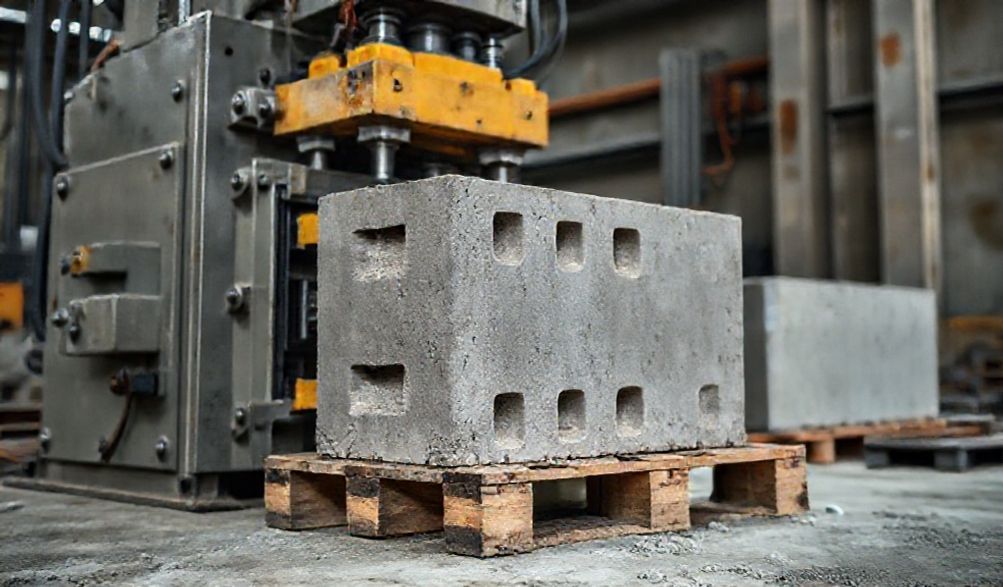
The Ultimate Guide to Block Maker Machines: Types, Prices & How to Choose
The global market for construction blocks is projected to reach billions, driven by relentless urbanization and infrastructure development. Yet, for contractors and builders, this demand often clashes with persistent pain points: the high cost of purchased materials, inconsistent block quality leading to structural compromises, and project delays tied to supply chain hiccups. If you’re wrestling with these challenges, the solution might not be in buying more blocks, but in making them yourself.
This comprehensive guide is engineered from the ground up using industry specifications, direct manufacturer data, and decades of aggregated field insights. Whether you’re a contractor scaling your business, a builder aiming for greater control, or an entrepreneur eyeing the construction materials sector, you’re here to make a critical capital decision. We promise to cut through the noise, delivering a clear, unbiased breakdown of block maker machine types, their operational principles, true cost factors, and the essential criteria for selection. Our recommendations are rooted in mechanical efficiency, proven durability, and tangible return on investment—not brand allegiance. Let’s build your knowledge.
What is a Block Maker Machine? Core Function and Importance
At its core, a block maker machine is a precision-engineered device designed to automate and standardize the production of construction blocks. It transforms loose, raw materials into dense, geometrically perfect units ready for building. In an industry where consistency is synonymous with strength and speed with profitability, this machine has become indispensable for modern, efficient construction.
Машинаны Анықтау: Шикізаттан Дайын Блокқа Дейін
The fundamental process, regardless of machine size, follows a logical sequence:
1. Араластыру: Combining raw materials (cement, aggregates, sand, water) into a homogeneous, semi-dry concrete mix.
2. Жымдау және қалыптау: The mix is fed into a mold (or die) where it is subjected to immense hydraulic pressure and often vibration. This dual action compresses the particles, removing air voids and forming a block of precise dimensions.
3. Атқылау: The newly formed block is pushed out of the mold onto a pallet or conveyor.
4. Емдеу: The blocks are then stored in a controlled environment to gain strength through hydration, a process that can be accelerated with steam curing chambers.
This mechanized process is responsible for producing the vast array of blocks seen on job sites worldwide: standard concrete solid blocks, hollow load-bearing blocks, decorative paving slabs, and innovative interlocking bricks that require no mortar.
Why Use a Block Maker? Benefits Over Manual or Purchased Blocks
Investing in a block maker isn’t just about buying a machine; it’s about acquiring strategic advantages.
- Шығындардың тиімділігі: For projects requiring thousands of blocks, the per-unit cost of machine-produced blocks is significantly lower than purchased ones, especially when factoring in bulk raw material discounts.
- Unmatched Quality Control: You dictate the mix design and compression force, ensuring every block has consistent size, density, and compressive strength. This eliminates the risk of weak batches compromising your structure.
- On-Demand Production: Become your own supplier. Produce blocks as needed, right at your project site or factory, eliminating logistics delays and storage issues for just-in-time construction.
- Customization Flexibility: Need a specific size, color, or texture? By simply changing the mold, you can produce specialty blocks that might be expensive or hard to source externally.
- A Tangible Business Opportunity: Beyond personal use, a block maker is the foundation of a profitable manufacturing business, supplying blocks to other contractors, developers, and retailers.
Types of Block Maker Machines: A Detailed Comparison
Navigating the different types of machines is the first major step in your selection process. Industry practice shows that matching the machine category to your specific output goals is the single biggest determinant of success.
By Operation: Manual, Semi-Automatic, and Fully Automatic
-
Қолдан жасалған блок жасау машиналары:
- Сипаттама: Operated entirely by human labor. The operator manually fills the mold, engages a lever to apply pressure, and removes the finished block.
- Үшін Қолайлы: Very small-scale projects, DIY enthusiasts, community-based building, or markets with very low labor costs. They are a low-capital entry point.
- Артықшылықтары: Lowest upfront cost, simple mechanics, no power requirement, easy to maintain.
- Кемшіліктері: Very low output (typically 300-800 blocks per 8-hour day), labor-intensive, product consistency heavily depends on operator skill, physically demanding.
- Approximate Output: 40-100 blocks per hour.
-
Жартылай автоматты блок жасау машиналары:
- Сипаттама: These machines strike a balance. Core processes like compression and vibration are powered (electrically or hydraulically), but tasks like feeding raw material, moving pallets, or stacking blocks may require operator assistance.
- Үшін Қолайлы: Small to medium-sized businesses, contractors undertaking multiple projects, and those looking to step up from manual production without the full investment in automation.
- Артықшылықтары: Good balance of output and cost, more consistent quality than manual machines, less physically demanding for operators.
- Кемшіліктері: Still requires a crew of 2-4, output is limited by human-paced steps.
-
Толық автоматты блок жасау машиналары:
- Сипаттама: The pinnacle of production efficiency. These are computer-controlled (PLC) plants where the entire process—from batching and mixing to molding, curing, and stacking—is automated via conveyors and robotic arms.
- Үшін Қолайлы: Large-scale block manufacturing plants, industrial production for major construction firms, and high-volume commercial businesses.
- Артықшылықтары: Maximum output with minimal labor (often just 1-2 supervisors), exceptional consistency, integrated curing systems, highest long-term ROI for volume producers.
- Кемшіліктері: Very high initial investment, complex installation, requires reliable power and skilled maintenance, less flexible for very small, custom batches.
By Block Output Type
Most machines are specialized but can be adapted with different molds.
* Concrete Solid Block Machines: Designed for high pressure to produce dense, solid blocks used in foundational and heavy-load walls.
* Hollow Block Making Machines: Feature mold cores to create the characteristic cavities, reducing weight and material cost while maintaining strength. They are the most common type globally.
* Paving Block / Interlocking Paver Machines: Use specialized molds and high-vibration systems to produce dense, aesthetically finished blocks for driveways, walkways, and patios.
* Ұшқан күл кірпіш жасау машиналары: Optimized to use fly ash (a industrial by-product) as a primary raw material, offering an eco-friendly and cost-effective alternative.
By Mobility: Stationary vs. Mobile Block Making Plants
- Стационарлық өсімдіктер: These are fixed installations, typically the semi-automatic and fully automatic models. They are set up in a factory or yard and offer the highest stability and integration for continuous production.
- Mobile Plants: Built on a trailer chassis, these units can be towed directly to a large construction site. They enable on-site production, drastically cutting transport costs for the finished blocks. They are almost always semi-automatic to balance output with mobility.
Key Components and How a Block Maker Machine Works
Understanding the core components builds authoritativeness in your buying decision and demystifies the machine’s operation.
The Essential Machinery Breakdown
- Хоппер және Тұтқыш: The entry point for the raw concrete mix. A well-designed feeder ensures a consistent and measured flow into the molding system.
- Mixer (Pan or Planetary): Located before the hopper in integrated plants, this ensures a uniform blend of cement, aggregate, sand, and water. A consistent mix is non-negotiable for block quality.
- Гидравликалық жүйе: The heart of the machine. Comprising pumps, valves, and cylinders, it generates the immense pressure (measured in tons) required to compact the mix. Higher tonnage generally correlates with stronger, denser blocks.
- Mold (Die) and Tamper Head: The mold defines the block’s shape and size. The tamper head compresses the mix into the mold. Both are high-wear items and are typically made from hardened steel.
- Control Panel (for automated models): The brain of the operation. A PLC allows operators to set pressure, cycle time, and vibration duration for precise, repeatable production.
- Conveyor and Pallet System: Automates the movement of raw pallets into position and carries away freshly molded blocks to the curing area.
The Production Cycle Step-by-Step
Let’s walk through a typical cycle on a hydraulic block maker:
1. Партиялау және араластыру: Raw materials are combined in the prescribed “mix design” ratio and thoroughly mixed to a semi-dry consistency.
2. Тамақтандыру: The mix is transferred to the machine’s feed hopper.
3. Қалыпты толтыру: The feeder drops a precise amount of mix into the clean, lubricated mold cavity on a waiting pallet.
4. Тығыздау: The tamper head descends, applying intense hydraulic pressure. Simultaneously, vibration motors may activate to further settle the mix and eliminate air pockets.
5. Mold Lifting/Ejection: The mold box lifts vertically, leaving the compacted block standing on the pallet.
6. Аудару: The pallet with the green (uncured) block is conveyed out of the machine to a stacking area.
7. Емдеу: Blocks are stacked and moved to a curing rack or chamber. Proper curing (maintaining moisture and temperature for 7-28 days) is critical for the block to achieve its specified compressive strength (often governed by standards like ASTM C90).
Сатып алмас бұрын ескеруге болатын маңызды факторлар
This is where experience translates into actionable advice. Rushing this assessment is the most common mistake new buyers make.
Assessing Your Needs: Project Scale and Block Type
Start by answering these questions honestly:
* What is my average daily and weekly block requirement? (Be realistic, then add a 20% buffer for growth).
* What specific block types (solid, hollow, paver) will I produce 80% of the time?
* Is my production for my own projects or for commercial sales?
* What is my available space, power supply (3-phase?), and labor?
Machine Specifications and Features to Scrutinize
Don’t just look at the machine; interrogate its specs.
* Өндірістік қуат: Never rely on the “theoretical maximum.” Ask for realistic “blocks per hour” under normal working conditions for the specific block type you need.
* Pressure (Tonage): This is a key indicator of potential block strength. For standard hollow blocks, machines range from 30 to 200+ tons. Higher pressure creates denser, stronger blocks suitable for more demanding applications.
* Қуат қажеттіліктері: Determine if you need electric (single or three-phase), diesel, or a hybrid model. Three-phase electric is most common for industrial machines and offers the cleanest operation.
* Build Quality & Durability: Inspect the steel frame thickness, the quality of the hydraulic hoses and cylinders, and the brand of the electrical components (e.g., Siemens, Schneider). A heavier, well-welded frame reduces vibration and wear.
* After-Sales Service & Parts Availability: This is a non-negotiable trust factor. Does the supplier have technicians? Can they provide a detailed parts manual? How quickly can they ship common wear parts like mold liners or hydraulic seals? A cheap machine with no support is an expensive paperweight.
Cost Analysis: Beyond the Sticker Price
Block Maker Machine Price Range:
* Қол машиналары: $1,000 – $5,000 USD.
* Жартылай автоматты машиналар: $10,000 – $50,000+ USD.
* Толық автоматты өсімдіктер: $60,000 – $300,000+ USD.
Crucial Caveat: These are broad global brackets. Final price depends on capacity, configuration, brand, and your location. Always get detailed, itemized quotations.
Total Cost of Ownership (TCO) Framework:
1. Сатып алу бағасы: The machine itself.
2. Орнату және іске қосу: Foundation, electrical hookup, initial calibration.
3. Operating Costs: Electricity/fuel, routine maintenance (oil, filters), labor.
4. Raw Material Costs: Cement, aggregates, sand.
5. Parts & Repair Fund: Setting aside capital for eventual wear part replacement.
ROI Calculation Framework:
(Total Investment / (Monthly Profit from Block Sales - Monthly Operating Costs)) = Payback Period in Months.
To estimate: Calculate your per-block production cost (materials + machine depreciation + labor + energy) and compare it to the local market selling price. The difference is your margin. High-volume machines, despite their high price, often have the fastest payback due to their massive output.
Operation, Maintenance, and Safety Best Practices
Owning the machine is one thing; operating it profitably and safely for years is another.
Setting Up for Success: Installation and Calibration
Follow the manufacturer’s foundation plan precisely. An unlevel base causes uneven wear and poor block quality. Initial calibration of feed volume, pressure, and vibration time is critical—use your actual raw materials to test and adjust.
Routine Maintenance Checklist
- Күнделікті Clean the mold, hopper, and mixer thoroughly. Check hydraulic oil levels and for leaks. Inspect pallets for damage.
- Апталық: Grease all moving joints and bearings. Tighten bolts and electrical connections. Check wear on the mold and tamper head.
- Ай сайын: Change hydraulic oil and filters as per the manual. Inspect hydraulic hoses for cracks. Perform a full machine alignment check.
Essential Safety Protocols for Operators
- Lockout/Tagout (LOTO): Always disconnect and lock the power source before performing any maintenance or clearing a jam.
- Жеке қорғаныс құралдары (ЖҚҚ): Safety glasses, hearing protection, steel-toed boots, and gloves are mandatory.
- Handling Procedures: Never place hands in the mold area during machine cycles. Use proper lifting techniques for blocks and molds.
Жиі қойылатын сұрақтар (ЖҚС)
Q1: What is the average production output of a standard block making machine?
A: Output varies dramatically. A manual machine might produce 500-1,000 blocks in an 8-hour day. A mid-range semi-automatic machine can produce 1,500-3,000 blocks per day. A fully automatic plant can easily output 5,000 to 15,000+ blocks per 8-hour shift, depending on its configuration.
Q2: What raw materials can be used?
A: The primary materials are Portland cement, sand (fine aggregate), and gravel or crushed stone (coarse aggregate). Many machines can also utilize industrial by-products like fly ash or slag cement, which can reduce cost and environmental impact. The specific “mix design” is crucial for final block strength.
Q3: Can one machine produce different block types?
A: Yes, this is a key advantage. By changing the mold (die), you can produce different sizes and shapes (solid, hollow, paving). The changeover process can take from 30 minutes to a few hours, depending on the machine’s design.
Q4: How important is after-sales service when choosing a supplier?
A: Critically important—often more so than a slight price difference. Prioritize suppliers with a documented history of providing technical support, operator training, comprehensive warranties, and readily available spare parts. Your machine’s uptime depends on it.
Q5: What are the most common operational challenges and how to fix them?
A:
* Blocks Sticking in Mold: Usually caused by insufficient mold lubrication or an overly wet mix. Apply recommended release agent and adjust water content.
* Төмен блоктық тығыздық/беріктік: Often due to insufficient compaction pressure or an incorrect mix design (too much sand, not enough cement). Check hydraulic pressure and revise your mix ratios.
* Uneven Block Height: Typically a result of an unlevel machine, worn mold components, or an uneven feed of raw material. Check the machine’s level, inspect the mold and tamper head for wear, and calibrate the feeder.
Қорытынды
Choosing the right block maker machine is a strategic decision that hinges on a clear assessment of your project scale, desired output, target block types, and total budget. There is no universal “best” machine, only the best machine for your specific situation.
Our final, experience-driven recommendation is this: Use this guide as a checklist. Then, move from research to action. Physically inspect machines at a dealer or factory if possible. Request that potential suppliers produce sample blocks from your local raw materials to verify quality. Most importantly, obtain and meticulously compare detailed quotations from at least three reputable manufacturers, paying as much attention to their service条款 as to the machine specs.
Investing in a quality block maker backed by reliable service is an investment in long-term productivity, business growth, and construction excellence. Make your choice with confidence, and build something solid.
<