
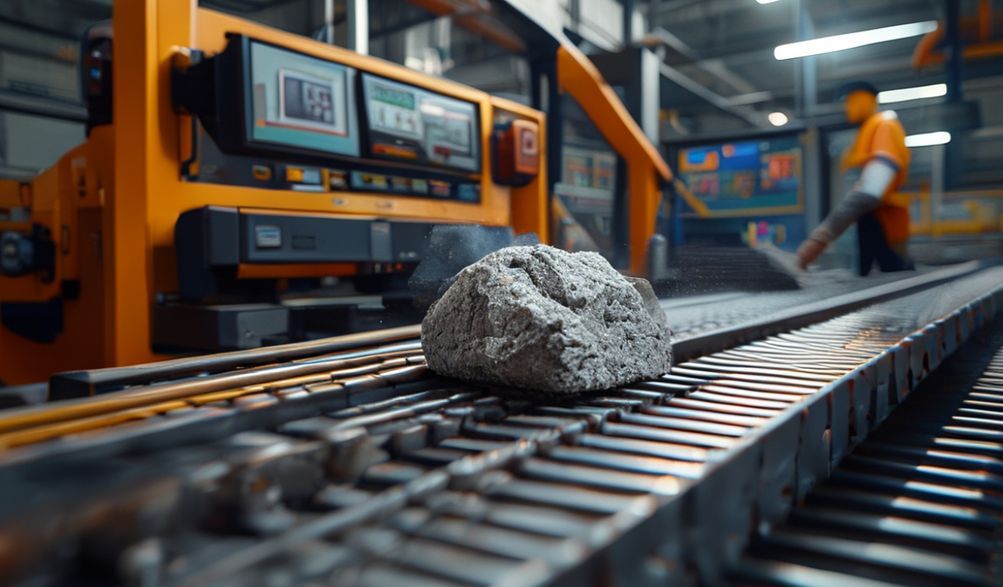
The Ultimate Guide to Block Making Machines: Types, Uses, and How to Choose
Кіріспе
From towering skyscrapers to humble garden walls, the need for durable, uniform construction materials is universal. The efficiency, cost, and quality of every project hinge on one critical piece of equipment: the block making machine. This guide is distilled from decades of combined industry expertise, engineering specifications, and on-the-ground insights. Whether you’re a contractor, a budding entrepreneur, or a project manager, our goal is to equip you with the knowledge to navigate the market confidently.
Оның түп негізінде,block making machine is the engine of modern masonry manufacturing, transforming raw materials into the precise blocks, bricks, and pavers that build our world. This comprehensive post will serve as your definitive resource. We’ll demystify the different types of machines, break down their key components, and provide a step-by-step framework to help you choose the perfect model for your specific needs and budget.
What is a Block Making Machine? Core Function and Industry Impact
Before diving into specifications, it’s crucial to understand what this machine does and why it’s so transformative.
Негізгі анықтама және жұмыс принципі
A block making machine is a mechanical or hydraulic device designed to mold mixtures of raw materials—such as concrete, cement, fly ash, or soil—into dense, solid shapes of precise dimensions. This is achieved through a combination of high pressure and vibration.
The core process follows a consistent cycle:
1. Тамақтандыру: The prepared raw material mix is poured or conveyed into the machine’s mold box.
2. Тығыздау/Дірілдету: The machine subjects the material to intense vibration, removing air pockets and ensuring even distribution. Simultaneously, a hydraulic ram or mechanical press applies tremendous pressure.
3. Қалыптау: Under this pressure and vibration, the material takes the exact shape of the steel mold cavity.
4. Атқылау: The freshly formed block is pushed out onto a pallet or conveyor belt, ready for curing and storage.
The Evolution and Modern Importance
The leap from manual, labor-intensive brick molding to automated machinery represents a revolution in construction. This evolution has had a profound impact:
- Жылдамдық пен ауқым: Automated machines can produce in an hour what might take a manual crew days, accelerating project timelines dramatically.
- Өзіндік құнының тиімділігі: While the initial investment is significant, the reduction in labor costs and material waste leads to a much lower cost per block over time.
- Үздіксіз Сәйкестік: Machines produce blocks with identical dimensions, weight, and strength, which is critical for structural integrity and aesthetic appeal.
- Тұрақтылық: Modern machines excel at utilizing industrial by-products like fly ash and slag, and can even process recycled construction aggregate, supporting greener building practices.
Types of Block Making Machines: Finding the Right Fit for Your Project
The market offers a variety of machines, each designed for specific production scales and applications. Understanding these categories is the first step in making an informed choice.
Операция бойынша: Қолмен, Жартылай автоматты және Толық автоматты
-
Қолдан жасалған блок жасау машиналары:
- Жалпы шолу: Operated primarily by human labor for feeding, compacting (often via a lever), and ejection.
- Үздік: Very small-scale projects, DIY enthusiasts, remote locations with no power, or producing specialty artistic blocks.
- Артықшылықтары: Very low upfront cost, simple to understand, portable.
- Кемшіліктері: Very low output (e.g., 200-500 blocks per day), labor-intensive, inconsistent quality dependent on operator skill.
-
Жартылай автоматты блок жасау машиналары:
- Жалпы шолу: A hybrid model. Key processes like vibration and pressing are powered (electrically or hydraulically), but tasks like feeding raw material or removing finished blocks may be manual.
- Үздік: Small to medium-sized enterprises (SMEs), starting a block manufacturing business, or contractors with variable project sizes.
- Артықшылықтары: Good balance between cost and output (e.g., 1,000-3,000 blocks per shift), more consistent quality than manual machines, moderate energy use.
- Кемшіліктері: Still requires a small crew, output is limited by manual handling stages.
-
Толық автоматты блок жасау машиналары:
- Жалпы шолу: The pinnacle of efficiency. These are computer-controlled systems with integrated components like automatic mix feeders, conveyor belts, stackers, and pallet return systems. Human intervention is minimal, often just for monitoring.
- Үздік: Large-scale commercial block production plants, major infrastructure projects, and high-volume paver manufacturers.
- Артықшылықтары: Very high, consistent output (e.g., 5,000-15,000+ blocks per shift), minimal labor costs, exceptional product uniformity, programmable for different products.
- Кемшіліктері: High initial investment, requires significant space and stable power supply, more complex maintenance.
By Mobility: Stationary vs. Mobile Block Making Machines
- Стационарлық өсімдіктер: These are fixed installations, typically the semi- and fully-automatic models. They are designed for long-term, high-volume production in a dedicated yard or factory. They offer the highest stability and integration.
- Ұялы машиналар: Mounted on a trailer or truck bed, these machines are designed for on-site production. They are a game-changer for large, linear projects like highways, dams, or remote housing developments, as they eliminate the massive cost and logistics of transporting pre-made blocks.
By Output Product: Specialized Machines
While many machines are versatile with mold changes, some are optimized for specific products:
* Бетонды кеуек блок жасау машинасы: The most common type, designed to produce blocks with cavities (hollow cores), reducing weight and material use while maintaining strength.
* Плитка жасау машинасы: Engineered for higher pressure and finer finishes to produce interlocking or standard paving stones for driveways, walkways, and patios.
* Solid Brick Making Machine: Produces dense, solid bricks used for heavy-load bearing walls and foundations.
* Interlocking Block Making Machine: Creates blocks with designed ridges and grooves that lock together without mortar, enabling fast, dry-stack construction for walls and retaining structures.
Key Components and Features of a High-Quality Block Making Machine
The durability and performance of a block machine depend on the quality of its core systems. Here’s what to scrutinize.
The Heart of the Machine: Vibration System
This is non-negotiable. High-frequency, powerful vibration is what compacts the concrete mix, ensuring a dense, strong block with a smooth finish and sharp edges.
* Importance: Inadequate vibration leads to weak, crumbly blocks with high water absorption.
* Types: Look for machines with multiple, strategically placed vibrators (often hydraulic or electric). The best systems offer adjustable vibration frequency and amplitude to suit different mix designs.
Hydraulic System and Pressure
The hydraulic system provides the clamping force that holds the mold shut and the pressing force that compacts the material.
* Pressure Rating: Higher hydraulic pressure (measured in tons or bar) typically results in a denser, stronger block with a shorter curing time. Compare pressure specs between models.
* Component Quality: Insist on reliable, brand-name hydraulic pumps, valves, and cylinders. Cheap hydraulics are a primary source of failure and downtime.
Mold and Pallet System
These components define your product’s shape and finish.
* Саңырауқұлақтар: Must be made from high-grade, hardened steel to withstand constant abrasion and pressure. A quality mold ensures dimensional accuracy and a long service life. Check the ease of mold changeover if you plan to produce multiple products.
* Pallets: The steel plates blocks are formed on. They must be perfectly flat and durable. A synchronized pallet return system is key for continuous automatic production.
Control System and Automation Level
This is the machine’s “brain.”
* Basic Models: Use simple levers and switches.
* Advanced Models: Feature a Программаланатын логикалық басқаруыш (ПЛБ) panel with a touchscreen interface. This allows for:
* Storing recipes for different block types.
* Monitoring production counts and diagnosing faults.
* Automating the entire cycle with precision, improving repeatability and reducing operator error.
How to Choose the Best Block Making Machine: A 5-Step Buyer’s Guide
Making the right choice requires a structured assessment of your needs and the market. Follow this framework.
Step 1: Assess Your Production Needs
Ask the fundamental questions:
* What is my required output in blocks per hour or per 8-hour shift?
* What specific block types and sizes do I need to produce? (Hollow, solid, paver, etc.)
* Is this for a single project or for establishing an ongoing business?
* What are my future growth plans in the next 3-5 years?
Step 2: Evaluate Raw Material Availability
The machine must match your local material mix.
* Source samples of your aggregates (sand, gravel, crushed stone), cement, and potential additives (fly ash).
* Discuss your mix design with machine suppliers. Some machines are better suited for certain aggregate sizes or soil-based mixes (like CEB – Compressed Earth Blocks).
Step 3: Consider Your Budget and ROI
Look beyond the sticker price.
* Total Cost of Ownership: Include installation, foundation, power connection, training, and estimated maintenance.
* Операциялық шығындар: Factor in labor, energy consumption, and wear parts (molds, pallets, hydraulic seals).
* Return on Investment (ROI): Calculate based on your production capacity, local block selling price, and operational costs. A slightly more expensive, robust machine with lower downtime often has a better ROI than a cheaper, problematic one.
Step 4: Research Manufacturers and Compare Brands
This step is critical for long-term success and builds Сенімділік in your decision.
* History & Reputation: Prioritize manufacturers with a proven track record of 10+ years. Read industry forums and case studies.
* Customer Testimonials & References: Ask for contact details of previous buyers in a similar climate or region.
* Сатылғаннан кейінгі қызмет: This is paramount. Inquire about:
* Warranty period and terms.
* Availability of spare parts and average delivery time.
* Provision of installation supervision, commissioning, and operator training.
* Technical support (phone, email, on-site).
Step 5: Prioritize Safety and Ease of Maintenance
A safe, maintainable machine is a productive one.
* Safety Features: Look for emergency stop buttons, protective guards on moving parts, and safety interlocks.
* Maintenance Design: Are lubrication points easily accessible? Is the electrical panel well-organized? Are hydraulic lines routed neatly? Good design reduces daily maintenance time and prevents major breakdowns.
Operational Best Practices and Maintenance Tips
Owning the machine is just the beginning. Proper operation and care determine its lifespan and profitability.
Daily and Weekly Maintenance Checklist
- Күнделікті
- Clean the machine thoroughly at the end of each shift, removing concrete buildup.
- Check and tighten any loose bolts or nuts.
- Inspect hydraulic hoses for leaks.
- Lubricate all moving parts as per the manual.
- Апталық:
- Check hydraulic fluid level and condition.
- Inspect mold and pallets for wear or damage.
- Verify the vibration system is functioning evenly.
Жиі кездесетін мәселелерді шешу
- Problem: Blocks are weak or breaking easily.
- Potential Causes: Incorrect water-cement ratio (too much water), insufficient vibration/pressure during compaction, or poor-quality raw materials.
- Problem: Poor surface finish or ragged edges.
- Potential Causes: Worn-out mold liners, damaged or dirty pallets, or a vibration system imbalance.
- Problem: Machine jams during the ejection cycle.
- Potential Causes: Overfilling the mold, foreign objects in the mix, misaligned pallets, or low hydraulic pressure.
Optimizing Your Raw Material Mix
A good machine needs a good mix. While exact ratios depend on materials, a standard concrete block mix is a starting point:
* General Purpose Mix: 1 part Portland cement : 6-8 parts combined aggregate (sand & gravel) by volume. Water is added to achieve a stiff, moldable consistency (low “slump”).
FAQ Section
Q1: What is the average production capacity of a standard block making machine?
A: Capacity varies enormously. A small manual machine may produce 1,000-2,000 blocks per 8-hour day. A semi-automatic model might produce 3,000-6,000. Large, fully automatic plants can output 10,000 to over 20,000 blocks in the same timeframe.
Q2: Can one machine produce different types of blocks (e.g., hollow blocks and pavers)?
A: Yes, most machines are designed for versatility. By changing the mold set, you can produce different products. However, on fully automatic high-speed lines, mold changeover can be complex, so these are often dedicated to one product type for efficiency.
Q3: What is the typical lead time for delivery and installation?
A: For standard models, delivery can take 4-12 weeks from order, depending on the manufacturer’s location and your country’s import process. Installation and commissioning by a technician may add another 1-2 weeks. Always clarify this timeline with your supplier during negotiations.
Q4: How much space is required to install a block making plant?
A: You need space for more than just the machine. A small semi-automatic operation might fit in a 1,000 sq. ft. shed, but you must also account for raw material storage, mixing area, block curing yard, and finished product storage. A full plant can easily require 10,000-20,000 sq. ft. or more.
Q5: Are there financing options available for purchasing a block making machine?
A: Many established manufacturers and their local dealers offer financing plans, leasing options, or can guide you to partner financial institutions. This makes the initial investment more accessible for startups and small businesses.
Қорытынды
Дұрыс таңдауblock making machine is a significant decision that hinges on a careful, honest analysis of your production needs, budget, and operational capabilities. It’s not just about buying a piece of equipment; it’s about investing in the foundation of your project or business.
This guide has emphasized the importance of partnering with experienced, trustworthy manufacturers who offer robust after-sales support. The cheapest machine can become the most expensive if it leads to constant downtime and a lack of technical help.
Use the 5-step framework provided to structure your research. Your logical next step is to take your specific requirements and reach out to 2-3 reputable shortlisted manufacturers for detailed quotations and technical consultations. A reliable block making machine, chosen wisely, is more than a purchase—it’s a partner in building your future.
<