
Керамикалық автоматты кірпіш жасау машиналарының жан-жақты нұсқаулығы: Тиімділік, шығындар және таңдау жолдары
Кіріспе
Жаһандық құрылыс саласы таңғажайып деңгейдеЖыл сайын 1,5 триллион кірпішұдайы қалалану және инфрақұрылымды дамытудың үздіксіз ықпалынан туындаған сұраныс. Ондаған жылдар бойы, бұл сұранысты қанағаттандыру біркелкі емес, жоғары қалдық және физикалық күш салумен сипатталатын еңбек сыйымды, күн күйгіш пештерге немесе қолмен қалыптау процестеріне сүйенуді білдірді. Бұл дәстүрлі модель қысым астында әлсіреп, тиімділік, сапа және масштабтауға қажеттілікті тудырады. Түбегейлі шешім ретінде:саздан автоматты кірпіш жасау машинасы.
Бұл заманауи таңғажайып барлық өлшемдегі операциялар үшін, амбициялы стартаптардан бастап орныққан өнеркәсіптік зауыттарға дейін кірпіш өндірісін түбегейлі өзгертуде. Шикі саздан бастап жиналған дайын өнімге дейінгі бүкіл процесті автоматтандыру арқылы ол өткен дәуірдің негізгі тиімсіздіктерін шешеді. Бұл жан-жақты нұсқау сіздің шешуші ресурсыңыз болуға арналған. Санаттану саласынан алынған түсініктерге, техникалық талдауға және практикалық операциялық білімге негізделген бұл нұсқау сізге сенімді, хабардар инвестициялық шешім қабылдау үшін қажетті ақпаратпен қамтамасыз етеді. Сіз автоматтандыруды алғаш рет зерттеп жатқан болсаңыз да, немесе қазіргі бизнесіңізді кеңейтіп жатсаңыз да, әртүрлі күрделіліктерді түсіну маңызды.саздан автоматты кірпіш жасау машинасыбұл табыстырақ және тұрақты болашаққа аттаған алғашқы қадам.
Құрғақ кірпіш автоматты жасау машинасы дегеніміз не? (Технологияны анықтау)
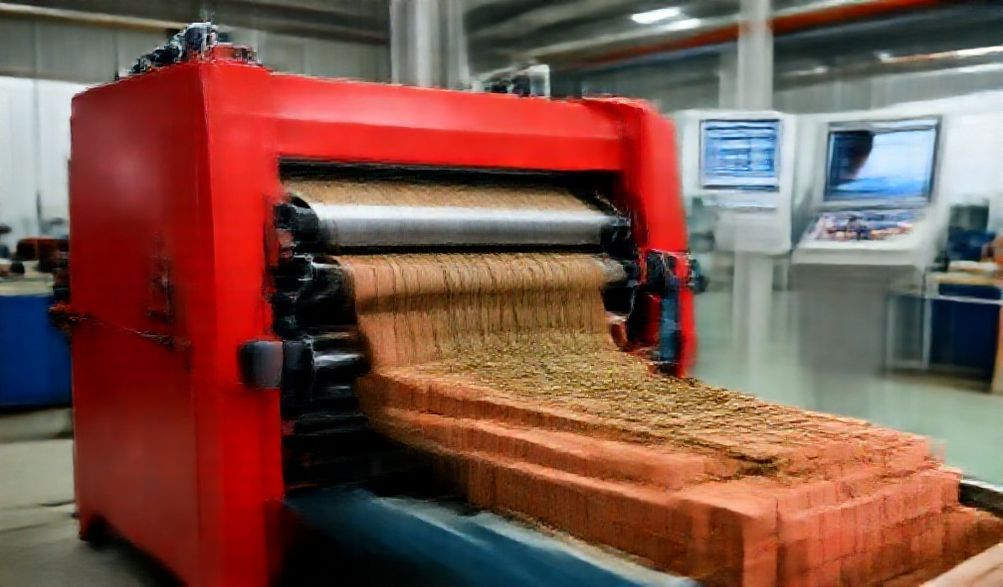
Саманды автоматты кірпіш жасау машинасы шикі саман немесе топырақты адамның ең аз араласуымен дайын, жоғары тығыздықтағы кірпішке айналдыратын біріктірілген механикалық жүйе болып табылады. Ол дәстүрлі кірпіш жасаудың әрбір сатысын—араластыру, қалыптау, кесу және жинау—синхрондалған, автоматтандырылған өндіріс желісімен алмастырады. Нәтижесінде өнімділік, біркелкілік және операциялық басқаруда айтарлықтай секіруге қол жеткізіледі.
Негізгі құрамдас бөліктері және оның жұмыс істеу принципі
Машина біртұтас бірлік ретінде жұмыс істейді, әрбір компонент маңызды рөл атқарады:
- Сазымен тамақтандырғыш және тасымалдағыш:Шикі сазды жүйеге үздіксіз беру үшін, оны әдетте бункер мен тасымалдау белдеуі арқылы жеткізіп, негізгі механизмге тұрақты қамтамасыз етеді.
- Араластыру және ауасыздандыру камерасы:Мұнда балшық судың белгіленген мөлшерімен араластырылады. Ең бастысы, көптеген жоғары технологиялық машиналарда авакуумды ауасыздандыру экструдеріБұл компонент сазды қоспадағы ауа қабаттарын жояды, бұл кірпіштің тығыздығын, беріктігін және ауа-райы әсеріне төзімділігін айтарлықтай арттырады.
- Экструзия және қалыптау жүйесі:Одан кейін біртекті және ауасы алынған саз қажетті пішінді қалып (немесе қалып) арқылы жоғары қысыммен өткізіледі. Бұл соңғы кірпіштің дәл профилімен (қатты, қуыс, т.б.) саздың үздіксіз бағанын құрайды.
- Автоматты кесу жүйесі:Қалыптан шыққан сазды бағананы автоматты кескіш құрылғы—сым немесе пышақтарды пайдалана отырып—дәл және біркелкі өлшемдегі жеке кірпіштерге кеседі.
- Стектеу және тасымалдау жүйесі:Роботтық қолдар, көтергіштер немесе конвейер таспалары жасыл (күйдірілмеген) кірпіштерді автоматты түрде жинап, оларды кептіру алаңы мен пешке тасымалдау үшін паллеттерге немесе арбаларға жинайды.
- PLC Басқару Панелі:Операцияның миы. Бұл бағдарламаланатын логикалық басқару қондырғысы операторларға параметрлерді орнатуға, бүкіл процесті бақылауға, мәселелерді диагностикалауға және тұрақты, қайталанатын өндіріс циклдарын қамтамасыз етуге мүмкіндік береді.
Дәстүрлі әдістермен салыстырғандағы негізгі артықшылықтар
- Күрт ұлғайған өнімділік:Сағат сайын бірнеше жүз қол еңбегімен салыстырғанда мыңдаған біркелкі кірпіштер өндіру.
- Үздіксіз Сәйкестік:Әрбір кірпіштің өлшемі, тығыздығы және беті бірдей, бұл сапалы құрылысқа және құрылыс алаңындағы қалдықтарды азайтуға әкеледі.
- Еңбек шығындары мен жүктемені азайту:Жартылай автоматтандырылған бір желі 3-5 операторды қажет етеді; ал толық автоматтандырылған зауыт тек 2-3 бақылаушыны талап етеді, бұл еңбек шығындарын айтарлықтай төмендетіп, ауыр жұмысты жояды.
- Материалдық тиімділік:Экструзия және кесу процесін дәл басқару балшықтың ысырапталуын азайтып, шикізатты тиімді пайдалануды қамтамасыз етеді.
- Өнімнің көпқырлылығы:Қалыпты өзгерту арқылы бір машина әртүрлі өнімдерді—қаттайтын кірпіштер, кеуекті блоктар, тесікті кірпіштер немесе тротуар тақталарын—өндіре алады, бұл нарықтық сұранысқа бейімделуге мүмкіндік береді.
Автоматты кірпіш жасау машиналарының түрлері
Барлық автоматты машиналар бірдей емес. Олар автоматтандыру деңгейіне, шығарылым қуатына және өнім түріне қарай жіктеледі.
Classification by Automation Level
- Жартылай автоматты машиналар: Ideal for entry-level automation. Key processes like extrusion and cutting are automated, but tasks like feeding raw material or removing and stacking bricks may require manual intervention. They offer a balance between cost and productivity increase.
- Толық автоматты машиналар: Represent the pinnacle of efficiency. From feeding raw clay to palletizing finished bricks, the entire process is automated via integrated conveyors and robotic handlers. They require a higher initial investment but deliver the lowest operational cost per brick and maximum output.
Classification by Production Output
- Small-Scale Machines: Perfect for startups, rural projects, or local builders. Production capacities typically range from 1,000 to 5,000 bricks per hour (BPH). They are more compact and require less capital.
- Medium-Scale Machines: Suited for growing businesses and dedicated brick manufacturing units. Capacities range from 5,000 to 15,000 BPH. They offer a robust balance of output and investment.
- Large-Scale Industrial Plants: Designed for high-volume production, often exceeding 20,000 BPH. These are complete, custom-engineered factories with integrated clay preparation, automated handling, and tunnel kilns.
Classification by Brick Type Produced
- Қатты Кірпіш Машиналары: Produce dense, high-strength bricks for foundational and load-bearing work.
- Hollow Brick Machines: Create bricks with cavities, offering advantages in thermal insulation, reduced weight, and material savings. Highly popular in modern construction.
- Perforated Brick Machines: Produce bricks with small, patterned holes, excellent for ventilation and lighter structures.
- Paver & Special Shape Machines: Utilize specialized molds to produce interlocking pavers, landscaping blocks, and decorative architectural elements.
Сатып алмас бұрын ескеруге болатын маңызды факторлар
A successful purchase hinges on thorough self-assessment and technical due diligence.
Assessing Your Needs: Production Capacity & Brick Type
- Қажетті шығысты есептеу Analyze your current sales, project pipeline, and growth goals. Calculate your average daily brick requirement. Choose a machine whose capacity exceeds this by 20-30% to allow for growth and maintenance downtime.
- Define Your Product Mix: Research your local market. Is there higher demand for hollow blocks for housing or solid bricks for infrastructure? Your primary product will dictate the necessary mold type and machine pressure specifications.
Machine Specifications and Features Deep Dive
- Motor Power & Energy Consumption: Higher horsepower (HP) motors handle tougher clay and higher outputs but consume more electricity. Seek an efficient balance. Inquire about the machine’s kW/hour consumption at full load.
- Гидравликалық жүйе: This is the muscle. A reliable, high-pressure hydraulic system ensures consistent brick density and smooth operation. Ask about the brand of pumps and valves—reputable components mean fewer breakdowns.
- Mold & Wear Parts Quality: The mold and cutting wires are consumable parts. Insist on molds made from hardened, chromed steel for longevity. Understand the cost and local availability of replacement parts.
- Басқару жүйесі: A user-friendly PLC touchscreen is invaluable for operators. It should allow easy adjustment of cutting length, pressure, and speed, and provide basic fault diagnostics.
Clay Preparation Requirements
The machine is only as good as the raw material fed into it. Clay preparation is non-negotiable.
- Clay Quality: The clay must be reasonably free of stones, organic matter, and oversized lumps. Consistent moisture content is critical for smooth extrusion.
- Ancillary Equipment: Budget for and plan the installation of:
- A clay crusherнемесеdisintegrator to break down raw material.
- A double-shaft mixer to homogenize clay and water.
- Feeding conveyors to link the preparation area to the main machine.
Cost Analysis and Return on Investment (ROI)
Viewing the machine as a capital investment with a clear ROI is essential.
Breaking Down the Investment
- Machine Purchase Price: This varies widely ($15,000 to $200,000+) based on automation level, capacity, and manufacturer origin. Get detailed, itemized quotations.
- Shipping, Installation & Commissioning: Factor in international freight, customs duties, and the cost of a technician to install and commission the machine on-site.
- Ancillary Equipment & Setup: Don’t forget the cost of clay preparation machinery, a solid concrete foundation, and electrical/utility hookups.
Operational Costs vs. Savings
- Costs: Regular expenses include electricity, routine maintenance, spare parts (wires, molds, hydraulic oil), and a small skilled labor wage.
- Savings: These are where the machine shines:
- Еңбек үнемдеу Reducing a 20-person manual team to a 3-person automated crew.
- Material Savings: 5-10% less clay waste due to precision.
- Quality Premium: Consistent, high-quality bricks can command a better market price and reduce rejection rates.
Calculating Your Potential ROI
Simplified ROI Framework:
- Total Annual Savings: (Labor Cost Saved + Material Cost Saved + Quality Revenue Increase)
- Total Annual Operational Cost: (Power + Maintenance + Spare Parts + New Labor Cost)
- Annual Net Profit: (Step 1 – Step 2)
- ROI Period (Years): (Total Machine + Setup Investment) / (Annual Net Profit)
Мысал: If your total investment is $50,000 and your annual net profit from the machine is $25,000, your payback period is 2 years. After that, the profit significantly contributes to your bottom line. High utilization and efficient operation dramatically accelerate ROI.
Installation, Operation, and Maintenance Best Practices
Protect your investment with proper setup and care.
Site Preparation and Proper Installation
- Foundation: Pour a level, reinforced concrete foundation as per the manufacturer’s drawings. This absorbs vibration and prevents misalignment.
- Ғарыш: Ensure ample space for the machine, clay storage, drying area, and material flow. Include room for safe operator movement and maintenance access.
- Utilities: Guarantee a stable, adequately rated power supply and access to water for clay mixing.
Training Operators for Safety and Efficiency
Never operate the machine with untrained personnel. Insist on comprehensive training from your supplier, covering:
* Safe startup and shutdown procedures.
* Daily operation and parameter adjustments.
* Basic troubleshooting and safety lock-out protocols.
Essential Routine Maintenance Schedule
- Күнделікті Clean the machine, check hydraulic oil levels and for leaks, inspect cutting wires, and lubricate guide rails.
- Апталық: Tighten all bolts and nuts (vibration can loosen them), check electrical connections, and clean sensors.
- Ай сайын: Inspect molds for wear, change hydraulic filters as recommended, and perform a full system check.
- Keep a Log: Document all maintenance and part replacements to predict future needs.
FAQ: Your Questions About Clay Automatic Brick Machines Answered
Q1: What is the average production capacity of a standard automatic brick machine?
There’s no single “standard.” Small machines start around 2,000 BPH, medium-capacity models range from 8,000-12,000 BPH, and large industrial lines can exceed 25,000 BPH. Your needs define the standard.
Q2: Can these machines use different types of soil or clay?
Yes, but with conditions. The machine can process various clays and shale. However, the soil must be properly prepared (crushed, screened, and mixed) to a consistent plasticity. Extremely sandy or gravelly soil may not be suitable without additive binders.
Q3: How much manpower is required to operate a fully automatic machine?
Typically, 2-3 people: one to monitor the control panel and ensure clay supply, and others to manage the stacking/palletizing output and perform quality checks.
Q4: What is the typical lead time and warranty for such machinery?
Lead times vary from 30 days for standard models to 90+ days for large custom plants. A reputable manufacturer should offer a 12-month warranty on core parts, excluding wear items like cutting wires.
Q5: Are there financing options available for these machines?
Many established manufacturers and their local dealers offer financing plans or can guide you to equipment financing partners. Bank loans for productive machinery are also a common route.
Q6: How do I find a reliable supplier or manufacturer?
* Look for companies with a long track record (10+ years).
* Request and actually contact client references, preferably in a similar region.
* Ask for detailed videos of their machine running in a real factory.
* Verify their after-sales service network and spare parts availability in your country.
* If feasible, visit their factory or a local installation.
Conclusion: Building a Sustainable and Profitable Future
The transition to a саздан автоматты кірпіш жасау машинасы is more than an equipment upgrade; it’s a strategic decision to future-proof your business. It systematically addresses the core challenges of quality, cost, and scale, transforming brick production from an artisanal craft into a modern, efficient manufacturing process.
Use this guide as the foundation for your research. Move forward with due diligence: obtain multiple quotations, scrutinize technical specifications, and insist on speaking to existing customers. The right machine is a partner for growth for decades to come. The industry continues to evolve with trends like IoT-based machine monitoring for predictive maintenance and even more energy-efficient drives.
Take the next step. Contact reputable manufacturers with your specific production requirements and request a detailed proposal. The path to higher efficiency, superior quality, and greater profitability begins with a single, informed decision.
<