
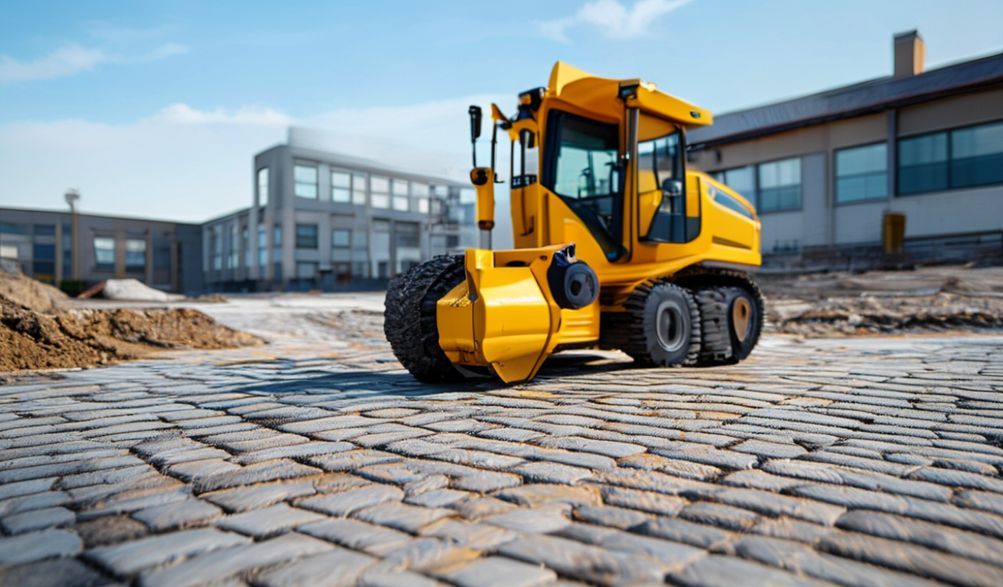
ФУДА Кірпіш Жасау Зауытының ішінде: Тротуарлық кірпіш төсеу машиналары туралы жан-жақты нұсқаулық
Кіріспе
Қала алаңдарының шулы қызғанынан бастап, бақ жолдарының тыныштығына дейін, берік және эстетикалық жағынан жағымды қатты ландшафттарға деген әлемдік сұраныс ешқашан болмағандай жоғары. Бұл сұраныс құрылыс саласын сапасын төмендетпей, жоба мерзімдерін орындау үшін ақылдырақ, жылдамырақ және сенімді әдістер іздеуге мәжбүрлейді. Ондаған жылдар бойы, кірпіш қолмен төсеудің ауыр және уақытты қажет ететін процесі маңызды тосқауыл болып келді.
Мәселелер белгілі: жұмыс көлемінің жоғарылығы, нәтижелердің тұрақсыздығынан туындайтын қайта шақырулар, еңбек шығындарының өсуі, сондай-ақ ауа-райы мен жұмыс күшінің қолжетімділігіне байланысты жоба кешігулерінің болжамсыздығы. Бұл проблемалар түбегейлі шешімді талап етеді.
Төсеніш тақтасын төсеу машинасы пайда болды — бұл ландшафттық жобалар мен қала құрылысын түбегейлі өзгертетін технологиялық секіру. Бұл автоматтандыру қол еңбегін жай ғана ауыстырмай, сонымен қатар дәлдікті арттырады, жұмыс уақытын қысқартады және жоба экономикасын жаңа деңгейге көтереді. Бұл салада ерекше мамандандырылған өндірушілер жетекшілік етеді, олар блокты өндіру мен оны тиімді төсеу арасындағы үйлесімді жақсы түсінеді, мысалы, сияқты зауыттарФудаблок жасау машиналары экожүйесінде ерекшелену.
Бұл нұсқаулық салалық біліктілік, машина құралдарының техникалық талдауы және сенімді өндірістік процестерге кіріспе негізінде құрастырылған. Біздің мақсатымыз - келісімшартшыларға, ландшафттық сәулетшілерге, жоба менеджерлеріне және сатып алу мамандарына сенімді, білім беру ресурсын ұсынып, олардың негізделген шешімдер қабылдауына көмектесу.
Біз жан-жақты зерттеуге шығамыз: алдымен, тротуар плиткасын төсеу машиналарының артындағы технологияны түсіну арқылы, содан кейін FUDA сияқты зауыттың өндірістік шеберлігін қарастыру арқылы, және ақырында, сіздің бизнесіңізді ілгерілету үшін дұрыс жабдықты таңдауға арналған нақты құрылымды ұсыну арқылы.
Тротуар тақтасын төсеу машинасы дегеніміз не? Технологияны түсіну
Пәсап тақтасын төсеу машинасының негізінде, бұл механикаландырылған жабдық, дайындалған құм немесе ерітінді төсегіне пәсап тақталарын, плиталарын немесе блоктарын жоғары дәлдікпен және жылдамдықпен автоматты түрде алуға, орналастыруға және орнатуға арналған. Ол қолмен жүргізілетін, шеберлік талап ететін процесті құрылыс алаңында ұтымды, қайталанатын өндіріс желісіне айналдырады.
Негізгі функциясы және жұмыс істеу артықшылықтары
Негізгі функция тұжырымдамасы бойынша қарапайым, бірақ әсері терең: автоматтандырылған, дәлдікпен орналастыру. Пайдалар осы негізгі функциядан таралады:
- Айтарлықтай жылдамдықты арттыру:Машиналар күніне жүздеген шаршы метрлерді төсеп, білікті бригадаға күндер немесе апталар кететін жұмысты сағаттар ішінде аяқтай алады.
- Тамаша туралану және үлгілер:Жетілдірілген басқару жүйелері түзу сызықтарды, тамаша иілген сызықтарды және әр уақытта біркелкі, күрделі үлгілерді қамтамасыз етеді, адам қателіктерін жояды.
- Еңбек шығындары мен жүктеменің төмендеуі:Бұл машиналар әдетте тек 1-3 операторды қажет етеді, бұл еңбек шығындарын айтарлықтай төмендетіп, қолмен төсеудің ауыр физикалық жүктемесін жояды.
- Тұрақты буын аралығы:Плиткалар арасындағы біркелкі аралық автоматты түрде сақталады, бұл құрылымдық тұрақтылық пен көрнекі тартымдылық үшін өте маңызды.
Төсеу машиналарының негізгі түрлері
Нарық әрбір ауқым мен бюджетке арналған машиналарды ұсынады:
- Қолмен/Гидравликалық таратқыштар:Көбінесе кіру нүктесі. Бұл толық қабаттар емес, бірақ олар төсеніш құмын тиімді тарату және мүлдем тегіс бетке тегістеу үшін, қолмен немесе машинамен төсеуге дайындау үшін өте маңызды.
- Жартылай автоматты төсеушілер:Орта және ірі масштабты жобалар үшін ең кең таралған түрі. Оператор машинаны басқарады, бірақ әр көше тақтасын іріктеу, тасымалдау және орналастыру автоматтандырылған. Олар жылдамдық, үлгі икемділігі және құнды тамаша теңгерімді ұсынады.
- Толық автоматтандырылған кірпіш қалау роботтары:Үздік технологиялар. Бұл жүйелер көбінесе GPS-бағдарламалы, адамның минималды араласуымен жұмыс істей алады, аумақты картаға түсіреді және күрделі дизайндарды дәлдікпен орындайды. Әуежайлар немесе қоғамдық алаңдар сияқты ірі құрылыс жобалары үшін таптырмас.
Негізгі компоненттер және олардың жұмыс істеу тәсілі
Машинаның анатомиясын түсіну оның даму деңгейін ашады:
- Хоппер және конвейер жүйесі:Плиталар үлкен бункерге жүктеледі. Ішкі конвейер жүйесі, көбінесе дірілдеткіш бергіштермен жабдықталған, кірпіштерді бақыланатын, жеке ағынмен төсеу басына ақырын жылжытады.
- Бас және үлгі механизмін орнату:Бұл машинаның «қолы». Ол жеке тротуар тақталарын (вакуумдық шыныаяқтар, ұстағыштар немесе қысқыштар арқылы) алып, алдын ала белгіленген үлгі бойынша орналастырады. Ауыстырылатын бас бөліктер әртүрлі кірпіш пішіндері мен үлгілерін қолдануға мүмкіндік береді.
- Басқару жүйесі: This is the “brain.” It can be a simple physical stringline the machine follows, a laser reference system, or advanced GPS/Robotic Total Station (RTS) control for ultimate precision without physical guides.
- Power Unit and Mobility System: A diesel engine or electric motor provides hydraulic and electrical power. The machine moves on robust rubber tracks or wheels, providing stability and minimal ground pressure to protect the prepared base.
Inside the FUDA Block Making Factory: A Model of Manufacturing Expertise
When investing in heavy machinery, the manufacturer’s pedigree is as important as the machine’s specs. The ФУДА блок жасау зауыты represents a specialized segment within the global construction equipment industry, focusing on the complete cycle of concrete product creation and placement.
FUDA’s Role in the Construction Machinery Ecosystem
FUDA positions itself not just as a machine seller, but as a solutions provider for the concrete products industry. Their expertise typically spans:
* Machinery for producing concrete paving stones, curbstones, hollow blocks, and interlocking bricks.
* Complementary equipment for handling, curing, and ultimately, laying these products.
This holistic view means they understand the entire process, from raw material to finished pavement, allowing them to engineer laying machines that are perfectly compatible with the blocks their other equipment produces.
Engineering and Production Philosophy
A visit to a factory like FUDA reveals a philosophy built on practical durability:
- Robust Design for Heavy-Duty Use: Machines are engineered for continuous operation in demanding environments. This means over-engineered frames and components to withstand the stress of daily job site use.
- Integration of Reliable Systems: They prioritize proven, globally sourced hydraulic pumps, valves, and electrical components from reputable suppliers to ensure system reliability and easier servicing.
- Operator-Centric Design: Despite their ruggedness, controls are designed to be intuitive. Safety features—like emergency stops, protective guards, and clear visibility for the operator—are integral, not an afterthought.
Quality Assurance and Testing Protocols
Trust is built on consistency. Reputable manufacturers enforce rigorous protocols:
- Жөнелтуге дейінгі тестілеу: Every machine undergoes comprehensive testing under load. This includes stress tests, precision calibration of the laying head and guidance systems, and full operational cycles.
- Жоғары сапалы материалдар: The use of specific grades of steel for the frame, wear-resistant alloys in high-friction areas, and quality seals and bearings all contribute to the machine’s longevity and resistance to corrosion.
- Стандарттарға сәйкестік: Adherence to international machinery safety standards (like CE or similar) is a critical indicator of a manufacturer’s commitment to safety and quality control systems.
Key Features to Look for in a Paving Laying Machine (Including FUDA Models)
Evaluating a machine requires looking beyond the brochure. Here are the critical categories to assess, with attributes you would expect from a manufacturer like FUDA.
Performance Specifications
- Laying Speed: Measured in square meters per hour. A semi-automatic machine might range from 80 to 200+ sqm/hr depending on pattern complexity. Compare this to a manual crew’s output.
- Working Width & Pattern Flexibility: Can the machine’s laying head be adjusted or changed to accommodate different project widths and patterns (herringbone, basket weave, circle kits)?
- Paver Compatibility: What is the range of paver thicknesses (e.g., 50-100mm) and sizes (e.g., 100x200mm to 300x300mm) it can handle? Versatility is key.
Durability and Design
- Frame & Protection: Look for a welded, box-section steel frame. Critical is the quality of the corrosion protection—is it a basic paint or a durable powder coating or galvanization?
- Component Quality: Ask about the brands of the core components: hydraulic pumps (e.g., Bosch Rexroth, Kawasaki), motors, and bearings. Recognizable brands often mean better reliability and easier part sourcing.
- Serviceability: Are grease points, filters, and daily check components easily accessible? Is there a clear maintenance manual? Good design minimizes downtime.
Operational Efficiency
- Қуат параметрлері: Diesel is standard for mobility, but some sites may prefer electric options for indoor use or emissions-sensitive areas. Fuel efficiency impacts running costs.
- Manoeuvrability: Tracked systems offer better traction and lower ground pressure. Consider the machine’s turning radius and transport dimensions—will it fit on your trailer?
- Басқару жүйесі: The control panel should be logical, possibly multi-lingual, and offer clear diagnostics. The level of automation (e.g., automatic paver feeding, pattern correction) directly affects operator workload and speed.
Practical Applications: Where Are These Machines Used?
The application of paving layers is vast, covering projects of all scales.
Municipal and Large-Scale Civil Projects
This is where the highest productivity machines shine. They are essential for:
* Paving large public squares and pedestrian precincts.
* Constructing durable surfaces in parks and along boulevards.
* Installing road shoulders, bus lanes, and parking areas for public infrastructure.
Commercial and Industrial Landscaping
Here, the return on investment is quickly realized through speed and scale:
* High-traffic parking lots for shopping malls, offices, and hospitals.
* Heavy-duty pavements for warehouse aprons and logistics yards.
* Entrances and driveways for commercial buildings requiring a professional finish.
Residential and High-End Landscaping
While smaller in scale, precision and efficiency are still paramount:
* Efficient installation of patios, pool decks, and elaborate garden pathways.
* Laying driveways with complex patterns or on challenging slopes.
* For landscaping companies, owning a smaller machine can be a competitive differentiator, allowing them to bid on larger projects.
Making the Investment: Cost-Benefit Analysis and Selection Guide
Purchasing a paving layer is a significant capital expenditure. A structured analysis ensures it’s a strategic growth decision, not just an equipment purchase.
Total Cost of Ownership (TCO) Analysis
Look beyond the sticker price:
* Initial Purchase vs. Long-Term ROI: Calculate the labor savings per project. How many projects will it take for the machine to pay for itself? The ROI is often surprisingly fast on high-volume work.
* Operating & Maintenance Costs: Factor in fuel, routine maintenance (filters, grease), and the expected lifespan of wear parts. A slightly more expensive machine with lower running costs may be cheaper over 5 years.
* Dealer Support: The availability and cost of spare parts, and the proximity of qualified service technicians, are crucial parts of the TCO equation. Downtime is lost revenue.
How to Choose the Right Machine for Your Business
Follow this decision framework:
1. Assess Your Project Portfolio: Are you mostly doing small residential driveways or large commercial lots? Your typical project scale dictates the machine size and capability you need.
2. Prioritize After-Sales Support: The best machine is useless if it breaks down and you can’t get it fixed. Investigate the dealer’s or manufacturer’s service network, warranty terms, and training offerings.
3. Demand Proof of Performance: Always request to see the machine in action, either via video demos, site visits to current users, or detailed case studies. Talk to other contractors who use the brand.
Why Manufacturer Reputation (Like FUDA’s) Matters
In heavy machinery, reputation is a tangible asset. It represents:
* Trust in Consistency: A known manufacturer delivers predictable quality across units and over time.
* Stability for Support: You need assurance the company will exist in 10 years to supply parts and technical advice.
* Validation Through Reputation: Client testimonials, longevity in the market, and a focus on block making machinery specifically are strong indicators of specialized expertise you can rely on.
Жиі қойылатын сұрақтар (ЖҚС)
Q1: What is the average output of a semi-automatic paving brick laying machine?
A: Output varies greatly by model, pattern complexity, and site conditions. A realistic range for a semi-automatic machine is 200 to 600 square meters per 8-hour day. This can be 5 to 10 times faster than a highly skilled manual crew, with superior consistency.
Q2: Can one machine handle different paver shapes and patterns?
A: Yes, most modern machines are designed for versatility. They often feature interchangeable laying heads or adjustable gripper systems to accommodate various standard shapes (rectangular, square, fan-shaped) and set popular patterns like herringbone or stretcher bond. However, extremely custom or irregular shapes may require specialized tooling.
Q3: How does a factory like FUDA ensure the reliability of its machines?
A: Reliability is engineered through a multi-step process: 1) Design using durable materials and proven component brands, 2) In-process Quality Control during assembly, and 3) Rigorous Final Testing, where every machine is run under load to simulate job site conditions before it leaves the factory, ensuring it meets performance specifications.
Q4: What is the typical learning curve for operators?
A: For basic straight-line laying, a competent operator can become proficient within a few days. Mastering complex patterns, machine maintenance, and troubleshooting may take a few weeks of hands-on experience. A reputable supplier should provide comprehensive on-site operator training with the purchase to ensure you get up to speed quickly and safely.
Q5: Are there financing or rental options available for this equipment?
A: Absolutely. Many authorized dealers and manufacturers directly offer financing plans or leasing options to help manage cash flow. Short-term rental is also an excellent strategy for a one-off large project or to “test-drive” a machine before committing to a purchase. Always inquire about these options during your procurement discussions.
Қорытынды
The paving brick laying machine represents a fundamental shift in the hardscaping industry, moving from a labor-intensive craft to a technology-driven production process. The benefits are clear: unprecedented speed, flawless precision, significant cost savings, and the ability to tackle larger, more complex projects with confidence. This transformation makes such equipment not merely a purchase, but a strategic investment in your company’s future capacity and competitiveness.
Crucially, the value of this investment is inextricably linked to the source. Choosing machinery from an experienced, authoritative manufacturer with a deep understanding of the block making and laying process—like the FUDA block making factory—provides a foundation of trust. It ensures you are getting equipment built on engineering expertise, backed by rigorous manufacturing standards, and designed for real-world durability and performance.
Your next step is to move from research to action. We encourage you to:
* Contact authorized dealers for detailed specifications, transparent pricing, and tailored quotes for your business needs.
* Request video demonstrations or performance data sheets for specific models that match your project profile to see the technology in action.
* Consult with industry peers who have already adopted this technology. Their firsthand insights on productivity gains, reliability, and support are invaluable.
By prioritizing both advanced technology and reputable manufacturing, you are paving the way for your business’s success, one perfectly laid square meter at a time.
<