
Кіріспе
Құрылыс материалдарымен қамтамасыз етудің бәсекелестік саласында, кірпіш өндірісін механикаландыруды стратегиялық түрде енгізу кәсіпорындар үшін түбегейлі өзгеріс болып табылады. Дистрибьюторлар, дилерлер және сатып алу мамандары үшін кірпіш жасау машиналарының көп қырлы артықшылықтарын айқындау жай ғана сату тактикасы емес; бұл клиенттерге қосымша құнды кеңес берудің негізгі құрамдас бөлігі болып табылады.
I. Негізгі Артықшылықтар: Операциялық және Экономикалық Трансформация
Кірпіш машиналарына инвестиция салудың негізгі ынталандырушысы оның кәсіпорынның негізгі операциялары мен экономикалық өміршеңдігіне тікелей және өлшенетін әсерінде жатыр.
А. Өндірістік тиімділік пен масштабтаудағы ешқандай теңдесі жоқ
Механикаландыру шығарылым әлеуетін түбегейлі қайта анықтайды.
- Көрсеткіштік шығару өсімі:Бір жартылай автоматты машина бір сағатта қол еңбекшілер тобына бүкіл күн керек болатын өнімді шығара алады. Өндіріс уақытының осы күрт қысқаруы кәсіпорындарға үлкен тапсырыстарды орындауға, бірнеше жобаны бір мезгілде қабылдауға және еңбек күшін сызықты арттырмай-ақ нарықтық сұранысты қанағаттандыру үшін операцияларын кеңейтуге мүмкіндік береді.
- Тұрақты Өткізу Қабілеті:Қол еңбегі шаршау мен өзгергіштікке ұшырайтын болса, машина тұрақты, калибрленген жылдамдықпен жұмыс істейді. Бұл болжамдылық дәл өндірістік жоспарлауға, тұтынушылар үшін сенімді жеткізу мерзімдеріне және тиімді қорларды басқаруға мүмкіндік береді, бұл кәсіби жеткізу бизнесінің негізін құрайды.
- Масштабталу жолдары:Машина жасау өндірісі өсу үшін айқын жолдар ұсынады. Кәсіпорын жартылай автоматтандырылған модельден бастап, кейін толық автоматтандырылған желілерге көшуі немесе қосымша жабдықтарды (автоматты араластырғыштар, жинақтағыштар) қосуы мүмкін. Бұл модульдік масштабталу бастапқы инвестицияны қорғайды және бизнес өсіміне сәйкес келетін капиталдық шығындарды жүзеге асыруға мүмкіндік береді.
Өндіріс шығындарының күрт төмендеуі және пайдалылықтың артуы
Механикаландырудың экономикалық аргументі, негізінен, шығындар құрылымын қайта құру арқылы әлдеқайда сенімді болып табылады.
- Еңбек шығындарын оңтайландыру:Машиналарды жүргізу және техникалық қызмет көрсету үшін білікті техниктер қажет болса да, өндірілген мың бірлікке шаққандағы жалпы еңбек күші қажеттілігі айтарлықтай төмендейді. Бұл еңбекті үлкен, ауыспалы шығыннан кішірек, білікті және тұрақты шығынға айналдырып, жалпы маржаны айтарлықтай жақсартады.
- Материалдық тиімділік пен қалдықтарды азайту:Дәлдікпен қоректендіру және тығыздау жүйелері әрбір бірлікте шикізаттың дәл қажетті мөлшері болуын қамтамасыз етеді. Бұл қолмен жүргізілетін процестерде жиі кездесетін артық пайдалану мен төгілуді жояды. Күнделікті мыңдаған бірлік өндіретін кәсіпорындар үшін бұл дәлдік цемент, агрегаттар және басқа да материалдар бойынша айтарлықтай тікелей үнемдеуге әкеледі.
- Өлшемдік үнемдеу:Машиналар арқылы жоғары көлемді өнім шығару бірлікке келетін тұрақты шығындарды (мысалы, әкімшілік, объект құны) азайтады. Сонымен қатар, ол көлемдік шикізатты сатып алу күшін нығайтады, бұл өз кезегінде өндірілген тауарлардың өзіндік құнын (ӨҚ) одан әрі төмендетіп, баға бойынша бәсекеге қабілеттілікті арттырады.
C. Өнімнің жоғары сапасы мен біркелкілігі
Бұл жеткізушіні жалдаушылар мен әзірлеушілер үшін қарапайым сатушыдан сенімді серіктеске айналдыратын маңызды артықшылық болып табылады.
- Өлшемдік дәлдік және тұрақтылық:Әрбір өндірілген кірпіш немесе блок алдыңғысының дерлік тамаша көшірмесі болып табылады. Бұл біркелкілікті қолмен үнемді түрде қол жеткізу мүмкін емес. Дәл өлшемдер (ұзындық, ені, биіктігі) кірпіш қалау процесін жеңілдетеді, ерітіндінің қолданылуын азайтады және құрылымдық тұрғыдан берік, эстетикалық жағынан жағымды қабырғаларды қалыптастырады.
- Басқарылатын физикалық қасиеттер:Гидравликалық қысым мен діріл өнімдердің белгіленген қысу күші, тығыздығы және су сіңіру деңгейін қамтамасыз ету үшін дәл реттеледі. Бұл өндірушілерге ұлттық және халықаралық құрылыс стандарттарын үнемі орындауға немесе одан асуға мүмкіндік береді, сонымен қатар техникалық талаптары қатаң мемлекеттік тендерлер мен ірі коммерциялық жобаларға жол ашады.
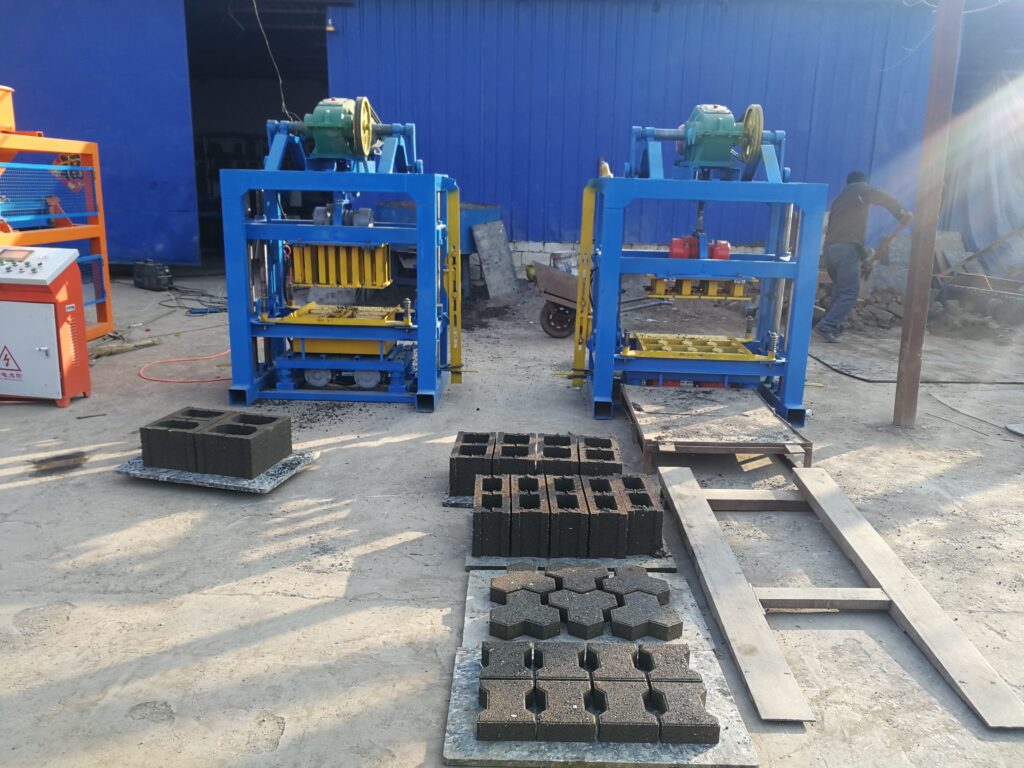
- Өнімдер ассортименті мен универсалдылығының кеңейтілуі: With interchangeable molds, a single machine can produce a diverse portfolio: standard hollow blocks, solid bricks, paving stones, interlocking blocks, and decorative landscaping products. This versatility allows a producer to respond dynamically to market trends and customer requests without major capital reinvestment.
II. Strategic Business and Market Advantages
Beyond the factory floor, brick machinery confers significant strategic benefits that strengthen a business’s market position.
A. Supply Chain Control and Business Independence
Owning production capacity is a powerful strategic move.
- Mitigation of Supply Chain Volatility: Businesses are no longer at the mercy of third-party suppliers’ pricing, availability, or delivery schedules. This independence is invaluable in times of market scarcity or logistical disruptions, ensuring the business can continue to serve its own clients reliably.
- Control over Lead Times and Scheduling: In-house production allows for complete control over the manufacturing schedule. Urgent orders can be prioritized, and production can be planned around raw material deliveries and customer commitments, dramatically improving customer service levels.
- Brand Development and Proprietary Products: A company can develop its own branded line of blocks or specialize in unique, custom-designed products (e.g., specific textures, colors, or shapes). This moves competition away from price alone and towards value-added, branded differentiation.
B. Competitive Positioning and Market Responsiveness
Mechanization equips a business to compete effectively in a dynamic market.
- Competitive Pricing Power: Lower per-unit production costs allow a business to offer aggressive yet profitable pricing, capturing market share. Alternatively, it can maintain market-level pricing and enjoy superior profit margins.
- Ability to Handle Large-Scale Tenders: Public infrastructure projects, large housing developments, and commercial complexes require massive quantities of guaranteed, consistent-quality materials. Only machine-based production can reliably fulfill such contracts, making this a prerequisite for entering the high-volume project space.
- Rapid Response to Market Opportunities: The ability to quickly ramp up production or switch product lines allows a business to capitalize on emerging trends, such as a sudden demand for specific paving stones or eco-friendly blocks, before competitors reliant on external supply can react.
III. Societal and Environmental Impact Advantages
Modern brick machinery also aligns with broader global trends towards sustainability and social responsibility, which can be leveraged as a market advantage.
A. Environmental Sustainability and Resource Efficiency
- Utilization of Alternative Materials: Many machines can efficiently incorporate industrial by-products like fly ash, slag, or recycled construction and demolition waste into the production mix. This reduces the environmental footprint, minimizes landfill use, and can lower material costs.
- Energy-Efficient Production: Compared to traditional fired clay brick kilns, which are extremely energy-intensive, modern hydraulic pressing for concrete or stabilized earth blocks requires significantly less energy per unit, primarily for compaction and curing.
- Localized Production: Mobile or local stationary production reduces the carbon emissions associated with long-distance transportation of heavy building materials from centralized plants to dispersed construction sites.
B. Socio-Economic Contributions
- Entrepreneurship and Job Creation: While reducing unskilled labor, brick machinery fosters skilled employment in machine operation, maintenance, quality control, and business management. It empowers local entrepreneurs to build manufacturing businesses.
- Supporting Affordable Housing: The efficiency and cost-reduction benefits contribute to lowering the overall cost of construction, which is a critical factor in addressing the global need for affordable, quality housing.
- Dignified and Safer Working Conditions: Mechanization moves workers away from the repetitive strain injuries and dust exposure of manual molding and mixing into more supervisory, technical, and less physically taxing roles, improving workplace safety and job satisfaction.
Қорытынды
The advantages of integrating brick making machinery into a construction materials business are profound and multi-layered. For the B2B professional, these benefits form a compelling narrative that speaks directly to the core aspirations of clients: greater profitability, operational control, market competitiveness, and sustainable growth.
The transition to mechanized production is not merely an equipment purchase; it is a strategic business decision that redefines a company’s capabilities. From the foundational gains in efficiency, cost reduction, and quality control to the strategic empowerment of supply chain independence and market agility, the machine becomes the engine of transformation. Furthermore, its role in promoting environmentally conscious production and socio-economic development adds a layer of value that resonates in today’s market.
Therefore, when advising distributors, dealers, and procurement teams, the conversation must elevate from technical specifications to a holistic discussion on business transformation. By comprehensively articulating this cascade of advantages—economic, strategic, and societal—you position yourself not just as a supplier of machinery, but as a pivotal partner in building your clients’ futures, one precise, profitable block at a time.
Жиі қойылатын сұрақтар (ЖҚС)
Q1: We are a small contractor. Isn’t a brick machine an overinvestment for our scale?
A: Not necessarily. The market offers a range of machines, including smaller, mobile “egg-laying” models or compact semi-automatic units specifically designed for small to medium-sized enterprises (SMEs) and contractors. The key is a detailed ROI analysis. For a contractor regularly using blocks, the savings on purchased materials, combined with the ability to produce on-demand for your own projects and sell surplus to others, can lead to a rapid payback period and significantly improved project margins.
Q2: How does machine-made quality directly benefit our end-client, the builder or developer?
A: The benefits are direct and tangible for the builder:
- Жылдам құрылыс: Uniform blocks lay faster and with less adjustment.
- Reduced Material Waste: Precise dimensions minimize cutting and reduce mortar waste.
- Predictable Structural Performance: Certified, consistent strength ensures the built structure meets engineering specifications.
- Superior Aesthetic Finish: Even walls and uniform joints enhance the final appearance of the building. This makes your product a productivity tool for the builder, not just a commodity.
Q3: Does adopting a brick making machine make our business more resilient to economic downturns?
A: Yes, it can enhance resilience in several ways. First, lower production costs provide a better margin buffer to withstand price pressures. Second, the ability to diversify your product line quickly allows you to pivot to market segments that may remain active (e.g., landscaping products during a housing slowdown). Third, control over your core supply insulates you from the financial instability of external suppliers.
Q4: Are the environmental benefits of using a brick machine a significant market differentiator?
A: Increasingly, yes. “Green” building practices are driven by regulations, certification systems (like LEED), and consumer demand. The ability to produce blocks with high recycled content, lower embodied energy, and through a localized supply chain is a powerful marketing tool. It can qualify projects for incentives and appeal to environmentally conscious developers, governments, and homeowners, creating a distinct competitive edge.
Q5: What is the single most underrated advantage of owning a brick machine?
A: Data and Process Control. Mechanized production generates data—output rates, block counts, downtime cycles. This allows for precise business planning, accurate job costing, and identification of inefficiencies. It transforms production from an artisanal activity into a managed, optimized industrial process, providing business intelligence that is crucial for strategic growth and continuous improvement.

