A Comprehensive Analysis of Block Making Machine Costs
Foundational Cost Drivers: Machine Type and Configuration
The single greatest determinant of cost is the type of machine, defined by its level of automation, intended production scale, and mechanical sophistication.
The Spectrum of Capital Investment
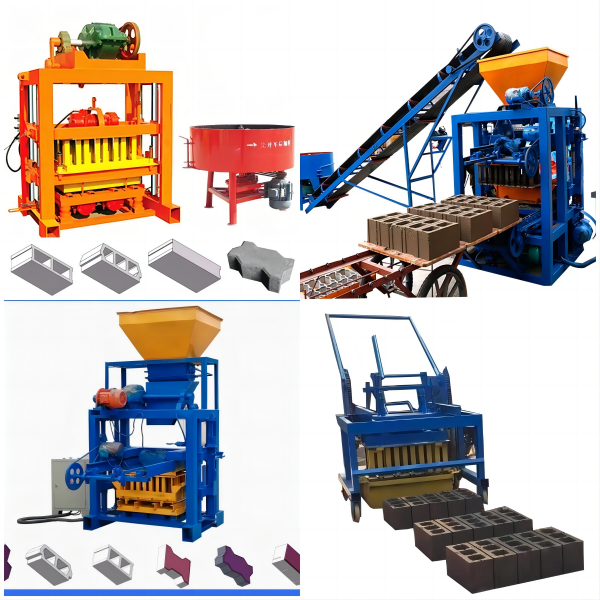
1. Manual and Semi-Automatic Machines
- Баға диапазоны: $3,000 – $5,000
- Сипаттама: These are entry-level machines requiring significant operator involvement for feeding mix, placing pallets, and removing finished blocks. They are often static or small mobile units.
- Cost Drivers: Build quality (mild steel vs. reinforced frames), motor power, and inclusion of basic vibration systems. A simple manual egg-layer machine is at the lowest end, while a semi-automatic static machine with a hydraulic press and conveyor represents the higher end of this range.
- Typical Buyer: Start-up entrepreneurs, small-scale builders producing for their own projects, and businesses in markets with lower labor costs.
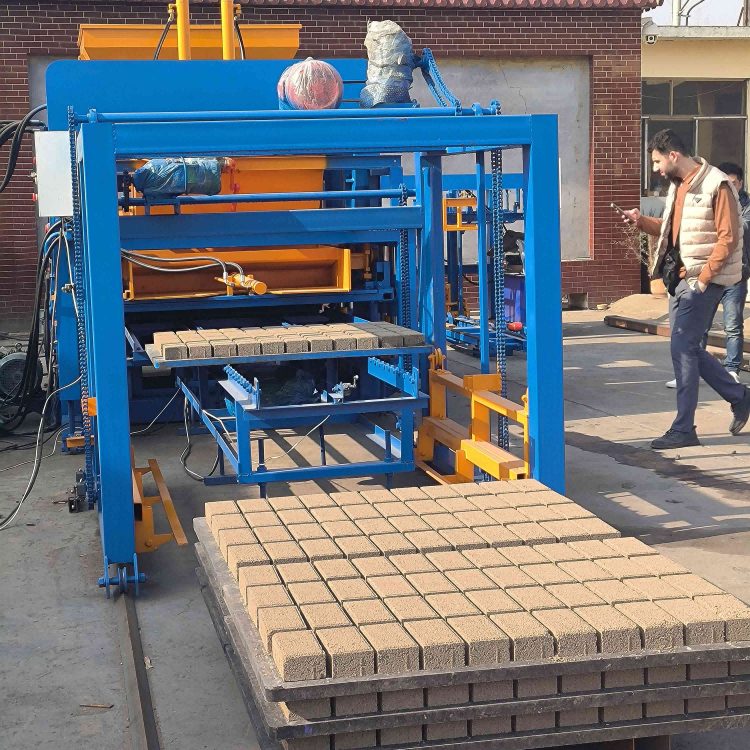
2. Fully Automatic Stationary Machines
- Баға диапазоны: $5,000 – $12,000+
- Сипаттама: The workhorses of the commercial block manufacturing industry. These machines automate the entire cycle—feeding, compaction, molding, and ejection—and are controlled by a Programmable Logic Controller (PLC). Output can range from 1,000 to over 5,000 blocks per 8-hour shift.
- Cost Drivers:
- Өндірістік қуат: Blocks per hour is a primary cost escalator.
- Гидравликалық жүйе: Quality of pumps, valves, and controls.
- Control Sophistication: Touchscreen HMIs, recipe storage, and diagnostic functions.
- Mold Flexibility: Quick-change mold systems add significant value and cost.
- Build Materials: Use of High-Strength Low-Alloy (HSLA) steel and hardened tool steel for wear parts.
- Typical Buyer: Established block yards, medium to large-scale construction material suppliers, and entrepreneurs targeting regional distribution.
3. High-Capacity Production Lines and Specialized Systems
- Баға диапазоны: $12,000 – $50,000+
- Сипаттама: These are not just machines, but integrated manufacturing systems. They include the core block maker synchronized with automated pallet feeders, concrete mixers, block stackers/counters, and transfer cars. Specialized systems for producing Insulated Concrete Forms (ICFs), high-precision paving stones, or interlocking blocks also fall into this tier.
- Cost Drivers: Degree of integration, brand of robotic components, sophistication of material handling software, and custom engineering requirements.
- Typical Buyer: Large industrial plants, multinational construction product manufacturers, and investors setting up turnkey factories for major infrastructure markets.
Beyond the Machine: The Complete Cost Framework
The invoice for the machine itself is merely the first layer of expenditure. A comprehensive financial assessment must include all ancillary and operational costs.
Initial Capital Outlay (CAPEX)
- Машинаның базалық бағасы: As defined by the type and configuration above.
- Shipping, Logistics, and Insurance: Can range from 5% to 15% of the machine price, heavily influenced by distance, container costs, and origin country. Oversized or complete production lines require specialized shipping.
- Installation and Commissioning: Includes foundation preparation (reinforced concrete slab), electrical hookup (often requiring three-phase power), alignment, and calibration. Professional commissioning by a factory technician ensures optimal start-up and is highly recommended. This can cost $2,000 – $20,000+.
- Initial Spare Parts and Tool Kit: A mandatory investment. Includes a set of common wear parts (seals, filter elements, spare vibrator motors) and specialized tools for maintenance.
- Essential Auxiliary Equipment: The machine cannot operate in isolation. Necessary additions include:
- Бетон араластырғыш: $5,000 – $50,000 (pan mixer vs. planetary mixer vs. continuous mixer).
- Pallet Inventory: Hundreds or thousands of wooden or steel pallets ($10 – $80 each).
- Материалдарды өңдеу: Wheel loaders, conveyors, forklifts for raw materials and finished blocks.
- Емдеу жүйесі: Racks, covers, and potentially a steam curing chamber.
Operational Expenditure (OPEX) & Total Cost of Ownership (TCO)
This is where the true cost-effectiveness of an investment is proven over time.
- Энергия тұтынуы: A major recurring cost. Hydraulic systems and vibration motors are power-intensive. Modern machines with Variable Frequency Drives (VFDs) and efficient hydraulic circuits can reduce electricity costs by 20-40% compared to older designs. Annual energy costs can easily reach thousands of dollars.
- Еңбек While automatic machines reduce direct labor per block, they require skilled, higher-paid technicians for operation and maintenance versus manual laborers for basic machines.
- Routine Maintenance and Consumables: Includes hydraulic oil, filters, greases, and welding/repair materials for wear parts. Planned maintenance prevents far more costly downtime.
- Wear Part Replacement: The most significant variable OPEX. The lifespan and cost of mold liners, core rods, and hydraulic seals depend directly on the machine’s material quality (e.g., through-hardened steel vs. mild steel) and production volume. A cheap machine often has prohibitively expensive, frequent wear part replacement.
- Downtime Cost: This is the hidden killer of profitability. Unplanned downtime from machine failure results in zero revenue, missed deliveries, and idle labor. Reliability, backed by accessible technical support and spare parts, is a critical economic factor that cheap machines seldom provide.
Strategic Pricing Factors and Market Dynamics
Geographical and Market Influences
- Country of Origin and Manufacturing: Machines from certain regions are priced competitively due to lower labor and material costs, but this may correlate with variability in quality control, material standards, and after-sales support. Equipment from established manufacturing hubs in Europe or North America commands a premium based on engineering pedigree, component quality, and compliance standards.
- Local Duties, Taxes, and Customs: Import tariffs, Value Added Tax (VAT), and customs clearance fees can add 15-40% to the landed cost, fundamentally altering the business case in different countries.
- Currency Exchange Fluctuations: For imported machines, the exchange rate between the local currency and the seller’s currency (USD, EUR, CNY) is a major risk factor during the procurement process.
The Value of Intangibles: Support and Software
- After-Sales Service and Warranty: A comprehensive warranty (typically 12 months on parts) and the availability of factory-trained service technicians are invaluable. The cost of airfreighting a technician and parts for an unsupported machine can erase years of presumed savings.
- Training: Proper operator and maintenance training is crucial for productivity and machine longevity. It is often included in commissioning or offered as a separate package.
- Software and Updates: Modern machines rely on control software. Access to updates and technical support for the control system is an ongoing value consideration.
The Investment Rationale: From Cost to Value
For distributors and advisors, the conversation must shift from “What does it cost?” to “What value does it deliver?” and “What is the Total Cost of Ownership?”
Building a Convincing Financial Model
Help clients develop a model that compares:
- Machine A (Lower CAPEX, Higher OPEX): Cheap initial price, but higher energy use, frequent part replacement, and anticipated downtime.
- Machine B (Higher CAPEX, Lower OPEX): Higher initial investment, but with energy-efficient drives, premium wear materials, known reliability, and strong support.
The Return on Investment (ROI) calculation must use TCO, not just purchase price. Key metrics include cost per block produced, payback period in months, and net present value of the investment over 5-10 years.
Financing and Cash Flow Considerations
Understanding financing options—bank loans, leasing agreements, or manufacturer financing—is part of the cost discussion. A slightly higher machine price with attractive financing terms may be more accessible than a cash purchase of a cheaper unit.
Қорытынды
The cost of a block making machine is a multi-layered construct, beginning with a definable purchase price but extending deep into the operational and strategic fabric of a business. For the discerning distributor or procurement expert, the goal is to illuminate this full spectrum for clients. The cheapest machine on the market is almost invariably the most expensive over its service life, burdened by hidden costs of inefficiency, fragility, and abandonment. True expertise lies in guiding investment toward equipment where the initial capital outlay is justified by superior durability, lower operating costs, and the priceless asset of reliability. In doing so, you transition from a vendor of machinery to a provider of profitable production solutions, building your reputation on the long-term success of your clients rather than the short-term appeal of a low price tag. The right machine is not a cost; it is the capital engine of a thriving enterprise.
FAQ
Q1: Is it always better to buy a brand-new machine, or are used machines a viable option?
A: Used machines can offer significant upfront savings (30-50% less than new) and are a viable option, particularly for buyers with technical expertise. However, they carry substantial risk: unknown maintenance history, potential hidden wear, obsolete parts, and typically no warranty. A rigorous, in-person inspection by a qualified engineer is mandatory. For most buyers, especially those new to the industry, the predictability, warranty, and latest technology of a new machine from a reputable supplier offer greater security and a faster path to profitability.
Q2: We see very low prices for machines online from certain markets. What are the potential pitfalls?
A: Extremely low prices often signal critical compromises:
- Substandard Materials: Use of mild steel instead of alloy steel for frames and wear parts, leading to rapid deformation and failure.
- Inferior Components: Low-grade hydraulic pumps, seals, and bearings that fail prematurely.
- Lack of Engineering: Poor vibration isolation, leading to structural fatigue and inconsistent block quality.
- Zero Effective Support: No spare parts inventory, no technical documentation in your language, and no service network. The “savings” are quickly consumed by the first major breakdown.
Q3: How does automation level actually affect the long-term cost?
A: While automation increases initial CAPEX, it dramatically reduces variable OPEX per block over time. An automatic machine ensures consistent quality (less waste), optimizes material use, and drastically lowers labor costs per unit produced. It also reduces physical strain on operators, leading to fewer human errors and a more stable workforce. The ROI on automation is typically realized through higher, more consistent output and lower per-block production costs at scale.
Q4: What are the typical “hidden costs” buyers most often overlook?
A: The most commonly underestimated costs are:
- Site Preparation: Reinforced concrete foundation, three-phase power connection, and dust/weather protection.
- Көмекші жабдықтар: The full cost of a mixer, loader, and pallet system.
- Regular Maintenance: The annual budget for filters, oils, and greases.
- Spare Parts Inventory: The capital tied up in keeping critical spares on hand to avoid downtime.
- Training and Learning Curve: The cost of initial production inefficiencies and block waste while operators learn the machine.
Q5: Can I start with a small machine and upgrade later as my business grows?
A: This is a common and often prudent strategy. The key is to select a machine from a manufacturer that offers a scalable range of models. Ensure that the entry-level machine is robustly built and that the supplier can facilitate a trade-in or upgrade path. However, be cautious of “false economy”—buying a machine that is too small and incapable of meeting early demand can stunt business growth and damage customer relationships due to an inability to supply. It is often wiser to finance a machine one size larger than your initial conservative projection.