
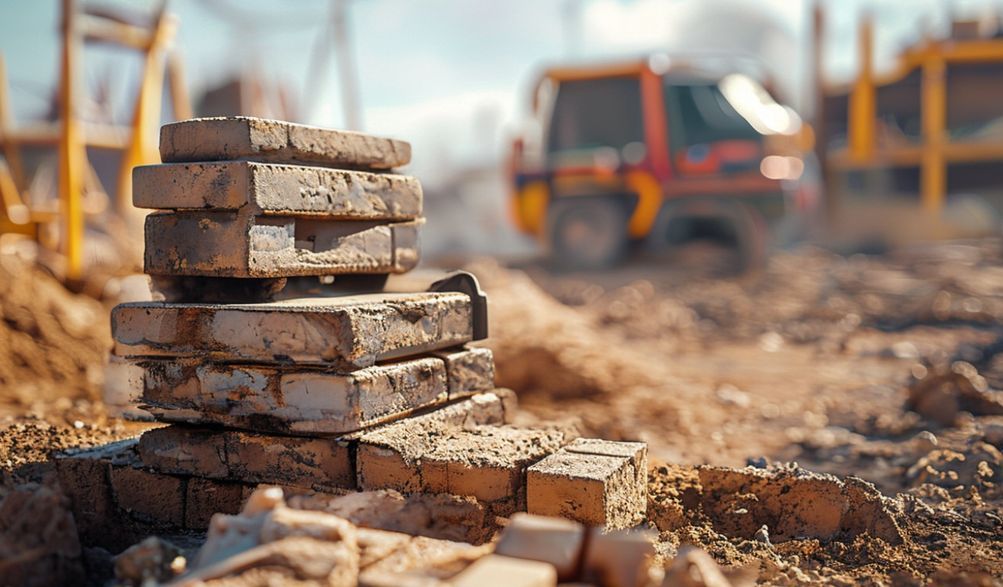
휴대용 벽돌 제작기 최종 가이드: 현장 효율성과 비용 절감
소개
상상해 보세요: 외딴 땅이나 빽빽한 도시 지역에 유망한 건설 프로젝트를 따냈습니다. 계획은 세워졌고, 작업 팀도 준비됐지만, 그때 물류라는 난제가 닥칩니다. 무겁고 깨지기 쉬운 수천 개의 벽돌을 현장까지 어떻게 운반할까요? 장거리 운송 비용은 어마어마하고, 배송 트럭은 현장 접근에 어려움을 겪으며, 배송 지연은 전체 일정과 예산을 완전히 멈추게 할 수 있습니다. 이 상황은 건설업자, 계약자, 그리고 야심 찬 DIY 애호가들에게 공통적인 골칫거리입니다.
만약 해결책이 벽돌을 옮기는 것이 아니라, 필요한 곳에 바로 벽돌을 만드는 것이라면 어떨까요? 여기에휴대용 벽돌 기계작업 현장에서 바로 흙, 시멘트, 모래와 같은 현지에서 구할 수 있는 재료를 고품질 벽돌로 변환하는 소형이고 이동식 파워하우스입니다. 이 가이드는 이 혁신적인 기술을 활용하여 전례 없는 비용 절감, 물류 자유도 및 프로젝트 통제력을 달성하기 위한 포괄적인 자료입니다.
수년간의 건설 산업 분석과 장비 리뷰를 바탕으로, 이 가이드는 핵심 메커니즘부터 운용상의 모범 사례까지 모든 것을 상세히 설명합니다. 휴대용 벽돌 제작기의 작동 원리, 실질적인 이점, 그리고 성공적으로 선택하고 운영하는 방법에 대한 객관적인 시각을 제공하기 위해 광고 문구를 넘어서 살펴보겠습니다.
이 자료는 다음을 위해 제작되었습니다:
* 중소 규모의 도급업체.
* 여러 부지를 관리하는 부동산 개발업체.
* 농업 건설업자 및 농촌 개발업자
* 인도주의 및 지역사회 개발 기관
대규모 프로젝트를 수행하는 진지한 DIY 애호가.
아래에서는 휴대용 벽돌 제작기의 정의를 살펴보고, 주요 장점을 자세히 설명하며, 실용적인 구매자 체크리스트를 제공하고, 전문가의 운영 팁을 공유하며, 가장 시급한 자주 묻는 질문(FAQ)에 답변하여 현장에서의 성공을 돕겠습니다.
휴대용 벽돌 제작기는 무엇이며 어떻게 작동하나요?
본질적으로, 휴대용 벽돌 제조기는 분산형 중소규모 벽돌 생산을 위해 설계된 이동식 프레스 또는 성형 시스템입니다. 대규모 고정식 산업 설비와 달리, 이러한 장비는 이동성과 단순성을 우선시하여 비교적 평평하고 단단한 지면이 있는 어디에서나 소규모 공장을 설립할 수 있게 해줍니다.
핵심 정의 및 주요 구성 요소
이것은 바퀴 달린 소형이면서도 견고한 공장이라고 생각하시면 됩니다. 주된 기능은 준비된 원료 혼합물을 압축하여 밀도가 높고 균일한 모양의 벽돌을 만드는 것입니다. 이를 가능하게 하는 핵심 구성 요소는 다음과 같습니다.
- 호퍼:압축 전에 원료의 축축한 혼합물을 투입하는 챔버.
- 곰팡이냐 죽음이냐:벽돌의 모양과 크기(예: 표준 직사각형, 연동형, 포장 슬래브)를 정의하는 정밀 강철 상자.
- 압축 메커니즘:기계의 심장. 이것은수동 레버 시스템(인력으로 작동하는),유압 펌프전기 모터, 디젤 엔진 또는 심지어 트랙터의 PTO(동력 출력 장치)로 구동되는기계식 진동기/프레스.
- 프레임거대한 압력을 견디며 모든 구성 요소를 수용하는 내구성 강한 강철 구조물입니다.
- 이동성 특징:이것이 "휴대성"을 가능하게 만드는 요소입니다. 특징으로는 내구성이 뛰어난 바퀴, 차량에 부착할 수 있는 견인 히치, 또는 소규모 팀이 수동으로 재배치할 수 있도록 하는 경량 디자인이 포함됩니다.
기본 운영 프로세스
과정은 간단하지만 품질 있는 결과를 위해서는 꾸준함이 필요합니다. 일반적인 작업 흐름은 다음과 같습니다.
- 자재 준비원료—일반적으로 흙(표토가 아닌 심토), 시멘트나 석회와 같은 안정제, 물의 혼합물—를 섞습니다. 일반적인 현장에서는 기계식 믹서나 심지어 깨끗하고 단단한 표면에서 수작업으로 이 작업을 수행합니다. 적절한 혼합 비율은 강도에 매우 중요합니다.
- 호퍼에 적재하기준비된 혼합물은 기계의 호퍼에 삽으로 퍼 넣거나 공급됩니다. 작업자들은 이 단계에서 일정한 수분 함량을 유지하는 것이 원활한 운영의 핵심이라는 것을 종종 발견합니다.
- 압축/형성조작자는 압축 메커니즘을 작동시킵니다. 수동 기계에서는 레버를 당겨 램을 몰드 안으로 밀어 넣습니다. 유압 모델에서는 버튼이나 밸브를 작동시킵니다. 이 동작은 고압(톤 또는 MPa로 측정)을 가하여 혼합물을 다지고 과잉 공기와 물을 배출시킵니다.
- 배출 및 경화갓 성형된 "생벽돌"은 몰드에서 팔레트나 바닥으로 배출됩니다. 그런 다음 조심스럽게경화 구역벽돌은 소성되지 않으며, 시멘트가 수화되는 화학적 양생 과정을 통해 강도를 얻습니다. 이 과정에는 일정 기간(보통 완전 강도에 도달하는 데 7~28일) 동안 습기를 유지하고 직사광선과 바람으로부터 보호하는 것이 포함됩니다.
휴대용 벽돌 제작 기계 사용의 주요 이점
The appeal of these machines goes far beyond novelty. They address some of the most persistent pain points in construction, particularly for projects outside of major urban supply chains.
Dramatic Reduction in Material and Transport Costs
This is the most compelling advantage. By sourcing raw materials locally—often the very soil excavated from your site’s foundation—you eliminate multiple cost layers.
* Cut Out Middlemen: You purchase bulk stabilizer (cement) instead of finished bricks from a supplier.
* Eliminate Freight: The exorbitant cost of transporting heavy, bulky finished bricks over long distances disappears. For remote sites, this saving alone can justify the machine’s investment.
* Use Local Resources: Suitable on-site soil, laterite, or other locally available aggregates become your primary raw material, driving costs down to a fraction of conventional bricks.
Unmatched Logistical Flexibility and On-Demand Production
A portable brick machine gives you complete independence from supply chain disruptions.
* Operate Anywhere: Set up production in a field, a village center, or a cramped urban lot. All you need is space for the machine, material storage, and a curing yard.
* Produce to Demand: Make bricks as the project requires. This reduces the need for large, costly, and vulnerable on-site storage of delivered bricks and minimizes waste from breakage and over-ordering.
* Solve Access Problems: Ideal for sites with narrow roads, weak bridges, or other obstacles that make truck delivery impossible or prohibitively expensive.
Speed and Control Over Your Project Timeline
When you control production, you control a critical part of your schedule.
* No Delivery Delays: You are no longer at the mercy of a supplier’s production schedule or trucking delays.
* Accelerate Pace: Ramp up brick production to match the speed of your masons, creating a seamless, efficient workflow.
* Adapt to Changes: Need a different brick type or quantity? Simply adjust your production mix or schedule without renegotiating with a supplier.
Environmental and Sustainable Advantages
In an era of green building, portable brick machines offer significant eco-credentials.
* 낮은 탄소 발자국: Drastically reduces the fossil fuels burned in transporting bricks over long distances.
* Sustainable Materials: Promotes the use of stabilized earth, which has very low embodied energy compared to fired clay or concrete blocks. Low-cement mixes are also an option.
* Minimal Waste: There’s no packaging (like plastic wraps or wooden pallets for delivered bricks), and production waste can often be recycled back into the mix.
Choosing the Right Portable Brick Machine: A Buyer’s Checklist
With various models on the market, selecting the right one requires a honest assessment of your needs. This checklist will help you compare options objectively.
Assess Your Primary Needs: Project Scale & Brick Type
Start by defining your output goals and brick specifications.
* 출력 용량: Estimate your daily brick requirement. Machine specs list output per hour (e.g., 200-500 bricks/hour). Be realistic about your crew size and workflow. A smaller manual machine may suffice for a single home, while a hydraulic model is better for a housing development.
* Desired Brick Type: What will you build?
* 단단한 블록: For standard walls.
* 인터록킹 브릭스: These require no mortar for laying, speeding up construction and saving material.
* Paving Slabs or Landscape Blocks: For hardscaping projects.
* Required Brick Strength: For load-bearing walls, you need higher compressive strength (often above 7 MPa). For non-load-bearing partition walls or infill, lower strength may be acceptable. Always reference local building codes.
Power Source Options: Manual vs. Hydraulic vs. Electric
The power source dictates your operational capacity and site requirements.
* 수동 기계:
* 장점: Lowest upfront cost, completely independent of external power, simple maintenance.
* 단점: Labor-intensive, slower output, production rate limited by operator stamina, lower consistent pressure can affect brick strength uniformity.
* Hydraulic/Electric Machines:
* 장점: Higher, more consistent output. Hydraulic systems deliver uniform high pressure, resulting in stronger, more consistent bricks. Less physical labor.
* 단점: Higher initial investment. Requires a power source: an electrical grid connection, a generator, or a tractor PTO for hydraulic versions.
Critical Features to Compare
Look beyond the brochure and examine these tangible aspects:
* 이동성 Is it truly portable for your needs? Check the weight, wheel type (solid rubber vs. pneumatic), and whether it has a standard tow hitch. Can your team move it easily?
* Build Quality & Durability: Inspect the steel gauge (thicker is better), the quality of welds, and the robustness of the mold and compression parts. This machine will endure a harsh environment.
* 금형의 다용도성: Can you easily swap out molds to produce different brick types? This flexibility adds long-term value to your investment.
* 애프터 서비스: This is crucial. Is there a reliable supplier who can provide replacement parts (like molds, seals, or hydraulic hoses)? What is the warranty period? Is technical assistance available? A machine without support can become a costly paperweight.
Operational Best Practices and Tips for Success
Owning the machine is only half the battle. Proper operation is what delivers quality bricks and a strong return on investment.
Soil Testing and Mix Design Fundamentals
The quality of your brick is determined on the mixing pad, not in the machine.
* 토양 구성 The ideal soil is a “sandy loam” or “laterite” with a balanced mix of clay (for cohesion), silt, and sand (for stability and reduce shrinkage). Pure clay cracks excessively; pure sand won’t bind.
* 안정화: Cement (usually 5-10% by volume) or lime is added to chemically bind the soil particles, providing strength and water resistance. The exact ratio depends on your soil type and target strength.
* Simple Field Tests: The “drop” test (a ball of mix shouldn’t crack or crumble when dropped) and the “jar” sedimentation test (to visually estimate soil composition) are fundamental field checks for suitability.
Efficient Production Workflow Setup
Organize your site like a small factory for optimal workflow.
* Create Designated Zones:
1. Raw Material Storage: For soil, sand, and cement (keep cement dry!).
2. Mixing Area: A clean, hard surface near the machine.
3. Machine Station: A level, stable base for the machine.
4. Curing Yard: A shaded, level area where bricks can be stacked and kept moist.
* Maintain Rhythm: Organize your crew into a production line: one mixing, one feeding the machine, one moving and stacking green bricks. This rhythm maximizes output and minimizes fatigue.
Proper Curing and Quality Control
Curing is where the brick gains its strength; don’t neglect it.
* 경화 과정: After initial setting (24 hours), bricks must be kept damp for an extended period. This is often done by covering stacks with plastic sheeting and sprinkling them with water daily for 7-14 days. Proper curing can double the final strength.
* Simple Quality Checks:
* 치수 정밀도 Periodically check brick dimensions with a ruler.
* Visual Inspection: Look for significant cracks, crumbling edges, or distortion.
* Sound Test: Two well-fired bricks should ring when struck together; a dull thud can indicate poor compaction or curing.
Frequently Asked Questions (FAQ) About Portable Brick Machines
What is the typical production cost per brick with a portable machine?
The cost is primarily for materials. A rough estimate for a cement-stabilized earth brick might be $0.10 to $0.25 per brick, depending entirely on local cement and labor costs. If using free on-site soil, your cost is essentially just the cement (e.g., 5-10% of the brick’s volume). This compares very favorably to delivered bricks, which can cost $0.50 to $1.00 or more each, especially in remote areas. Remember to factor in machine depreciation and labor over the long term for a complete business analysis.
How strong are bricks made with these machines?
Strength varies with mix design and compression. A well-made, cement-stabilized earth brick (CSEB) from a good hydraulic press can achieve a compressive strength of 7 to 15 MPa (1000 to 2200 psi), which is suitable for two- and three-story load-bearing construction as per many building codes. Manual machines typically produce bricks in the lower end of that range. Proper curing is essential to reach these strengths.
Can I use purely local soil without adding cement?
You can, but with major limitations. Unstabilized earth bricks (Adobe) have much lower strength and are highly susceptible to water erosion. They are only suitable for certain applications: in very arid climates, for non-structural elements, or when protected by excellent roof overhangs and rendered with a water-resistant plaster. For durable, load-bearing construction in most climates, stabilization with cement or lime is strongly recommended.
What maintenance does the machine require?
Routine maintenance is simple but vital for longevity:
* Clean Thoroughly after each use to prevent material from hardening in the hopper or mold.
* Check and tighten all bolts and nuts regularly, as vibration can loosen them.
* Lubricate all moving parts (pivots, levers, guide rods) as per the manufacturer’s instructions.
* For hydraulic models, check fluid levels and inspect hoses for leaks.
* Store under cover to protect from rust and the elements.
Is a portable brick machine a profitable investment for a small business?
Absolutely, if the business case is sound. It allows a small contractor or entrepreneur to:
1. Reduce costs on their own projects, improving profit margins.
2. Start a brick supply business, selling bricks to other builders or homeowners.
3. Offer a complete “construction and material” package.
To calculate ROI, compare your per-brick production cost (materials + labor + machine depreciation) to the local market price for equivalent bricks. The volume needed to break even can be surprisingly low, especially in regions where brick prices are high due to transport costs.
결론
Portable brick machines represent a paradigm shift in how we approach small to medium-scale construction. They replace a linear, supply-chain-dependent model with a circular, on-site solution that puts control back in the hands of the builder. The benefits are clear and substantial: drastic cost reduction, liberation from logistical nightmares, accelerated project timelines, and a notably smaller environmental footprint.
The key to success lies in making an informed choice. By honestly assessing your project scale, brick requirements, and site conditions against the buyer’s checklist provided, you can select a machine that is a tool for empowerment, not a source of frustration. Furthermore, committing to the operational best practices around soil testing, workflow, and curing will ensure you produce bricks that are not just cheap, but are structurally sound and durable.
By understanding the principles and practices outlined here, you’re equipped to leverage this innovative technology to build smarter, more sustainably, and more profitably. The future of efficient construction isn’t just about building things right; it’s about building them right where you need them.
<