
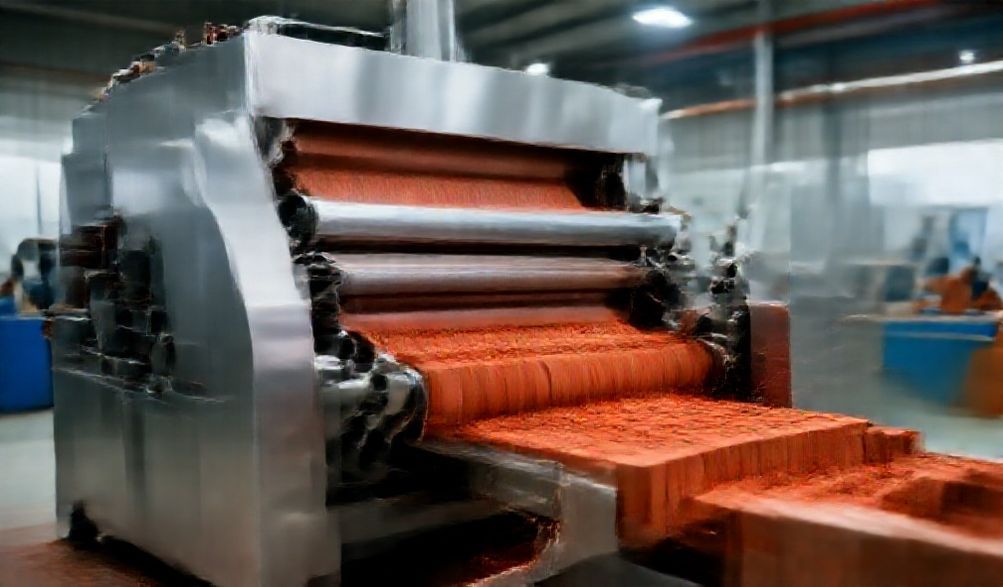
중국 푸다 공장의 클레이 벽돌 제조 기계 최종 가이드
소개
급속한 도시화와 지속 가능한 건설에 대한 강조가 커지는 시대에 내구성 있고 비용 효율적이며 환경을 고려한 건축 자재에 대한 수요는 그 어느 때보다 높습니다. 현대적 대안들 사이에서 점토 벽돌은 수천 년 동안 검증된 시대를 초월한 해결책으로 두드러집니다. 그러나 이 핵심 산업에 진입하거나 규모를 확장하려는 기업가와 기업들에게는 신뢰할 수 있고 효율적이며 가격이 합리적인 벽돌 생산 장비를 조달해야 하는 중대한 과제가 놓여 있습니다.
여기서 전문성이 빛을 발합니다. 글로벌 제조 환경을 헤쳐나가기 위해서는 깊은 기술적 지식과 검증된 실적을 가진 파트너가 필요합니다. 중국 산업 기계 부문의 선도적 기업인 푸다 블록 제작 공장을 소개합니다. 이 공장은 고품질 블록 제조 기계의 엔지니어링 및 생산을 전문으로 하고 있습니다.점토 벽돌 제조 기계.
이 가이드는 전문적이고 편향되지 않은 정보원으로서 기능합니다. 우리는 기본적인 판매 유치를 넘어, 상세하고 지식에 기반한 분석을 제공할 것입니다. 우리의 목표는 귀하의 비즈니스를 위해 확신에 찬, 정보에 입각한 결정을 내릴 수 있도록 필요한 통찰력을 제공하는 것입니다. 점토 벽돌의 지속적인 가치, 현대적 생산의 메커니즘, FUDA와 같은 확립된 제조업체와 협력할 때의 구체적인 이점, 그리고 성공적인 조달을 위한 실용적인 로드맵에 대한 명확한 이해를 얻게 될 것입니다.
점토 벽돌이 여전히 최고의 건축 자재인 이유
기계에 투자하기 전에 제품의 시장 경쟁력을 이해하는 것이 중요합니다. 점토 벽돌은 과거의 유물이 아닙니다. 현대적 대안들이 따라가기 어려운 고유한 장점을 지닌, 지속적으로 관련성을 유지하는 건축 자재입니다.
뛰어난 내구성과 긴 수명
점토 벽돌은 영속성의 동의어입니다. 그 성능은 재료 과학에 뿌리를 두고 있습니다.
* 구조적 안정성:극고온에서 구워진 점토는 유리화 과정을 거쳐 탁월한 압축 강도를 가진 제품으로 변모합니다. 이로 인해 벽돌 구조물은 상당한 하중을 견디며 수세기 동안 환경적 스트레스에 버틸 수 있습니다.
* 내화성점토 벽돌은 세라믹 재료로서 본질적으로 불연성입니다. 이는 주거 및 상업 건축에서 중요한 안전 기능인 결정적인 방화 장벽을 제공합니다.
* 최소한의 유지 관리벽돌은 부패, 곰팡이, 해충 피해에 강합니다. 화학적 처리가 필요하지 않으며 자주 도장할 필요가 없어, 다른 많은 외장재에 비해 장기적으로 유지 보수 비용이 훨씬 낮습니다.
자연 단열과 에너지 효율
벽돌은 열 질량 개념을 통해 건물의 열 성능에 상당한 기여를 합니다.
* 열용량점토 벽돌은 열을 흡수하고 저장하며 천천히 방출합니다. 이러한 자연적인 조절 기능은 실내 온도를 완화시켜 여름에는 더 시원하고 겨울에는 더 따뜻하게 유지합니다.
* 에너지 수요 감소벽돌 구조는 일일 온도 변동을 완화함으로써 HVAC 시스템에 대한 의존도를 낮춥니다. 이는 건물의 수명 동안 에너지 소비 감소와 공과금 절감으로 직접적으로 이어지며, 오늘날 에너지 의식이 높은 시장에서 핵심적인 판매 포인트가 됩니다.
지속 가능성과 환경적 이점
친환경 건축이 주목받는 시대에, 점토 벽돌은 강력한 생태적 장점을 제공합니다.
* 자연스러운 구성주요 원료는 셰일 또는 표면 점토로, 풍부하고 자연적으로 발생합니다.
* 재활용 가능성과 재사용 가능성:건물의 수명이 다하면 벽돌은 청소되어 새 건축에 재사용되거나, 골재, 매립재 또는 조경 재료로 사용하기 위해 분쇄되어 순환형 생애주기를 형성합니다.
* 장기 수명 주기 평가 (LCA):소성 과정은 에너지를 필요로 하지만, 벽돌의 뛰어난 내구성과 단열 특성은 그들의
## Explanation
The translation focuses on accurately conveying the original English sentence into Korean while maintaining the technical terms ("firing process" → "소성 과정", "durability" → "내구성", "insulating properties" → "단열 특성"). The sentence structure is adapted to natural Korean syntax, and the conjunction "but" is appropriately translated as "지만" to contrast the two clauses. The trailing "their" is left open-ended as in the original, which may imply an incomplete thought or lead into further explanation.내재 에너지제품 수명 동안 사용되는 총 에너지는 100년 이상의 서비스 기간으로 상각할 때 매우 유리합니다.
점토 벽돌 제조 기계 이해하기
현대 벽돌 생산은 원료 점토를 정밀하고 일관된 단위로 변환하는 정교한 공정입니다. 적절한 시스템을 선택하기 위해서는 기계 장비에 대한 이해가 핵심입니다.
현대 벽돌 제조기의 핵심 구성 요소
표준 자동화 라인은 여러 주요 스테이션을 통합합니다:
1. 믹서: Blends raw clay with precise amounts of water (and sometimes additives) to achieve a homogeneous, plastic consistency optimal for extrusion.
2. Extruder (or Pug Mill): The heart of the machine. It compacts and de-airs the prepared clay mix, forcing it through a die to form a continuous column of clay with the desired profile (solid, perforated, etc.).
3. 커터: Uses wires or blades to slice the extruded clay column into individual, wet bricks (known as “green” bricks) with exact dimensions.
4. 제어 시스템 The brain of the operation. Modern PLC (Programmable Logic Controller) systems automate the entire process, allowing for precise control over extrusion speed, cutting frequency, and overall synchronization for maximum efficiency and consistency.
Types of Machines: From Semi-Automatic to Fully Automatic Lines
The level of automation you choose depends on your scale, budget, and labor availability.
* 수동/소규모 기계 Often simple, single-function presses. They require significant manual labor for feeding, molding, and removal. Suitable for very low-volume or artisanal production.
* 반자동 기계: Automate core processes like mixing and extrusion but may require manual handling for mold setting, brick removal, or stacking. Offers a good balance between cost and increased output for small to medium businesses.
* 완전 자동화 생산 라인: Represent the pinnacle of efficiency. These integrated systems handle the entire process from raw material feeding to the automatic stacking of green bricks onto kiln cars or pallets. They are designed for high-volume, consistent production with minimal manual intervention.
알아야 할 주요 기술 사양
When evaluating machines, focus on these critical specs:
* 출력 용량: Measured in bricks per hour (or per 8-hour shift). This must align with your business plan.
* 전력 요구 사항 Voltage (e.g., 380V/50Hz) and total power consumption (KW). Ensure your facility can support it.
* 곰팡이 유형 및 호환성: The mold defines the brick’s shape and size. Systems that allow for quick mold changes increase operational flexibility.
* Extrusion Pressure & Vacuum System: Higher de-airing vacuum and extrusion pressure typically produce denser, stronger bricks with better dimensional stability.
Spotlight on FUDA Block Making Factory: Expertise You Can Trust
With numerous global suppliers, why focus on a specific Chinese factory? The answer lies in depth of specialization, proven history, and a commitment to partnership. FUDA Block Making Factory exemplifies these qualities.
Decades of Manufacturing Experience & Industry Authority
FUDA is not a generic trading company. It is an established manufacturer with deep roots in the brick and block machinery industry. Founded over two decades ago, FUDA has grown by focusing exclusively on construction machinery. This long-term focus has allowed them to:
* Accumulate vast, practical knowledge about clay behaviors, production challenges, and market needs worldwide.
* Continuously refine their machine designs based on real-world feedback from hundreds of installations across different continents.
* Build a reputation as a specialist, not a generalist, which is critical for complex industrial equipment.
연구개발 및 기술 혁신에 대한 헌신
To stay at the forefront, FUDA invests significantly in its Research and Development department. This commitment translates to tangible benefits for buyers:
* Efficiency Upgrades: Constant refinement of gearboxes, drive systems, and control software to reduce energy consumption per brick and increase overall line efficiency.
* 재료과학 통합 Working with material scientists to optimize machine parameters for different clay types, ensuring consistent quality even with variable raw materials.
* Smart Manufacturing Features: Incorporating user-friendly HMI (Human-Machine Interface) touchscreens, fault diagnosis systems, and data logging capabilities for modern, manageable production.
Quality Control and Manufacturing Standards
Quality is engineered into every machine from the ground up at the FUDA factory.
* 자재 조달 Critical components like hydraulic systems, PLCs, bearings, and steel are sourced from reputable, often name-brand, suppliers to ensure reliability.
* In-House Manufacturing & Testing: Key structural components are fabricated and machined in-house under strict tolerances. Every completed machine undergoes a rigorous Factory Acceptance Test (FAT), running for hours under load to verify performance before it is approved for shipment.
* International Compliance: FUDA machines are engineered to meet relevant international safety and quality standards, such as CE certification, which is a mandatory requirement for the European market and a strong indicator of quality for buyers globally.
A Comprehensive Product Portfolio for Every Need
Understanding that one size does not fit all, FUDA offers a scalable range of solutions:
* Entry-Level Semi-Automatic Machines: For entrepreneurs and small businesses starting their production journey.
* High-Capacity Fully Automatic Lines: For large-scale brick plants and industrial producers aiming for maximum output.
* Turnkey Project Support: For clients establishing a complete new factory, FUDA can provide comprehensive support, from plant layout design to machinery supply, installation guidance, and technician training.
How to Choose the Right Clay Brick Machine for Your Project
Selecting machinery is a strategic investment. Here’s a framework to guide your decision-making process.
Assessing Your Production Volume and Business Goals
Start with a clear business plan.
* Calculate Realistic Demand: Analyze your target market. What is your current and projected 5-year sales volume?
* Match Machine to Volume: Choose a machine that can comfortably meet your peak demand without constant overloading. A good rule is to select a machine with a 20-30% higher capacity than your current needs to allow for growth.
* Consider Shifts: Can you operate one 8-hour shift or three? A smaller machine running multiple shifts can sometimes be more economical than a larger, underutilized one.
Evaluating Automation Level and Labor Requirements
Automation is a trade-off between capital expenditure and operating costs.
* Labor Cost vs. Machine Cost: In regions with high labor costs, investing in a fully automatic line quickly justifies itself through labor savings and consistency. Where labor is more affordable, a semi-automatic system may offer a faster ROI.
* Skill Availability: Fully automatic lines require more skilled technicians for maintenance and programming. Ensure you have access to this talent or that the supplier provides exceptional training.
* Consistency & Waste Reduction: Automated systems drastically reduce human error, leading to more consistent brick quality and lower rates of waste (breakage, dimensional inaccuracy).
Importance of After-Sales Support and Service
The machine’s quality is only half the equation; the supplier’s support completes it. This is a critical area where FUDA builds long-term partnerships.
* 설치 및 시운전: Does the supplier provide on-site technician support to install and commission the machine? FUDA typically offers this crucial service.
* 종합 훈련 Operators and maintenance staff must be thoroughly trained on the machine’s operation, daily checks, and basic troubleshooting.
* 보증 및 예비 부품: A clear warranty (e.g., 12-18 months on core components) is essential. Equally important is the guaranteed availability of spare parts and the ability to ship them quickly anywhere in the world to minimize downtime.
The Practical Guide to Sourcing from China’s FUDA Factory
Navigating an international machinery purchase can seem daunting. Breaking it down into clear steps makes the process transparent and manageable.
Step-by-Step Procurement Process
A typical professional procurement journey follows this sequence:
1. Initial Inquiry: You contact FUDA with your basic requirements (desired brick type, target output, level of automation).
2. Technical Discussion: FUDA’s engineering team engages in detailed discussions to understand your raw material properties and specific needs, recommending the most suitable machine model.
3. Formal Quotation: You receive a detailed proforma invoice outlining machine specifications, price, payment terms, delivery time, and warranty details.
4. Payment & Contract: Upon agreement, a sales contract is signed, and an initial deposit (commonly 30-50%) is paid to initiate production.
5. Production & Inspection: During manufacturing, you can request photos/videos. Before shipping, you or a third-party inspector can witness the Factory Acceptance Test (FAT).
6. Shipping & Delivery: After final payment, the machine is professionally crated and shipped via your chosen Incoterms.
Navigating Logistics, Shipping, and Customs
Being prepared smoothes the logistics phase.
* Understand Incoterms: Key terms are FOB (Free On Board) and CIF (Cost, Insurance, and Freight). FOB means you own the goods and control the shipping once they leave the Chinese port. CIF means the supplier arranges and pays for shipping to your nearest port. FOB often offers more control and potential cost savings.
* Choose a Reliable Freight Forwarder: If going FOB, work with a forwarder experienced in heavy machinery to handle ocean freight, customs clearance at your port, and final land transport to your factory.
* Prepare Documentation: Ensure you understand the import duties, taxes, and any required certifications (like SONCAP, COC, etc.) for your country. Your freight forwarder is key here.
Ensuring a Smooth Installation and Commissioning
The project isn’t complete until the machine is producing bricks on your floor.
* 현장 준비: Follow FUDA’s foundation and utility (power, water) guidelines precisely before the machine arrives.
* Leverage Technical Support: Take full advantage of the on-site installation and commissioning service offered by FUDA’s technicians. Their hands-on guidance is invaluable.
* Initial Production Run: Use this period to fine-tune the machine with your local clay and produce your first batches under expert supervision.
자주 묻는 질문 (FAQ)
Q1: What is the typical lead time for a clay brick making machine from FUDA factory?
A: For standard models, the lead time is typically 30-45 days after receiving the deposit. For fully customized lines or large turnkey projects, it can extend to 60-90 days. The timeline is confirmed during the quotation stage.
Q2: Can FUDA provide custom molds for special brick shapes and sizes?
A: Absolutely. Custom mold design and manufacturing is a core service. You can provide drawings or samples, and FUDA’s engineering team will design and produce the molds. Lead time for custom molds is additional, usually 15-25 days.
Q3: What kind of after-sales service and warranty does FUDA offer?
A: FUDA typically provides a 12-18 month warranty on core components. They offer lifetime technical support via email, WhatsApp, and video call. Comprehensive operation and maintenance manuals, along with part lists and diagrams, are provided. Critical spare parts are guaranteed to be available for long-term support.
Q4: How does FUDA ensure the machine’s quality before shipment?
A: Every machine undergoes a mandatory Factory Acceptance Test (FAT). This involves assembling the machine, running it under full load for a sustained period, and checking all functions. Buyers are welcome to attend this test in person or via live video stream to verify performance before shipping.
Q5: What are the main advantages of choosing a Chinese manufacturer like FUDA over local suppliers?
A: The primary advantages are 비용 효율성 without sacrificing quality, direct access to the engineering and manufacturing team, and vast experience in exporting to diverse global markets. Chinese manufacturers like FUDA operate within a mature industrial ecosystem, allowing them to integrate high-quality components at a competitive price point, which is often difficult for local assemblers to match.
결론
The journey to establishing or upgrading a clay brick production facility is anchored in two key decisions: the commitment to a timeless building material and the selection of the right production partner. Clay bricks offer enduring structural, environmental, and economic benefits that secure their place in the future of construction. The machinery that produces them is the engine of your business, and its reliability, efficiency, and support define your operational success.
As we have detailed, choosing a partner like 푸다 블록 제작 공장 means more than just buying a machine; it means gaining access to decades of specialized engineering experience, a robust quality-controlled manufacturing process, and a partnership-focused approach to after-sales support. This guide, rooted in industry expertise and a transparent look at the procurement process, is designed to empower your decision with knowledge.
Take the next step with confidence.
* Primary CTA: Request a Detailed Quotation and Project Consultation from FUDA’s Engineering Team.
* Secondary CTA: Download our Comprehensive Clay Brick Machine Specification Catalog.
Investing in a high-quality clay brick making machine from a reputable manufacturer is not merely a purchase—it is a strategic foundation for long-term business growth, stability, and your contribution to building a more durable world.
<