
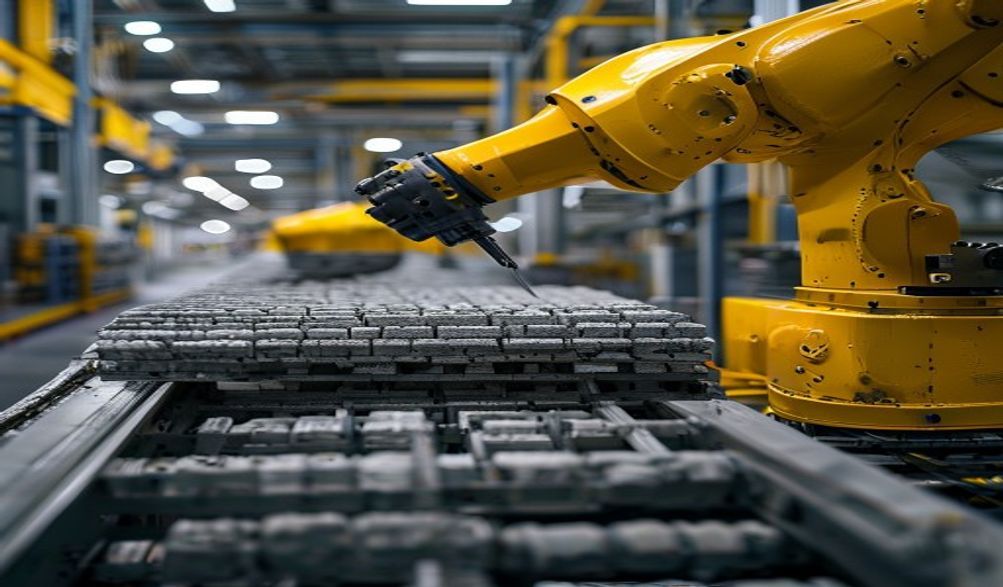
자동 플라이 애시 벽돌 제조기 선택 방법: 2026년 구매자 가이드
건설 환경이 변화하고 있습니다. 지속 가능성과 비용 효율성에 대한 세계적 관심이 높아지면서, 플라이 애시 벽돌이 친환경적이고 고강도의 전통 점토 벽돌 대안으로 주목받고 있습니다. 이 녹색 혁명의 중심에는 자동 플라이 애시 벽돌 제조기가 있습니다. 이 기술은 산업 부산물을 수익성 높은 고품질 건축 자재로 변환할 수 있습니다. 그러나 잘못된 기계를 선택하는 것은 자본 집약적인 실수로, 치명적인 가동 중단, 불균일한 품질, 재정적 압박으로 이어질 수 있습니다.
10년 이상의 산업 분석, 플랜트 엔지니어와의 기술 협의, 성공적인 운영 현장 검토를 바탕으로, 이 가이드는 복잡성을 간명하게 정리하고자 합니다. 우리는 기업가, 엔지니어, 프로젝트 관리자인 여러분을 철저한 의사 결정 프레임워크로 안내할 것입니다. 이는 단순히 기계를 구매하는 것이 아니라, 앞으로 수년간 비즈니스의 확고한 중추가 될 생산 시스템에 투자하는 것입니다.
귀사의 생산 요구사항과 원자재 이해하기
단일 사양서를 살펴보기 전에, 먼저 내부를 들여다봐야 합니다. 가장 성공적인 플랜트는 그 자체의 운영 현실을 명확히 이해하는 것에서 출발하여, 기초부터 구축됩니다.
프로젝트 규모와 산출 목표 평가하기
당신의 기계 선택은 근본적으로 시장에 의해 결정됩니다.
* 실수요 계산하기추측하지 마세요. 확정된 주문, 계약업체 관계, 지역 시장 조사를 바탕으로 일일 및 월별 벽돌 필요량을 예측하세요. 50% 용량으로 가동되는 기계는 수요를 따라가지 못하는 기계만큼 비효율적입니다.
* 규모를 정의하십시오.
* 소규모 (10,000-20,000 벽돌/일):지역 프로젝트나 보조 사업에 적합한 경우가 많으며, 반자동 기계나 소형 완전 자동 기계를 포함할 수 있습니다.
* 중형 규모 (하루 20,000~50,000개 벽돌)도시나 지역을 고객으로 하는 많은 중소기업에게 최적의 지점입니다. 강력하고 완전 자동화된 시스템이 필요합니다.
* 대규모 (일일 50,000개 이상 벽돌)주요 공급업체를 대상으로 합니다. 대규모 인프라를 갖춘 고용량, 완전 통합 자동화 라인이 포함됩니다.
* 용량 대 현실시간당 10,000개의 벽돌(BPH)로 평가된 기계는 실제 8시간 교대 근무에서 금형 교체, 유지보수 및 자재 공급 사이클로 인해 더 적은 양을 생산하는 경우가 많습니다. 효율 계수를 적용하십시오.운영 효율성 80-85%계획을 세울 때.
플라이애시 및 원재료 특성 분석하기
기계는 재료에 맞춰야 하며, 그 반대가 되어선 안 됩니다. 투입되는 재료의 질이 결과물의 질을 결정합니다.
* 구성이 핵심이다:표준 혼합 비율은 플라이 애시(Fly Ash) 50-60%, 모래/석분 30-40%, 시멘트 8-10%입니다. 변형이 흔히 발생합니다. 기계의 투입 및 혼합 시스템은 사용자의 특정 비율을 일관되게 처리할 수 있어야 합니다.
* 일관성이 모든 것을 압도한다원자재 입자 크기나 수분 함량이 일정하지 않으면 벽돌의 압축 불량과 강도 편차가 발생할 수 있습니다. 플라이 애시 공급원이 변동하는 경우, 분쇄기나 스크린 같은 전처리 장비가 필요할 수 있습니다.
* 사전 처리 확인:필요한 통합 장비가 있는지 평가하세요.
* 사료 공급 장치:일관된 재료 흐름을 위해.
* 팬 믹서:원료와 물의 철저하고 균일한 혼합을 위해.
* 파쇄기모래 또는 석분의 입자 크기를 균일하게 유지하기 위해.
Defining Your End-Product Specifications
What are you selling? Your product catalog dictates your machine’s configuration.
* 벽돌 종류: Solid (for load-bearing walls), Hollow (lightweight, insulating), Pavers (for landscaping), or Interlocking (for dry-stack construction). Ensure the machine can produce your primary product type efficiently.
* Critical Metrics:
* 치수: Standard (e.g., 230x110x75 mm) or custom sizes.
* 압축 강도 Target strength (e.g., 7.5 MPa, 10 MPa) as per IS 12894 or ASTM standards. This is directly tied to machine pressure.
* Finish: The mold quality and vibration system determine the brick’s surface finish and edge sharpness.
Key Technical Specifications to Scrutinize
This is where technical expertise separates a good investment from a poor one. Look beyond marketing terms and focus on these core engineering aspects.
Core Machine Mechanism and Automation Level
“Automatic” can mean different things. Understand the mechanics.
* 진동 시스템 This is the heart of compaction.
* Hydraulic Vibration: Offers superior, adjustable force control, leading to higher density and strength bricks. It’s more modern and often more reliable.
* Mechanical Vibration: Uses motor-driven eccentric weights. Can be robust but may offer less control and require more maintenance.
* 자동화 수준 A “Fully Automatic” machine should perform with minimal human intervention:
1. Automatic proportional feeding of raw materials.
2. Automatic mixing and conveying to the hopper.
3. Automatic filling, compaction, and ejection of bricks onto pallets.
4. Automatic pallet circulation and brick stacking.
* 제어 시스템 A 프로그래머블 로직 컨트롤러 (PLC) with a touch-screen interface is essential. It allows for precise control over cycle times, pressure, and vibration, and stores recipes for different brick types.
Critical Performance Metrics
Compare these numbers across supplier quotes.
* 사이클 타임: The time to produce one brick or one set of bricks. Lower cycle time = higher potential output. (e.g., 15-20 seconds per cycle).
* 압력 힘 (톤수) Measured in tons (e.g., 150 Ton, 200 Ton). Higher pressure typically produces denser, stronger bricks. Match the tonnage to your target compressive strength.
* 전력 소비량: Rated in kW or HP. A 30-40 HP motor is common for medium-sized machines. Calculate the daily energy cost—it’s a major part of your operational expense.
* 유압 시스템 품질 Ask about the brands used for pumps and valves (e.g., Rexroth, Yuken, Parker). Reputed brands mean better reliability, less leakage, and consistent pressure.
Mold and Pallet Considerations
These are the consumables of your production line.
* 금형 품질 Molds must be made from high-grade, hardened steel (e.g., EN-31/EN-19). Check the hardness rating (HRC). Poor molds wear out fast, causing dimensional inaccuracies.
* Interchangeability: Can you easily change molds to produce different brick types? What is the changeover time (aim for under 30 minutes)?
* 팔레트 시스템: Pallets (steel is more durable than wood) carry bricks through curing. The machine must have a smooth, automatic pallet return system. Pallet size and strength must match your brick size and production speed.
Beyond the Machine: Plant Layout and Support Systems
The machine does not work in isolation. It is the centerpiece of an entire production ecosystem.
Integrated Production Line Components
You are setting up a plant, not just installing a machine. Budget and plan for the entire line.
* 보조 장비: The core machine is often just 40-50% of the total equipment cost. Essential add-ons include:
* Belt Conveyors for material handling.
* Pan Mixer for mixing.
* Automatic Feeder for proportional batching.
* Brick Stacker/Unloader for handling cured bricks.
* 치유 시스템: Fresh bricks need to gain strength.
* Steam Curing: In a closed chamber, accelerates strength gain to 24 hours. Higher initial cost but faster turnaround.
* Water Spray Curing: Traditional method in shaded sheds. Takes 14-21 days. Lower cost but requires more space and time.
* Space Planning: Account for the machine footprint, raw material storage, mixing area, curing shed, and finished goods storage. Foundation strength is critical—vibration forces require a robust concrete base.
Operational and Maintenance Factors
Plan for the long haul from day one.
* Accessibility: Is there easy access to the hydraulic system, vibration motors, and electrical panels for daily checks and maintenance?
* Documentation: Demand comprehensive Operation & Maintenance manuals, electrical and hydraulic diagrams.
* 훈련 Ensure supplier-led training for your operators and maintenance staff is included. They should understand daily greasing points, routine checks, and basic troubleshooting.
The Supplier Evaluation Checklist
Your relationship with the manufacturer will last the lifetime of the machine. Vet them as thoroughly as you vet the technology.
Manufacturer Reputation and History
- Research their legacy. How long have they been building these specific machines?
- Don’t just rely on website testimonials. Ask for contact details of 2-3 clients in a similar climate/region and call them. If feasible, visit an existing plant.
- Look for relevant certifications: ISO 9001 (Quality Management) is a strong indicator of process discipline.
After-Sales Service and Parts Availability
This is non-negotiable. A machine without support is a liability.
* 보증: Standard is 12-18 months for the machine core. Understand what is excluded (wear parts like molds, seals).
* 서비스 네트워크: Do they have trained technicians who can reach you within 48-72 hours in case of a breakdown? What is their guaranteed response time?
* 예비 부품: Are critical spares (hydraulic pumps, PLCs, sensors) readily available in their inventory? What are the typical lead times and costs?
Cost Analysis: Purchase Price vs. Total Cost of Ownership (TCO)
The cheapest quote is often the most expensive long-term investment.
* Break Down the Quotation: Ensure it itemizes the main machine, all auxiliary equipment, taxes, installation, and shipping.
* Calculate TCO: Project costs over 5 years:
* Initial Investment (Purchase + Installation)
* 에너지 소비
* Labor Costs
* 정기 유지보수
* Spare Parts Replacement
* A slightly more expensive machine from a reputable supplier with lower energy use and guaranteed support will have a far lower TCO.
The Final Decision-Making Process
Step-by-Step Procurement Action Plan
- Finalize Requirements: Create a detailed document covering output goals, brick types, raw material analysis, and budget.
- Shortlist Suppliers: Identify 3-5 manufacturers with strong reputations and a presence in or near your region.
- Request Detailed Quotes: Ask for comprehensive proposals addressing your requirement document, not generic brochures.
- Insist on a Demonstration: A live demo is best. If not possible, a detailed video demonstration using a material sample similar to yours is crucial.
- Clarify Logistics: Agree on payment terms (avoid 100% advance), delivery schedule, installation support, and training details in writing.
- Negotiate on Value: Negotiate based on the Total Cost of Ownership and the service package, not just a discount on the sticker price.
Common Pitfalls to Avoid
- Skipping Raw Material Testing: Never finalize a machine without testing your actual fly ash mix in the supplier’s lab or demo unit.
- Underestimating Infrastructure: Failing to account for 3-phase power requirements, water supply, and strong flooring.
- Choosing a Distant Supplier with No Local Support: The cost savings will vanish with your first major breakdown.
- Neglecting Training: Assuming your workers will “figure it out” leads to poor production, more waste, and machine abuse.
자주 묻는 질문 (FAQ)
Q1: What is the average price range for a good automatic fly ash brick making machine?
A: Prices vary dramatically based on capacity and automation. A small-scale plant can start around $50,000, while a high-capacity, fully integrated line can exceed $200,000. The critical step is to get detailed quotes based on your specific needs, as the machine cost is only part of the total plant investment. Always analyze the Total Cost of Ownership.
Q2: Can one machine produce different types and sizes of bricks?
A: Yes, but with caveats. To switch brick types (e.g., from solid to hollow), you must change the mold set. Consider the cost of additional molds ($2,000-$5,000 each) and the time required for changeover (15-45 minutes). Discuss flexibility requirements with your supplier upfront.
Q3: What is the typical payback period for this investment?
A: With efficient operation and good market demand, a well-planned plant can see a return on investment (ROI) within 1.5 to 3 years. This depends heavily on local brick pricing, operational costs (power, labor, raw materials), and your sales volume. A detailed business plan is essential before investing.
Q4: How important is after-sales service, and what should I look for?
A: It is arguably the most critical factor after the machine’s quality. Prioritize a supplier with a documented service network, an inventory of critical spare parts, and clear service level agreements (SLAs). A supplier with excellent support is a better choice than one offering a 10% lower price but no reliable service backup.
Q5: What are the most common maintenance issues?
A: Regular wear and tear occurs on:
* 유압 구성 요소 Seals, hoses, and valves.
* 진동 모터: Bearings and mounts.
* 컨베이어 벨트: Wear and tear.
* Electrical Sensors: Can get dusty or misaligned.
A strict preventive maintenance schedule—daily greasing, weekly checks, monthly inspections—as per the manual is the best defense against unplanned downtime.
결론
Choosing the right automatic fly ash brick making machine is a strategic decision that blends technical understanding with commercial foresight. It requires you to look beyond the glossy brochure and consider your raw materials, your market, your infrastructure, and, crucially, the long-term partnership with your supplier.
Our final recommendation is to invest more time in the planning and vetting phase than you think is necessary. The right machine from the right partner is a wealth-generating asset. Before you sign any contract, consult with an independent civil engineer or industry expert to review your plans. Insist on material testing with shortlisted manufacturers. Reach out to reputable suppliers with your detailed project report and engage in a technical consultation.
By making an informed choice, you are not just purchasing equipment; you are laying the foundation for a sustainable, profitable business that contributes to the future of eco-friendly construction.
Author Bio/Note (To be placed at the end of the published article):
This guide was developed by our team of industrial machinery specialists and engineering consultants with over 25 years of combined experience in the construction equipment and brick manufacturing sector. Our content is rigorously researched and aimed at providing actionable, trustworthy information to help entrepreneurs make sound investments. We recommend always verifying technical specifications directly with manufacturers and seeking professional advice for your specific project.