
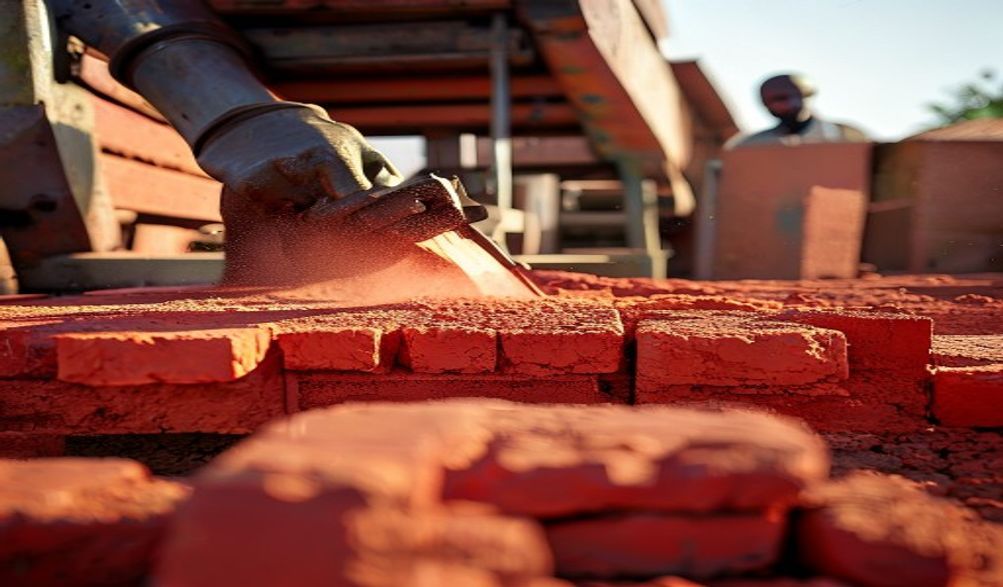
2026년 가나에서 적합한 벽돌 제조 기계를 선택하는 방법: 구매자 가이드
가나의 건설 분야는 부인할 수 없는 상승세에 있습니다. 야심찬 정부 인프라 프로젝트부터 활황인 민간 주택 시장까지, 고품질 건축 자재에 대한 수요는 그 어느 때보다 높습니다. 이 건설 붐의 핵심에는 기본적인 구성 요소인 소박한 벽돌이 자리 잡고 있습니다. 기업가, 계약자 및 미래 지향적인 비즈니스에게 벽돌 제조 기계에 투자하는 것은 중요한 기회를 제공합니다. 그러나 수익성 있는 사업으로 가는 길은 종종 중요한 장애물에 막히곤 합니다. 바로 적절한 벽돌 제조 기계를 선택하는 것입니다.오른쪽기계.
많은 이들이 투자한 돈이 비싼 마당 장식품으로 변하는 경험을 했다. 생산량이 부족하거나 잦은 고장, 혹은 현지 재료를 제대로 처리하지 못하는 기계를 구매한 것이다. 수동, 반자동, 완전 자동 모델 간의 혼동과 가나의 독특한 운영 환경에서의 도전이 선택 과정을 어렵게 만들 수 있다.
이 가이드는 여러분의 완벽한 로드맵입니다. 가나 시장에서의 실제 경험, 현지 성공 제조업체들과의 수많은 논의, 그리고 벽돌 생산 기계에 대한 심층 기술 분석을 바탕으로, 모든 핵심 요소를 안내해 드리겠습니다. 끝까지 읽으시면, 여러분의 특정 상황에 맞춰 확신 있고 정보에 기반한 수익성 높은 결정을 내릴 수 있을 것입니다.
가나에서의 벽돌 생산 요구 사항 이해하기
기계 사양이나 가격표를 보기도 전에, 자신의 운영 계획에 대해 완전히 명확히 해야 합니다. 아크라에 있는 대규모 블록 공장에 완벽한 기계가 북부 지역의 커뮤니티 기반 스타트업에는 재앙이 될 수 있습니다. 여러분의 기반을 정의해 봅시다.
프로젝트 규모 분석: 소규모, 중간 규모 또는 대규모 생산?
Your production scale directly dictates your machine type and budget.
* 소규모 / 스타트업 You’re supplying a specific project, a local community, or testing the business. Daily output needs may range from 500 to 3,000 blocks. Focus is on low capital outlay and simplicity.
* 중견기업 / 성장 기업 You have established clients, perhaps small contractors or real estate developers. Target output could be 3,000 to 10,000 blocks per day. Here, efficiency and consistency become as important as output.
* Large-Scale / Commercial Plant: You aim to be a major supplier. Output targets exceed 10,000 blocks per day, requiring high automation, minimal labor, and relentless consistency. This is a significant industrial investment.
Defining Your Brick Type: Solid, Hollow, Interlocking, or Paving Blocks?
The product determines the mold and often the machine pressure.
* 솔리드 블록 & 홀로우 블록: The market standard for general construction. Hollow blocks are popular for their lighter weight and insulation properties.
* 인터로킹 블록: Gaining massive traction in Ghana for their reduced construction time and mortar savings. They require molds with high precision.
* Paving Blocks (Kerbs & Slabs): Used for landscaping, driveways, and pavements. This is a specialized niche with different market dynamics.
Key Ghanaian Factors: Local Material Availability & Power Supply
A machine is useless if it can’t work with what you have.
* 재료 호환성 The abundance of laterite soil in Ghana is a key advantage. Ensure the machine you choose is proven to effectively mix and compress the specific ratios of laterite, cement, and sand available to you. Not all machines handle high laterite content well.
* Power Supply Reality: Erratic grid power in many areas is a primary operational risk. Your machine choice must account for this—whether through a diesel engine, a hybrid system, or a robust plan for generator use.
Core Types of Brick Making Machines & Their Suitability
Now, let’s match your needs to the three main categories of machines available in the market.
Manual Brick Making Machines: Cost, Pros, and Ideal Use Cases
These are lever-operated or simple mechanical presses.
* 장점: Very low initial investment, minimal maintenance, no power needed, portable.
* 단점: Very high labor intensity, low output (200-500 blocks/day), inconsistent block quality, physically demanding.
* 이상적인 대상: Micro-enterprises, community self-help projects, or producing blocks for a single home. Brands like the popular manual interlocking block machine fall here.
Semi-Automatic Machines: The Balance of Output and Affordability
These machines use a hydraulic brick machine system, often with an electric or diesel motor to provide compression. Feeding and block removal are manual.
* 장점: Good balance of cost and output (1,000-5,000 blocks/day), significantly better block density and consistency (higher PSI), less labor per block than manual.
* 단점: Requires a steady power source or fuel, needs basic operational training.
* 이상적인 대상: The vast majority of small to medium-scale businesses in Ghana. They offer the best ROI for growing ventures.
Fully Automatic Brick Making Plants: For High-Volume Commercial Production
These are complete systems with automated material feeding, mixing, pressing, curing, and stacking.
* 장점: Very high, consistent output (10,000+ blocks/day), minimal labor, superior quality control.
* 단점: Very high capital investment, significant space and foundation requirements, needs reliable three-phase power and skilled technicians.
* 이상적인 대상: Large-scale 블록 제조 plants supplying major cities and big projects.
Mobile vs. Stationary Machines: Considering Site Flexibility
- 모바일 머신: Mounted on a trailer. Perfect for contractors who need to produce blocks directly on different construction sites, reducing transport costs.
- 고정식 기계 Set up in a fixed location (a yard or factory). Suitable for established businesses supplying a wider area from a central point.
8 Critical Technical & Operational Factors to Evaluate
This is where your due diligence separates a wise investment from a regret. Look beyond the brochure.
1. Production Capacity: Matching Output to Demand
Don’t just look at “blocks per hour.” Ask for the realistic, sustainable daily output under Ghanaian working conditions. A machine rated for 2,000 blocks in 8 hours might only achieve 1,500 when factoring in breaks, material loading, and maintenance.
2. Brick Quality & Consistency: Pressure Rating and Mold Precision
- Pressure (PSI): This is critical for block strength. For load-bearing walls, you need blocks that meet GSA standards (typically requiring a minimum crushing strength). A machine with higher hydraulic pressure (measured in PSI or tons) produces denser, stronger, and more durable blocks.
- 금형 품질 Precision-engineered, hardened steel molds produce blocks with sharp edges and consistent dimensions. Poor molds lead to crumbling blocks and wasted material.
3. Power Requirements: Diesel, Electric, or Hybrid for Ghana
- 전기 Cleaner and cheaper to run 만약 you have a very reliable grid or a large generator.
- 디젤: Uninterrupted operation, ideal for areas with frequent power cuts. Higher fuel and maintenance cost.
- 하이브리드(디젤/전기): Offers flexibility. You can run on grid power when available and switch to diesel during outages. Often the most pragmatic choice for Ghana.
4. Machine Durability & After-Sales Support: Non-Negotiable
The ruggedness of the steel frame, hydraulic cylinders, and electrical components is paramount. More importantly, ask exactly what after-sales support includes.
* Is there a local technician?
* Is there a local spare parts inventory in Ghana (Accra or Kumasi)?
* What is the warranty period and what does it cover?
5. Ease of Operation and Required Skill Level
Can it be operated by your available workforce after reasonable training? Complex machines without local technical support become liabilities.
6. Land and Space Requirements
Factor in not just the machine’s footprint, but space for raw material storage, block curing, drying, and stacking. A 콘크리트 블록 제조기 setup needs a well-organized yard.
7. Maintenance Needs and Local Spare Parts
Request a maintenance schedule. Are common wear parts (seals, hoses, filter) readily available locally, or must they be shipped from abroad causing weeks of downtime?
8. Compliance with Ghana Standards Authority (GSA) Standards
Your business’s credibility depends on producing quality blocks. The machine must be capable of producing blocks that can pass relevant GSA tests for building materials. A reputable supplier should understand these standards.
Financial Considerations & Budgeting for Ghanaian Buyers
View this as a total project cost, not just a machine purchase.
Total Cost Breakdown
- Machine Price: The invoice cost.
- Shipping & Clearing: For imported machines, this can add 25-40% to the cost. Get a CFR (Cost and Freight) or CIF (Cost, Insurance, Freight) quote to Tema port.
- 설치 및 시운전: Will the supplier send an engineer? Budget for this.
- 훈련 Essential for your crew.
- Foundation & Utilities: Cost of a concrete slab, electrical connection, or water storage.
Understanding ROI: Calculating Cost per Block
Your key metric. Add up all fixed and variable costs (cement, labor, power, depreciation, maintenance) over a period and divide by blocks produced. This tells you your true profitability and helps set a competitive price.
Navigating Financing and Supplier Credit
- Explore equipment financing from Ghanaian banks.
- Some reputable suppliers offer supplier credit or installment payment plans.
- Leasing might be an option for very expensive automatic plants.
The Hidden Cost of a Cheap Machine
A low upfront price often signals poor-quality steel, weak hydraulics, and zero support. The resulting downtime, low output, and constant repair bills will far exceed the savings. Invest in quality machinery.
Vetting Suppliers and Ensuring Reliable After-Sales Service
Your supplier is your long-term partner. Diligence here is your greatest insurance.
Where to Find Reputable Sellers
- Local Dealers: They offer easier communication, may hold spare parts, and can provide local references. Verify they are authorized distributors.
- Direct Import from China/India: Can be cheaper but carries high risk. You are responsible for shipping, clearing, and have little recourse for support. Only consider this if you have a trusted technical partner or are buying multiple machines.
Essential Questions to Ask Your Supplier
- “What is the exact warranty and what is excluded?”
- “Do you have a service contract? What does it cost?”
- “Where is your nearest spare parts warehouse in Ghana?”
- “Can you provide a list of at least three current customers in Ghana I can speak to?”
- “Will you provide installation supervision and training?”
The Importance of Local References and Site Visits
This is the most crucial step. Contact the references and, if possible, visit their operations. See the machine running, ask about its reliability, and gauge their satisfaction with the supplier’s support.
Frequently Asked Questions (FAQ) About Brick Machines in Ghana
Q1: What is the average price range for a good brick making machine in Ghana?
Prices vary wildly. A manual machine can start from GHS 5,000. A quality semi-automatic hydraulic block molding machine suitable for a serious business ranges from GHS 40,000 to GHS 150,000. Large fully automatic plants can cost from GHS 300,000 into the millions. Focus on value and total cost of ownership, not just price.
Q2: Can I use locally available laterite soil effectively with these machines?
Absolutely. Most machines are designed for it. The key is the mix ratio (laterite, sand, cement) and moisture content. Your supplier should provide proven mix formulas for Ghanaian laterite. A test with your actual soil is ideal before purchase.
Q3: How do I handle maintenance if technical support is not locally available?
Prioritize suppliers with local support. If you must import directly, ensure you get comprehensive manuals, video training, and a reliable supply of critical spare parts. Train your own mechanic thoroughly during installation.
Q4: What are the most common mistakes first-time buyers make in Ghana?
1. Buying based on lowest price alone.
2. Overestimating local market demand and buying an oversized machine.
3. Underestimating the importance of a reliable power solution.
4. Not budgeting for the total project cost (shipping, installation, etc.).
5. Failing to visit and check the supplier’s references.
Q5: Are there any government regulations or permits needed to operate?
While the machine itself may not need a specific permit, your business must be registered. Critically, your brick manufacturing output should comply with GSA standards to be saleable for official projects. Check with local district assemblies for any zoning or operational bylaws.
결론
Choosing a brick making machine in Ghana is a strategic decision that hinges on five pillars: a ruthless assessment of your own production needs, a clear understanding of machine types, a technical deep-dive into operational factors, a comprehensive financial plan, and rigorous supplier vetting.
Remember, the “best” machine isn’t the cheapest or the most powerful; it’s the one that aligns perfectly with your specific Ghanaian context—your soil, your power situation, your budget, and your growth ambitions.
Your Next Steps:
1. Use this guide to create a detailed checklist for your purchase.
2. Consult with the Association of Ghana Industries or local construction sector bodies for additional insights.
3. Start conversations with suppliers, armed with the right questions.
4. Make site visits to existing customers your non-negotiable final step.
By applying this grounded, experience-based framework, you’re not just buying a piece of construction equipment in Ghana; you’re laying the foundation for a resilient and profitable business that contributes to building the nation, one quality block at a time.
<