
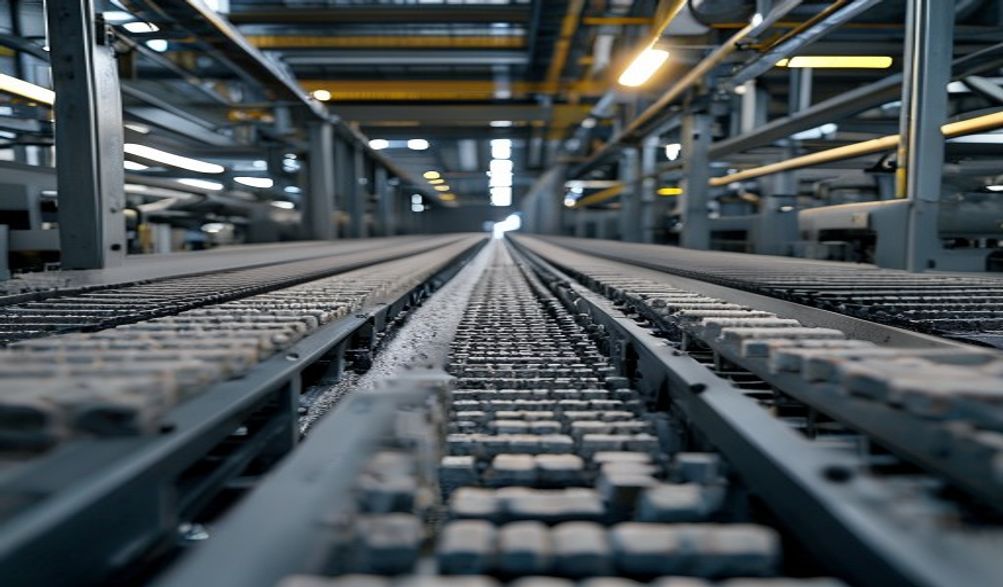
플라이 애시 벽돌 제조 기계 회사 선택 방법: 종합 구매자 가이드
소개
지속 가능한 건설로의 세계적 전환은 부인할 수 없습니다. 이 그린 빌딩 혁신의 최전선에는 폐기물 부산물을 활용하는 내구성 있고 친환경적인 대안인 플라이 애시 벽돌이 있습니다. 그러나 사업의 성공은 한 가지 중요한 결정, 즉 적합한 플라이 애시 벽돌 제조 기계 회사를 선택하는 데 달려 있습니다.
수십 년간 축적된 건설 장비 및 공장 설립 분야의 산업 경험을 바탕으로, 우리는 그 위험성을 잘 이해하고 있습니다. 잘못된 선택은 지속적인 가동 중단, 일관되지 않은 벽돌 품질, 그리고 궁극적으로 치열한 시장에서의 상당한 재정적 손실로 이어질 수 있습니다.
이 가이드는 복잡한 정보를 정리합니다. 우리는 제조업체를 평가하기 위한 단계별, 전문가 검증 프레임워크를 제공합니다. 우리의 목표는 단순히 기계에 투자하는 것이 아니라 장기적인 수익성과 제품 우수성을 보장하는 전략적 파트너십에 투자할 수 있도록 돕는 것입니다.
건설 기업가, 사업 확장 중인 토목 계약자, 플랜트 관리자, 지속 가능한 건축 자재 스타트업을 운영 중이신 분들께 이 포괄적인 자료를 드립니다.
검색하기 전에 생산 요구사항 파악하기
회사들을 바로 비교하는 것은 흔히 범하는 실수입니다. 먼저, 자신만의 운영 청사진을 명확히 정의해야 합니다. 이 내부 평가가 현명한 구매의 기초가 됩니다.
프로젝트 규모 및 출력 목표 정의하기
비즈니스 모델이 필요한 기계를 결정한다.
- 현실적인 볼륨 추정:계약 확정분, 시장 수요, 성장 전망을 바탕으로 일일 및 월간 벽돌 생산 요구량을 계산하세요. 활용할 수 없는 대규모 생산 능력에 과도하게 투자하지 마십시오.
- 규모 범주:
- 소규모 / 스타트업일일 생산량 1,000~5,000개의 벽돌. 주로 수동 또는 반자동 기계로 작업됩니다.
- 중견기업 / 성장 기업일일 벽돌 생산량은 5,000~20,000개입니다. 일반적으로 반자동 또는 완전 자동 시스템이 필요합니다.
- 대규모 / 산업 플랜트:日产超过2万块砖。需要高端全自动生产线。
주요 기술 사양 결정 사항
규모를 고려하여 이러한 핵심 기술적 측면에 집중하십시오.
- 기계 유형:이것이 당신의 근본적인 선택입니다.
- 완전 자동고속, 일관된 생산량에 최소한의 수작업 필요. 자본 투자는 높지만 벽돌당 운영 비용은 낮음. 대규모 생산에 이상적.
- 반자동자동화와 수동 처리를 균형 있게 결합하며(예: 원료 공급, 벽돌 제거), 중간 규모 작업에 적합한 생산성과 경제성을 제공합니다.
- 매뉴얼:노동 집약적이며 초기 비용이 가장 낮습니다. 자본이 제한된 소규모 또는 농촌 프로젝트에 적합합니다.
- 벽돌 크기 및 종류:기계가 필요한 특정 벽돌(단단한 벽돌, 속 빈 벽돌, 포장용 벽돌, 맞물림 벽돌)을 원하는 치수로 생산할 수 있는지 확인하세요.
- 사이클 타임 & 생산 능력: The machine’s speed (cycle time per brick) directly translates to its hourly production capacity (bricks per hour). Match this to your output goals.
- 압력 등급 (톤수): This is critical for brick strength (compressive strength). Higher pressure machines produce denser, stronger bricks that command better prices and meet stricter building codes.
Raw Material Considerations
The machine must be compatible with your input.
- Know the quality and source of your primary raw material: fly ash.
- Define the proportions of your mix design (e.g., fly ash, cement, lime, gypsum, slag, or sand). Share this mix with potential suppliers to ensure their machine is calibrated for it.
Core Criteria for Evaluating Fly Ash Brick Machine Companies
Now, with your specifications sheet in hand, you can critically assess potential partners.
Manufacturing Expertise and Industry Experience
A company’s history is a proxy for its stability and knowledge.
- Specialization Matters: Prefer companies that specialize in brick and block making machinery over general-purpose equipment dealers.
- Research Their Track Record: Look for a proven history (5-10+ years is a good benchmark). Explore their client portfolio for projects similar to yours in scale.
Machine Quality and Technology Assessment
This is where you scrutinize the product itself.
- 빌드 품질: Inquire about the steel grade used in the frame and molds, the quality of welding, and the precision of assembly. Robust construction ensures longevity and vibration resistance.
- Technology & Innovation: Evaluate the control systems (PLC is standard for automatics), hydraulic systems, and automation features. Modern, efficient technology improves consistency and reduces energy consumption.
- 출력 일관성 The machine should produce bricks of uniform size, shape, and density, batch after batch.
Comprehensive After-Sales Support
This criterion often separates market leaders from the rest. Consider support as part of the core product.
Availability of Installation, Commissioning, and Training
Will they send an engineer to supervise installation, commission the machine, and train your operators? On-site training is invaluable for smooth startup.
Warranty Periods, Spare Parts Availability, and Service Network
- A clear, comprehensive warranty (at least 12 months on critical parts) is essential.
- Ask about the availability of spare parts. Is there a local stockist or a guaranteed dispatch time?
- A responsive service network, even if via capable local technicians, prevents extended downtime.
Remember: Superior after-sales support is always more valuable than a marginally lower price. It safeguards your investment for years.
Transparency in Pricing and Value Proposition
Beware of opaque pricing.
- Detailed Cost Breakdown: A professional quote should itemize the machine cost, shipping, insurance, taxes, and installation/commissioning fees.
- Value vs. Price: The cheapest option is rarely the most economical in the long run. Evaluate the total cost of ownership, including expected maintenance, part replacement costs, and energy efficiency.
- Payment Terms: Clear, secure payment terms (e.g., % advance, % before shipment, % after installation) are a sign of a reputable company.
The Essential Due Diligence Checklist
Turn your evaluation into actionable steps with this due diligence process.
Requesting and Analyzing Quotations
Get detailed quotes from at least 3-4 shortlisted companies.
- Ensure every quote includes the exact same specifications (model, capacity, pressure, included accessories) so you are comparing “apples to apples.”
- Scrutinize what’s included (e.g., free spare parts kit, mold for one brick type) and what’s extra.
Verifying Claims: Client References and Site Visits
Trust, but verify.
- Ask for References: Request contact details for 2-3 clients in your region or with a similar machine model. Call them. Ask about machine performance, brick quality, and most importantly, the company’s after-sales responsiveness.
- Visit a Running Plant: This is the single most insightful step. Seeing the machine in operation, speaking directly to its owners, and inspecting the bricks it produces provides unparalleled evidence.
Inspecting Manufacturing Facilities (or Virtual Tours)
Assess the maker’s own standards.
- If possible, visit the company’s manufacturing unit. Observe their workshop organization, quality control processes, and inventory of raw materials (like steel).
- If a physical visit isn’t feasible, request a detailed virtual video tour. A reputable company will be transparent.
Reviewing Certifications and Compliance
Look for independent validation of quality.
- 자격증: ISO 9001 certification indicates a structured quality management system. CE marking may be relevant for certain markets.
- 준수 The machine should comply with national safety and machinery standards.
Red Flags and Common Pitfalls to Avoid
Steer clear of these warning signs to protect your investment.
- Ghost Companies: No verifiable physical address, landline phone number, or company history.
- Vagueness: Unwillingness to provide detailed technical specifications, drawings, or clear documentation.
- Too-Good-To-Be-True Pricing: Extremely low quotes often signal inferior materials, hidden costs, or a complete lack of service.
- Pressure Tactics: High-pressure sales pushing for immediate payment or claiming “limited-time offers.”
- No Service Plan: Ambiguous or non-existent warranty terms and no talk of after-sales support. The conversation ends at the sale.
자주 묻는 질문 (FAQ)
Q1: What is the typical price range for a fly ash brick making machine?
A: Prices vary dramatically based on automation and capacity. Manual machines can start around $5,000-$10,000, semi-automatic machines from $15,000 to $50,000, and fully automatic production lines can range from $50,000 to over $200,000. A detailed, specification-based quote is the only way to get an accurate price.
Q2: How crucial is after-sales service, and what should it include?
A: It is absolutely critical. Comprehensive service should include supervised installation, machine commissioning, thorough operator training, a clear warranty (minimum 1 year on core components), and guaranteed availability of critical spare parts.
Q3: Can I visit a running plant of a shortlisted company?
A: A confident and reputable company should actively encourage or facilitate this. If they are hesitant or refuse without a compelling reason, consider it a major red flag. It may indicate a lack of satisfied customers or that their machines are not performing as advertised.
Q4: What’s the difference between a fully automatic and semi-automatic machine for my new business?
A: A 완전 자동 기계 handles the entire process (feeding, mixing, compressing, ejecting, stacking) with minimal human intervention. It’s for high-volume, consistent output but requires a higher initial investment. A 반자동 기계 automates the pressing but requires manual feeding of raw material and removal of finished bricks. It offers a lower entry cost and is suitable for medium-scale production but involves more labor.
Q5: How do I assess the final brick quality a machine will produce?
A: Always ask for sample bricks. The best samples come from an existing client’s plant. You can also have the company produce samples using your specific raw material mix. For absolute confidence, send these samples to a certified construction materials laboratory for a compressive strength test.
결론
Choosing a fly ash brick making machine company is a strategic decision that forms the backbone of your operation. It’s about forging a partnership that extends far beyond the initial purchase.
By first understanding your own production needs, then rigorously evaluating companies on their expertise, machine quality, and—most importantly—their commitment to after-sales support, you de-risk your investment. The essential steps of due diligence—analyzing quotes, verifying references, and conducting site visits—transform you from a hopeful buyer into an informed decision-maker.
As a final piece of expert advice: prioritize long-term reliability and operational smoothness over short-term cost savings. The right machine from the right partner is not an expense; it’s a profit-generating asset that will pay for itself many times over.
Ready to take the next step with confidence? Download our detailed Fly Ash Brick Machine Specification Checklist to ensure you cover every critical point during your evaluation. Have a specific question about your project? Share it in the comments below for tailored expert advice.
This guide was authored by our industrial equipment consulting team, with combined experience of over 40 years in the construction machinery sector. We specialize in providing unbiased, in-depth analysis to help businesses make informed capital investment decisions in building material production.
<