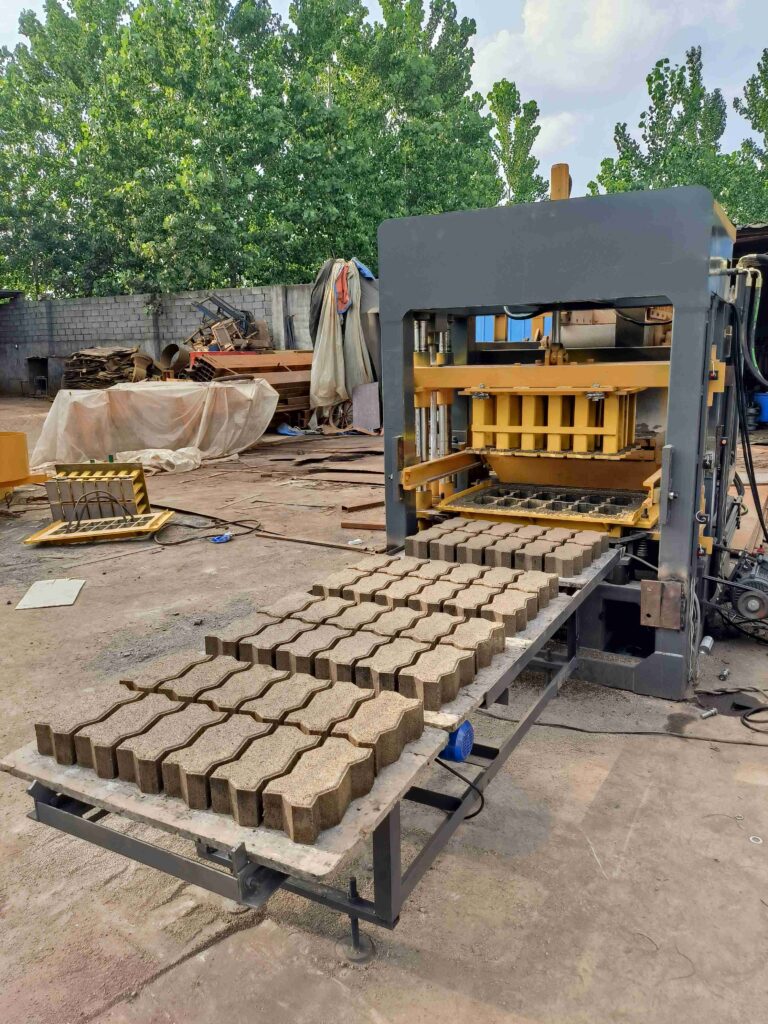
벽돌 제조 기계 가격 목록: B2B 파트너를 위한 종합 가이드
1. 서론
건설 기계 분야에서 운영되는 유통업체, 대리점, 구매자에게 벽돌 제조 기계의 가격 구조를 이해하는 것은 조달 전략을 최적화하고 이윤을 극대화하며 고객 요구를 충족하는 데 중요한 단계입니다. 벽돌 제조 기계는 다양한 종류의 벽돌(점토 벽돌, 콘크리트 벽돌, 중공 벽돌, 맞물림 벽돌 포함)을 생산하는 필수 장비로서, 기술 사양, 생산 능력, 자동화 수준, 재료 품질, 애프터서비스 지원 등의 조합에 따라 가격이 크게 달라집니다.
2. 본문
2.1 벽돌 제조 기계 가격에 영향을 미치는 주요 요인
벽돌 제조기 가격은 임의로 결정되는 것이 아니라 기술적, 기능적, 시장 관련 요소들이 복합적으로 작용하여 산정됩니다. B2B 파트너에게 이러한 변수를 이해하는 것은 유리한 거래를 협상하고, 고객에게 가격대를 설명하며, 최상의 가성비를 제공하는 기계를 선택하는 데 필수적입니다.
2.1.1 생산 능력
Production capacity is one of the most significant determinants of price. Machines are typically categorized by their hourly or daily output, measured in number of bricks. Small-scale machines, designed for small workshops or local construction projects, usually produce 1,000–5,000 bricks per hour, with prices ranging from \(5,000 to \)20,000. These machines are ideal for distributors targeting small to medium-sized construction firms or rural markets where demand is moderate.
Medium-scale machines, with an output of 5,000–15,000 bricks per hour, cater to larger construction projects, such as residential complexes, roads, and commercial buildings. Their prices fall between \(20,000 and \)60,000, reflecting enhanced structural durability, more powerful motors, and improved brick molding precision. For distributors serving regional construction hubs or government infrastructure projects, medium-scale machines offer a balance between capacity and cost.
Large-scale machines, producing 15,000–50,000 bricks per hour or more, are engineered for industrial-grade production. These machines feature fully automated production lines, including raw material feeding, mixing, molding, curing, and stacking systems. Prices for large-scale models range from \(60,000 to \)200,000 or higher, depending on customization options (e.g., multi-brick type production, energy-saving features, or integration with smart monitoring systems). Purchasers supplying to large construction conglomerates or international markets often prioritize these high-capacity machines for their efficiency and scalability.
2.1.2 자동화 수준
자동화 수준은 벽돌 제조 기계의 가격과 운영 효율성에 직접적인 영향을 미칩니다. 수동 및 반자동 기계는 더 저렴하지만 더 많은 노동력을 필요로 하는 반면, 완전 자동 모델은 가격이 더 높지만 장기적인 운영 비용을 절감합니다.
Manual brick making machines are the most budget-friendly option, with prices starting as low as \(1,000–\)5,000. These machines rely on human labor for raw material mixing, feeding, and brick extraction, making them suitable for small-scale operations in areas with low labor costs. However, their low production efficiency (usually 200–1,000 bricks per hour) and higher error rates limit their appeal for large orders. Distributors targeting micro-enterprises or rural construction markets may find manual machines a viable entry-level product.
Semi-automatic machines strike a balance between cost and efficiency, with prices ranging from \(5,000 to \)30,000. They automate key processes such as mixing and molding, while requiring manual labor for feeding raw materials and stacking finished bricks. Semi-automatic models offer an output of 1,000–8,000 bricks per hour and are popular among distributors serving small to medium construction firms that seek to reduce labor costs without investing in fully automated systems. Their versatility—ability to produce multiple brick types with minimal adjustments—also adds to their market appeal.
Fully automatic brick making machines represent the high-end segment, with prices from \(30,000 to \)200,000+. These machines integrate advanced technologies such as PLC (Programmable Logic Controller) systems, touchscreen interfaces, and sensor-based quality control. They can operate 24/7 with minimal human intervention, reducing labor costs by 50–80% compared to manual or semi-automatic models. Fully automatic machines also ensure consistent brick quality, lower material waste (typically 3–5% vs. 10–15% for manual models), and faster production cycles. For distributors and purchasers focusing on large-scale projects or clients with strict quality standards, fully automatic machines are a premium offering that justifies their higher price through long-term savings and reliability.
2.1.3 소재 및 제작 품질
벽돌 제조기의 내구성과 성능은 기계 제작에 사용된 재료에 크게 좌우됩니다. 고품질 강철, 주철 및 내마모성 부품으로 제작된 기계는 일반적으로 수명이 더 길며(저품질 모델의 2~3년 대비 5~10년), 유지보수가 적게 필요해 초기 가격은 높지만 총소유 비용은 낮습니다.
프레임과 구조 재료는 벽돌 성형 과정에서 발생하는 고압과 진동을 견디는 데 중요하다. 두꺼운 강철 프레임(두께 8~12mm)과 강화 주철 성형 챔버를 갖춘 기계는 경량 강철(4~6mm)이나 알루미늄 프레임을 사용한 기계보다 가격이 20~30% 더 높다. 벽돌을 직접 성형하는 금형도 핵심 부품이다: 경화강이나 텅스텐 카바이드로 만든 금형은 비용이 더 들지만, 일반 강철 금형의 10,000~50,000개 벽돌 대비 교체 전까지 100,000~500,000개의 벽돌을 생산할 수 있다.
모터, 유압 시스템, 컨베이어 벨트 같은 기타 부품들도 가격에 영향을 미칩니다. 고효율 모터(IE3 또는 IE4 등급)는 에너지 소비를 15~25% 줄이고 보증 기간이 더 길며(2~5년), 초기 비용은 높지만 운영 비용은 낮춥니다. 신뢰할 수 있는 제조사의 유압 시스템(압력 등급 16~32MPa)은 원활한 작동과 더 빠른 사이클 타임을 보장하여 추가 가격 프리미엄을 정당화합니다.
For B2B partners, emphasizing build quality is a key selling point, as clients are often willing to pay more for machines that minimize downtime and maintenance costs. Distributors should also consider the availability of replacement parts, as machines with standardized components are easier to service and have lower long-term costs.
2.1.4 Brick Type and Customization
Brick making machines are designed to produce specific types of bricks, and their price varies based on the complexity of the molding process. Standard machines for producing solid clay bricks or concrete blocks are more affordable, while machines for interlocking bricks, hollow bricks, or special-shaped bricks (e.g., paving stones, curbstones) command higher prices due to specialized molds and production processes.
Standard brick machines (for solid bricks) range from \(5,000 to \)60,000, depending on capacity and automation. These machines use simple molds and straightforward compression or extrusion processes, making them suitable for general construction purposes. Interlocking brick machines, which produce bricks with interlocking edges for easier installation, cost \(10,000–\)80,000. The molds for interlocking bricks are more complex, requiring precise engineering to ensure a tight fit, and the production process may involve additional steps such as surface texturing or color coating.
Hollow brick machines, which produce bricks with hollow cores to reduce weight and improve insulation, range from \(15,000 to \)100,000. These machines require higher pressure (20–32 MPa) to ensure structural integrity, and the molds must be designed to prevent collapse during production. Special-shaped brick machines, which can produce custom designs based on client specifications, are the most expensive, with prices starting at \(50,000 and going up to \)200,000+. These machines often require custom molds (costing \(2,000–\)10,000 each) and may involve additional processes such as vibration molding or steam curing.
Customization options also impact price. For example, adding a color mixing system to produce colored bricks can increase the machine price by 10–20%, while integrating a curing chamber (to accelerate brick hardening) can add \(5,000–\)20,000. Distributors and purchasers should assess market demand for specific brick types in their target regions and offer customization options that align with client needs—even if it means higher initial costs, as specialized machines often have higher profit margins.
2.1.5 After-Sales Support and Warranty
After-sales support is a crucial factor for B2B partners, as clients expect reliable service to minimize downtime. Machines with comprehensive warranty coverage and accessible after-sales services tend to have higher prices, but they also reduce the risk of customer dissatisfaction and returns.
Warranty periods typically range from 1–5 years, with prices increasing by 5–15% for each additional year of coverage. Basic warranties usually cover mechanical components (motors, hydraulic systems) but exclude wear-and-tear parts (molds, conveyor belts). Extended warranties that cover labor and replacement parts can add 10–20% to the machine price but provide peace of mind to clients.
After-sales services such as technical training, on-site installation, and 24/7 customer support also influence pricing. Manufacturers that offer free on-site installation and training (valued at \(1,000–\)5,000) often include these costs in the machine price, while those that charge for these services may offer lower upfront prices but higher long-term costs for clients. For distributors, partnering with manufacturers that provide robust after-sales support can enhance their reputation and reduce the burden of handling customer complaints.
2.2 Price Ranges by Machine Type and Application
To help B2B partners navigate the market, we’ve compiled a detailed breakdown of brick making machine price ranges based on machine type, capacity, and application. This section provides practical reference points for pricing strategies, procurement negotiations, and client consultations.
2.2.1 Small-Scale Brick Making Machines (Output: 1,000–5,000 Bricks/Hour)
- 수동 기계: \(1,000–\)5,000. Suitable for micro-enterprises, rural construction, or emergency projects. Key features: simple structure, low power consumption (1–3 kW), and easy operation. Limitations: low efficiency, high labor requirements, and limited brick quality consistency.
- 반자동 기계: \(5,000–\)20,000. Ideal for small construction firms, local distributors, or projects with moderate demand. Key features: automated mixing and molding, output of 1,000–5,000 bricks/hour, power consumption of 3–10 kW, and compatibility with multiple raw materials (clay, concrete, sand).
- Applications: Residential houses, small commercial buildings, garden pathways, and rural infrastructure projects. Distributors targeting price-sensitive markets or first-time buyers often prioritize small-scale machines due to their low entry cost.
2.2.2 Medium-Scale Brick Making Machines (Output: 5,000–15,000 Bricks/Hour)
- 반자동 기계: \(20,000–\)40,000. Key features: enhanced production capacity, improved mold precision, power consumption of 10–20 kW, and semi-automatic stacking systems. Suitable for regional construction projects, medium-sized building firms, or distributors serving multiple small clients.
- 완전 자동 기계: \(40,000–\)60,000. Key features: PLC control systems, automatic raw material feeding, molding, and curing, output of 8,000–15,000 bricks/hour, power consumption of 20–30 kW, and brick quality consistency (error rate Applications: Residential complexes, schools, hospitals, roads, and government-funded infrastructure projects. Medium-scale machines are popular among distributors operating in urban or suburban areas, where demand for bricks is higher and clients value efficiency and quality.
2.2.3 Large-Scale Brick Making Machines (Output: 15,000–50,000+ Bricks/Hour)
- 완전 자동화 생산 라인: \(60,000–\)200,000+. Key features: integrated production systems (mixing, molding, curing, stacking, packaging), output of 15,000–50,000+ bricks/hour, power consumption of 30–100 kW, energy-saving technologies (e.g., solar-powered curing chambers), and smart monitoring (remote operation and maintenance alerts).
- Customized Industrial Machines: \(150,000–\)500,000+. Designed for specialized applications, such as high-strength engineering bricks, fire-resistant bricks, or large-format paving stones. Key features: custom molds, high-pressure molding (32–64 MPa), advanced material processing systems, and compliance with international quality standards (e.g., ISO, ASTM).
- Applications: Large construction projects (skyscrapers, highways, bridges), industrial zones, and export markets. Purchasers supplying to multinational construction companies or government mega-projects often invest in large-scale machines for their scalability and ability to meet strict delivery deadlines.
2.3 Cost-Benefit Analysis for B2B Partners
For distributors, distributors, and purchasers, evaluating the cost-benefit ratio of brick making machines is crucial to maximizing profitability. A lower upfront price may not always translate to better value, as factors such as operational costs, maintenance expenses, and resale value also impact long-term returns.
2.3.1 Upfront Cost vs. Operational Cost
Manual and semi-automatic machines have lower upfront prices but higher operational costs due to labor and material waste. For example, a manual machine costing \(3,000 may require 2–3 workers (at \)10–\(15 per hour) to produce 500 bricks/hour, resulting in a labor cost of \)0.04–\(0.09 per brick. In contrast, a fully automatic machine costing \)50,000 may require only 1 worker to monitor production, producing 10,000 bricks/hour with a labor cost of \(0.001–\)0.0015 per brick. Over a year of operation (2,000 hours), the manual machine’s labor cost totals \(40,000–\)90,000, while the fully automatic machine’s labor cost is \(2,000–\)3,000—offsetting the higher upfront price.
Material waste is another key factor. Manual machines have a waste rate of 10–15%, while fully automatic machines reduce waste to 3–5%. For a project requiring 1 million bricks, a manual machine would waste 100,000–150,000 bricks (costing \(5,000–\)7,500 in raw materials), while a fully automatic machine would waste only 30,000–50,000 bricks (costing \(1,500–\)2,500). Over time, these savings can significantly impact profit margins.
2.3.2 Maintenance and Downtime Costs
Low-quality machines may have lower upfront prices but higher maintenance costs and longer downtime. For example, a cheap semi-automatic machine costing \(10,000 may require monthly maintenance (costing \)500–\(1,000) and experience 10–15 days of downtime per year (resulting in lost revenue of \)5,000–\(10,000). In contrast, a high-quality machine costing \)25,000 may require quarterly maintenance (costing \(300–\)600) and have only 2–3 days of downtime per year (lost revenue of \(1,000–\)2,000). Over a 5-year lifespan, the total maintenance and downtime cost of the cheap machine is \(25,000–\)50,000, while the high-quality machine’s cost is \(6,000–\)12,000—making the latter a more cost-effective choice.
Distributors should also consider the availability of replacement parts. Machines with standardized components are easier to repair, as parts can be sourced locally or online at lower costs. Machines with proprietary components may require ordering parts directly from the manufacturer, leading to longer downtime and higher costs.
2.3.3 Resale Value and Scalability
High-quality brick making machines retain their value better than low-quality models. A well-maintained fully automatic machine can be resold for 40–60% of its original price after 5 years, while a low-quality machine may have a resale value of only 10–20%. For purchasers who plan to upgrade their equipment or expand their operations, a machine with good resale value reduces the financial risk of investment.
Scalability is another important consideration. Medium and large-scale machines often allow for capacity upgrades (e.g., adding additional molds, increasing motor power, or integrating new production modules) without replacing the entire machine. This flexibility enables B2B partners to adapt to changing market demand and client needs, maximizing the return on investment.