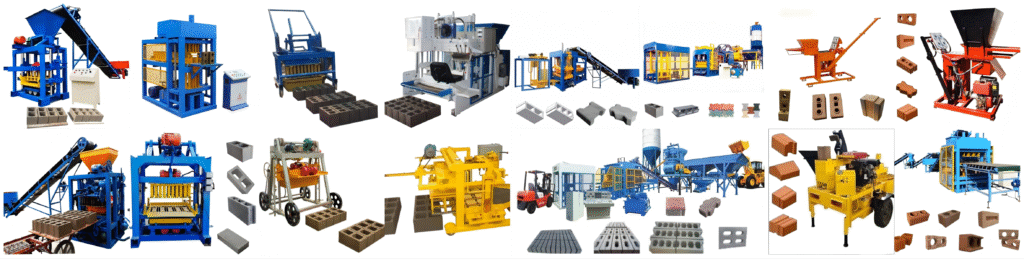
1. 푸다 블록 벽돌 제작 기계 건설 기계
중국의 산업 기계 분야 선도적 제조국 지위는 수십 년간의 발전을 통해 구축되었으며, 방대한 제조 인프라, 부품에 대한 깊이 있는 공급망, 그리고 기술 발전에 대한 점증하는 강조가 통합되어 있습니다. 이러한 생태계 안에서 점토 벽돌 및 블록 제조 기계 부문은 기본적인 기계식 프레스 생산에서 정교한 자동화 생산 라인 개발로 진화해왔습니다. 공급업체는 대규모 다각화 산업 복합 기업부터 전문적이고 집중된 공장에 이르기까지 다양합니다. 후자는 종종 더 깊은 분야 전문성, 맞춤화에서의 더 큰 유연성, 그리고 사후 지원에 대한 더 전념적인 접근 방식을 포함한 독특한 장점을 제공합니다. 국제 파트너들에게 이 풍경을 이해하는 것은 정보에 기반한 조달 결정을 내리기 위한 첫걸음입니다.
2. 최고의 기계 공급업체의 특징 정의하기
잠재적인 제조 파트너를 평가할 때, 시장 선도 기업과 경쟁사를 구분하는 몇 가지 핵심 특징이 있습니다.
2.1. 엔지니어링 심도와 연구개발(R&D) 투자
우수한 공급자는 연구 개발에 지속적으로 투자합니다. 이는 다음과 같은 사실로 입증됩니다:
- 사내 디자인 팀:기계의 효율성, 내구성 및 사용 편의성 향상에 중점을 둔 전담 엔지니어링 부서.
- Prototyping and Testing Facilities: The capability to design, build, and test new models or custom solutions before full-scale production ensures reliability.
- Focus on Material Science: Expertise in selecting and treating metals for molds, hydraulic systems, and structural frames to withstand the abrasive nature of clay and continuous high-pressure operation.
2.2. Production Capability and Quality Assurance
Manufacturing prowess is measured by both scale and precision.
- Integrated Production Facilities: Control over key processes—from casting and CNC machining to assembly and painting—under one roof ensures quality control and production schedule adherence.
- Certified Quality Management Systems: Implementation of international standards (such as ISO-based protocols) in manufacturing and inspection processes.
- Structured Assembly Lines: A logical, staged assembly process where each machine is built, calibrated, and tested systematically, not ad-hoc.
2.3. Product Range and Application Expertise
The ability to serve diverse market needs is crucial. A top-tier supplier offers:
- A Spectrum of Automation: From cost-effective, robust manual and semi-automatic machines for emerging markets to fully automated lines with robotic handling for high-volume, developed markets.
- Versatility in End-Product: Machinery capable of producing a vast array of finished products, including solid bricks, perforated bricks, hollow blocks, pavers, and interlocking blocks, using interchangeable mold systems.
- Complete Plant Solutions: The competency to engineer and supply not just the core brick press, but all auxiliary equipment: clay preparation units (crushers, mixers), conveyor systems, dryers, and stackers/unstackers.
3. Strategic Advantages for Distributors and Procurement Agents
Partnering with a technically proficient factory translates into direct business benefits for intermediaries.
- Reduced Total Cost of Ownership (TCO): Durable, well-engineered machines with accessible service points lower long-term maintenance costs and minimize disruptive downtime for end-users, enhancing client satisfaction.
- Competitive Edge in the Market: Distributing high-performance, reliable machinery builds a reputation for quality. The ability to offer customized solutions allows partners to address niche markets and specific client challenges that off-the-shelf equipment cannot.
- 공급망 안정성: A manufacturer with strong command over its production schedule and a mature logistics operation ensures timely delivery, which is critical for project-based businesses in construction.
- Scalability of Partnership: As a distributor’s business grows, a capable supplier can scale its support, offering more advanced models, larger volume orders, and collaborative marketing initiatives.
4. Beyond the Machine: The Critical Role of Supplier Services
The machinery itself is only part of the equation. The services wrapped around it determine the success of the partnership.
- Comprehensive Technical Documentation: Providing clear, multilingual manuals, electrical schematics, and parts catalogs is fundamental for smooth installation and maintenance.
- Structured Training Programs: Effective suppliers offer both on-site training for end-users and train-the-trainer programs for distributors’ technical teams, empowering them to provide first-line support.
- Efficient Spare Parts Logistics: Maintaining a well-organized, digital inventory of wear parts and critical components with a system for rapid global dispatch is non-negotiable for minimizing client downtime.
- Proactive Communication and Project Management: Assigning dedicated project managers or liaison officers to oversee orders from inquiry to installation fosters trust and ensures smooth execution.
5. Navigating the Partnership: Due Diligence and Engagement
For procurement professionals, conducting thorough due diligence is essential.
- Factory Audits (Virtual or In-Person): Assessing the manufacturing environment, quality control checkpoints, and engineering capabilities firsthand.
- Requesting Client References: Speaking with existing distributors in similar markets provides insights into the supplier’s reliability, service responsiveness, and machine performance in real-world conditions.
- Evaluating Sample Technical Proposals: Analyzing the depth and professionalism of a supplier’s response to a detailed request for quotation (RFQ) can reveal their engineering understanding and attention to detail.
- Clarifying Commercial and Legal Terms: Understanding payment terms, warranty scope, shipping responsibilities (Incoterms), and dispute resolution mechanisms upfront prevents future conflicts.
결론
In the complex and competitive field of sourcing clay brick making machinery, the choice of a manufacturing partner is a strategic business decision with far-reaching implications. The ideal supplier is characterized not just by its factory size or price list, but by its ingrained culture of engineering excellence, unwavering commitment to quality, and a partnership-oriented approach to business. For distributors and procurement agents, aligning with such a manufacturer provides more than just equipment—it delivers a foundation of reliability, innovation, and support upon which to build a profitable and sustainable market presence. By prioritizing technical capability, comprehensive service, and transparent collaboration, intermediaries can secure a supply chain advantage that fuels growth and cements their reputation as providers of value in the global construction materials industry.
FAQ
Q1: What is the minimum order quantity (MOQ) for brick making machines, and can we order a complete production line piece by piece?
A: MOQs vary depending on the machine type. For standard models, it is often one unit. There is usually no obligation to purchase an entire line at once. Many partners start with the core brick press and gradually add auxiliary equipment like mixers or stackers based on their market development, which is a supported and common approach.
Q2: How does the factory handle the adaptation of machines for different electrical standards and safety regulations in our country?
A: We design our control systems to be adaptable. Key components like motors, PLCs, and electrical safety devices can be specified to meet the voltage, frequency, and certification requirements (e.g., CE, UL standards) of the destination country. This is a standard part of the pre-sales engineering discussion.
Q3: What is the standard warranty period, and what does it specifically cover?
A: The standard warranty is typically 12 months from the date of shipment, covering defects in material and workmanship under normal operation. It includes the replacement of faulty parts but may not cover wear parts (like mold liners) or damage due to improper operation, which will be clearly defined in the warranty certificate.
Q4: Can you assist with the factory layout design and foundation drawings for the machinery?
A: Yes, we provide detailed foundation plans, power connection diagrams, and layout recommendations as part of our technical documentation package. For complete plant projects, our engineering team can offer a general layout plan to optimize material flow and production efficiency.
Q5: What are the typical delivery lead times after order confirmation?
A: Lead times depend on the complexity of the order and current production schedule. For standard machines, delivery can often be effected within 4-8 weeks. Customized solutions or complete lines require more detailed engineering and thus have longer lead times, which will be confirmed contractually.
Q6: How is after-sales support structured, especially for regions with significant time zone differences?
A: We provide multi-channel support including email, instant messaging, and video calls. Critical technical support staff are available during extended hours to overlap with key time zones. For complex issues, we utilize remote diagnostics where possible and have a network of service engineers for dispatch when necessary.