
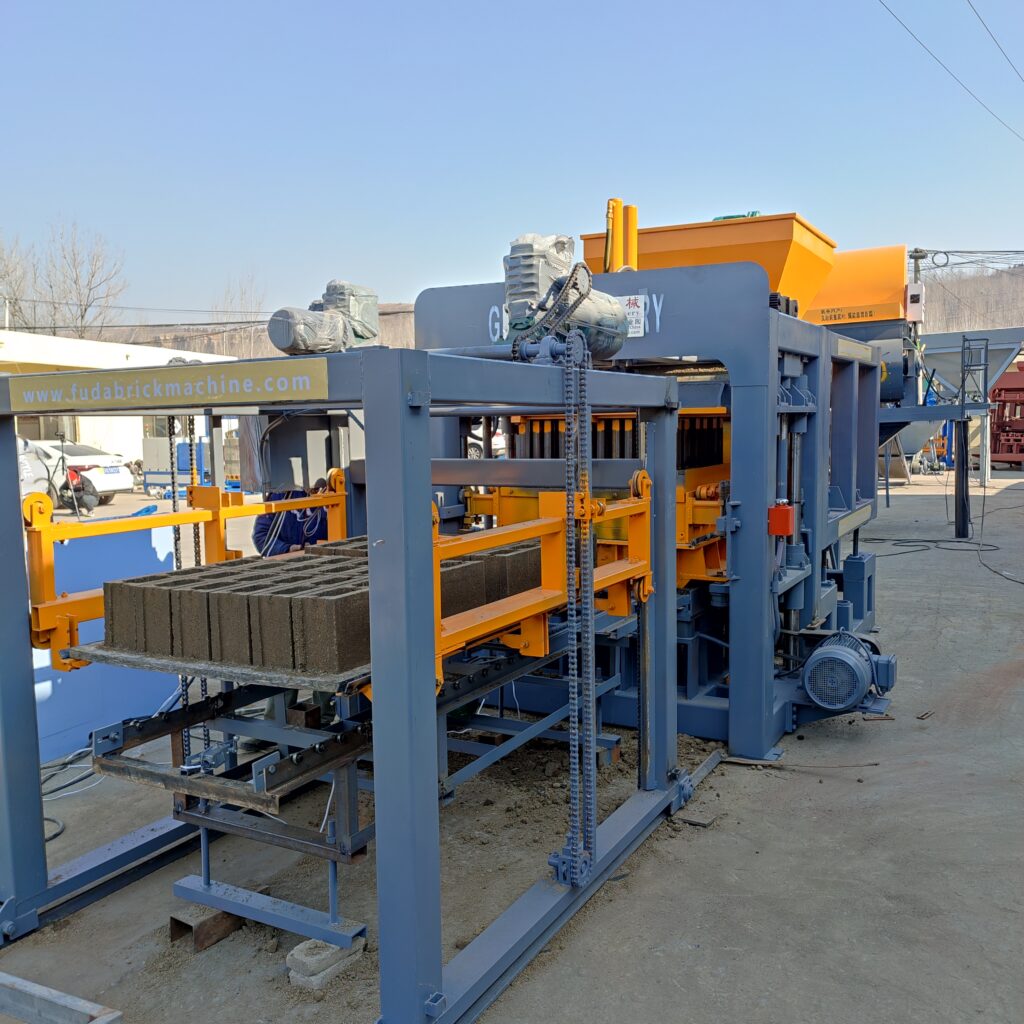
블록 제작 비용 계산을 위한 구조화된 프레임워크
정확하게 단일 블록의 생산 비용을 결정하기 위해서는 모든 직접 및 간접 비용을 체계적으로 파악하는 접근 방식이 필요합니다. 공식은 간단합니다:블록당 총 생산 비용 = (총 직접 비용 + 총 간접 비용) / 총 생산 블록 수복잡성은 모든 비용 구성 요소의 세심한 배분에 있습니다.
1. 직접(변동) 비용: 생산량에 연동된 비용
이 비용들은 생산된 블록의 수량에 따라 직접적으로 변동합니다.
- 원자재 비용(블록당):이는 가장 중요한 변동 비용입니다.
- 계산:단일 블록 제조에 사용된 각 재료(시멘트, 모래, 골재, 물 및 모든 혼화제)의 정확한 수량(중량 또는 부피 기준)을 배합 설계에 기반하여 산정하십시오.
- 예시:블록 하나에 시멘트 1.5kg이 사용되고, 시멘트 1kg당 가격이 0.10달러라면, 블록당 시멘트 비용은 0.15달러입니다. 모든 재료에 대해 이 과정을 반복하고 총합을 구하세요.
- 블록당 직접 인건비:제조 과정에 직접 참여하는 인력의 임금
- 계산:특정 기간(예: 1주일) 동안 기계 조작원, 믹서기, 야드 노동자의 총임금(수당 포함)을 합산합니다. 이 합계를 같은 기간에 생산된 총 블록 수로 나눕니다.
- 블록당 전력/유틸리티 비용: The electricity consumed directly by the production machinery.
- 계산: Track the kilowatt-hour (kWh) consumption of the block machine, mixer, and conveyors over a known production period. Multiply total kWh by the energy rate, then divide by the number of blocks produced to get the cost per block.
2. Indirect (Fixed or Overhead) Costs: Expenses Incurred Regardless of Output
These are the costs of maintaining the business infrastructure, allocated across production.
- Depreciation of Machinery and Equipment: The systematic allocation of the capital cost of assets over their useful life.
- 계산: (Purchase Cost of Machine & Equipment – Estimated Salvage Value) / Useful Life in Years. This annual depreciation cost is then divided by the estimated annual block production to assign a cost per block.
- Rent or Mortgage for Factory Space: The cost of the physical land and buildings.
- Administrative Salaries: Wages for management, sales, and office staff.
- Maintenance & Repair Reserve: An allocated monthly fund for scheduled servicing and unexpected repairs not covered under warranty.
- Marketing, Transportation, and Other General Expenses.
Allocating Indirect Costs: The sum of all monthly/annual indirect costs must be divided by the total number of blocks produced in that period to arrive at an indirect cost per block. This requires a realistic estimate of production capacity utilization.
3. The Importance of Cost Centers and Periodic Review
- Establishing Cost Centers: For clarity, costs should be categorized into centers: Raw Material, Production Labor, Plant Energy, Factory Overhead, and Administration. This granularity helps pinpoint areas for cost-saving initiatives.
- Dynamic Nature of Costs: This calculation is not static. Raw material prices change, labor rates increase, and production efficiency improves. Therefore, the cost of production must be reviewed and recalculated quarterly or whenever a significant input cost changes.
Conclusion: From Calculation to Competitive Strategy
A precise production cost calculation is the bedrock of sound business management in block manufacturing. For the business intermediary, providing clients with this framework elevates the conversation from equipment features to financial empowerment. Armed with accurate cost data, a manufacturer can:
- Set Profitable Prices: Ensure selling prices cover all costs and include a sustainable profit margin.
- Benchmark Efficiency: Compare their cost per block against industry averages or their own historical performance to gauge efficiency.
- Make Informed Decisions: Evaluate the financial impact of buying new equipment, hiring additional labor, or changing a mix design.
- Improve Negotiation Power: Understand their true cost position when negotiating with suppliers or large buyers.
Ultimately, the ability to calculate and control production costs is what separates a thriving, resilient operation from one vulnerable to market fluctuations. By facilitating this financial discipline, you contribute directly to the stability and growth of your clients’ businesses.
자주 묻는 질문 (FAQ)
Q1: How do I account for waste and defective blocks in my cost calculation?
A: Production waste (spilled material) and defectives (blocks broken during demolding or curing) must be included as they consume resources without generating revenue. There are two methods: 1) Increase your raw material factor: Slightly inflate the material quantities used in your “per block” calculation to account for average waste. 2) Reduce your effective output: If you produce 10,000 blocks but 2% are defective, your saleable output is 9,800 blocks. Use this lower number as the denominator in your final cost calculation to absorb the loss.
Q2: Should I include my own salary as the owner in the cost calculation?
A: Yes, for a true picture of profitability. If you are actively working in the business, allocate a fair market salary for your role (e.g., as Plant Manager) as a direct or administrative labor cost. If you are a passive investor, the business’s net profit after all calculated costs is your return.
Q3: How does machine efficiency (blocks per hour) impact the cost per unit?
A: Efficiency dramatically affects the allocation of fixed and indirect costs. A machine running at 70% utilization spreads its depreciation, rent, and administrative costs over more blocks than one running at 40% utilization, resulting in a significantly lower indirect cost burden per block. Maximizing machine uptime is one of the most effective ways to reduce per-unit cost.
Q4: Is it better to use a standard costing system or actual costing?
A: For operational management, a standard cost (a pre-calculated cost based on expected material usage and efficiency) is useful for budgeting and spotting variances. However, for final pricing and profit analysis, you must use actual costs based on real consumption data and production totals from a specific accounting period. Most businesses benefit from using both.
Q5: How can I use this cost data to negotiate with raw material suppliers?
A: Precise knowledge of your material consumption per block makes you a more informed negotiator. You can accurately project your annual volume needs, which can be leveraged for bulk purchase discounts. Furthermore, understanding how a $0.01/kg change in cement price affects your final block cost allows you to assess the real impact of a supplier’s quote on your bottom line.
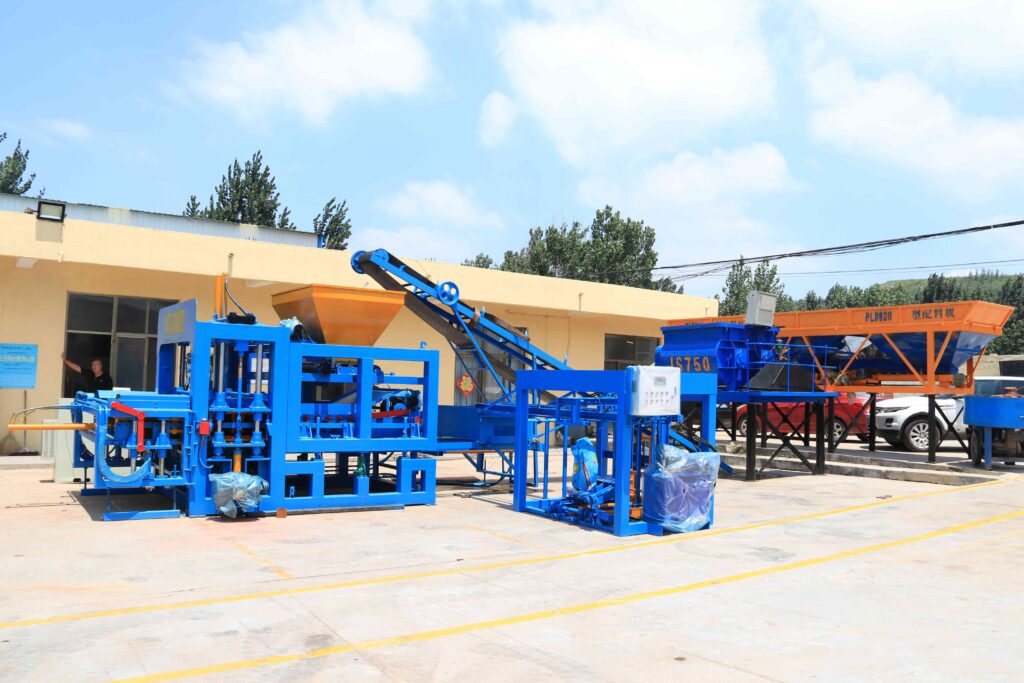
- 자동 블록 제작 기계7 products
- 점토 블록 제조 기계4 products
- 이동식 블록 제작 기계4 products
- 다른 건설 장비5 products
- 반자동 블록 제작 기계4 products