
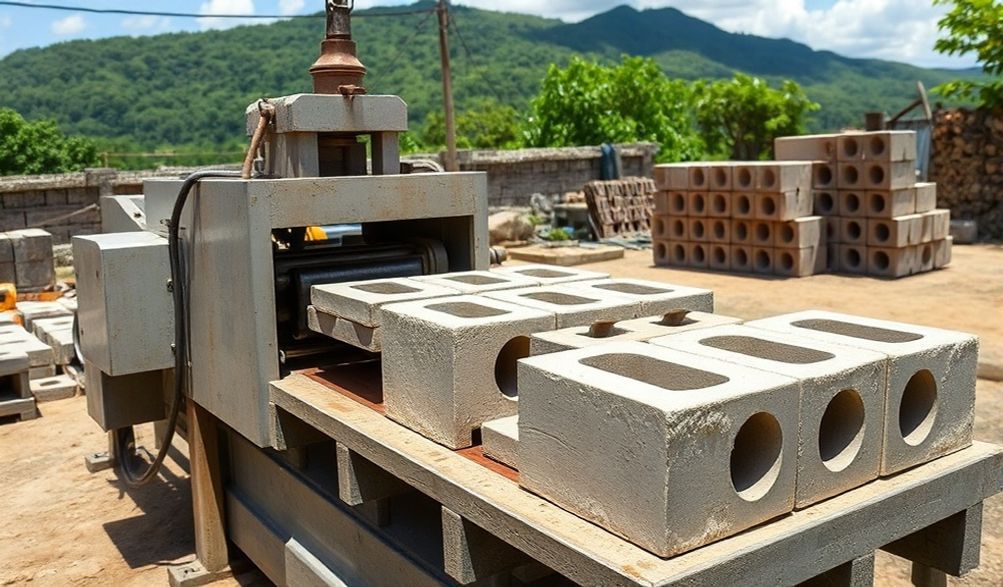
자메이카에서 콘크리트 블록 기계 구매를 위한 최종 가이드 (2024년)
소개
자메이카의 스카이라인이 변모하고 있습니다. 포트모어와 스페니시 타운의 주거 개발부터 주요 관광 및 인프라 프로젝트에 이르기까지, 이 섬은 지속적인 건설 붐을 경험하고 있습니다. 이러한 성장은 저렴하고 신뢰할 수 있는 건축 자재에 대한 중요한 수요를 촉진합니다. 계약자, 개발자 및 기업가에게 이는 중요한 기회를 제시합니다: 자신의 콘크리트 블록을 생산하여 공급망을 통제하고 수익성 있는 사업을 구축할 수 있는 기회입니다.
도전은 무엇일까요? 일관되고 비용 효율적인 블록을 조달하는 것은 시장 가격 변동과 배송 지연에 영향을 받아 병목 현상이 될 수 있습니다. 해결책은 무엇일까요? 바로 자체적인자메이카에서 판매 중인 콘크리트 블록 제조기이것은 단순한 장비가 아닙니다. 귀하의 건설 또는 제조 사업을 위한 독립성, 품질 관리, 장기적 수익성에 대한 전략적 투자입니다.
이 가이드는 귀하의 성공을 염두에 두고 제작되었습니다. 자메이카의 독특한 경제, 규제, 자재 환경에 대한 철저한 산업 연구와 이해를 바탕으로, 우리의 목표는 귀하의 가장 신뢰할 수 있는 정보원이 되는 것입니다. 일반적인 판매 유세를 넘어서 귀하에게 필요한 지역화된 실용적인 지식을 제공할 것입니다. 기계 유형과 주요 사양을 이해하는 것부터 자메이카 수입 물류를 해치고 실제 투자 수익률을 계산하는 과정까지 그 과정을 명확하게 설명해 드리겠습니다. 귀하의 프로젝트와 비즈니스를 발전시키는 확신에 찬, 정보에 기반한 구매로 가는 여정을 시작해 보시기 바랍니다.
콘크리트 블록 제조 기계 이해하기: 종류와 성능
올바른 기계 선택은 사용 가능한 옵션을 이해하는 것에서 시작됩니다. 기술의 범위는 단순한 수동 장비부터 완전 자동화된 생산 라인까지 다양합니다. 선택한 기계는 생산량, 인건비, 초기 자본 투자에 직접적인 영향을 미칩니다.
수동 vs 반자동 vs 완전 자동 블록 기계
핵심 차이는 인간의 개입과 기계화 수준에 있습니다.
-
수동 블록 기계이것은 가장 기본적이고 저렴한 진입점입니다. 이들은 완전히 레버 작동 메커니즘에 의존하여 몰드에 콘크리트 혼합물을 다집니다.
- 최적 대상:매우 소규모 프로젝트, 지역사회 자체 건축 계획, 또는 개인용 블록 제작(예: 주택 증축)에 적합합니다. 노동력 비용이 낮고 전력 공급이 불안정한 지역에 이상적입니다.
- 출력:낮음 (일반적으로 8시간 작업일당 100~400 블록).
-
반자동 블록 기계:이는 자메이카의 중소 규모 사업체들 사이에서 가장 인기 있는 분야입니다. 전기 모터로 진동 시스템을 구동하여 콘크리트를 다지고, 블록의 밀도와 강도를 크게 향상시킵니다. 작업자들은 재료를 수동으로 투입하고 완성된 블록을 제거합니다.
- 최적 대상:소규모 및 중규모 블록 제작 야드, 자체 프로젝트 공급 및 지역 판매를 원하는 계약업체를 위한 스타트업. 생산성, 품질, 비용 간의 탁월한 균형을 제공합니다.
- 출력:중간 (모델에 따라 8시간 교대당 일반적으로 500~2,500 블록).
-
완전 자동 블록 기계: These are complete production systems with automated material feeding, mixing, molding, curing, and stacking. They require minimal manual labor but a much higher capital investment and stable, three-phase electrical power.
- 최적 대상: Large-scale commercial block manufacturing plants aiming to supply major construction companies, government housing projects, or island-wide distribution.
- 출력: High (can exceed 5,000+ blocks per hour).
Comparison Table:
수동 기계 | 반자동 기계 | 완전 자동 기계
| :— | :— | :— | :— |
| Output Per Hour | 15-50 BPH | 60-300+ BPH | 3,000+ BPH |
| 필요한 노동력 | High (2-3 people) | Moderate (2-3 people) | Low (1-2 for supervision) |
| 가격대 | Most Affordable | Moderate Investment | Significant Capital |
| Best For in Jamaica | Personal use, micro-business | Startups, SME block makers | Large-scale manufacturing |
Key Machine Specifications to Understand
When comparing models, these technical terms are crucial:
- Block Output Per Hour (BPH): The theoretical maximum production under ideal conditions. Real-world output will be lower.
- 사이클 타임: The time to complete one molding cycle (filling, compacting, ejecting). A shorter cycle means higher potential output.
- 곰팡이 유형 및 호환성: The heart of the machine. Ensure the seller offers molds for the specific 콘크리트 블록 used in Jamaica. The ability to quickly change molds to produce 홀로우 블록, 단단한 블록그리고paving slabs adds tremendous versatility to your business.
- 전원 공급 장치 Most semi-automatic machines run on standard 220V single-phase electricity. Larger units may require 3-phase industrial power. Diesel options exist but are less common.
- Pressure/Compaction Force: Measured in tons or kilonewtons (kN). Higher vibration force and pressure generally produce denser, stronger blocks—a key factor in meeting building codes.
Popular Block Types You Can Produce in Jamaica
Your machine’s versatility determines your market opportunities. Here are the most in-demand products:
- Standard Hollow Blocks (4″, 6″, 8″): The backbone of Jamaican masonry for load-bearing and partition walls.
- 단단한 블록: Used for foundations, pillars, and areas requiring extreme strength and moisture resistance.
- 포장 슬래브 및 인터록킹 스톤: Crucial for hard landscaping in driveways, patios, commercial plazas, and tourist resort developments.
- Kerb Stones: Essential for road construction, drainage projects, and property boundary definition.
- Decorative Blocks: For aesthetic walls and fencing, popular in residential and commercial designs.
Key Considerations Before Buying in Jamaica
A successful purchase goes beyond the machine specs. It requires honest business planning and an understanding of the local operating environment.
Assessing Your Business Needs and Budget
Start with a clear plan:
* 규모 Are you supplying your own construction company, selling to a local community, or aiming for large commercial contracts?
* 예산 Factor in the 총 소유 비용:
* Machine Price (FOB or CIF)
* Shipping & Insurance to Jamaica
* Import Duties, Customs Administrative Fee (CAF), and General Consumption Tax (GCT)
* Local transportation from the port (Kingston or Montego Bay) to your site
* Installation & foundation preparation
* Initial raw material stock (cement, aggregate)
* A contingency fund (at least 10-15%)
Sourcing Raw Materials: Cement, Aggregate, and More
Your block quality is only as good as your mix. Fortunately, Jamaica has excellent local resources:
* 시멘트: Source reliably from local manufacturers like Caribbean Cement Company.
* 집계 Jamaican quarry dust (a by-product of limestone crushing) is a fantastic, cost-effective component. Combine with sharp sand (e.g., from the Yallahs River) in the right proportions.
* Mix Design: A typical mix for a standard hollow block might be 1 part cement to 6-8 parts aggregate (a blend of quarry dust and sand). Water content is critical—too much weakens the block. You may need to adjust mixes based on the moisture content of your local sand and dust.
Local Challenge Tip: Aggregate consistency can vary. Establish a relationship with a reputable quarry and periodically test your raw materials to ensure consistent block strength.
Navigating Import Regulations and Logistics
This is a critical step where professional advice is non-negotiable. Here is a simplified overview:
- Import License: Ensure you or your importing agent have the necessary business registration and import rights.
- Engage a Licensed Customs Broker: This is our strongest recommendation. A local broker will handle the complex clearance process with the Jamaica Customs Agency, ensuring correct classification and duty payment.
- Understand the Costs: Your machine will likely fall under a specific heading in the Common External Tariff (CET). You will be liable for:
- Customs Duty (rate varies)
- Additional stamp duties or fees
- General Consumption Tax (GCT) on the cumulative value (CIF + duties).
- Shipping Logistics: Clarify Incoterms with your supplier. “CIF Kingston” means they handle sea freight and insurance to the port. You handle everything from the port onward. “FOB China Port” means you arrange and pay for the entire shipping journey.
Where to Find Concrete Block Machines for Sale in Jamaica
You have three primary avenues, each with pros and cons.
Local Jamaican Equipment Suppliers and Dealers
Purchasing from a local dealer based in Kingston or Montego Bay offers significant advantages:
* 애프터 서비스: Immediate access to technical help, spare parts, and service.
* Warranty Fulfillment: Hassle-free warranty claims.
* No Import Hassles: The price is usually all-inclusive (landed cost).
* Vetting Tip: Check their business history. Ask for references from other block manufacturers on the island. Visit their showroom or workshop if possible.
International Manufacturers and Exporters
Sourcing directly from manufacturers in China, India, or Turkey can offer a wider selection and lower upfront machine costs.
* 주요 장점: Potentially lower prices, access to the latest technology, custom configuration.
* Critical Factors:
* Supplier Reputation: Verify business licenses, visit their factory via video call, and demand customer references, especially from other Caribbean buyers.
* 수출 경험 Choose a supplier familiar with exporting to the Caribbean. They should provide proper export packaging (weatherproof, crate-mounted) and all necessary documentation (Commercial Invoice, Packing List, Bill of Lading, Certificate of Origin).
* Post-Sale Support: Clarify how they will provide remote technical support (WhatsApp, video call) and the availability of English-language manuals and wiring diagrams.
Online Marketplaces and Direct Sales
Platforms like Alibaba or industry-specific B2B sites connect you with thousands of suppliers.
* Exercise Extreme Due Diligence:
* Use Alibaba’s “Trade Assurance” for payment protection.
* Never rely solely on the platform’s ratings. Conduct your own verification.
* Request a Video Sample: Ask the supplier to produce a batch of blocks using your specified mix and send you a video of the process and the final products.
* Consider a Pre-Shipment Inspection: Hire a third-party inspection company to verify the machine’s build quality and operation before it leaves the factory.
Ensuring a Smart Purchase and Successful Operation
The final steps secure your investment and pave the way for profitability.
Essential Questions to Ask Any Seller
Have this checklist ready:
1. What is the exact warranty period and what does it cover? Is there a local service agent in Jamaica?
2. Do you include molds for standard Jamaican block sizes (4″, 6″, 8″ hollow blocks)? What is the cost of additional molds?
3. Will you provide comprehensive operation and maintenance manuals in English?
4. Can you provide a list of critical spare parts (like vibration motors, control panels, springs) I should source locally or keep in stock?
5. Do you offer any basic installation guidance or operator training (remotely or via video)?
Installation, Training, and Basic Maintenance
- Installation: You will need a level, solid concrete foundation. The machine must be bolted down securely to operate safely and effectively.
- 훈련 Do not skip this. Proper training on mix consistency, machine operation, and safety protocols is essential for block quality and preventing injuries.
- Basic Maintenance Checklist:
- Daily: Clean the machine thoroughly after use, check for loose bolts/nuts, lubricate moving parts as per manual.
- Weekly: Inspect mold liners for wear, check electrical connections, inspect vibration springs/motors.
- Monthly: Perform a more thorough inspection of all major components.
Calculating Your ROI and Profit Potential
Let’s build a simplified model for a semi-automatic machine:
- Investment Cost (Example): Machine Landed Cost: JMD $2.5M
- Operating Costs per 100 Blocks (Estimate):
- Cement, Aggregate, Water: JMD $3,500
- Labor (2 persons): JMD $2,000
- Power & Miscellaneous: JMD $500
- Total Cost per 100: ~JMD $6,000
- Revenue:
- Selling Price per 6″ Hollow Block: JMD $110 – $130
- Revenue per 100 Blocks: JMD $11,000 – $13,000
- Gross Profit per 100 Blocks: JMD $5,000 – $7,000
- Break-Even Analysis: To cover the JMD $2.5M machine cost, you’d need to produce and sell approximately 35,000 – 50,000 blocks, depending on your exact margin. A dedicated small operation can achieve this within 12-18 months.
Variables: Your actual profit depends on your operational efficiency, scale, material sourcing costs, and local market prices.
자주 묻는 질문 (FAQ)
Q1: What is the average price range for a concrete block machine suitable for a small startup in Jamaica?
A: For a new semi-automatic machine capable of producing 800-1500 blocks per day, landed costs can range from approximately JMD $1.8 million to JMD $4 million. This wide range depends on specifications, brand, shipping method, and the prevailing import charges at the time of clearance.
Q2: Can I get a machine that uses hydraulic pressure for stronger blocks?
A: Absolutely. Many mid-range and high-end machines combine vibration with hydraulic pressure systems. This is excellent for producing high-compressive-strength blocks, interlocking pavers, and kerbstones that need to meet stringent specifications, such as those from the Jamaican Bureau of Standards (BSJ).
Q3: Are there any government incentives for importing manufacturing equipment to Jamaica?
A: Potential incentives may exist for businesses that qualify under specific industry development programs. It is essential to consult directly with Jamaica Promotions Corporation (JAMPRO)그리고Ministry of Industry, Investment, and Commerce (MIIC). They can provide the most current and accurate information on concessionary arrangements for productive investments.
Q4: How do I ensure the blocks I produce meet Jamaican building codes?
A: First, use a proven mix design with quality local materials. Second, implement proper curing (keeping the blocks moist for at least 7 days). Most importantly, have random samples of your production batch tested for compressive strength at a recognized laboratory, such as the Bureau of Standards Jamaica (BSJ) or an approved private facility. This certification builds trust with contractors and engineers.
Q5: What is the most common challenge new block machine owners face in Jamaica?
A: Beyond initial mechanical familiarization, the most frequent challenge is maintaining consistent raw material quality—especially the moisture content of sand and quarry dust. A variation here changes the water-cement ratio, leading to weaker or inconsistent blocks. Establishing reliable supplier relationships and simple on-site moisture checks are key to overcoming this.
결론
투자하기자메이카에서 판매 중인 콘크리트 블록 제조기 is a decisive step toward business growth and industry leadership. The journey requires careful planning: defining your scale, understanding the machinery, conducting meticulous due diligence on suppliers, and meticulously planning for the realities of import logistics and local operation.
Use this guide as your foundational workbook. Start by solidifying your business case. Then, approach multiple vetted suppliers—both local and international—with the detailed questions we’ve outlined. Most importantly, build your network of local experts: engage a reputable customs broker, consult with successful block manufacturers, and connect with the relevant Jamaican agencies for official guidance.
By making an informed investment, you’re not just buying a machine; you’re building capacity, contributing to Jamaica’s infrastructure development, and laying a solid foundation for your own entrepreneurial success. The market is ready. Now is the time to build.
<