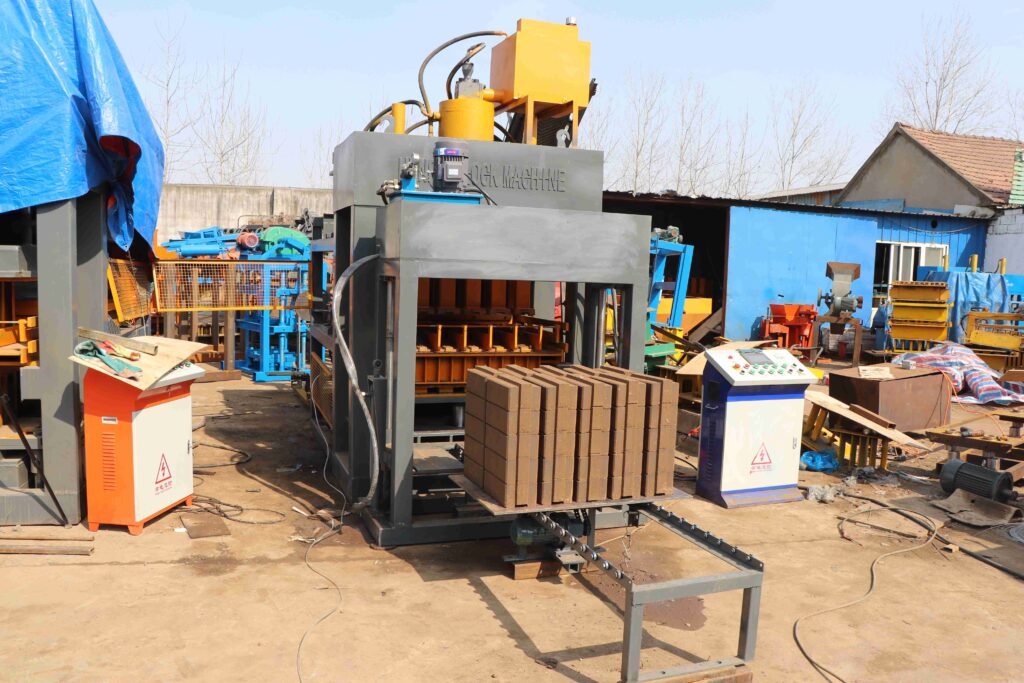
친환경 벽돌 기계가 있을까요?
1. 벽돌 기계에서 "친환경"의 정의
본 맥락에서 "친환경적"이라는 용어는 기계 작동의 전체 수명 주기를 포괄하는 다면적 개념입니다. 이는 단일 기능이 아니라 환경 영향 저감의 여러 주요 영역을 겨냥한 총체적 설계 철학입니다.
- 자원 효율성처녀 천연 자원, 특히 표토의 소비를 최소화하여 대체 원료의 사용을 가능하게 하는 것.
- 에너지 절약경화 또는 소성 공정에 필요한 에너지를 획기적으로 줄이거나 없애는 것입니다. 이 공정은 전통적으로 가장 탄소 집약적인 단계입니다.
- 배출 감소생산 과정에서 방출되는 온실가스(CO2), 미세먼지, 황산화물 등 오염 물질을 제거하거나 포집하는 것.
- 폐기물 자원화:提供一种可行的技术路径,将工业、农业或建筑废弃物作为主要原料加以利用。
- 수자원 관리:생산 과정에서 사용되는 물을 현저히 줄이거나 재활용하는 것.
2. 핵심 기술 및 기계 유형
몇 가지 독특한 기술이 등장하여 각기 다른 각도에서 환경 문제를 해결하고 있다.
2.1. Hydraulic Press Machines for Compressed Stabilized Earth Blocks (CSEBs)
This technology represents a significant departure from traditional fired clay bricks.
- Process and Principle: These machines use high-pressure hydraulic compression to form bricks from a mixture of locally sourced soil (often sub-soil, not topsoil), a small percentage of stabilizer (like cement or lime), and water. No firing is required.
- Environmental Advantages:
- 제로 발사 배출: The complete elimination of the kiln-firing stage removes associated fuel consumption and atmospheric emissions.
- 지역 자재 활용 Drastically reduces the carbon footprint of raw material transportation and preserves fertile topsoil.
- 낮은 체화 에너지 The production process consumes significantly less energy compared to traditional extrusion and firing.
- Machine Characteristics: They range from small, manually operated presses for decentralized, on-site production to large, fully automated stationary plants. They are known for robustness and lower operational complexity.
2.2. Automated Systems for Fly Ash Brick Production
These machines tackle environmental impact by converting an industrial waste product into a high-quality construction material.
- Process and Principle: These are highly integrated production systems designed to mix fly ash (a byproduct of coal-fired power plants), a binder (like cement or lime), gypsum, and water. The mixture is then precisely fed into molds and compacted using vibration and pressure. Curing is achieved through steam curing in autoclaves or water sprinkling, not high-temperature firing.
- Environmental Advantages:
- 폐기물 활용: Diverts massive quantities of fly ash from landfills and ash ponds, solving a major waste management problem.
- Reduced Quarrying: Conserves clay and topsoil by replacing them with an industrial byproduct.
- Lower Curing Temperature: Steam curing operates at temperatures far below those of a kiln, saving energy.
- Machine Characteristics: These are typically complete, PLC-controlled production lines with automated batching, mixing, molding, and handling systems, offering high output and consistent quality.
2.3. Interlocking Brick Machines
This category focuses on reducing environmental impact through design efficiency and on-site production models.
- Process and Principle: These machines produce bricks (often from soil-cement or other stabilized mixes) with precise interlocking geometries. The design eliminates or minimizes the need for mortar in wall construction.
- Environmental Advantages:
- 자재 절감 The reduction or elimination of mortar saves cement, sand, and water.
- 건설 효율성: Enables faster, drier construction with less skilled labor, reducing the overall environmental footprint of the building process.
- Potential for On-Site Production: Mobile versions can be transported to a construction site, using on-site soil and minimizing transport-related emissions for the bricks themselves.
- Machine Characteristics: Includes both hydraulic press types for stabilized earth and vibratory compaction types for concrete mixtures. The key feature is the precision mold creating the interlocking profile.
2.4. Hybrid and Emerging Technologies
The innovation frontier includes machines that integrate multiple eco-friendly approaches.
- Solar-Assisted Curing Tunnels: Some systems integrate low-temperature drying/curing tunnels powered by solar thermal collectors, further reducing the fossil fuel dependency for the curing process of certain non-fired bricks.
- Carbon Capture and Utilization (CCU) Integration: Experimental systems are exploring injecting captured CO2 into certain types of bricks during curing, where it mineralizes and becomes permanently sequestered, potentially creating a carbon-negative product.
- Advanced Recycling Machinery: Specialized crushers, classifiers, and mixers are being developed to create high-quality bricks from 100% recycled construction and demolition waste, closing the material loop.
3. Market Implications for Distributors and Procurement Specialists
The rise of these technologies has direct and significant consequences for the business landscape.
3.1. Diversifying Product Portfolios
The market is no longer homogeneous. Distributors must now understand and supply different brick categories:
- Fired Clay Bricks: Still dominant but facing regulatory pressure.
- CSEBs: Positioned for eco-resorts, residential projects seeking a natural aesthetic, and in regions with suitable soils.
- 플라이 애시 벽돌: Ideal for commercial and urban infrastructure, especially near thermal power plants, and often mandated in public projects in certain countries.
- 인터록킹 브릭스: Suited for affordable housing, perimeter walls, and disaster-resistant construction due to their design.
3.2. Shifting Value Propositions and Client Conversations
Sales discussions must evolve from mere price-per-piece to encompass:
- Lifecycle Environmental Data: Understanding and communicating embodied carbon, recycled content, and energy savings.
- Compliance with Green Standards: How products contribute to credits in certification systems like LEED, BREEAM, or Green Star.
- Total Installed Cost: For interlocking blocks, the savings from reduced mortar and faster construction can be a decisive financial argument.
3.3. Supply Chain and Logistics Considerations
- Regional Sourcing: Fly ash brick plants are tied to power plant locations. CSEB production can be highly localized. This encourages the development of regional supply networks rather than national ones.
- Technical Support Requirements: Selling these products often requires a higher level of technical support to educate builders on proper handling and construction techniques, differing from traditional bricklaying.
4. Challenges and Critical Evaluation
While promising, the eco-friendly machinery sector is not without its complexities.
4.1. Performance and Perception Challenges
- Durability and Weather Resistance: Historically, non-fired bricks faced skepticism in harsh climates. Modern stabilization techniques have largely addressed this, but perceptions linger, requiring education and provision of certified test data.
- Aesthetic Variability: CSEBs, in particular, offer a rustic, natural look that may not suit all architectural styles compared to the uniform appearance of fired clay or fly ash bricks.
4.2. Economic and Operational Hurdles
- Higher Initial Capital Outlay: Advanced automated fly ash or interlocking brick plants can require substantial investment, though this is often comparable to modern automated clay brick plants.
- Raw Material Dependency and Consistency: The quality of fly ash or local soil can vary, demanding rigorous quality control protocols from the manufacturer to ensure batch-to-batch consistency.
4.3. Regulatory and Standards Landscape
- Evolving Building Codes: Not all regional building codes have fully integrated standards for newer types of stabilized or interlocking blocks. It is crucial to ensure products comply with or exceed existing national standards for compressive strength, water absorption, and durability.
- “Greenwashing” Risks: The market sees unsubstantiated claims. Reputable distributors must partner with manufacturers who provide transparent, third-party verified environmental product declarations (EPDs).
결론
The question is no longer 만약 eco-friendly brick machines exist, but 어느 technology is most appropriate for a given market, project type, and environmental priority. These machines are commercially viable, technologically mature, and are rapidly moving from the fringe to the mainstream of construction practice. For forward-thinking distributors, dealers, and procurement specialists, this represents a pivotal strategic juncture. Engaging with this sector is no longer a niche activity but a core requirement for remaining relevant. By developing expertise in the different eco-friendly brick technologies, their applications, and their value propositions, intermediaries can unlock new market segments, build stronger relationships with sustainability-focused clients, and actively participate in building a circular economy. The future of construction materials is unequivocally greener, and the supply chain that adapts proactively will secure a durable competitive advantage.
FAQ
Q1: Are bricks from these eco-friendly machines as strong and durable as traditional fired clay bricks?
A: When produced to proper standards, yes. For instance, high-quality compressed stabilized earth blocks (CSEBs) and fly ash bricks can meet or exceed the compressive strength requirements of many national building codes for load-bearing and non-load-bearing applications. Their durability in freeze-thaw cycles or extreme wetting may depend on the specific stabilization method and density; thus, it is essential to request and review independent test certificates for key parameters like compressive strength, water absorption, and erosion resistance.
Q2: What is the typical cost comparison between bricks from eco-machines and traditional bricks?
A: The cost structure is different. Traditional bricks have a high variable cost (energy/fuel). Eco-bricks from press machines often have a lower variable cost but may involve a different capital cost structure for the plant. At the product level, fly ash bricks are often cost-competitive or cheaper than clay bricks in many markets. CSEBs can be significantly cheaper, especially if produced on-site, as they eliminate material transport and firing costs. The most accurate comparison must factor in total wall cost, including mortar savings from interlocking systems.
Q3: As a distributor, do I need to provide different technical support for these products?
A: Often, yes. Builders familiar only with fired clay and cement mortar may require guidance on using stabilized earth blocks or the specific mortar (if any) recommended for interlocking systems. Providing basic technical datasheets, construction guides from the manufacturer, and even organizing demonstration workshops can be a valuable service that ensures proper application and builds client confidence in the new product.
Q4: How can I verify the true environmental claims of a manufacturer selling such machinery or bricks?
A: Look for objective, third-party documentation. The gold standard is an Environmental Product Declaration (EPD), which is a lifecycle assessment report verified according to international standards. Also, check for certifications related to recycled content (e.g., from scientific and industrial research organizations) and compliance with recognized green building material standards. Ask for detailed data on energy consumption per unit produced and the specific source and percentage of recycled/waste materials used.
Q5: Is there a large enough market demand to justify investing in stocking and selling these alternative bricks?
A: Demand is growing exponentially, driven by: 1) Government Regulations: Many countries now mandate the use of fly ash bricks in public works or offer tax incentives for sustainable construction. 2) Corporate Sustainability Goals: Large developers and corporate clients have net-zero carbon commitments, creating strong demand for low-embodied-carbon materials. 3) Consumer Awareness: Homebuyers are increasingly interested in healthy, sustainable homes. While it may be a segment of your overall portfolio, it is a high-growth segment that differentiates your business and attracts forward-looking clients.